For a certain generation of PC players, a game did not merely arrive as an icon in a library. It arrived in a cardboard monument. These were the big boxes: tall, wide, often lavishly painted packages that promised an entire universe before a disc ever touched a drive. They took up shelf space with the confidence of small appliances, and they were rarely empty. Manuals, maps, registration cards, reference sheets, lore booklets, and sometimes stranger extras turned the purchase into an event.
That physical ritual has been fading for a long time on PC, where digital distribution became the norm well before console shelves began looking endangered. A reported 2028 end point for physical PlayStation game releases is another reminder that packaged software is becoming less central to the business. Yet the disappearance of boxes is not only a question of whether someone can still buy a disc. It is also a question of whether the cultural object surrounding a game remains visible.
GOG is addressing a small but meaningful piece of that problem through its Preservation program. Myst, Descent, Hitman: Codename 47, Star Trek: 25th Anniversary, and Armikrog now include downloadable interactive 3D scans of their original physical box art. The scans cover the front, back, and spine, allowing owners to rotate a digital model of the package rather than settling for a flat cover image.
It is a wonderfully specific preservation feature. Nobody needs a virtual cardboard box to launch Descent, of course. But that is precisely why it matters: it recognizes that the box was never only a delivery vehicle for the software. Its design, copy, screenshots, logos, wear-prone edges, and occasionally overconfident marketing were all part of the object people remember.
Five games, five very different kinds of PC-game history
The initial set is compact, but it spans several recognizable corners of the medium. Myst evokes the era when PC games could become crossover cultural phenomena through atmosphere, puzzling, and a visual identity that seemed built to occupy bookstore and computer-shop displays. Descent represents a different kind of 1990s PC ambition: fast, disorienting 3D action in which up and down were no longer reliable concepts.
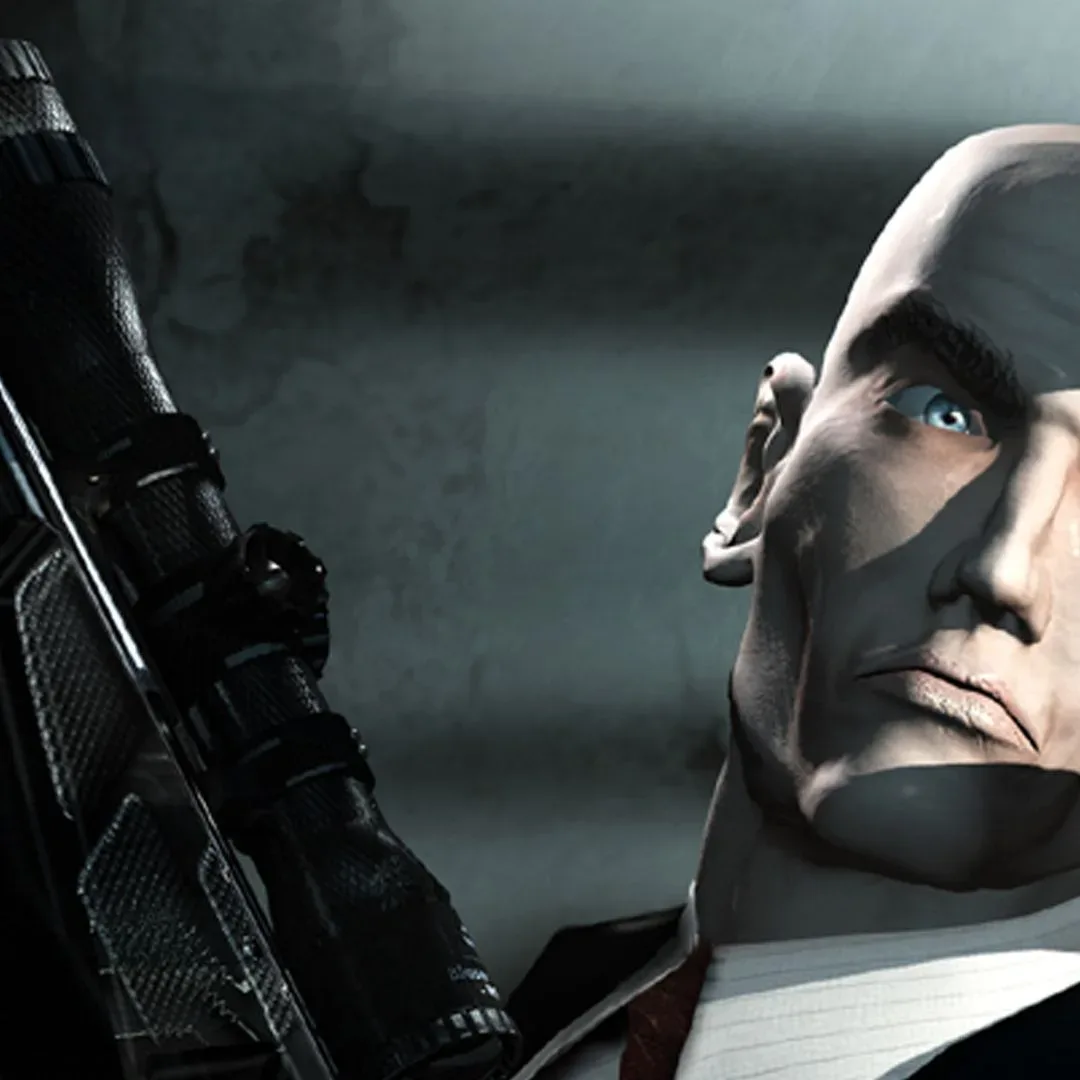
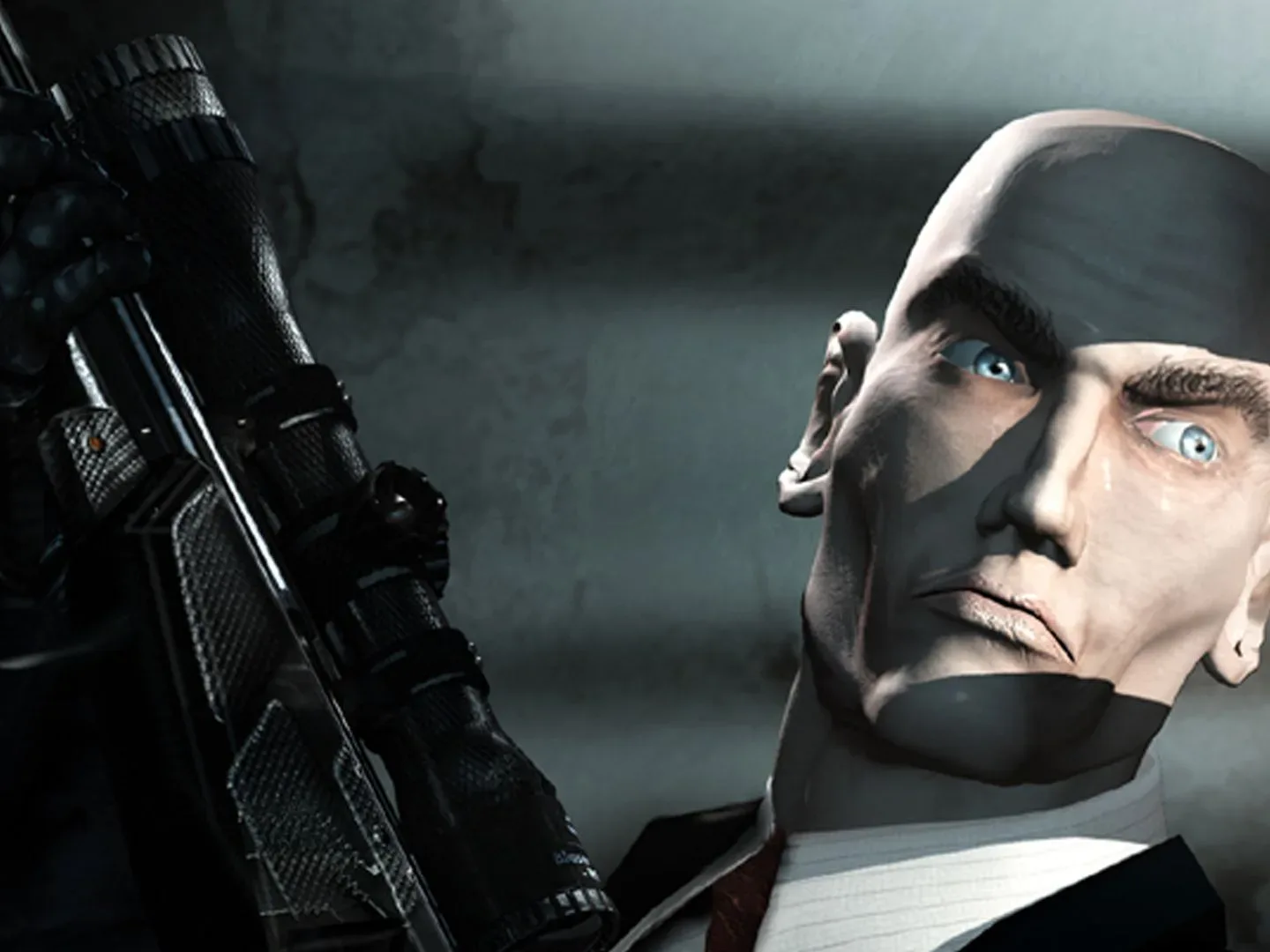
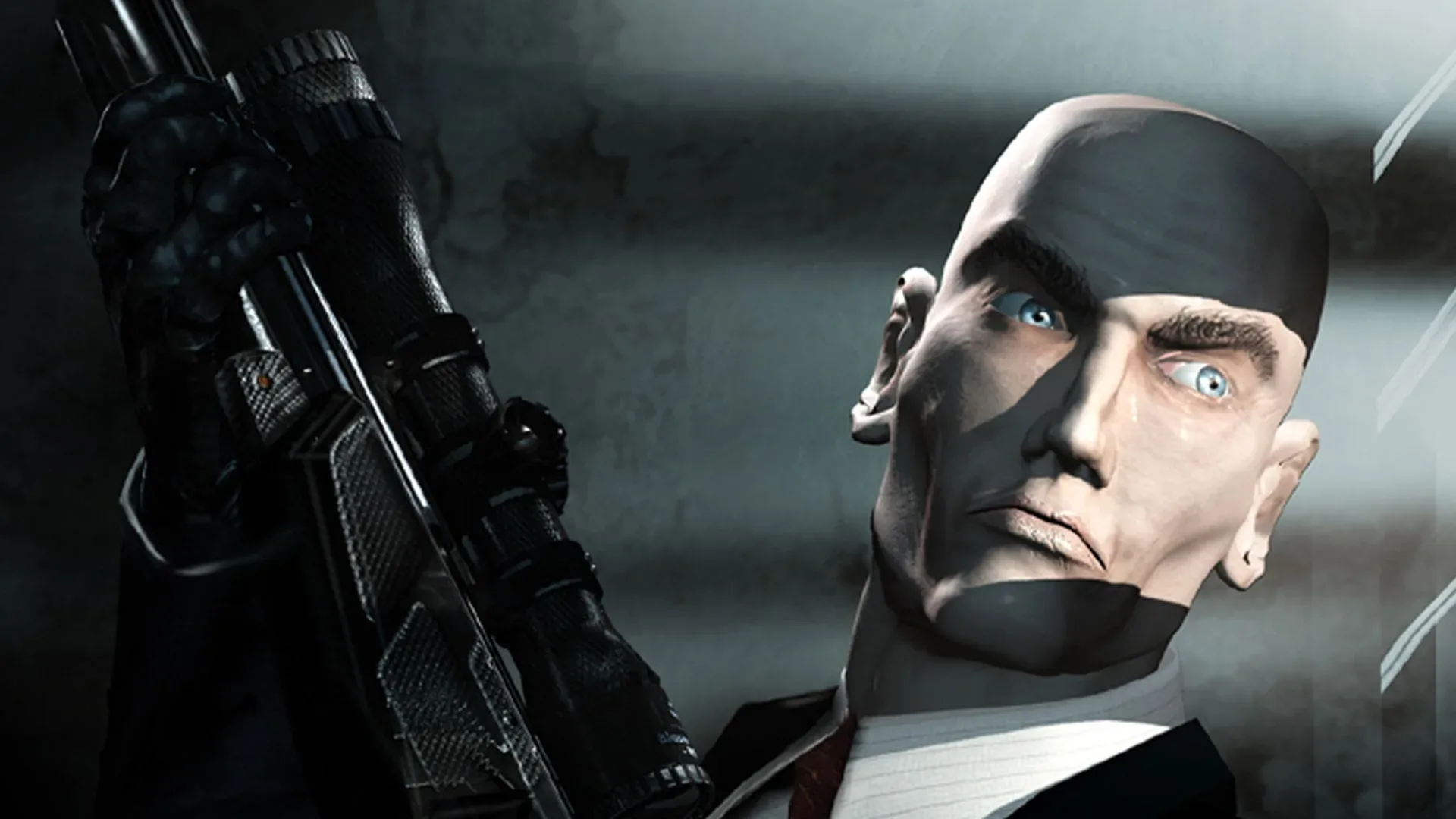
Hitman: Codename 47 brings the feature into the early 2000s, preserving packaging tied to the beginning of a series that would grow into one of games’ most durable stealth franchises. Star Trek: 25th Anniversary captures the strong relationship between PC gaming and licensed adventure experiences, while Armikrog is a useful reminder that elaborate package art and tactile aesthetics are not limited to the oldest releases.
Together, the selection makes a persuasive case for treating package preservation as something broader than a nostalgia exercise. Every era has its own visual language. A box can tell collectors and historians what a publisher thought would sell the game at that moment: a famous license, a dramatic scene, a technological boast, an intimidating list of features, or an invitation to enter a fictional world.
How the 3D boxes work
After purchase, the 3D box scans can be downloaded and opened in the 3D viewers built into Windows and macOS. No separate plugin or specialized viewing application is required. That accessibility is important. Preservation projects can become technically impressive but practically distant when the public needs niche software or complicated instructions simply to look at an artifact. Here, the intended experience is closer to picking an item up from a shelf and turning it over in one’s hands.
Related coverage includes GOG Adds 3D Big Box Scans and Printable Packaging to Its Preservation Push.
There is an obvious limitation, and it is not a flaw: a screen cannot reproduce cardboard texture, the weight of a stuffed box, or the oddly satisfying crinkle of aged shrink wrap. But the interactive model captures something flat scans cannot. Viewing the spine puts the object back in shelf context. Seeing the back panel restores the dense, persuasive language of old packaging. Rotating the whole piece helps remind viewers that a big box was designed as a three-dimensional object, not as a single image for a storefront thumbnail.
For collectors, this could also serve a practical reference role. Condition, editions, inserts, and regional variants remain major considerations in physical collecting, and a clear all-around visual record gives people another way to identify what a complete package is supposed to communicate visually. These new models do not replace the real items, nor do they claim to document every version ever sold. They do, however, make selected originals easier to study without asking someone to own them.
Printable packaging brings the shelf ritual home
The project goes one step further with flat, printable versions of the same artwork. These files can be printed, cut out, folded, and glued into a paper big box. It is less archival replica than affectionate papercraft, and that distinction is healthy. A home-built printout is not being presented as an original collectible. It is a way to make a display object, celebrate a favorite game, or introduce younger players to the physical scale that once accompanied PC releases.
The printable component was developed with Benjamin Wimmer, creator of the fan-made Big Box Collection project. That connection fits the spirit of the initiative. Many of the most detailed records of game packaging, manuals, advertisements, and variants have endured because enthusiasts saw value in material that the wider industry had stopped treating as essential.
There is a charming tension in the idea of downloading a file to construct a physical object. Digital delivery, the force that helped make the retail PC box uncommon, becomes the tool that lets people place a version of that box back on a desk or shelf. It will not fool anybody into believing they have acquired a period-original copy, and it should not. What it can do is restore some of the spatial drama that a square cover image never quite conveys.
Preserving games means preserving their context
Game preservation is often discussed in terms of executable files, compatibility fixes, source code, servers, licenses, and the ability to run a title on modern hardware. Those are foundational concerns. A game that cannot be played is in obvious danger. But playability alone is not the whole historical record.
Physical packaging helps explain how games were introduced to players. Manuals could teach mechanics, establish narrative context, and sometimes include vital clues. Maps and charts were not merely bonuses in an era before every answer was one search away; they could be essential companions. Box backs reveal marketing strategies and changing visual tastes. Even the mundane details can matter decades later: publisher logos, platform requirements, address information, catalog numbers, and screenshots of early builds.
This is the same broad principle behind preservation efforts in other media: retaining the work matters, but retaining the circumstances in which audiences encountered it can deepen understanding. The continuing conversation around film preservation shows why original presentation and material history deserve attention alongside convenient access. Readers interested in that larger cultural mission can explore the legacy of a film preservation advocate and the institutions that help keep such discussions active.
Packaging is not the game itself, but for many releases it is part of the game’s memory.
Wimmer has argued for people and organizations willing to take responsibility for games as cultural works, drawing a comparison to efforts that protect historically significant films in forms close to their intended presentation. It is an ambitious standard, but the underlying point is hard to dispute. Games are made of more than code. They are also made of art direction, documentation, hardware assumptions, business decisions, and the physical artifacts that once framed the experience.
A modest feature with a collector-minded perspective
GOG’s 3D scans will not solve the enormous challenges facing preservation. They do not settle questions about licensing, delisted games, abandoned online features, disappearing hardware, or access to original development materials. They are not a substitute for archives, collectors, museums, fan communities, or compatibility work. What they provide is a useful model of what a preservation-minded storefront can include when it looks beyond the launch button.
That model is especially appropriate for classic PC games. The platform’s boxed history is unusually rich because a PC release could include so many materials: thick manuals, keyboard command cards, technical setup instructions, maps, novellas, and elaborate art. As that world becomes harder to encounter in ordinary retail, high-quality scans and printable reinterpretations can keep its visual language in circulation.
There is also something reassuringly unglamorous about the feature. It invites users to inspect the spine, read the back, or make a paper craft project. It does not pretend that preservation is a spectacle. Instead, it makes room for the ordinary pleasures of handling—or at least digitally approximating—the object that once sat beside a keyboard, waiting for an installation that might take the better part of an afternoon.
For the five games currently included, the box is no longer only a fragile survivor in somebody’s collection. It has become a viewable, shareable companion to the software. In a medium increasingly delivered as an invisible entitlement, that is a neat way to make a little more of gaming’s physical past visible again.