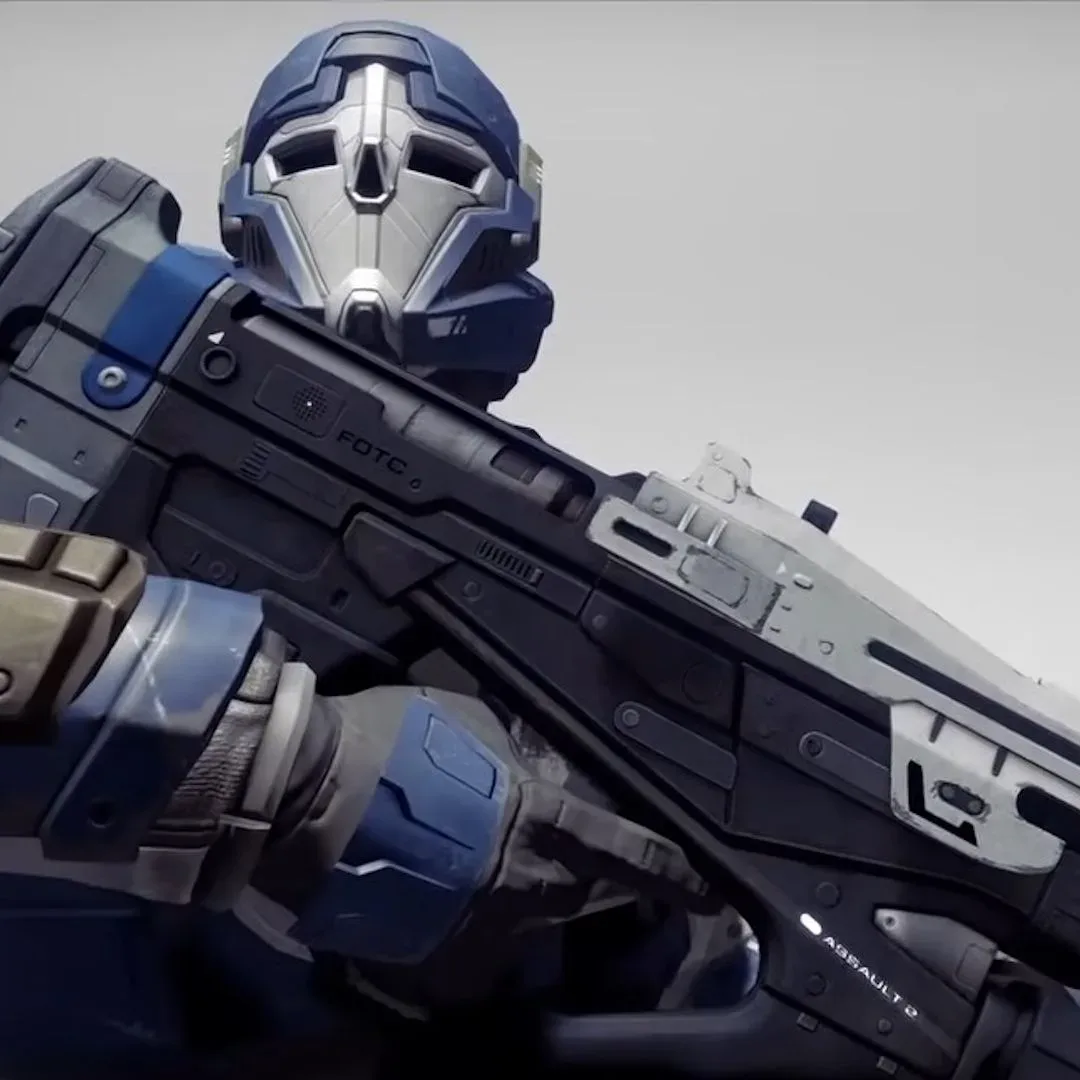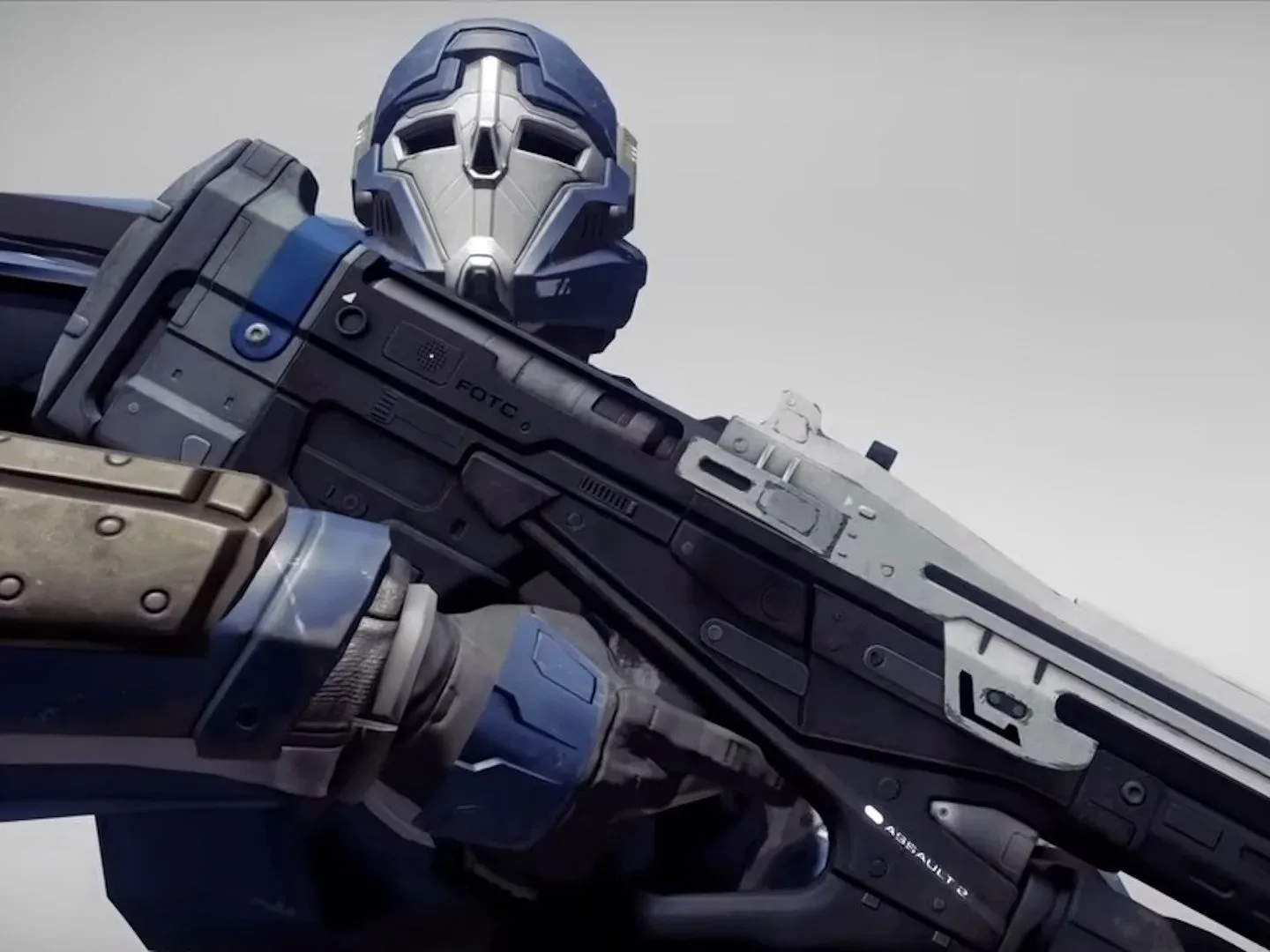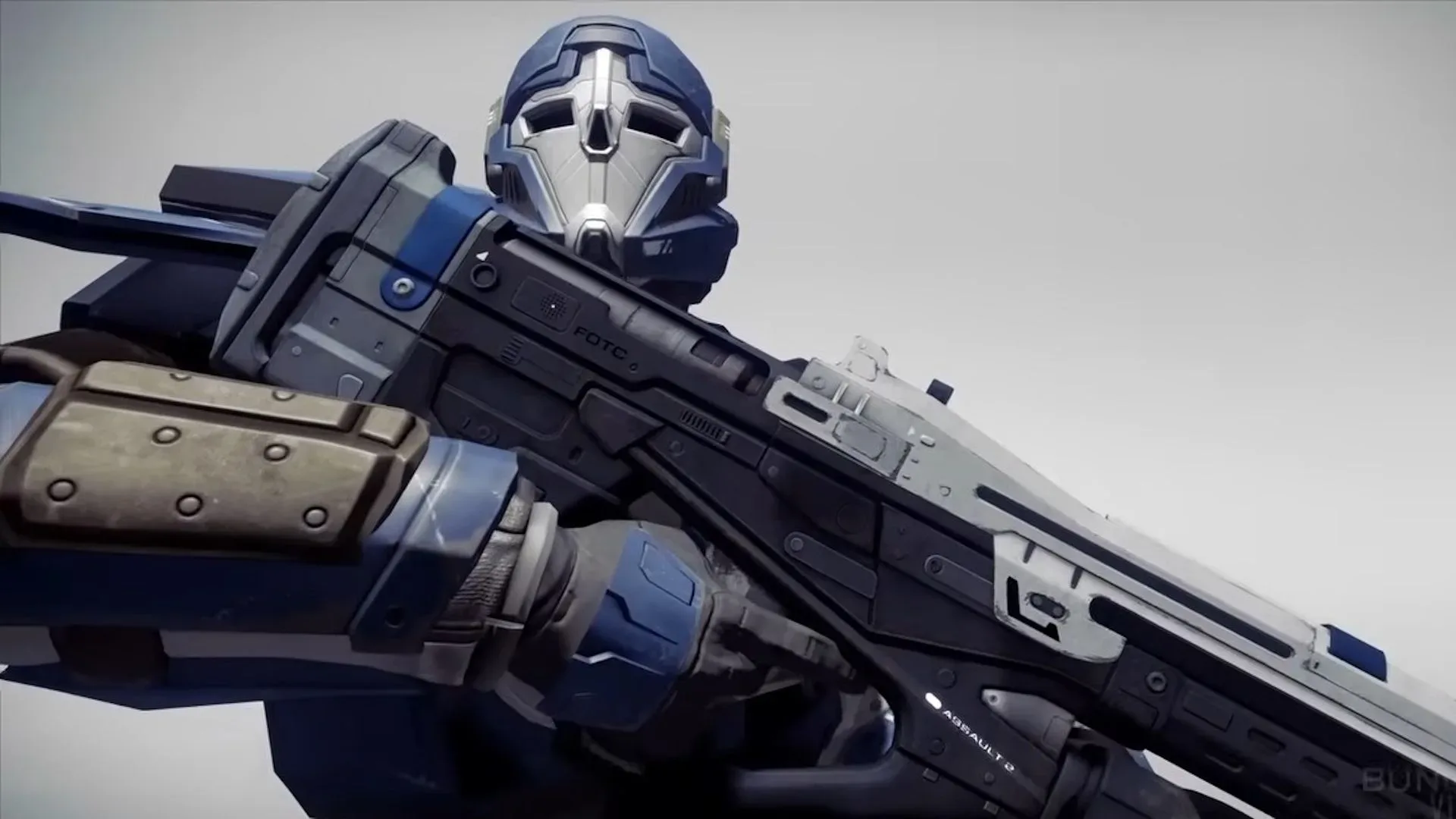
A fan-led effort to preserve Destiny 1 has attracted an unusually visible signal from inside Bungie: Josh Deane, the studio’s head of product and Marathon general manager, shared a video showing the original game running on PC.
The demonstration, posted by YouTube user Flummoxed and later circulated by DestinyNostalgia, shows Destiny 1 at 4K resolution, a 105 field of view (FOV), and above 60 frames per second. The project is presented as having mostly correct game behavior, an important qualifier for any work attempting to make an online-dependent title function outside of its original service environment.
Deane’s accompanying message was brief: “Seems like a pretty game, wonder if it will do well…” It is the kind of deliberately light post that naturally invites speculation, particularly among players who would like to see the first Destiny receive an official modern re-release or PC edition. But the available evidence supports a narrower, more concrete reading: a senior Bungie leader publicly shared a community preservation demonstration. It does not announce a Bungie product, a PC port, a remaster, or a new plan for Destiny 1.
What the PC demonstration appears to show
The headline settings are easy to understand, but each describes a different part of the experience.
- 4K refers to the output resolution: a high pixel count that can make the image appear sharper on compatible displays.
- 105 FOV means the camera displays a wider view than a more restrictive default perspective. In first-person games, a wider field of view can make peripheral space more visible.
- 60+ FPS means the footage is running at more than 60 frames per second. Frame rate measures how frequently a new image is displayed; higher figures can make camera movement and animation look smoother.
Those visual and performance options are meaningful to PC players, but they should not obscure the more difficult accomplishment suggested by the project: getting a game built around online communication to receive the responses it expects. A higher resolution can be configured. Reconstructing enough server interaction for software with retired or unavailable service dependencies is a substantially different preservation problem.
The project’s documentation describes its goal as keeping owned media playable by writing a server that can answer requests from the game client. Put plainly, the client is the software running locally for the player, while the server is the remote-side system that supplies information and services the client requests. For a game that relies on online infrastructure, preserving the local application alone may not produce a usable game.
That distinction is central to why projects like this draw interest. Preservation is not only about whether discs, installs, or downloaded files still exist. It can also involve the behavior of the systems that once made those files operational.
A clean-room approach, not a downloadable Destiny package
The GitLab hub for the work says it is a preservation project for owned media and states that it does not include or redistribute game, patch, or firmware assets. Instead, the repository is described as containing original code and clean-room protocol documentation kept separate from copyrighted material.
Related coverage includes Bungie Product Head Highlights Fan-Made Destiny 1 PC Preservation Project.
Clean-room development is a separation-focused approach. In this case, the project says it is documenting the communication behavior required by the client and writing original code to respond to it, rather than distributing the game’s proprietary content. Protocol documentation, meanwhile, concerns the rules governing how two systems exchange information: what a request looks like, what response is expected, and how that exchange is sequenced.
That does not turn a preservation effort into an official Bungie release, nor does it settle every legal question around emulation, reverse engineering, or game-service recreation. It does explain why the project is structurally different from a package that simply offers a ready-to-download copy of a commercial game. The stated approach is built around users’ owned media and separately produced software, not redistribution of Destiny itself.
The work is connected to shadPS4, an emulator. An emulator is software designed to reproduce the behavior of one hardware platform on another system, allowing compatible software to run in a different environment. In this instance, the project is not described as a native, official PC version of Destiny 1; it is a preservation effort using emulation alongside a replacement for needed server behavior.
That technical and legal context matters as AI-assisted and fan-made PC conversion projects continue to produce debate. As covered in our look at the unsettled legal picture around AI-assisted Nintendo PC ports, the method used, the assets distributed, and the claims made by a project can all affect how it is received. There is no single label that resolves every concern.
Why Deane’s share has people talking
Deane’s role gives his post more weight than an ordinary social-media share. He is Bungie’s head of product and serves as general manager for Marathon. A public share from someone in that position is notable, especially when the subject is an unauthorized community project involving one of the studio’s best-known games.
It is also notable for what has not been reported here: no cease-and-desist notice accompanied the public interaction. That should not be overstated. The absence of an immediately visible legal demand is not approval, partnership, permission, or a binding statement of policy. Companies can respond to fan projects in many ways, and a social post is not the same thing as a product roadmap.
Still, acknowledgment can matter socially. Preservation developers often operate in a space where a project’s first broad recognition may come from players, not rights holders. A prominent executive sharing the demonstration puts a spotlight on the work and, at minimum, indicates that the clip reached Bungie leadership.
The project’s lead developer, aknumbers, responded on Bluesky by joking that Deane’s post was another entry in a series about the funniest possible outcome being close at hand. That reaction captures the odd tension surrounding the moment: the community can enjoy the attention while also recognizing how unpredictable any official response might be.
Official Destiny 1 revival speculation remains just that
Some fans have interpreted the post as a hint that Bungie could revisit Destiny 1 in an official capacity. That conclusion goes beyond the known facts.
Bungie’s newer leadership has expressed a commitment to Destiny while working to restore cut Destiny 2 content, though it is not making new content for that restored material. At the same time, the studio has been dealing with reduced staffing, work on Marathon, and the ongoing demands surrounding Destiny 2. Those realities make a full-scale official revival of the original game far from a simple inference.
An official return could take many hypothetical forms—a re-release, a port, compatibility work, or something else entirely—but none has been announced in the material available here. The 4K video does demonstrate why interest exists: an older game can look striking when displayed at higher resolution, smoother frame rates, and a broader FOV. Yet technical possibility, fan demand, and a publisher’s production priorities are separate questions.
It is worth keeping the terms distinct. The fan project’s goal is preservation of owned media through an emulator-supported setup and replacement server behavior. An official PC release would be a commercial product decision by Bungie, with its own engineering, support, licensing, distribution, and service commitments. One does not automatically lead to the other.
What players can reasonably take from this moment
The most defensible takeaway is not that Destiny 1 is coming back officially. It is that preservation work has shown a technically ambitious version of the game running on PC, and that demonstration was publicly amplified by a senior Bungie executive.
For players interested in long-term access to online-oriented games, the project also illustrates a larger practical reality: preserving the executable is often only one layer of the job. When online services are part of how a game launches, authenticates, loads information, or otherwise behaves, continuity may depend on recreating the interactions that service once handled.
For Bungie watchers, Deane’s post is a reason to pay attention, not a reason to treat rumor as confirmation. Until Bungie makes a direct announcement, there is no established official PC version, remaster, or revival plan for the original Destiny. The fan effort, however, has made a strong case for why the game’s history—and the infrastructure needed to experience it—continues to matter.