Ben Affleck’s gaming history appears to span a remarkably broad set of player experiences: the all-consuming strategy-game fixation, the long local breaks spent with a classic shooter, solitary appreciation for a puzzle adventure, and the unavoidable humiliation of competing online against people much younger than you.
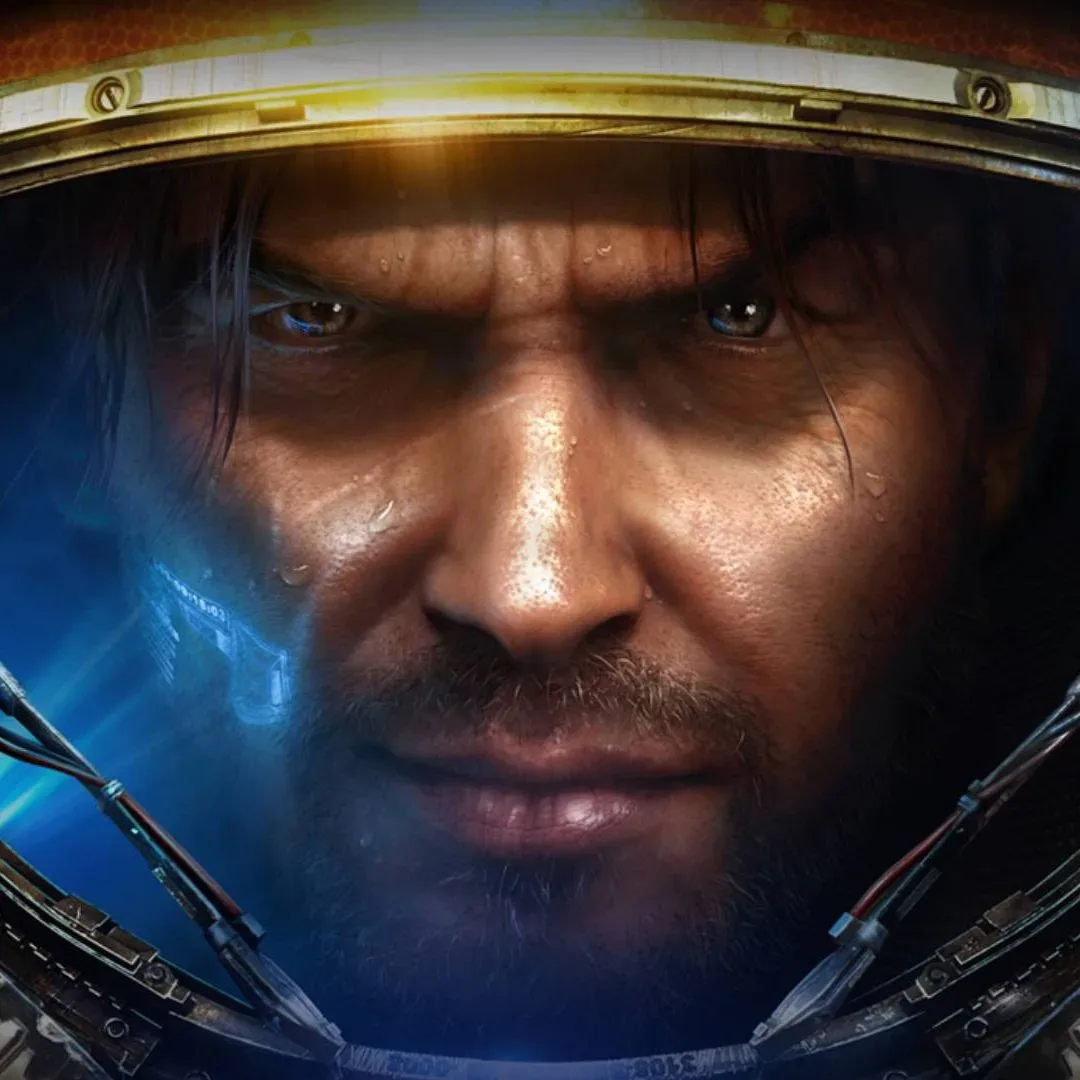
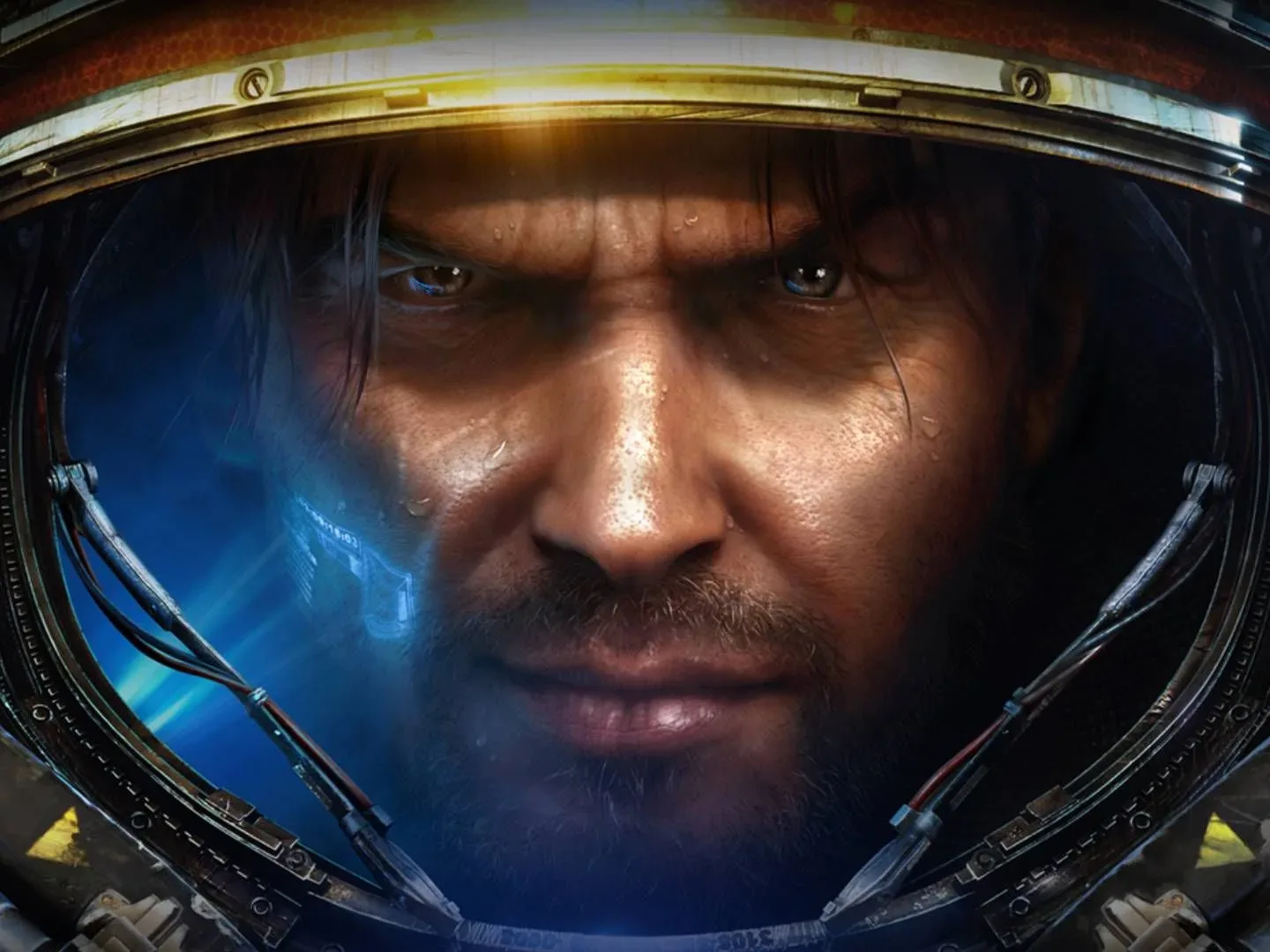
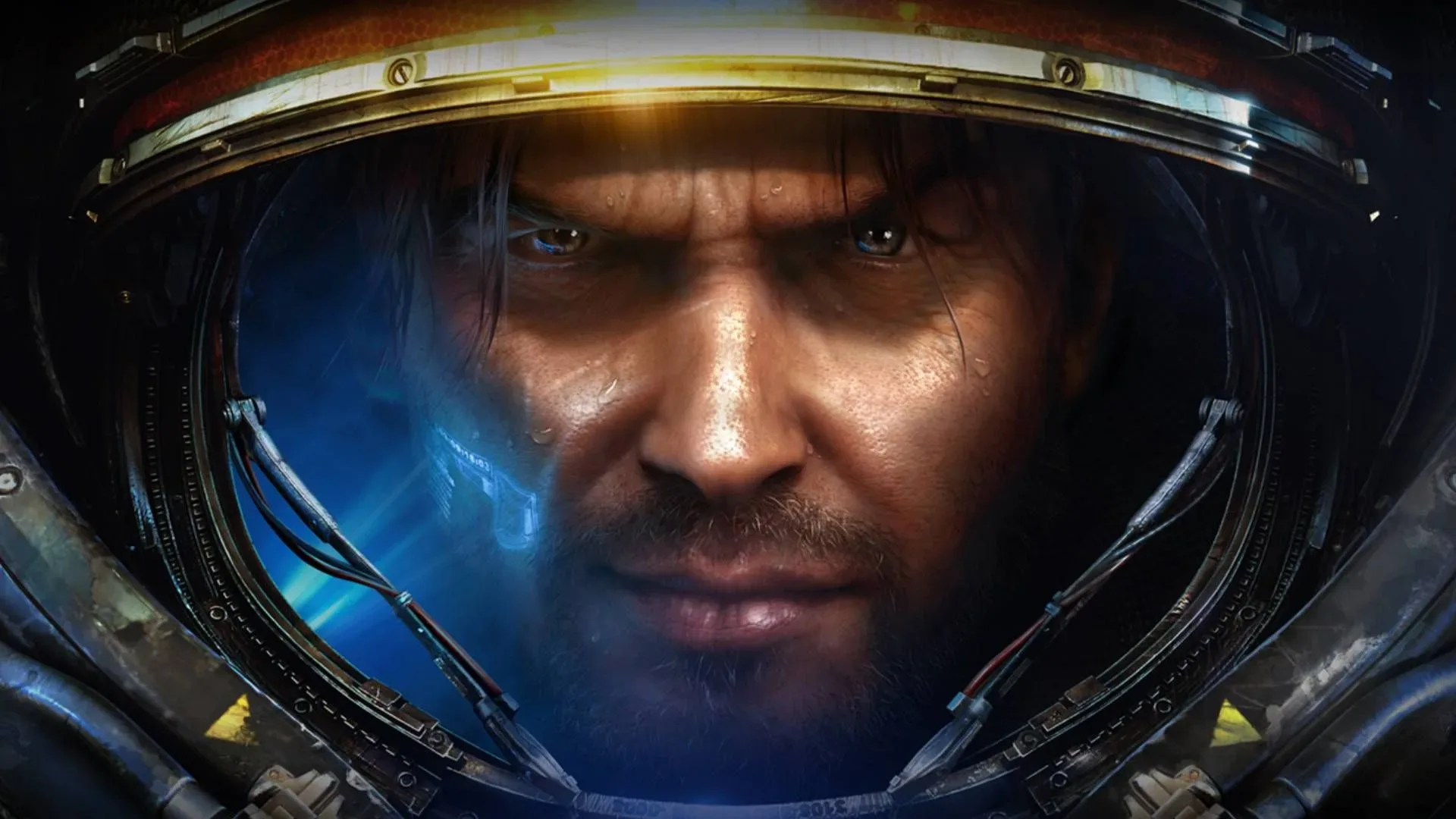
Asked which game had taken the most out of him, Affleck singled out StarCraft. He said the real-time strategy game probably “took the most life” from him during one period, recalling that when he had recently become famous, he spent three years staying home and playing it. It is an unusually blunt description of the pull certain games can have—not merely a fond memory of an old favorite, but an account of a title becoming the default place to spend enormous amounts of time.
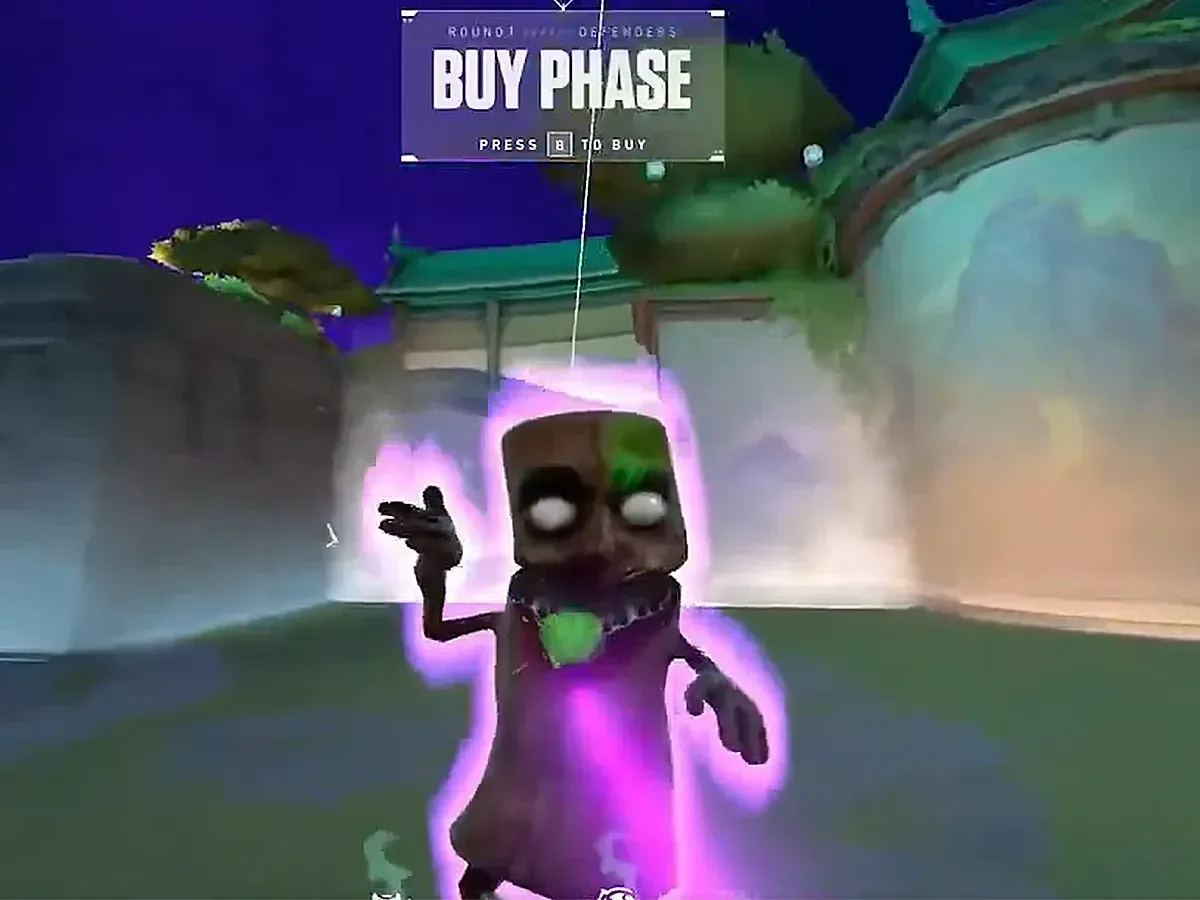
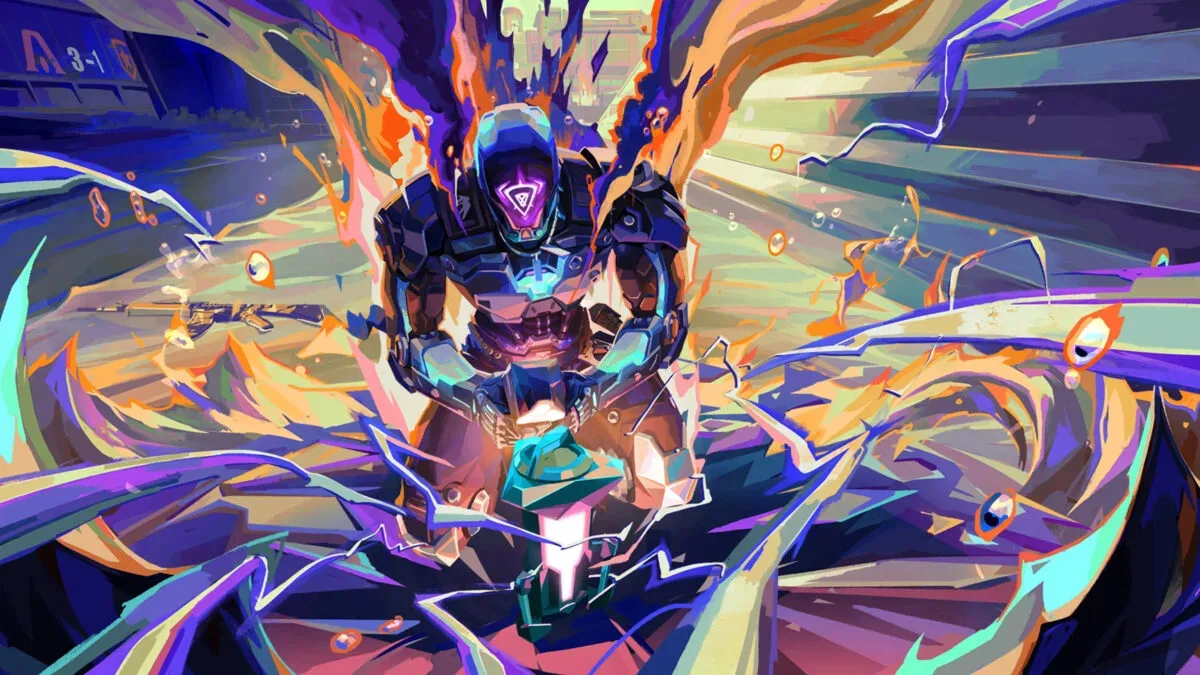
His current competitive reference point is Valorant, Riot Games’ team-based shooter. The experience, by his telling, is less about mastery than being thoroughly outplayed by 11-year-olds. Affleck called that “very humiliating,” a sentiment that will sound familiar to anyone who has entered a high-skill online lobby expecting the confidence of adulthood to count for something.
Why StarCraft can become an all-hours game
Affleck’s choice makes sense on its own terms. StarCraft is a real-time strategy, or RTS, game: rather than taking turns, players gather resources, build infrastructure, produce units and make tactical decisions simultaneously. That structure turns each match into a constant set of competing priorities. A player may need to manage an economy, scout an opponent, decide which units to make and react to an attack at nearly the same time.
The genre’s appeal is not just winning individual battles. Improvement can feel measurable and endlessly incomplete. Players can revisit decisions, learn more efficient openings, refine control of units or reconsider a defeat that felt winnable. Affleck did not detail how he played StarCraft, whether competitively or otherwise, so it would be a mistake to attach a specific routine to his recollection. But his description captures the broader phenomenon of a game with enough strategic depth to fill a long stretch of free time.
It also underlines how games can serve very different roles at different points in life. Affleck framed StarCraft as part of a period after sudden public recognition, when home and a familiar game became the center of his time. That is distinct from the social, fast-moving friction he now describes in Valorant or the family rivalry of NBA 2K.
From strategy obsession to Valorant’s fast feedback loop
Valorant is not an RTS, but it can impose its own ruthless learning curve. Its matches rely on precision shooting, coordination and rapid decision-making. Competitive shooters also create immediate feedback: a missed shot, late rotation or poorly timed push is often visible to teammates and opponents in a matter of seconds. Affleck’s joke about being “rocked” by younger players lands because age does not grant an automatic advantage in a game built around practice, reactions, knowledge and communication.
There is a useful distinction here between mechanical skill and game sense. Mechanical skill generally means direct execution—aim, movement and quickly using controls. Game sense refers to reading situations: anticipating where opponents may be, judging risk, understanding timing and making decisions with incomplete information. Both matter, but neither permanently protects a player from a lobby full of people who have put in more focused time.
Related coverage includes Ben Affleck Looks Back on His StarCraft Years and Modern Valorant Defeats.
That is part of the comedy in Affleck’s list of favorites. StarCraft represents a game that absorbed years of attention; Valorant represents a newer competitive space where experience in games generally does not prevent a fresh defeat. The underlying through-line is not dominance. It is the willingness to keep playing despite the possibility of getting embarrassed.
NBA 2K turns competition into family banter
Affleck also said he plays NBA 2K with his 14-year-old son—and loses. He described being beaten, mocked and derided afterward. The account adds a more intimate version of the same competitive dynamic: a game does not need an anonymous online opponent to produce an ego check.
Sports games are especially well suited to that kind of repeatable rivalry. Their rules are instantly legible even when the nuances of the game systems take time to learn, and a match can generate its own stories: a late comeback, a bad shot selection, a stop at the buzzer or a player who simply cannot be defended. In Affleck’s telling, the important result is not a lesson in virtual basketball. It is that his son has the win, and the right to make sure his dad knows it.
The wider list of games Affleck mentioned—Madden, Civilization, classic first-person shooters, StarCraft, Valorant, NBA 2K and Myst—suggests interest across radically different designs. Civilization shares the strategy appeal of long-term planning, though it is associated with a turn-based structure rather than StarCraft’s real-time pressure. Madden and NBA 2K translate sports into head-to-head contests. Shooters emphasize immediate action. Myst puts a heavier emphasis on exploration, puzzles and atmosphere.
Doom during Good Will Hunting and a lasting fondness for Myst
Affleck’s memories of Doom connect games to another period of his career. He said Doom was played “endlessly” while Good Will Hunting was being made, with long breaks from writing used to play. He spoke in the plural—“we played”—but did not explicitly identify everyone involved in that recollection. Affleck co-wrote and starred in the film with Matt Damon, who also starred, though the specific group playing is not established by the comment alone.
What is clear is that the memory positions Doom as a break within creative work rather than the prolonged retreat he associated with StarCraft. That distinction matters. A game can be a deep personal hobby, a quick reset between tasks, a family activity or a competitive challenge. The same person can move between all of those modes over decades.
Affleck also praised Myst as a “fabulous game,” specifically appreciating its storytelling and saying there is room for somebody to make something like it again. It is a useful reminder that his tastes are not limited to scoreboards or reflex tests. Myst’s appeal, as he described it, is tied to narrative presentation as well as its game form.
That view invites a broader design question without pretending that every game should imitate Myst: what does it mean for a game to let storytelling do some of its work through the player’s own discovery? Affleck’s comment is an expression of admiration, not a blueprint for a future project. Still, it points to an enduring appetite for games whose appeal comes from atmosphere and story as much as action.
Game design has long had to balance authored structure against player choice. Different systems approach that balance differently; for another example of how developers have discussed procedural approaches to player activity, see this look at Skyrim’s Radiant Quest system and its Fallout 3 roots. Affleck’s own favorites show why a single definition of what games should be is too narrow: there is room for strategy, competition, shared jokes, gunfire, sports and quiet narrative exploration.
A StarCraft future with a defined story
Separate from Affleck’s recollections, a new StarCraft shooter has been described by its lead as not being a “seasonal game,” with a story that has a beginning, middle and end. No further details about the project’s format, timing or features are established here. The description nevertheless draws a line between a self-contained narrative arc and an ongoing seasonal model.
For Affleck, StarCraft remains the game most associated with a consuming chapter of his life. For players encountering the series through a future shooter, the experience could be framed very differently. What connects the two is the unusual staying power of a name that can mean a years-long strategic habit to one player and, potentially, a finite story-led campaign to another.
Affleck’s comments ultimately make for a refreshingly ordinary gamer portrait behind the celebrity context. He remembers losing time to a favorite game, speaks warmly about older titles, values storytelling, gets beaten by his kid and gets verbally punished by younger Valorant players. In other words, he has accumulated the same collection of victories, defeats and embarrassments that makes gaming memorable for everyone else.