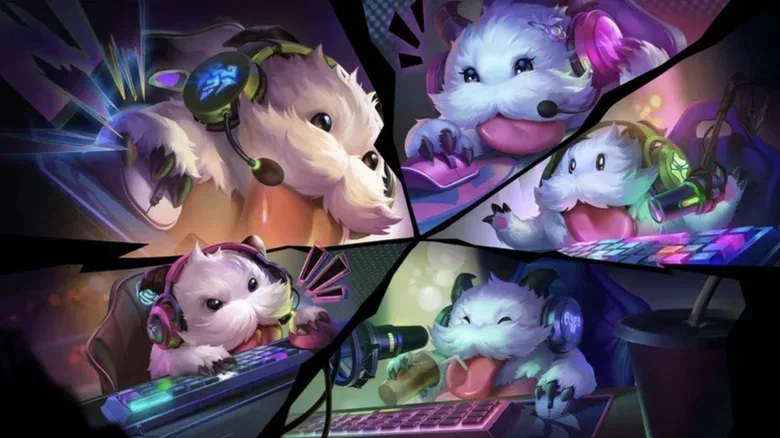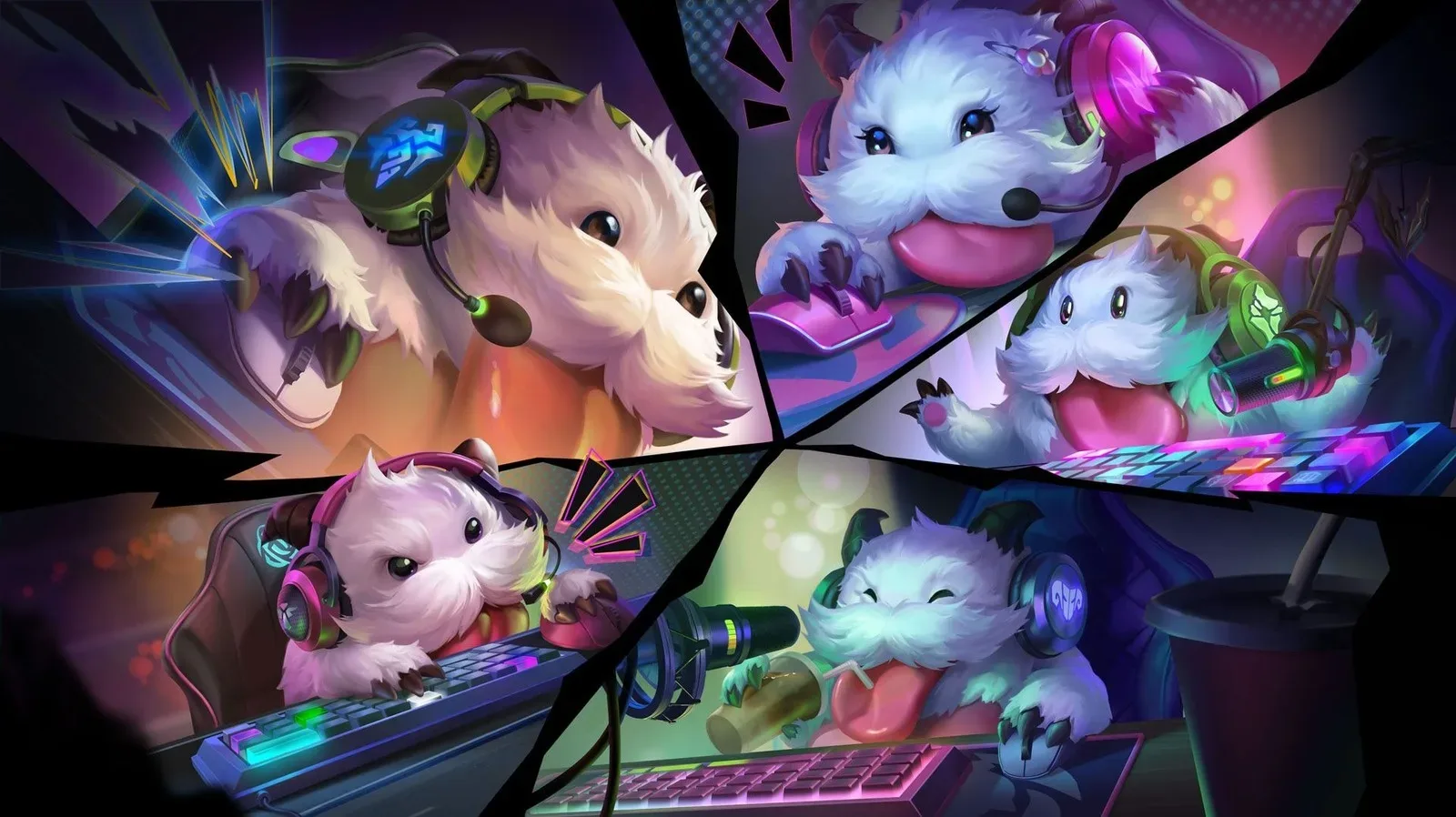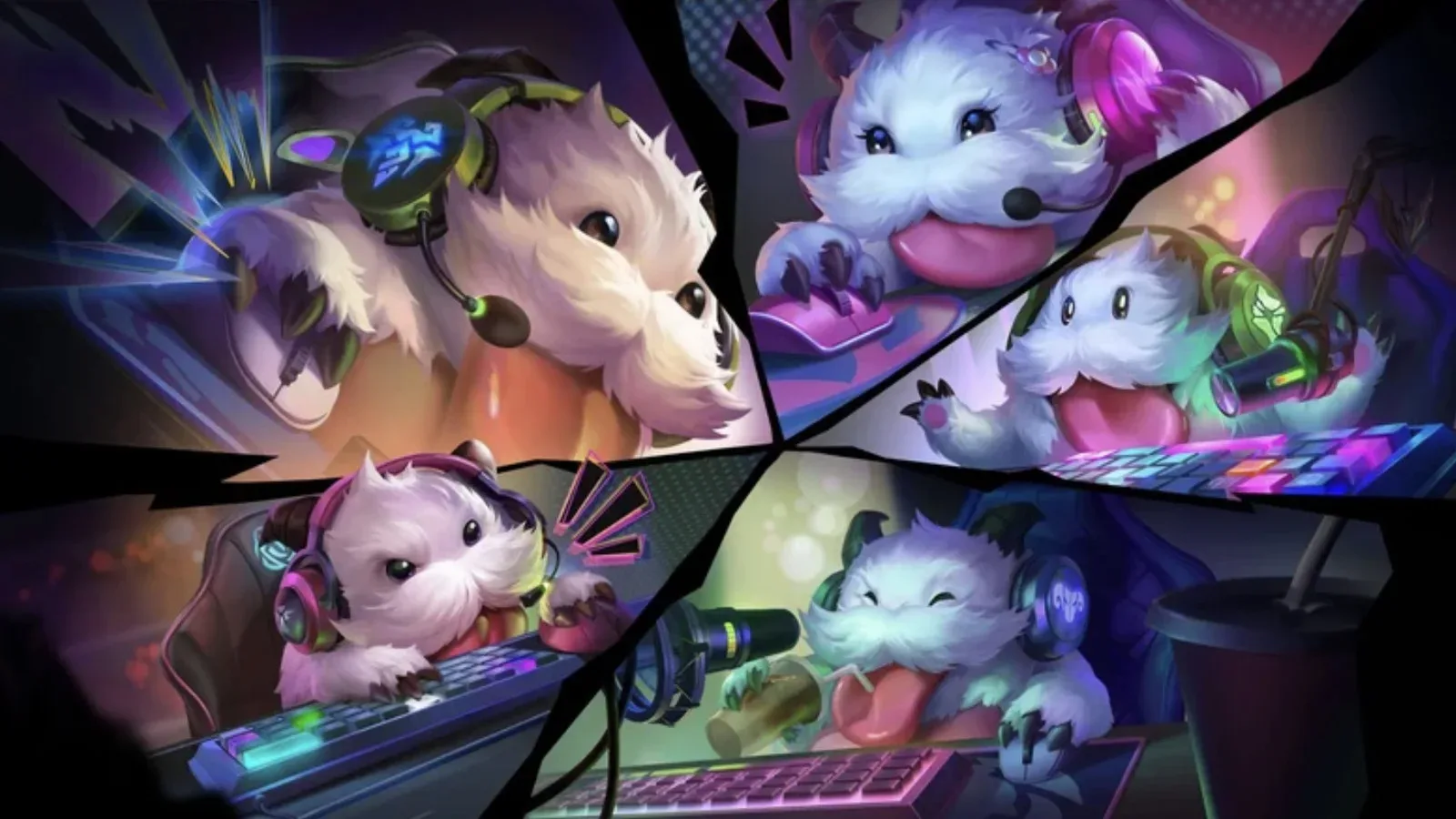
League of Legends players will have to wait longer for built-in team voice chat. Riot Games has delayed the feature, which had been planned for select regions as part of October’s 26.20 patch. The change arrives only two weeks after voice chat was presented as an upcoming addition, and there is currently no replacement launch window.
The developer’s public explanation is brief: the delay is intended to ensure the implementation reaches the quality bar its community deserves. That wording leaves several important questions unanswered. Riot has not said which regions were due to receive the feature, whether 26.20 will still contain related groundwork, or when it expects to provide the next update.
For a game that has been without native team voice chat for 17 years, the reversal is understandably frustrating. Yet the missing details also matter. Voice communication in a competitive, team-based game is not merely an audio toggle; it is a live social system that needs to work reliably while providing players meaningful protection from abuse.
What has changed for League players
The immediate practical change is straightforward: players should not expect the previously outlined team voice-chat rollout in patch 26.20. Riot has delayed, rather than cancelled, the feature, and said it is still working on an implementation. But without a revised timeline, it would be premature to treat any particular later patch as a target.
That distinction is worth making. A delay signals that the plan remains active, while a lack of timing means the feature is not ready to be promised again. Players who had been preparing to coordinate with solo-queue teammates through an in-game channel will need to keep using the communication options currently available to them.
League’s existing communication culture has long relied on pings and text chat in matches, with outside voice tools often used by premade groups. A native system would potentially let teams of strangers speak without arranging an external call first. It could also change the pace of calls around objectives, lane movements and fights. Those potential benefits are precisely why a large multiplayer game has to be careful about how the system behaves under pressure.
Why voice chat is more complicated than adding a microphone button
Team voice chat generally means an in-game audio channel shared by teammates during a match. At its best, it can make quick coordination easier than typing: a player can flag danger, call for help or communicate a plan in seconds. In a competitive game, though, that same immediacy can turn a bad interaction into a more direct and difficult-to-ignore one.
League has a well-known reputation for toxic player behavior, and Riot has been working to address that problem. That history makes moderation a logical area of attention, although Riot has not confirmed the reason for this delay. It would be a mistake to present an unverified explanation as fact.
Still, the challenge is easy to understand. Text can be filtered, reviewed and reported through systems tailored to written language. Voice adds further questions: how players report conduct, what evidence is available for review, how reports are handled, how privacy is respected, and whether actions against repeat offenders are consistent. A feature can sound good on paper while still needing substantial work on safety and reliability before release.
The issue is not solely about punishing bad behavior after it happens. Good implementation can include choices that help players control their experience in the moment, such as clear mute controls and understandable access rules. The available information does not establish which of these measures Riot is changing or testing. What it does establish is that the studio has opted not to ship the planned version yet.
Honor requirements and the question of access
An earlier approach discussed for the rollout involved requiring a minimum Honor level. Honor is League’s in-game measure connected to player behavior and recognition. In this context, a minimum requirement would serve as a gate: players would need to demonstrate a sufficient history of good conduct before gaining access to team voice chat.
That kind of requirement makes sense as an attempt to reduce the odds that a new voice channel immediately becomes a home for persistent bad actors. It also illustrates the balancing act. Restrict access too little and moderation pressure may rise; restrict access too much and a feature announced as a team-communication improvement may be unavailable to a significant portion of the players it was meant to help.
There is no confirmation that the Honor threshold caused the postponement or was failing in any way. It remains one possible area that could require refinement. The delay announcement did not identify a technical fault, a policy concern or a specific feature that needed further work.
That uncertainty should temper the conversation around the decision. The more accurate reading is not that one known problem has derailed voice chat, but that Riot believes the planned version needs additional work before it meets the standard it wants to set.
“Voice skins” add another layer to the rollout
The planned feature also included the concept of voice skins, allowing players to alter how they sound to teammates. As with the Honor requirement, there is no confirmation that this system is responsible for the delay. But it is another element that could make a voice-chat rollout more involved than simply enabling microphones.
A voice-altering option changes the social character of communication. Some players may see it as a playful customization tool; others may want communication to remain as clear and legible as possible during a competitive match. The available details do not say how the feature would work, what choices it would offer, or whether it would be optional. Those are implementation questions, not confirmed details.
More broadly, it shows that this was not necessarily envisioned as a bare-bones audio channel. Riot appeared to be considering both access controls and presentation features. Each extra layer can create more work around usability, player expectations and moderation.
The practical case for taking more time
Players have every reason to be disappointed. Announcing a long-requested feature and withdrawing it shortly afterward is a rough sequence, especially for a game whose community has asked for integrated voice communication for years. A date-free delay provides little help to players trying to understand when, or even how, the system will arrive.
At the same time, shipping a poorly prepared communication system could create a more damaging outcome. Audio quality, stable connections, interface clarity and player-safety tools all shape whether voice chat feels like a useful team feature or an added source of friction. In a game with League’s competitive stakes and behavioral reputation, a rushed rollout would be particularly hard to undo in the eyes of players.
That does not mean a delay automatically produces a good final product. The eventual release will need to show that the extra time translated into a system players can understand and control. For now, the most concrete takeaway is narrower: the original 26.20 plan is off the table, and Riot has not committed to the next date.
What players should watch for next
- A new patch target: Riot has not supplied one, so any claimed date beyond the delayed 26.20 rollout would need direct confirmation.
- Eligibility details: The fate of the proposed minimum Honor requirement is not known.
- Moderation and controls: Players will want clarity on the safeguards and how they can manage voice communication during a match.
- Voice-skin specifics: It remains unclear whether the sound-customization concept will ship as initially envisioned, change, or arrive later.
- Regional scope: The initial plan applied only to select regions; the revised rollout approach has not been detailed.
For now, the clearest advice is to treat League voice chat as in development rather than imminent. Voice interfaces can be useful when controls are clear and distractions are managed—a principle that also comes up in this guide to making voice controls work effectively. In League, however, the stakes extend beyond convenience: the feature must function inside a highly competitive social environment.
Riot’s next communication will matter more than speculation about the cause of the delay. A new target date, a clearer explanation of eligibility and safety measures, or more detail about the proposed voice options would give players a firmer basis for judging what is coming. Until then, the long-awaited feature remains delayed, not abandoned—and still without a timetable.