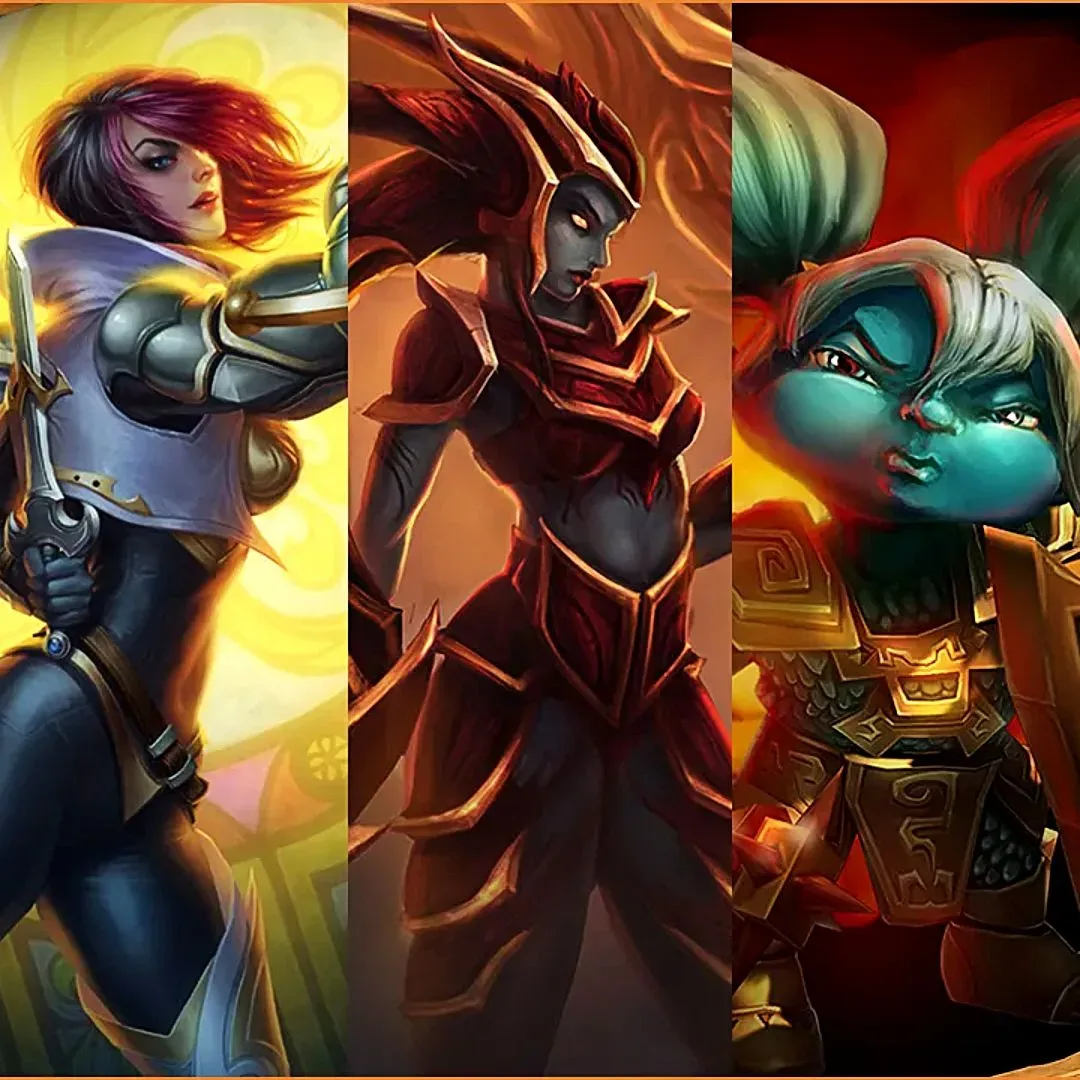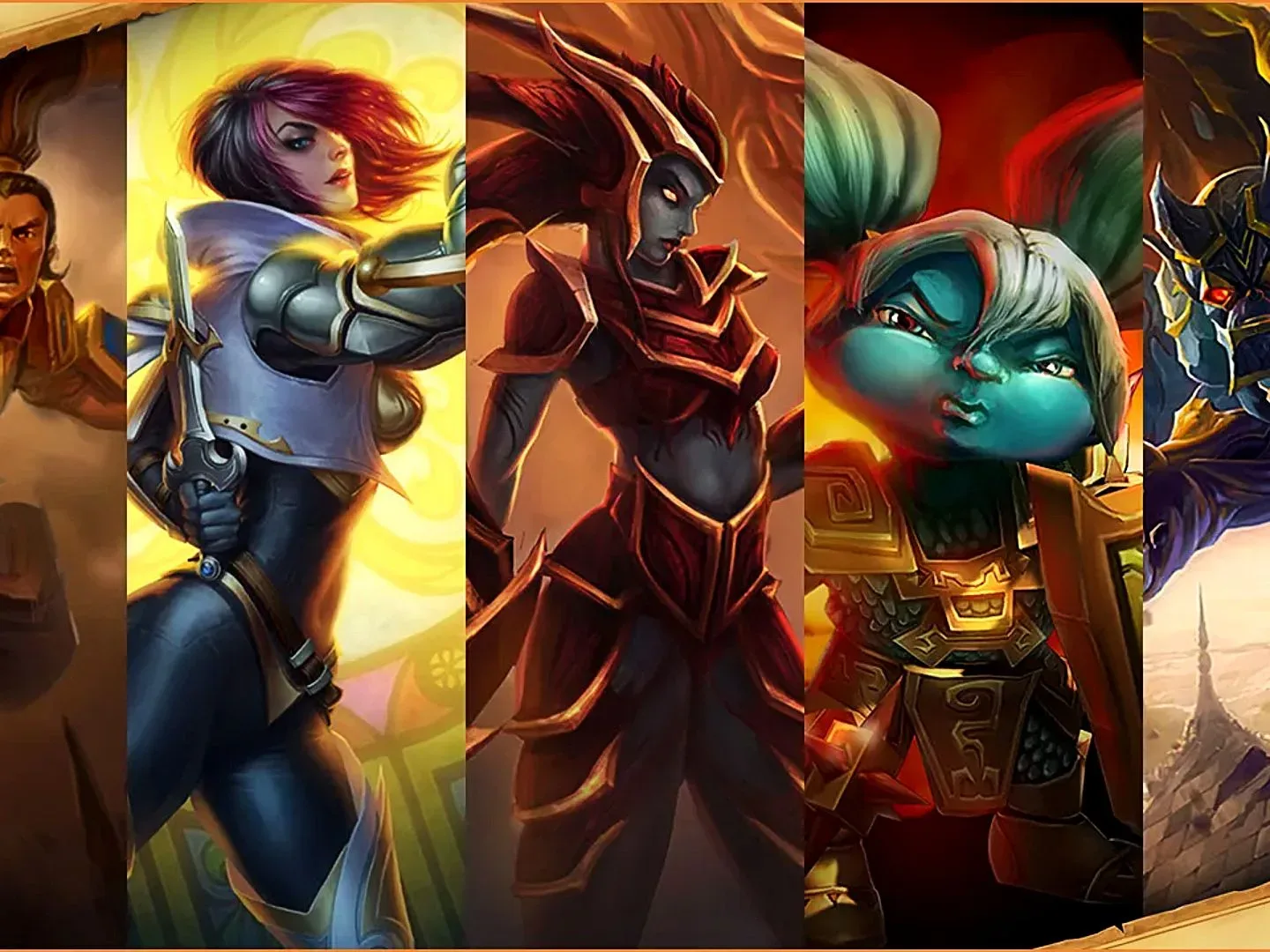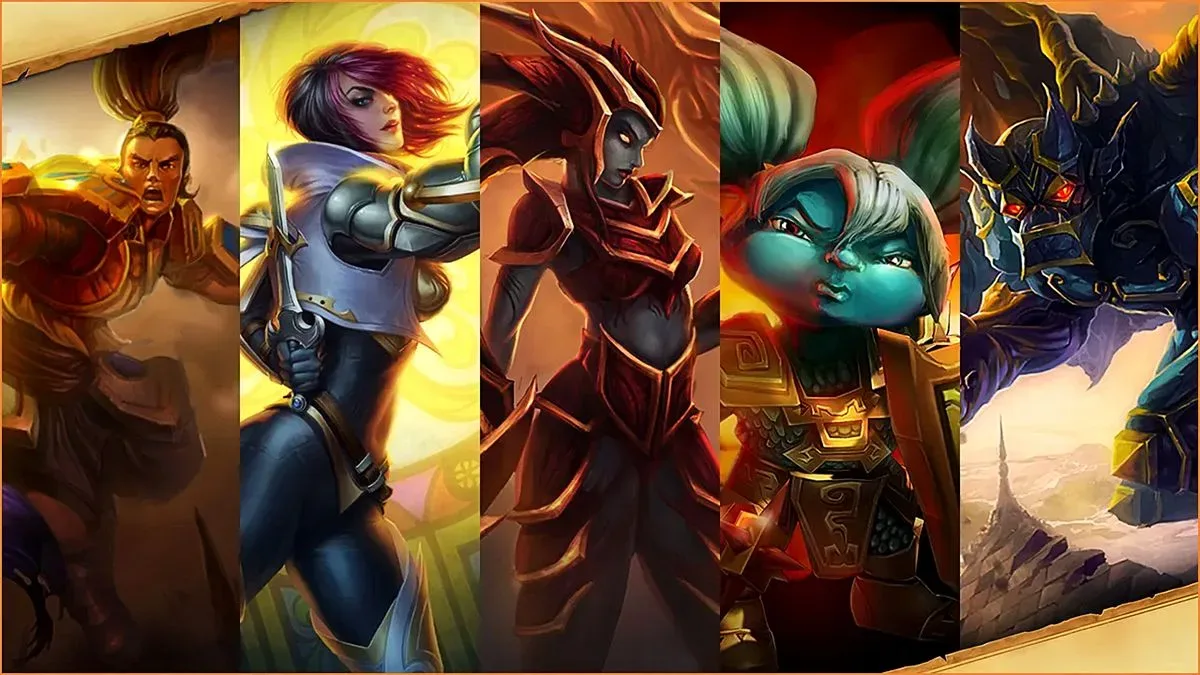
League of Legends Classic is already heading back into storage. Riot Games says the nostalgia-focused version of its long-running 5v5 MOBA will stay available through the end of the 2026 Season 3, then conclude its current run in January 2027.
The decision arrives less than three months after Classic launched. The mode was built around revisiting League of Legends’ earlier era, bringing back the original champions, items and systems that many longtime players remember. But Riot’s explanation for winding it down is straightforward: players enjoyed returning to that version of the game, yet most of them have since moved back to other parts of League.
That makes this a pause rather than an unequivocal goodbye. Riot says it wants to bring Classic back in the future, most likely as an event mode with adjustments and additions. For players with purchases tied specifically to Classic, the immediate practical question is what happens when the mode disappears—and Riot has outlined refunds for content that will no longer be usable.
When League Classic is scheduled to end
Classic is set to remain playable until the end of Season 3 of 2026. Riot identifies January 2027 as the point when that season wraps up and the current Classic run ends.
In a developer update, the studio characterized the project as a labor of love, while also acknowledging the player-behavior reality behind the decision. A revival of an older game state can be compelling as a reunion: it lets veterans revisit familiar choices and gives newer players a look at systems that helped define a genre. That does not necessarily mean it can hold a permanent audience alongside the current live game.
That distinction matters. League of Legends Classic was not presented here as a replacement for the evolving main game. It was an alternative built around a particular historical snapshot—original champions, items and systems—whereas the wider League ecosystem remains where many returning players ultimately chose to spend their time.
Riot’s stated plan is to put Classic away for now and explore a later return, likely as an event mode with changes and additions.
What happens to Classic purchases
Riot says it will issue refunds for Classic-specific content that will no longer be usable after the current run ends. The wording is important: it applies to content tied to Classic and made unusable by its closure, rather than establishing a blanket statement about every item associated with League of Legends.
Related coverage includes League of Legends Classic Will End Its Current Run in January 2027.
Players should also expect a change to the Classic Battle Pass and store before the mode closes:
- Act II of the Classic Battle Pass is scheduled to arrive in version 26.21 with a free track only.
- From version 26.21 onward, the Classic store will contain Champions, Runes and Rune Pages only.
- Refunds are planned for Classic-specific content that will no longer work once Classic’s current run ends.
A Battle Pass is a progression system that typically offers rewards through play over a set period. A free track means its listed progression rewards can be earned without a paid premium track. Meanwhile, Champions are League’s playable characters, and Runes and Rune Pages concern the pre-match choices used to shape a player’s setup.
The store restrictions suggest the remaining period is intended to be a managed wind-down, not an extended push for new Classic-specific monetization. The free Act II track and narrower store inventory give existing players time with the mode while limiting the number of purchases that could become complicated when support ends.
Classic still has updates left before January
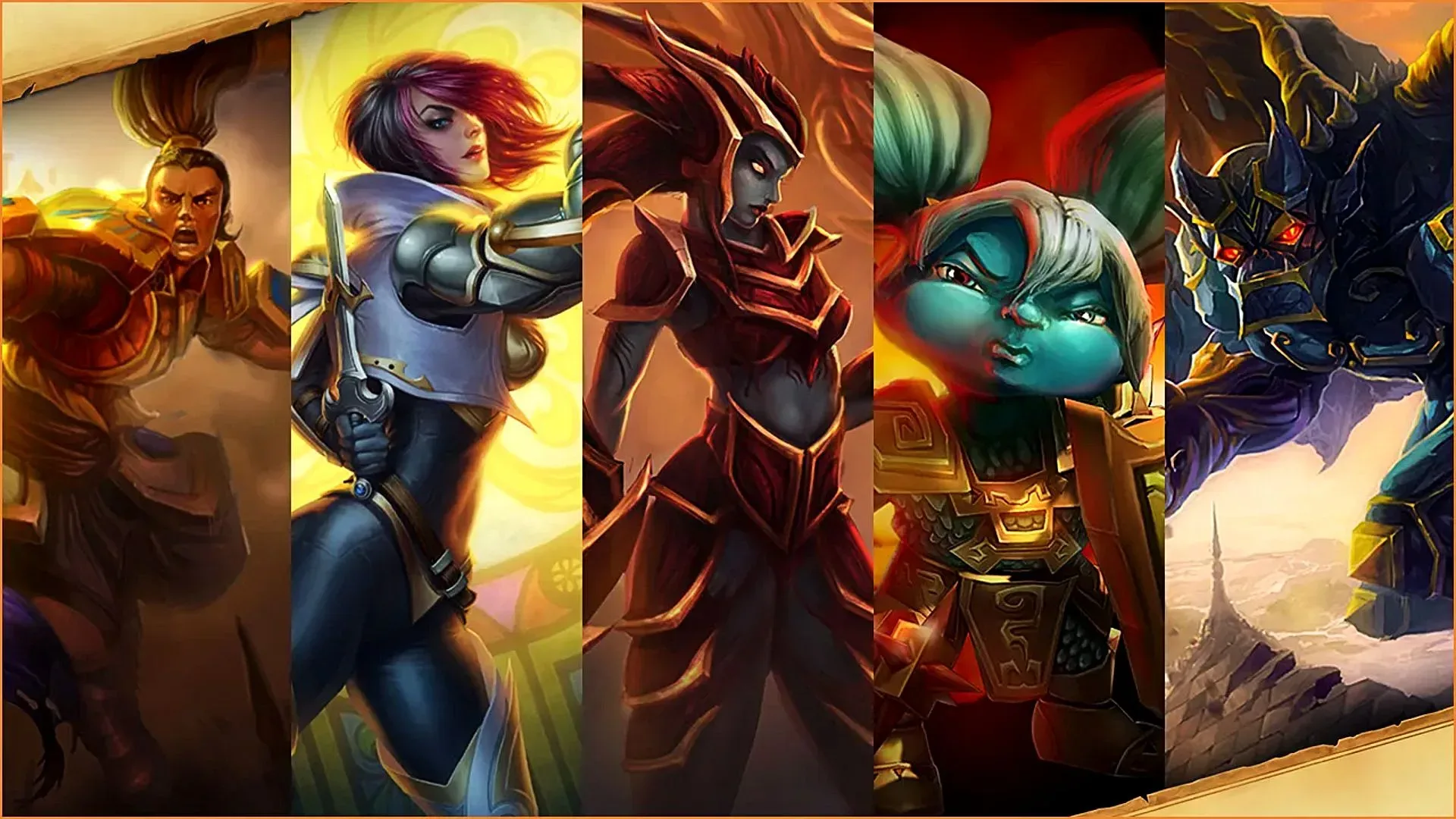
The shutdown plan does not mean the team is immediately freezing the version in place. Riot says it is still working on Classic and that players can expect more “new (old) champions” to join its roster. In other words, there is still content planned within the remaining 2026 Season 3 window.
The phrase captures the unusual job of a classic mode. Additions may be new to the Classic rollout while being old in the broader history of League of Legends. For devoted players, that can preserve the appeal of rediscovering a past era over time rather than treating the launch roster as a museum exhibit that never changes.
It also explains why the prospect of an eventual event-mode return is not identical to maintaining a separate, permanently supported game. An event mode is a limited-time format within a larger game service. If Classic returns that way, Riot says it expects adjustments and additions rather than simply reopening the exact same version without alteration.
Why the mode is being paused so soon
The available explanation is about where players are spending their time, not a claim that nobody enjoyed Classic. Riot specifically says it saw people having fun revisiting the old days. The problem, from a continuing-support perspective, is that the bulk of those players apparently returned to other areas of League.
That is a meaningful difference. A nostalgia project can generate considerable interest at launch and still struggle to sustain a distinct ongoing community. Classic’s premise is especially dependent on shared participation: League is a team-based competitive game, so its appeal is shaped not only by familiar systems but also by whether enough people continue to queue for and engage with the mode.
The developer has not supplied detailed public figures in the information available here, such as active-player counts or match-volume data. So it would be a mistake to turn “most have gone back” into a precise measurement, or to claim that every player has left. The confirmed point is narrower: Riot believes the current pattern does not justify keeping Classic running in its present form after the season ends.
What players can reasonably do now
For anyone still playing Classic, the practical timeline is clear: it remains available through the end of 2026 Season 3, with the current run ending in January 2027. Players interested in its remaining roster additions can continue to watch the mode during that period, while keeping in mind that the Battle Pass moves to a free track in 26.21 and the store will be limited from that version onward.
Those who made Classic-specific purchases should pay close attention to Riot’s refund process and eligibility details as they are provided. The commitment currently on the table is for content that will no longer be usable; it does not provide a broader item-by-item policy in the information released so far.
For a wider look at how a current live-service game can face player-facing progression and quest issues, see our coverage of a Diablo 4 seasonal patch and its workaround.
League Classic’s short first run therefore ends on a bittersweet note. It successfully gave some players a route back to League’s earlier systems, but it did not keep enough of that audience away from the rest of League to remain in continuous operation. Riot’s proposed answer is not to abandon the idea entirely, but to reconsider the format—and potentially bring it back later with a more event-like structure and revised content.