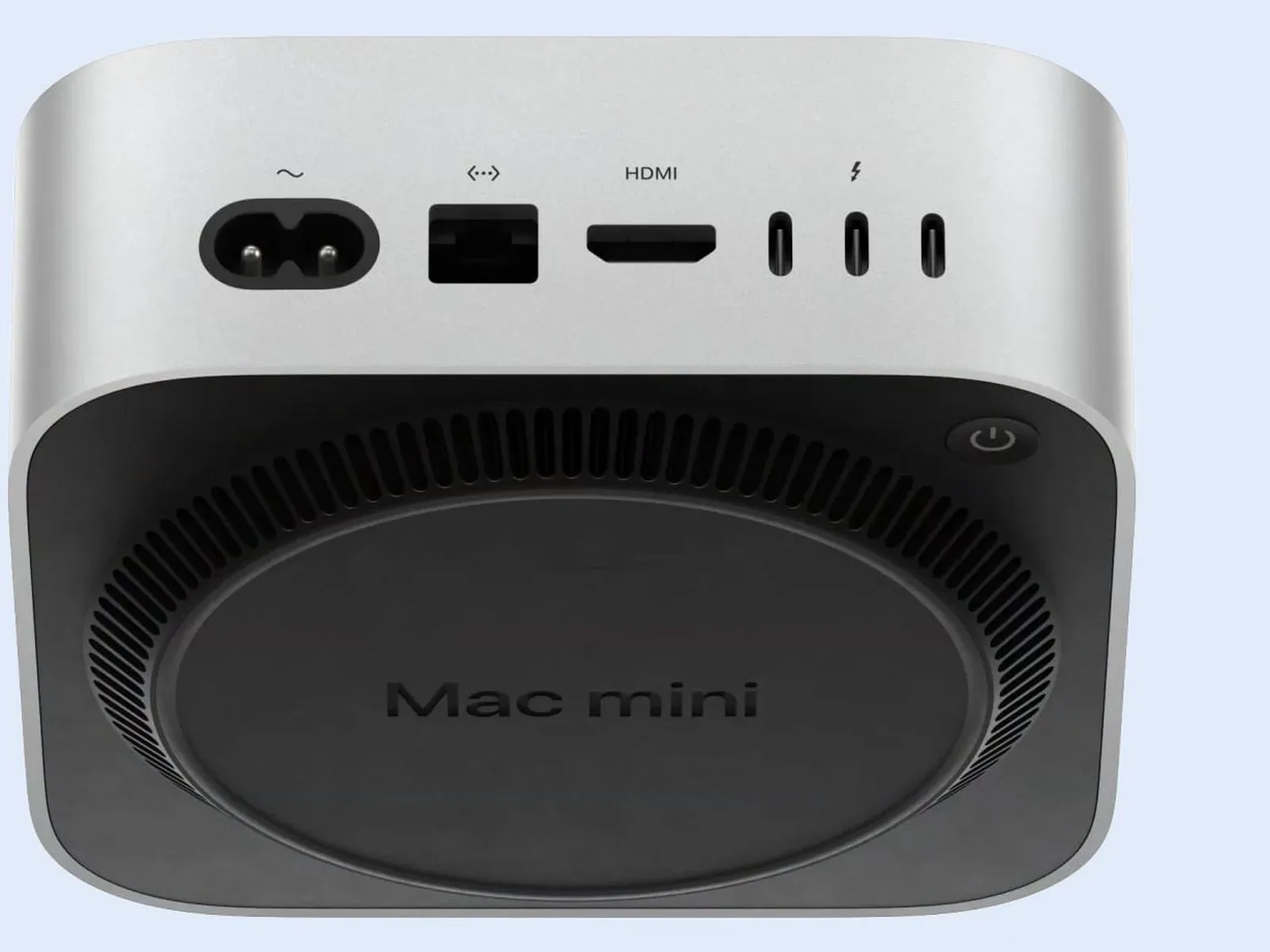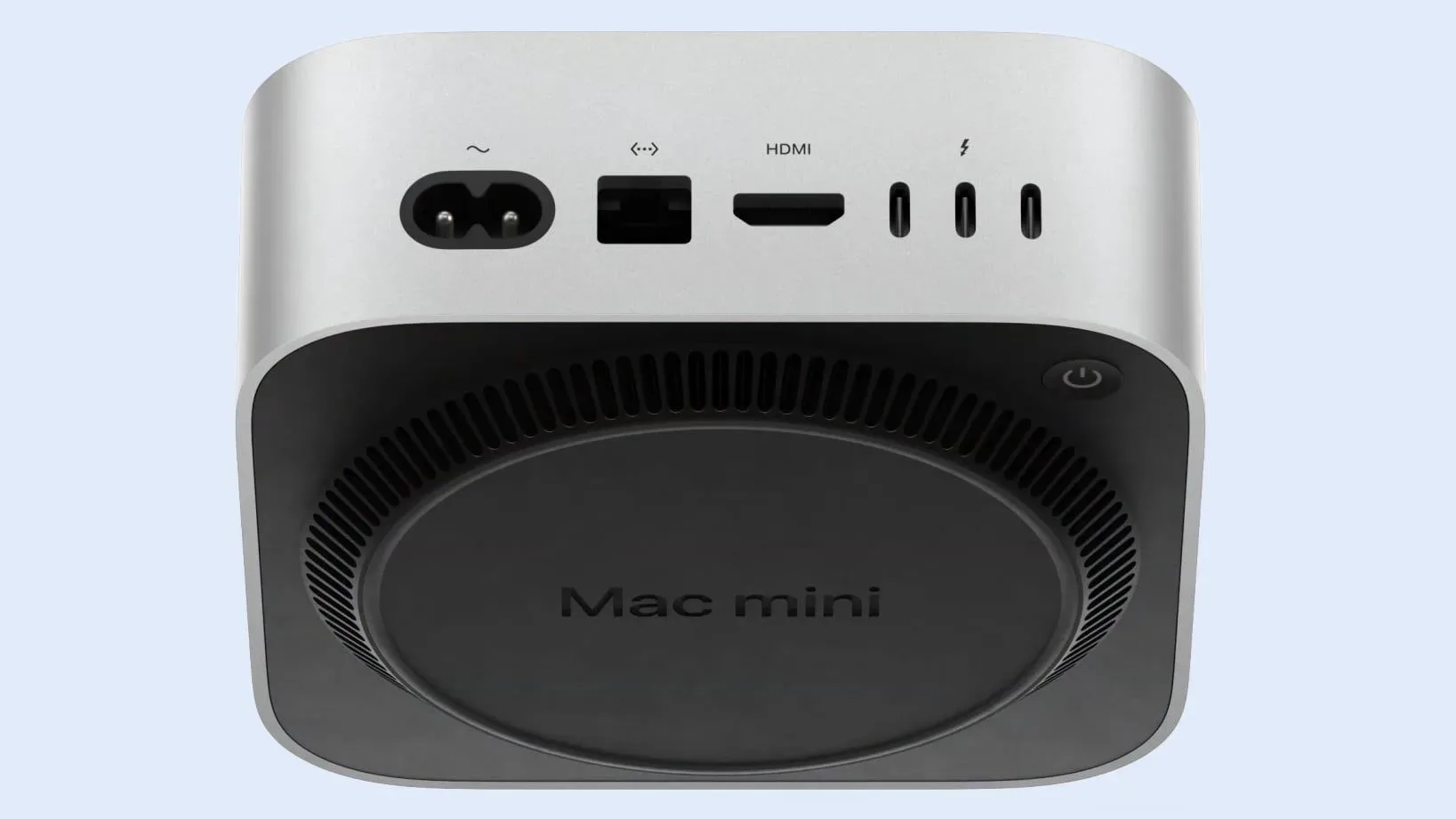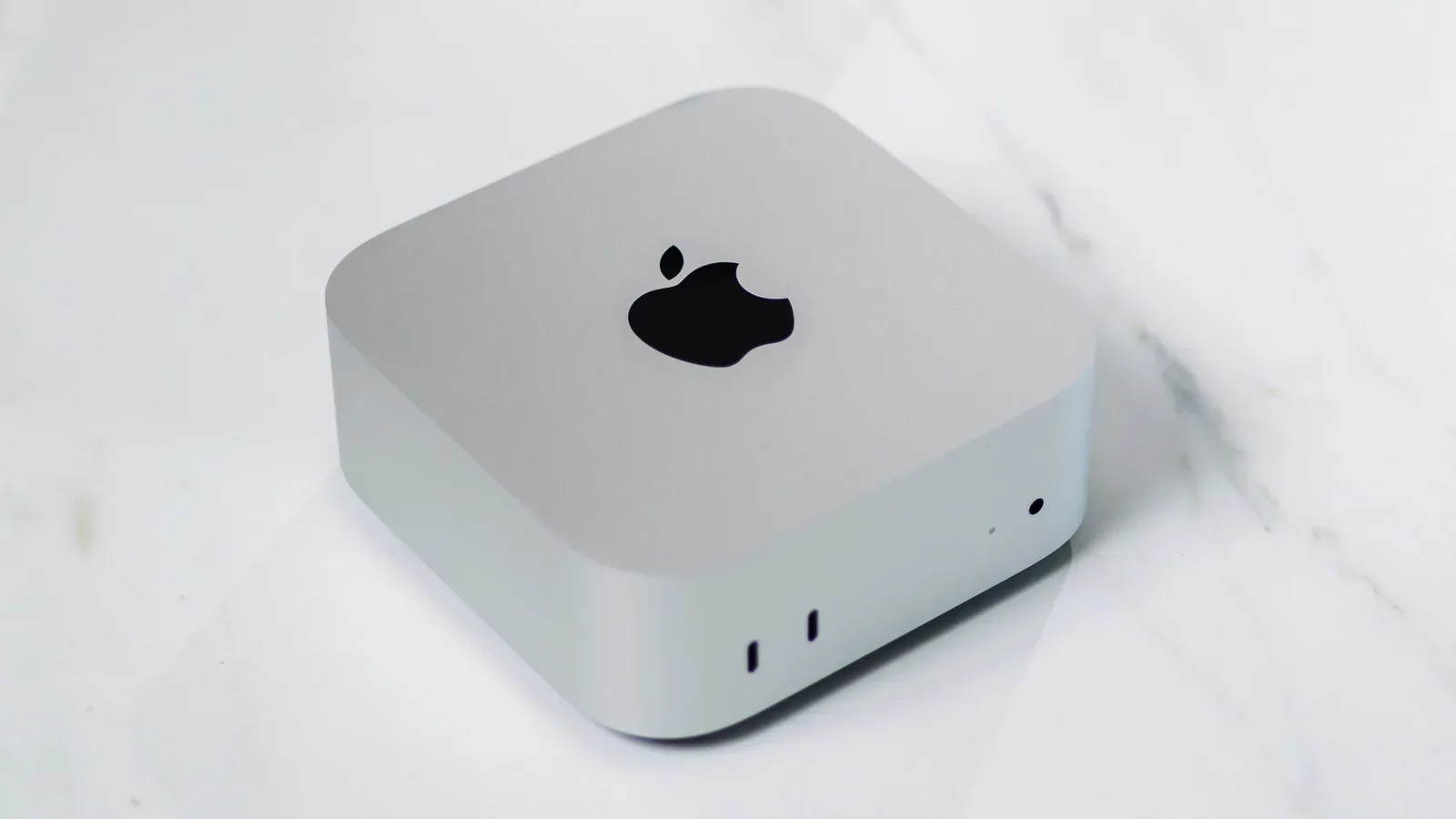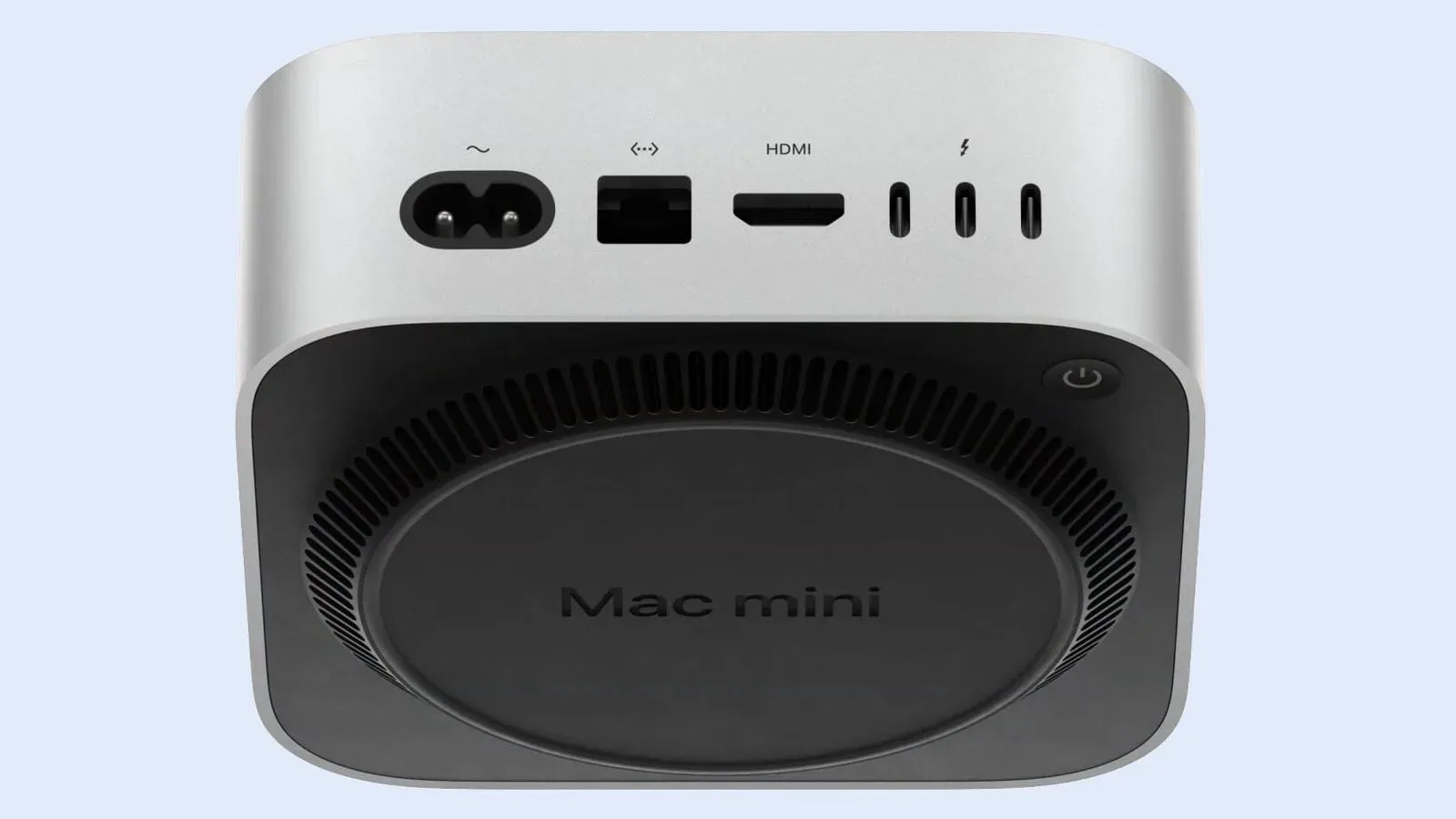
Apple says assembly of the Mac mini will begin in the United States later this year, with Foxconn expected to handle the work at a facility in Houston, Texas. The commitment was reiterated as part of Apple’s latest American Manufacturing Program plans.
The key detail for prospective buyers is geographical rather than product-related: Apple operations chief Sabih Khan has said that U.S.-assembled Mac mini units are primarily intended for the U.S. market. Mac mini production is expected to continue in Asia for orders placed outside the country.
What Apple has actually said
The announcement concerns assembly of the Mac mini. In hardware production, assembly generally means bringing parts and subassemblies together into the finished computer, followed by applicable testing, packaging, and shipment processes. It does not, by itself, establish that every component inside the system is made in Texas or even in the United States.
That distinction matters because a compact desktop contains a broad set of parts and materials, potentially originating from different suppliers and regions before final assembly. Apple’s statement is therefore a commitment about where a stage of the Mac mini production process will take place, not a detailed component-by-component map of its supply chain.
Foxconn is the company expected to build the computer at the Houston facility. Apple has not provided, in the information available here, a start date beyond “later this year,” output figures, a list of configurations to be assembled there, or an explanation of how shoppers would identify a U.S.-assembled unit before purchase.
A domestic supply path for U.S. orders
Khan’s earlier comments provide the clearest outline of the regional plan. Mac mini units assembled in the U.S. are expected to chiefly serve customers in the U.S., while Asian production continues to serve customers placing orders abroad.
That does not necessarily mean every Mac mini sold to an American buyer will be assembled in Houston. Apple’s wording describes the primary destination for U.S. assembly rather than an exclusive rule. Likewise, it does not imply that international customers will lose access to the product; production in Asia is set to continue for those markets.
For buyers, the immediate practical takeaway is modest. There is no stated change to the Mac mini’s capabilities, configurations, pricing, release schedule, or supported software. Anyone shopping for a small desktop should still evaluate the machine on the usual factors: the performance needed for their work or games, memory and storage needs, display and peripheral connections, and their preferred operating system and software library.
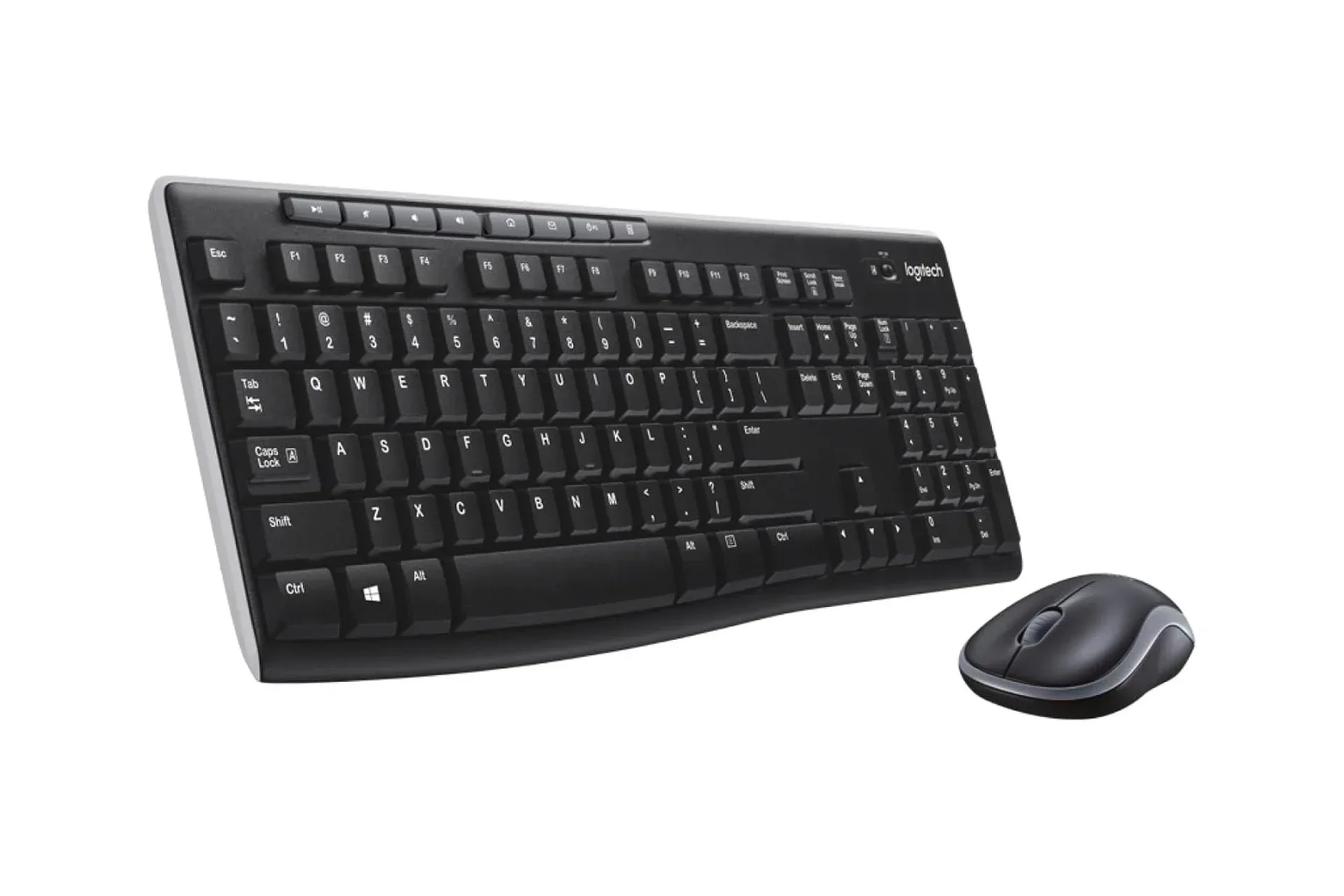
Those building a compact desk setup may also want to plan the surrounding hardware rather than treating the computer as a standalone purchase. A keyboard and mouse remain central to a desktop workflow; Joking Joystick has also covered a wireless keyboard and mouse combo listing for shoppers comparing basic peripherals.
Why the Mac mini is a notable product for this move
The Mac mini is Apple’s compact desktop computer. Unlike a laptop, it is designed to sit at a fixed workspace and be used with separate display, keyboard, mouse, speakers, storage, and other accessories as required. Unlike an all-in-one desktop, its monitor is not built in. That makes the wider setup flexible, but it also means purchase decisions can extend beyond the computer itself.
For people who play games on a computer, “desktop” should not automatically be read as “gaming PC.” The information about the U.S. assembly plan does not announce new gaming specifications, new game support, upgraded graphics hardware, or any other performance change. It is a manufacturing and logistics update, not a Mac mini refresh.
Still, the Mac mini has a natural place in conversations around desk-based digital entertainment. A compact computer can be part of a living-room, streaming, creative, productivity, or game-adjacent setup depending on the software and accessories a person uses. The Houston plan is relevant to that audience chiefly because it adds another U.S. assembly location to Apple’s supply arrangement for a small desktop product.
Assembly is not the same as a new product launch
Manufacturing news can easily sound like a consumer product announcement, but the two are different. A product launch normally establishes a model, specifications, availability, price, and release timing. This update establishes none of those consumer-facing details. Apple has instead communicated that final Mac mini assembly in Houston is expected to start later this year.
It also would be premature to infer any specific delivery-speed, inventory, or price effect from the planned location. A U.S. assembly site could become one part of the company’s domestic fulfillment path, but Apple has not stated how the Houston operation will affect shipping times, retailer supply, pricing, or order allocation. Those outcomes depend on details that have not been provided, including production volume and operational scheduling.
Similarly, the announcement should not be interpreted as an all-or-nothing relocation of Mac mini production. Apple has explicitly indicated that Asian production will remain in place for orders outside the U.S. The supplied information describes a split regional approach, with U.S. assembly primarily serving the domestic market and continued Asian production serving international orders.
What remains unknown
- Exact start date: Apple has said later this year, without naming a day or month.
- Production volume: No number of Mac mini units or expected capacity has been disclosed.
- Configuration coverage: It is not specified which Mac mini models, memory options, or storage options will be assembled in Houston.
- Retail identification: There is no stated guidance on whether U.S.-assembled units will be identified in product listings or packaging.
- Customer impact: Apple has not announced different pricing, performance, availability, or shipping terms tied to the assembly location.
Those unknowns are important guardrails. The announcement has clear significance as a production commitment, but its direct effects for individual shoppers cannot yet be measured from the available details.
What to watch next
The next meaningful update would be confirmation that the Houston line is operating, along with more detail on the scope of the work. Information about capacity, the configurations involved, or how U.S.-assembled stock reaches customers would make the consumer implications easier to assess.
For now, Apple’s position is straightforward: Mac mini assembly in the U.S. is planned to begin later this year, Foxconn is expected to perform that assembly in Houston, and the resulting units are primarily intended for the U.S. market. Production in Asia is expected to continue for buyers elsewhere.