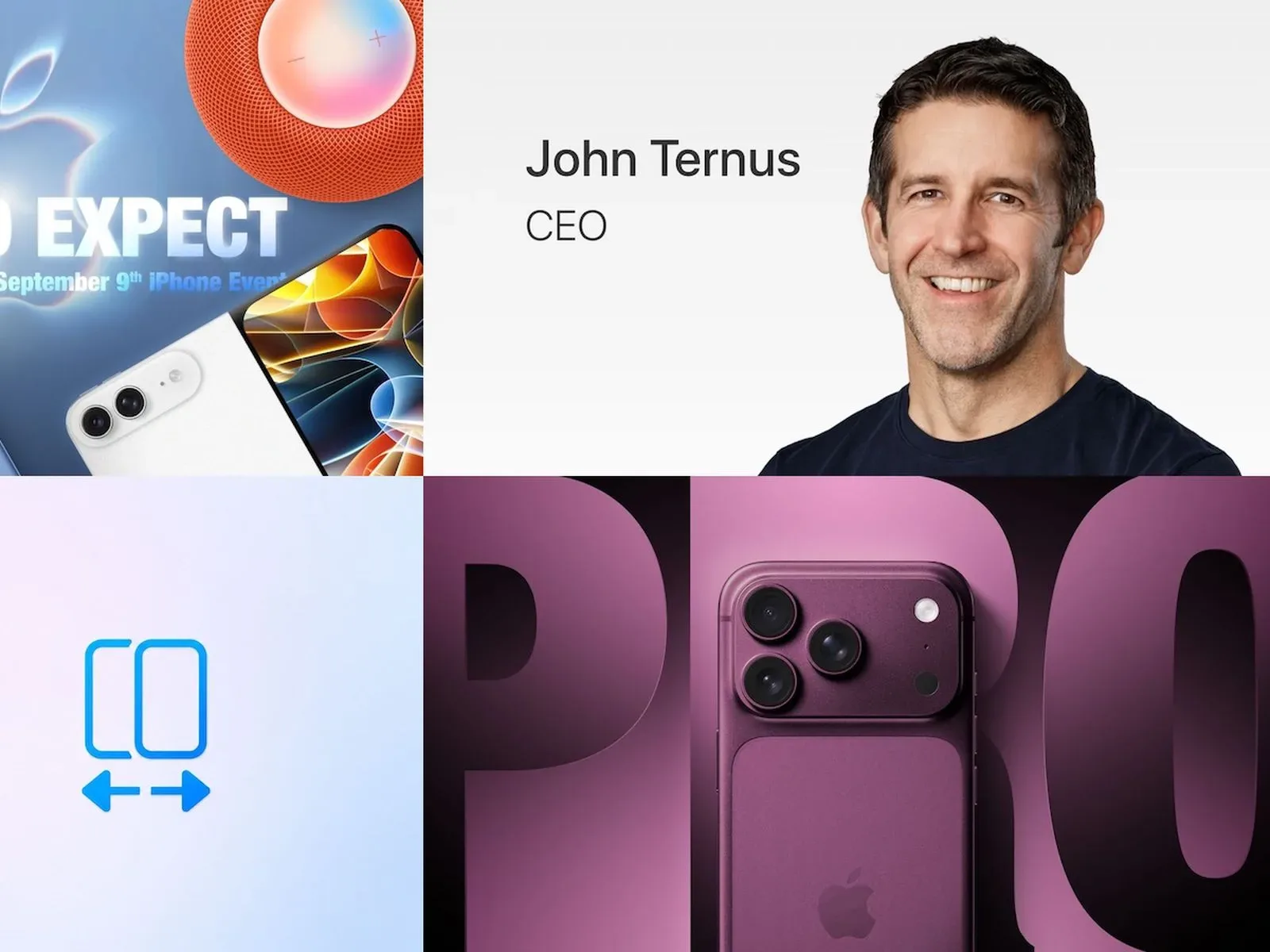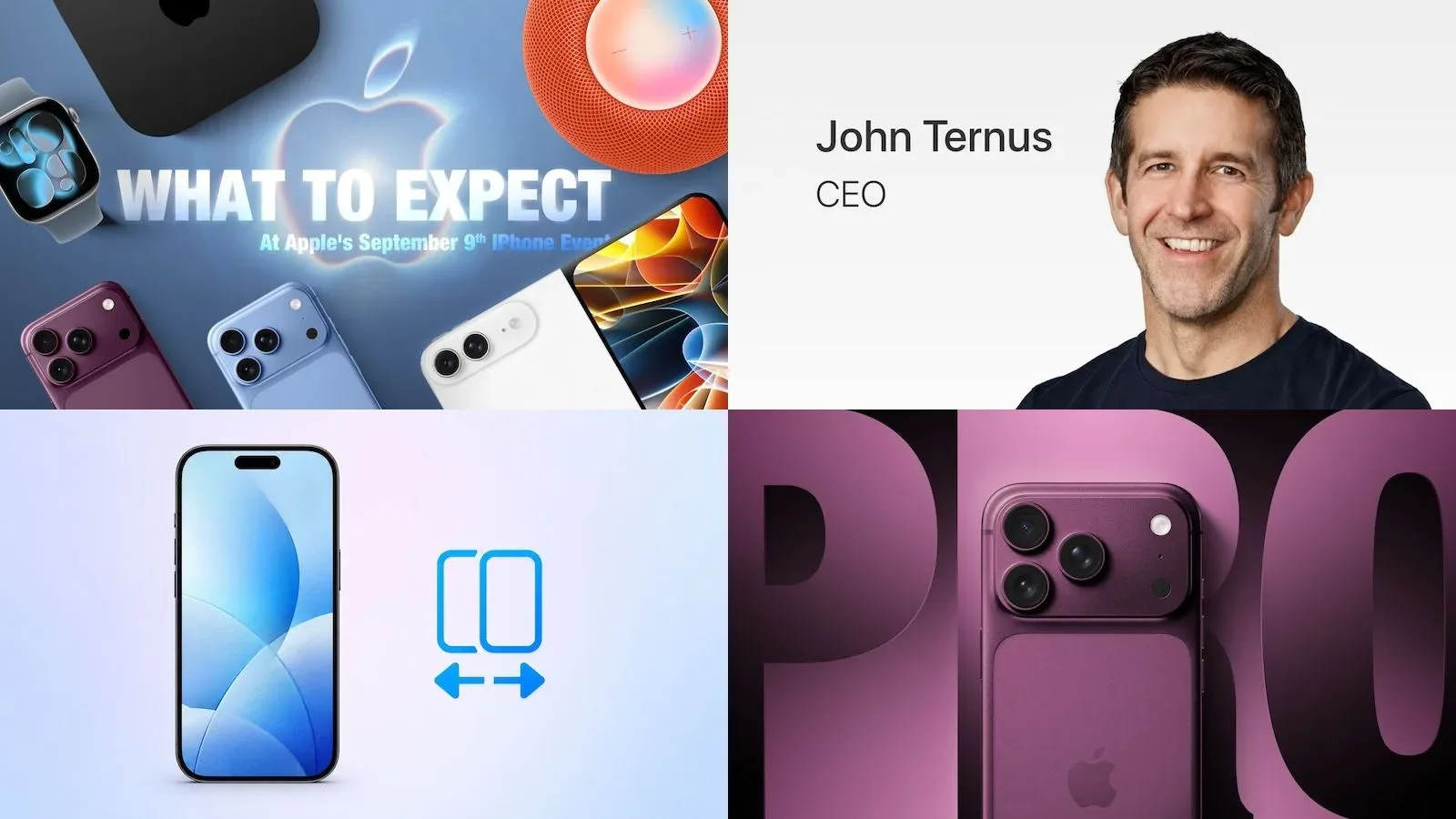
Apple’s September hardware showcase is scheduled for Wednesday, September 9, at 10:00 a.m. Pacific Time, and the stakes appear unusually high even by the company’s annual-launch standards. The presentation, branded “Surprise and Shine,” is expected to introduce the 2026 iPhone lineup, with the biggest change reportedly being a long-rumored foldable handset expected to join the familiar slab-style phones.
The expected phone family includes the iPhone 18 Pro and iPhone 18 Pro Max, plus a foldable device that has been referred to as the iPhone Ultra. New Apple Watch models and a new AirPods lineup are also anticipated. Beyond that, the event could still hold additional surprises, though no further products are confirmed by the available information.
That product moment lands during a consequential week for Apple itself. Tim Cook has stepped down as chief executive after 15 years in the role, with former hardware engineering chief John Ternus becoming CEO. Cook is set to remain involved as Executive Chair. At the same time, signs point to shifts in iPhone-to-device connectivity in iOS 27, and desktop Mac demand linked to AI workloads has apparently helped alter the company’s normal hardware timing.
A foldable iPhone would be the central hardware story
For years, foldable iPhone speculation has occupied the same strange place as a mythical unlockable character: constantly discussed, endlessly imagined, but never available on the roster. The September 9 event is expected to change that, with Apple preparing to show its first foldable phone alongside its conventional iPhone models.
The reported iPhone Ultra matters because it would represent a new physical format rather than an annual revision of a well-established design. Foldables force their makers to reconcile durability, thickness, battery capacity, cameras, display quality and the mechanics of a hinge. The available details indicate that Apple’s model will make some compromises to pursue an ultra-thin body, although the exact trade-offs have not been specified.
One capability that had seemed potentially endangered by the thin-profile approach was MagSafe. More recent information, however, suggests that the foldable iPhone Ultra will likely retain MagSafe charging. If that proves accurate, it would be meaningful for people who already use Apple’s magnetic charging and accessory ecosystem. It would also signal that Apple intends the foldable to fit into its existing iPhone routines rather than behave as an experimental side branch with a dramatically reduced feature set.
“Likely” remains the appropriate word here. Until Apple presents the device, its final name, specifications and feature list should all be treated as unconfirmed. It is reasonable to expect attention to focus immediately on how the device folds, how thin it is, and what hardware concessions were required to get there.
iPhone 18 Pro timing may not follow the usual pre-order script
Apple’s event date is known, but the timing of iPhone pre-orders may be less routine than normal. The company has commonly opened orders at 5:00 a.m. Pacific Time on the Friday after its September presentation. This year, that Friday coincides with the 25th anniversary of the September 11 terrorist attacks.
That calendar overlap means the standard early-morning opening could change. No alternative time has been confirmed, so prospective buyers should avoid assuming that the usual launch-day alarm clock will apply. The practical point is simple: a September 9 introduction does not automatically establish the exact ordering schedule for the new hardware.
This is worth keeping in mind for every expected iPhone in the lineup, not just the Pro models or the foldable. Launch-day demand often makes timing important, particularly for a new form factor that may attract buyers who have waited through several generations of foldable phones elsewhere in the market. But speculation about demand, stock levels or release dates should not be mistaken for a confirmed ordering plan.
Apple’s CEO handoff gives the event extra weight
Hardware events are usually built around devices, software features and slickly controlled product demonstrations. This one arrives as Apple navigates a change at the top. John Ternus has taken over as CEO, succeeding Tim Cook, whose 15-year tenure as chief executive has ended. Cook will continue as Executive Chair.
Ternus comes from the hardware side of Apple, having led hardware engineering before becoming CEO. That background makes the timing particularly notable: his first days in the job overlap with a showcase expected to include Apple’s first foldable iPhone and a new generation of the company’s flagship phones.
It would be premature to read a product strategy into a leadership change or to assume a new CEO’s arrival will immediately alter Apple’s launch habits. Still, the overlap offers a clear snapshot of Apple’s current priorities. The company is moving into a potentially new iPhone category while managing an established ecosystem spanning watches, earbuds, Macs and cross-device software. Ternus inherits a business where the next major hardware question is not merely how to improve a rectangle, but how to expand beyond one.
iOS 27 points toward a more connected phone number
Apple briefly referenced an iOS 27 ability at WWDC in June: the option to share a phone number between devices. More information now indicates how that feature, described as “iPhone Handoff,” is expected to work, though the full implementation details have not been laid out here.
The broad idea fits neatly with Apple’s long-running effort to make its devices operate as a single ecosystem. Mac, iPad, Apple Watch and iPhone owners already encounter various forms of continuity, from handoff functions to shared messaging and calling tools. Extending a phone number between devices would push that approach further, potentially making the distinction between the iPhone holding a number and the other Apple hardware around it less rigid.
There are naturally unanswered questions. Supported devices, carrier requirements, regional limits, setup steps and the precise user experience all matter as much as the headline feature. Those details will determine whether iPhone Handoff feels like a useful everyday convenience or a capability that only a narrow slice of users can access. For now, the key takeaway is that iOS 27 is positioned to add another layer to Apple’s device-to-device continuity.
AI computing demand has reshaped the Mac conversation
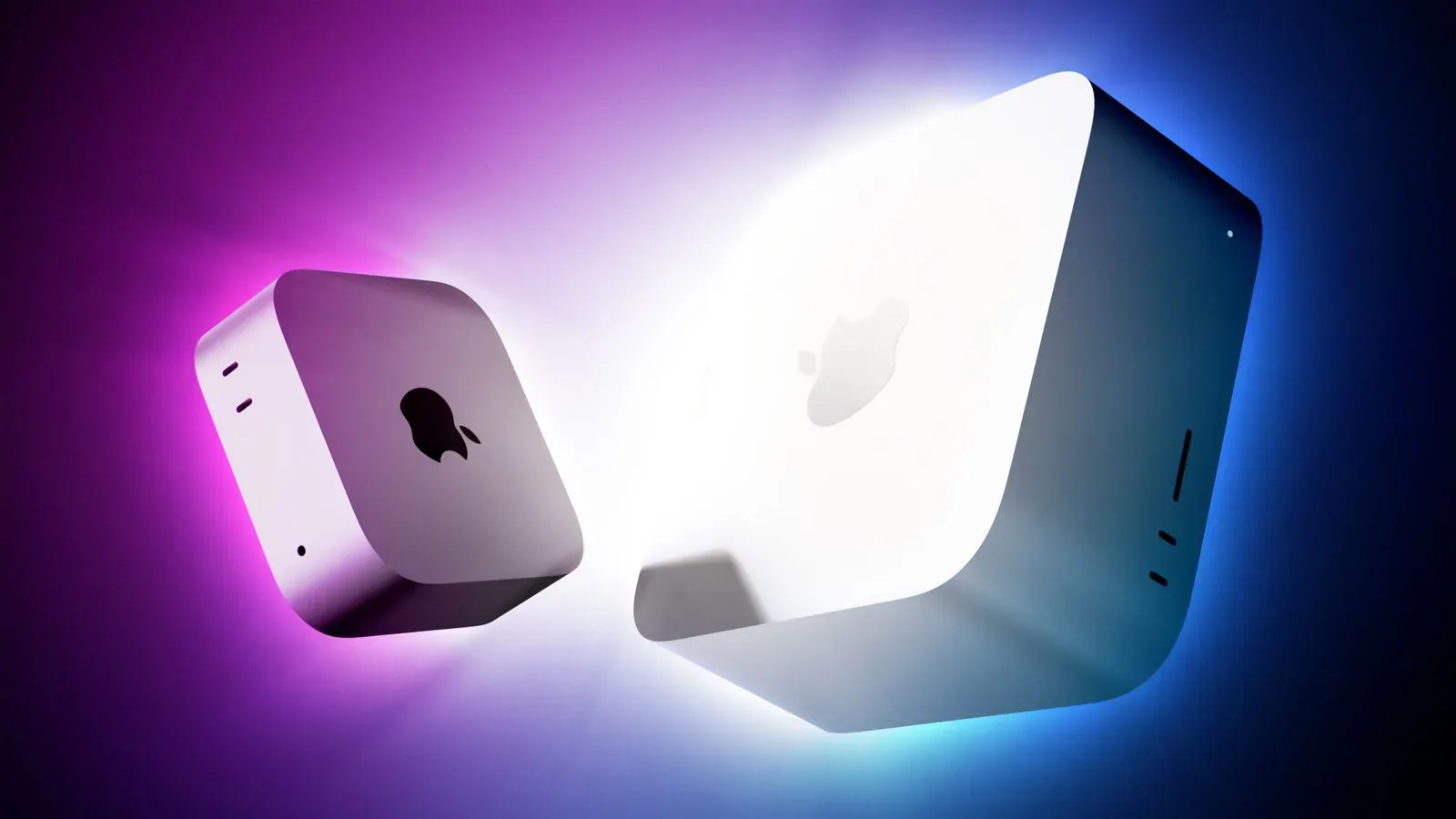
While iPhones usually command the September spotlight, Apple’s desktop machines have become an important parallel story. The company announced new Mac mini and Mac Studio models last week, a departure from its more typical autumn Mac cadence closer to October or November.
The reason appears to be sharply increased enterprise demand for Mac hardware used to run AI models. That rush has arrived alongside a global memory shortage, creating a difficult combination for buyers: powerful desktop configurations have faced strong demand while key components have been constrained. Many Mac mini and Mac Studio configurations were out of stock for months.
Moving updated desktop announcements earlier appears aimed at giving Apple a route to better performance and higher production volumes. It also underlines that AI’s hardware effects are not limited to vast data centers and graphics-card headlines. Organizations looking to run models have been pushing on the availability of compact desktops as well, and Apple’s systems have become part of that supply story.
For people assessing a Mac purchase, the change in timing is a reminder to look beyond a traditional seasonal expectation. A new model does not guarantee immediate availability in every configuration, especially when memory pressures remain part of the wider market. Storage capacity deserves similar attention before buying into a new desktop workflow; our guide to checking MacBook storage health before files hit a game-over screen covers a related maintenance concern for existing Apple hardware.
What to watch when the presentation begins
The September 9 presentation has several distinct threads, but they all circle the same larger question: how does Apple broaden its hardware lineup while making its devices feel more interconnected and keeping pace with AI-driven computing demand?
- Foldable details: Watch for the device’s official name, its folded and unfolded design, and confirmation of MagSafe support.
- The conventional iPhones: The iPhone 18 Pro and iPhone 18 Pro Max remain expected parts of the 2026 lineup, even with the foldable drawing the headlines.
- Companion hardware: New Apple Watches and AirPods are anticipated, but their specific features remain to be confirmed.
- Order logistics: Pre-order timing could depart from the familiar 5:00 a.m. Pacific Friday pattern because of the date involved.
- Software continuity: iOS 27’s phone-number-sharing feature may reveal how Apple plans to deepen its multi-device experience.
- Desktop supply: The Mac mini and Mac Studio situation shows how enterprise AI demand and memory availability can influence consumer-facing launch timing.
There is plenty of room for the “Surprise” portion of Apple’s event branding to earn its name. Yet even the currently expected slate is substantial: a first foldable iPhone, annual flagship phones, wearable updates, a new CEO, evolving iOS connectivity and a desktop business responding to AI-era pressure. September 9 will offer the first official answers—and, just as importantly, clarify which of the remaining questions stay folded shut.