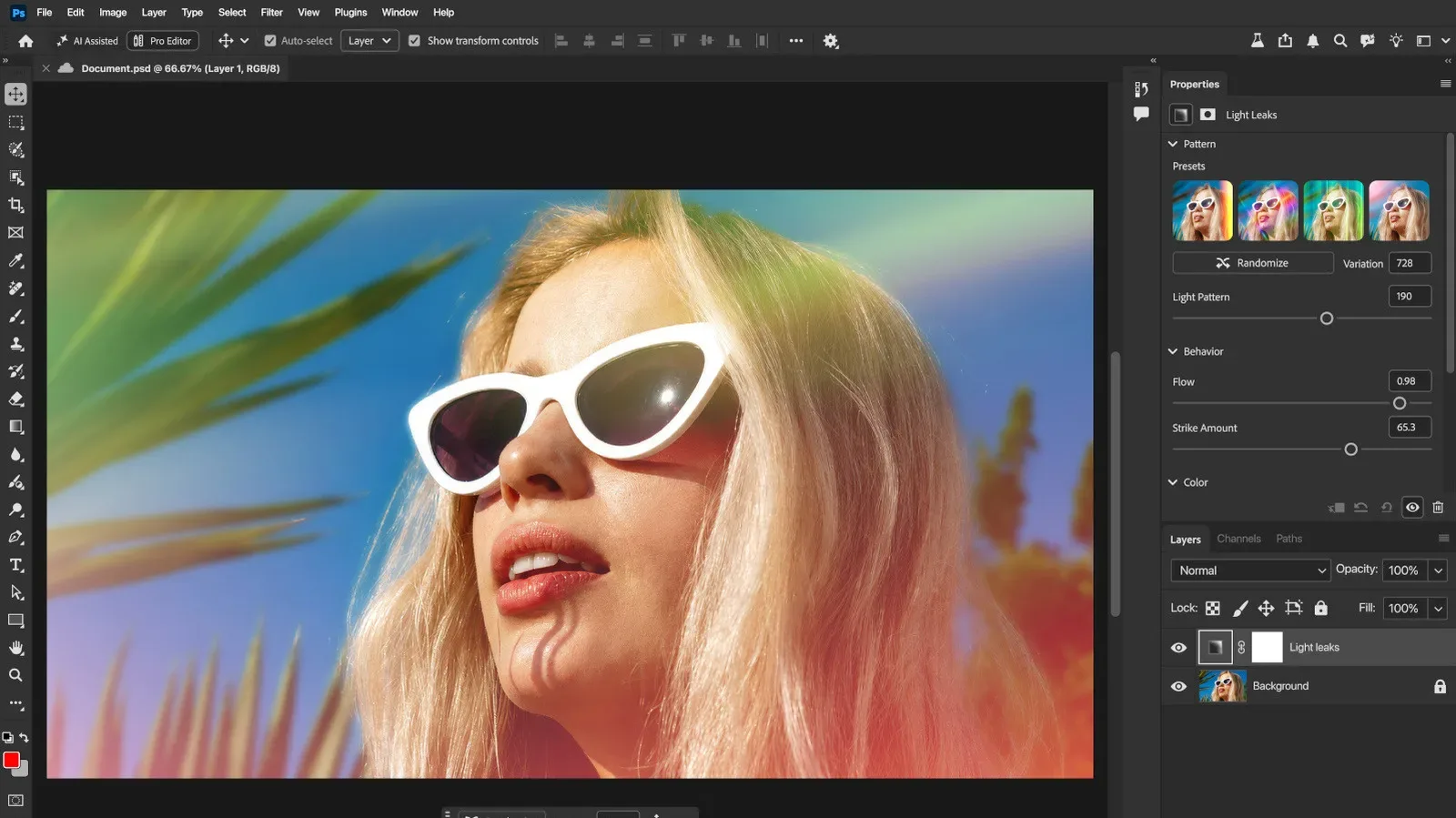
Adobe has reworked Photoshop, Premiere and Substance 3D Painter to better use NVIDIA’s RTX Spark platform, a system-on-chip aimed at Windows laptops and compact desktops that run AI work locally. The company says the optimized creative applications can deliver twice the speed in AI tasks and editing workflows, although that figure is a company claim rather than an independently established benchmark.
The update matters less as a flashy new button than as a change to how familiar creative tools are expected to behave on compatible machines. Adobe’s focus is on responsiveness: faster rendering, faster application of effects, quicker AI-assisted operations and less waiting while projects are opened, saved or exported. For image, video and 3D artists, those pauses can break concentration just as surely as a software crash—only with more progress bars and fewer dramatic error noises.
What RTX Spark is designed to do
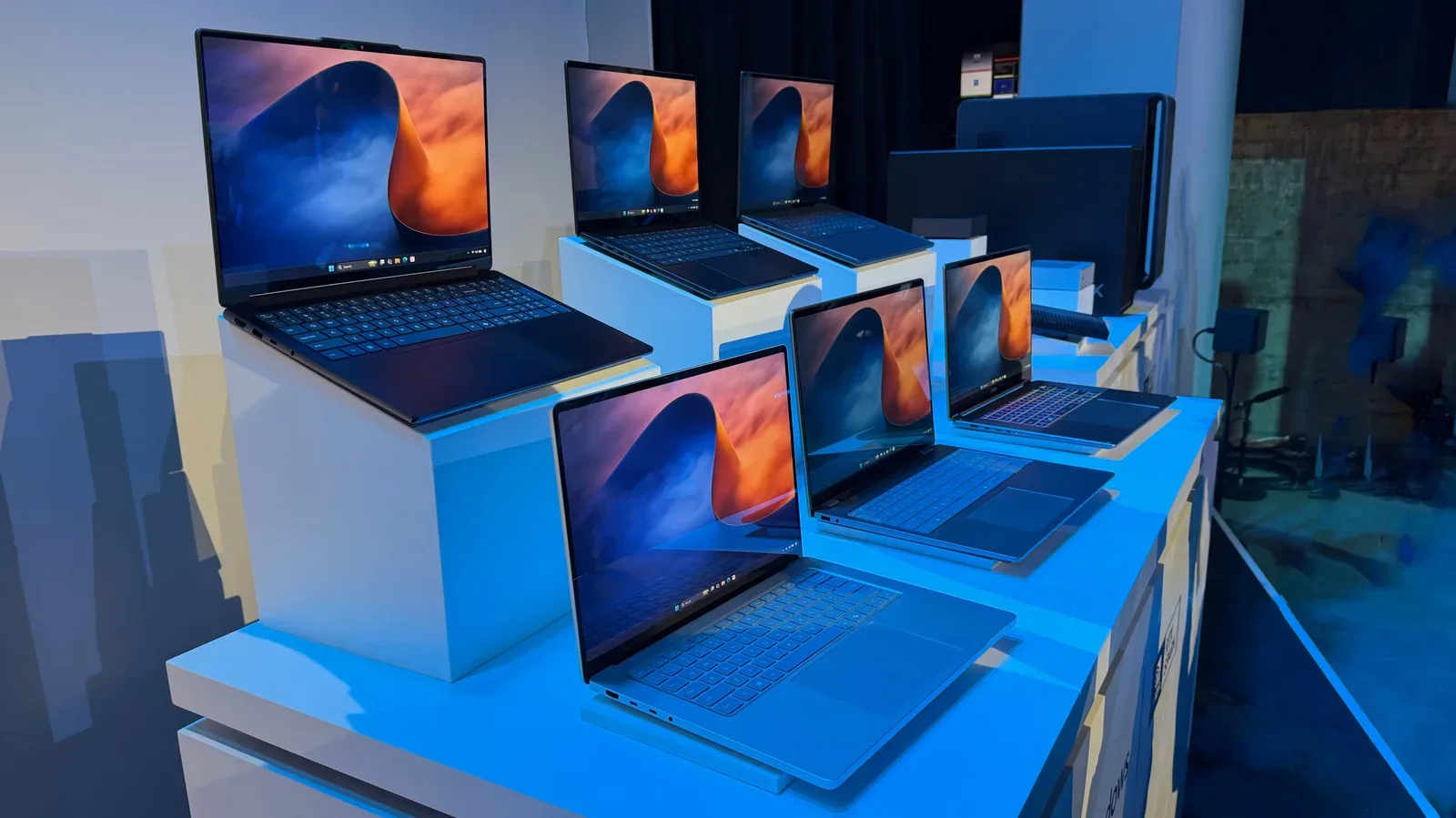
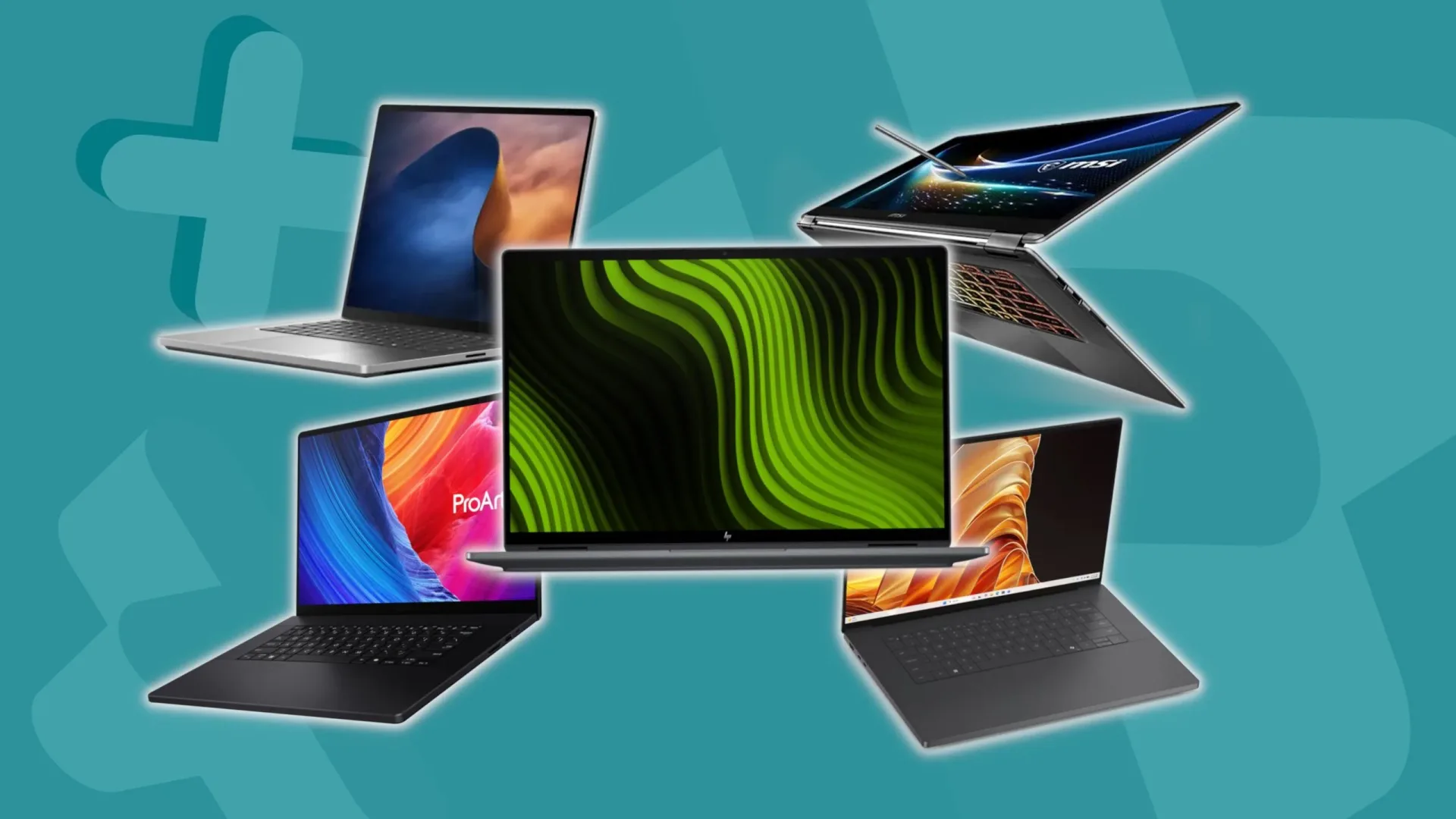
RTX Spark is NVIDIA’s system-on-chip, or SoC, intended to bring local AI processing to Windows laptops and small-form desktops. An SoC combines major processing functions into a tightly integrated chip platform. In this case, the practical point is that supported AI-related work can be handled on the device rather than necessarily being sent elsewhere for processing.
That makes RTX Spark distinct in positioning from NVIDIA’s DGX Spark systems, which are chiefly geared toward companies and AI developers. RTX Spark is being framed for creatives and novice developers: people who need capable performance in everyday professional applications, rather than only those building or operating AI infrastructure.
Local AI is a useful term to unpack. It means the computational task runs on the computer in front of the user. Whether a particular feature uses local resources can depend on the application and workflow, but the broad attraction is simple: a sufficiently capable PC can perform suitable AI-enhanced operations without the interaction necessarily hinging on remote processing. Adobe’s RTX Spark work is therefore about matching software workflows to the available on-device hardware.
For a broader look at what the platform could mean for Windows creator and gaming machines, see our examination of NVIDIA RTX Spark’s potential and caveats for Arm Windows PCs.
Photoshop: feedback during complex image edits
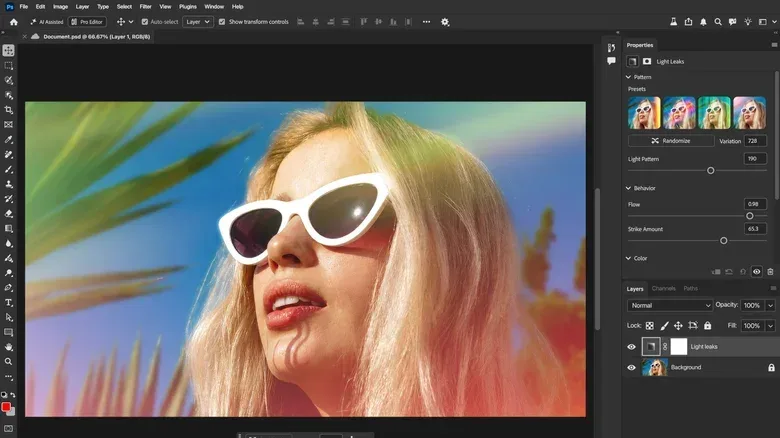
Adobe says the redesigned Photoshop will be more responsive and render complex workflows faster on RTX Spark computers. The emphasis is on seeing alterations as they are made, rather than treating an effect or edit as a command that disappears into the software until a later result finally appears.
The examples identified include the Light Leaks effect and Photoshop’s Remove tool. Light Leaks is an image effect that adds or simulates streaks, flares or washed light in a composition. The Remove tool is used to take unwanted elements out of an image. In both cases, quick visual feedback is meaningful: an editor can judge whether the chosen effect is too strong, or whether a removal requires more adjustment, while staying in the flow of the composition.
That is the everyday value behind a claim of better rendering performance. Rendering is the work of calculating and displaying a final or updated visual result from the edits, effects and source material in a project. The word can sound like a technical chore reserved for 3D work, but it also describes a routine bottleneck in image editing. When an effect is computationally heavy, the difference between immediate feedback and a delay changes how freely someone can experiment.
Adobe has not supplied a detailed breakdown here covering particular image sizes, effect settings, project complexity or test conditions behind its two-times claim. That distinction is important. A broad performance figure offers a direction of travel, not a guarantee that every Photoshop task will complete in half the time. Results will naturally be tied to the task being performed and the compatible RTX Spark system in use.
Premiere targets rendering, effects, AI editing and grading
Premiere is also part of the RTX Spark optimization effort. Adobe says users can expect meaningful speed improvements in rendering, applying effects, AI-powered editing, and color grading for audio and video.
Video projects are especially vulnerable to small delays adding up. A timeline can contain multiple clips, effects and adjustments, and each processing step may need to be revisited as an edit changes. Faster rendering means the application can more quickly calculate the edited result. Faster effect application can make it easier to evaluate visual choices without repeatedly losing momentum to a wait.
Color grading refers to the adjustment of color, contrast and overall visual character. It is distinct from merely correcting an image that is too bright or too dark; grading can help define the intended mood and consistency of a finished piece. Adobe’s description covers color grading for both audio and video, and places it alongside rendering, effects and AI-assisted editing as work that benefits from the RTX Spark-focused changes.
The headline promise is not that Premiere suddenly makes editorial judgment automatic. A quicker tool does not decide which take best supports a scene, whether a cut lands, or when an effect becomes an unnecessary cry for attention. The potential gain is more practical: shortening the time between an instruction and the software’s response, so editors can spend a larger share of the session making those decisions.
Substance 3D Painter focuses on texturing’s demanding stages
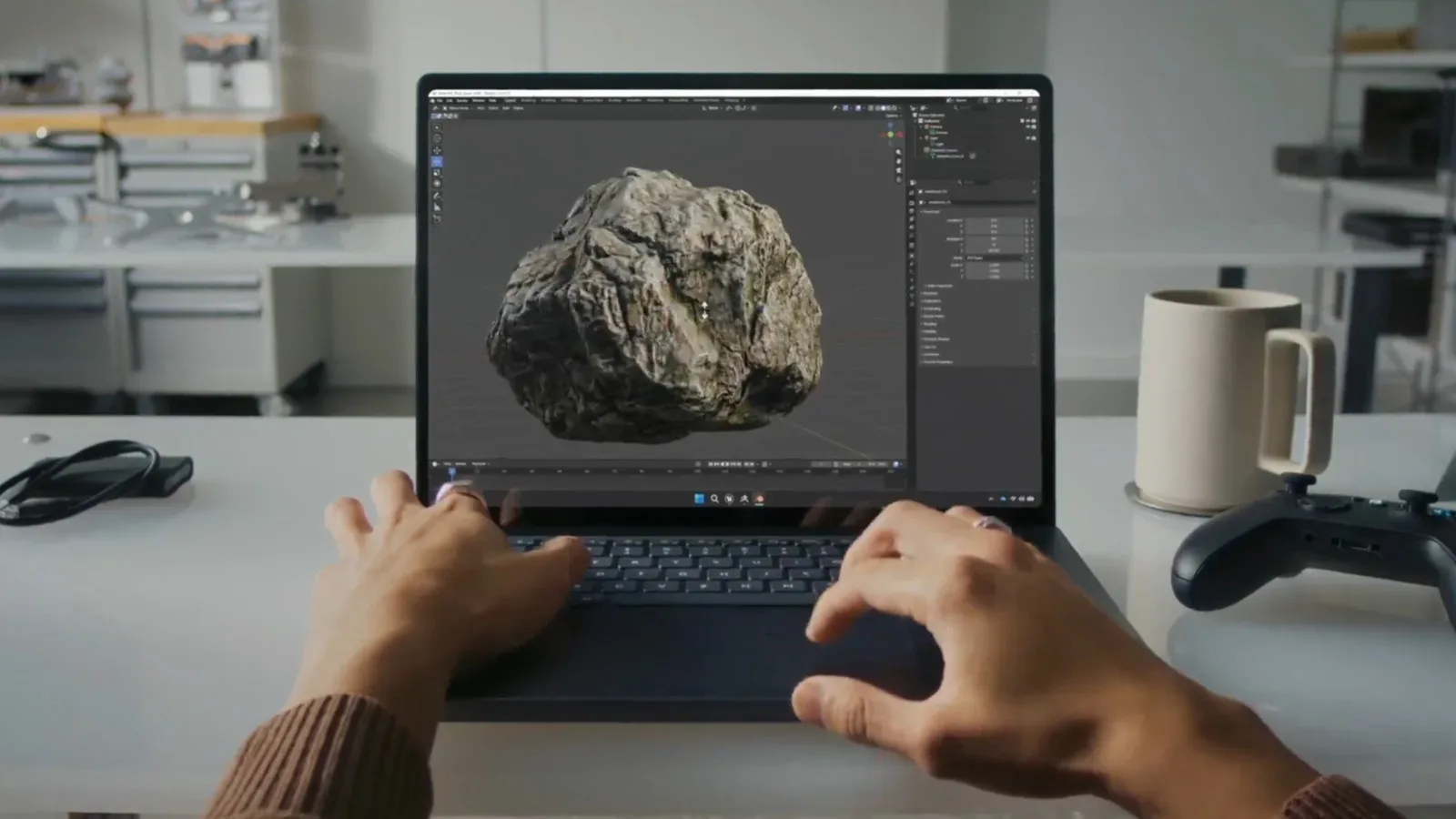
For 3D artists, Adobe says the optimized Substance 3D Painter accelerates the heaviest parts of texturing. It also identifies opening and saving large projects and exporting textures as areas receiving improvements.
Texturing is the process of applying surface detail to a 3D object. It helps determine how an asset appears—its color, pattern and material-like character—and can be a substantial part of preparing characters, environments and visual effects. Since this work may involve large projects and dense asset information, the time spent moving into and out of a project can be as consequential as the time spent actively painting details.
The stated improvements to opening, saving and exporting are therefore not minor housekeeping. Opening is the transition from storage into a usable working state; saving writes changes back into the project; exporting produces texture output for use beyond the immediate working file. Artists dealing with bigger projects often encounter those operations repeatedly. Improving them can make a workflow feel less interrupted even when the creative task itself has not changed.
What Adobe’s performance claim does—and does not—establish
Adobe’s central claim is that the apps are two times faster in AI tasks and editing across workflows after the RTX Spark optimization. It is a notable assertion, but readers should treat its scope carefully. Adobe’s description names multiple applications and several categories of work; it does not establish that every task in every one of those apps achieves exactly the same improvement.
- The claim applies to RTX Spark computers: the rearchitecture is specifically designed to take advantage of that platform.
- The claim spans AI and editing workflows: it should not be read as a universal promise for every action in Photoshop, Premiere or Substance 3D Painter.
- Specific workflow benefits vary by app: Photoshop centers on responsiveness and complex rendering; Premiere on editing, effects, rendering and grading; Substance 3D Painter on texturing and large-project operations.
- More speed is not more capability by itself: the announcement describes performance optimization, not a list of new editing features or a replacement for creative judgment.
That framing is still significant for prospective RTX Spark users. Creative suites are collections of small interactions as much as they are headline features: trying a visual treatment, revising a cleanup pass, previewing an edit, adjusting a grade, saving a working version, or exporting a texture. Hardware-aware software optimization is most valuable when it reduces friction across those recurring moments.
Adobe’s stated goal is to help creative professionals stay focused on their craft and storytelling. On the evidence provided, the RTX Spark work is built around that relatively unglamorous but meaningful promise: less time waiting for applications to catch up, and more time deciding what the finished image, video or 3D asset should be.