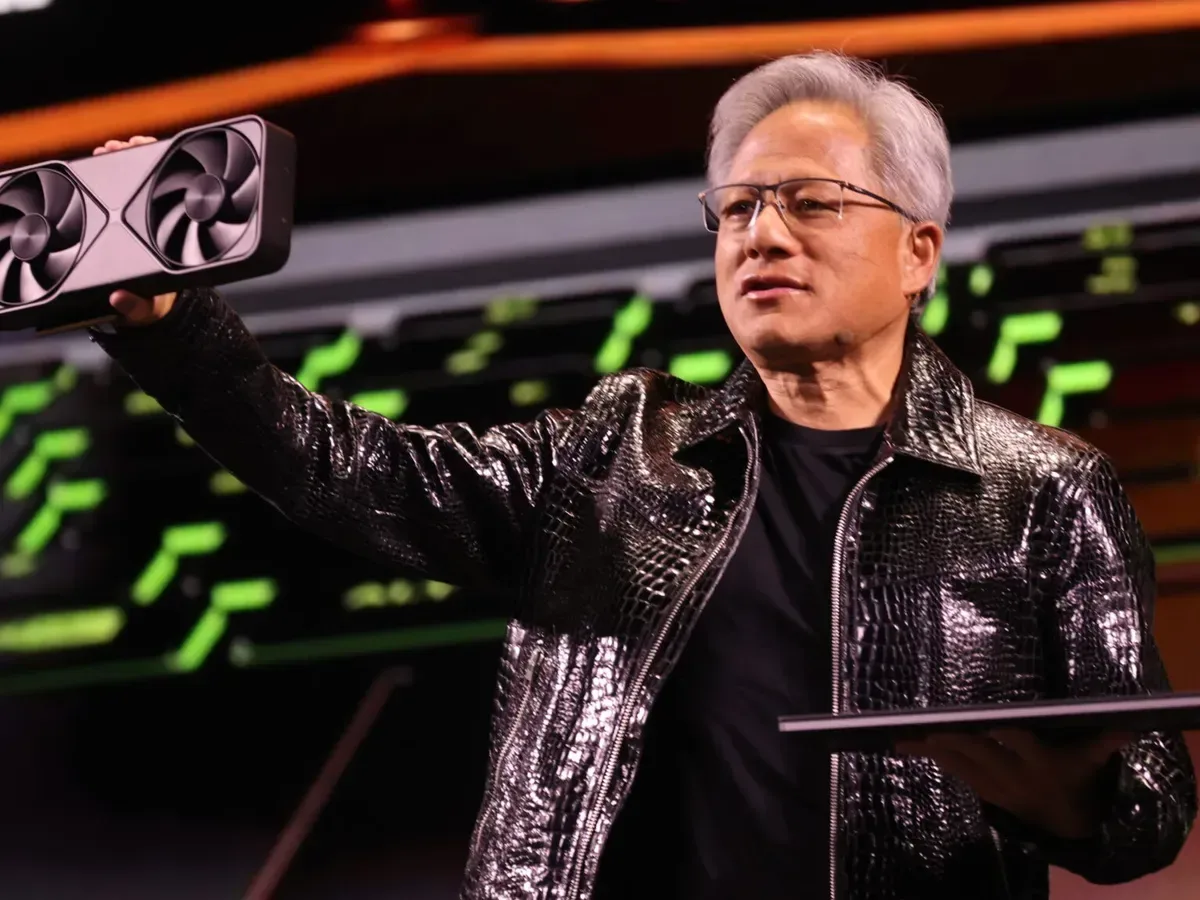
Acer CEO Jason Chen has offered a notably less bleak view of the memory crunch than many recent forecasts, arguing that a shortage lasting until 2030 is effectively out of the question. That optimism comes with an important immediate caveat for PC players: Chen still anticipates average computer prices rising by 5% to 20% during the fourth quarter of 2026.
Those two ideas are not actually contradictory. A supply problem can be temporary without becoming painless. Even if memory makers expand output and the balance between supply and demand eventually improves, the effects of tight availability, long-running supply agreements and higher component costs can remain visible in the price of a prebuilt gaming PC or laptop long before shoppers see any relief.
Chen’s comments suggest that Acer has continued to obtain memory for its laptop and other business lines. In translated remarks, he said supply had been consistently available and described a market with many potential sellers but relatively few buyers. Translation naturally leaves some room for nuance in the exact phrasing, but the broad point is clear: Acer’s leadership does not appear to view today’s conditions as evidence of an unavoidable shortage lasting through the decade.
What the forecast says—and what it does not
The clearest concrete part of Chen’s outlook is the near-term price projection. Average PC prices could increase by 5% to 20% in the fourth quarter of 2026, with prices then expected to begin falling around the middle of 2027 and continue easing afterward.
That is a forecast, rather than a guaranteed timetable. It should not be read as a promise that every desktop, laptop, memory kit or gaming handheld will go up by the same percentage. “Average PC prices” is a broad measure. Individual systems can react differently depending on their memory capacity, the type of memory used, existing component inventory and the manufacturer’s decisions about margins and configurations.
It also does not mean memory is the only part of a gaming machine that matters. A finished PC price combines a processor, graphics hardware, storage, cooling, motherboard, display in many laptops, assembly and distribution costs alongside RAM. But memory matters because it is a foundational component. When it becomes more expensive or harder to allocate, manufacturers must either absorb part of the increase, adjust specifications, or pass some of it to buyers.
For someone looking at a new gaming rig, the practical takeaway is restrained rather than panicked: a potential price increase late in 2026 is part of Acer’s expectation, while a longer recovery is still uncertain. There is no evidence here that every purchase must happen immediately, nor that waiting will definitely deliver a better deal on a particular machine.
Why AI demand is central to the discussion
The pressure on consumer memory is tied to the immense memory requirements of AI data centers. These facilities use large quantities of memory to run and develop AI systems, and major memory producers including Samsung, Micron and SK Hynix have entered supply contracts with AI companies. The volume described in those agreements exceeds current annual global RAM production, leaving less readily available supply for consumer-focused hardware and helping drive inflation in the remaining market.
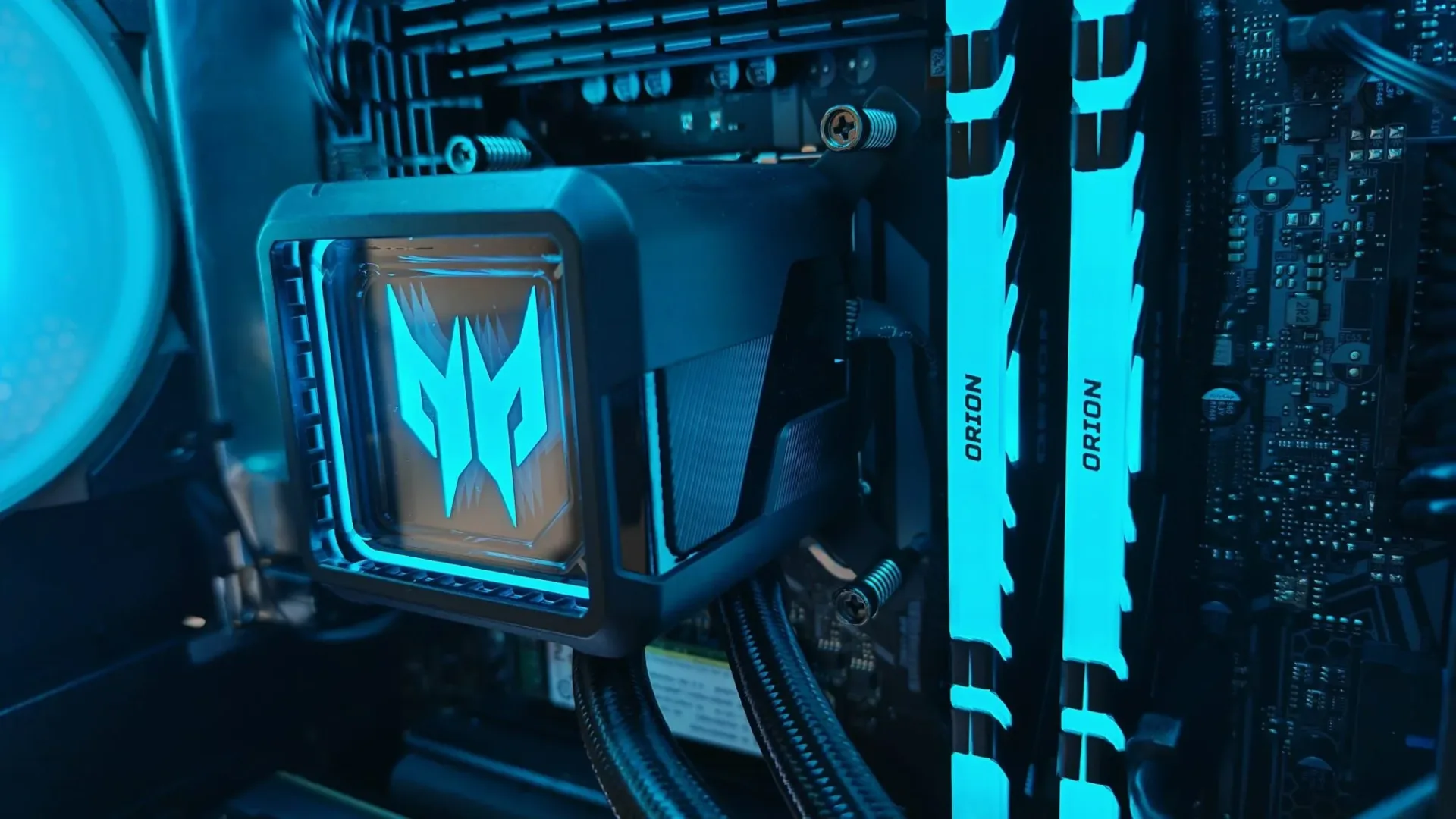
RAM, or random-access memory, is the fast, temporary working space used by a computer while programs and games are running. It is not the same as SSD or hard-drive storage, which keeps files after the machine has been powered down. A game uses RAM to hold data it needs quickly; modern operating systems, voice chat, browsers, launchers and background utilities use it too. That makes RAM capacity a familiar line on a gaming-PC spec sheet, but the business pressure behind it starts much farther up the supply chain.
Data-center demand and consumer demand do not always buy identical products, and the supplied information does not establish that every type of RAM will face the same availability or pricing outcome. Still, they are connected through the manufacturers, production capacity and commercial priorities involved. When high-volume enterprise customers reserve enormous quantities of output, consumer products can be exposed to reduced flexibility and higher costs.
Some supply agreements are scheduled to run to 2028, with others extending beyond that. That duration explains why the debate is not only about whether factories can eventually make more memory. It is also about who has committed access to that output, at what terms, and for how long.
More wafers alone may not mean instant price relief
Chen’s confidence may reflect an expectation that semiconductor fabrication will increase the number of memory wafers available over time. A wafer is the thin slice of semiconductor material on which chips are manufactured before the individual chips are separated and prepared for use. More wafers can mean more potential memory chips, assuming production and demand develop as expected.
That is the supply-side case for optimism: capacity can grow, and a market under pressure in 2026 need not remain under the same pressure in 2030. But expanding output is only one part of the equation. New production must also meet the type of memory customers need, contracts must be fulfilled, and the overall market has to reach a point where buyers have enough alternatives to exert meaningful pricing pressure.
Micron has also introduced client arrangements that fix prices at current levels for a further five years. That detail is particularly relevant to the difference between physical supply and retail affordability. A market might gradually become less constrained in volume while some large customers remain committed to prices negotiated earlier. In that scenario, greater output would not necessarily flow through immediately to lower costs for consumer PC makers, and consumer savings would not automatically arrive on the same schedule as supply gains.
It is therefore possible for two statements to be true at once: the worst shortage fears may prove overstated, and gaming PCs may still be more expensive in the nearer term than buyers would like. Chen’s 5% to 20% fourth-quarter estimate is a reminder that optimism about the end state is not the same thing as a claim that the road there will be cheap.
What this could mean for gaming PCs and laptops
For gamers, the most useful way to interpret the news is as a component-market warning, not a performance verdict. Higher system prices do not tell us that a given game will suddenly need more RAM, nor do they establish that a particular capacity has become inadequate. They instead point to possible shifts in what a set budget can buy.
- Prebuilt desktop buyers may see higher asking prices, changes to promotional discounts, or different component allocations inside similarly priced models.
- Gaming-laptop buyers may have fewer easy ways to offset memory costs, since laptop specifications are normally selected at the factory and may be less upgradeable than a desktop.
- DIY builders may want to separate the cost of a memory kit from the total system budget rather than treating it as a minor afterthought.
- Upgraders should check whether their own system’s memory can be expanded before assuming a whole-platform replacement is necessary.
None of those points requires chasing upgrades for their own sake. A PC that already runs the games and applications a player uses satisfactorily does not become obsolete merely because the memory market is unstable. Conversely, buyers who genuinely need a system for work, school or a new release may find that delaying solely for a hoped-for mid-2027 price decline carries its own risk, because the timing and size of changes will vary by product.
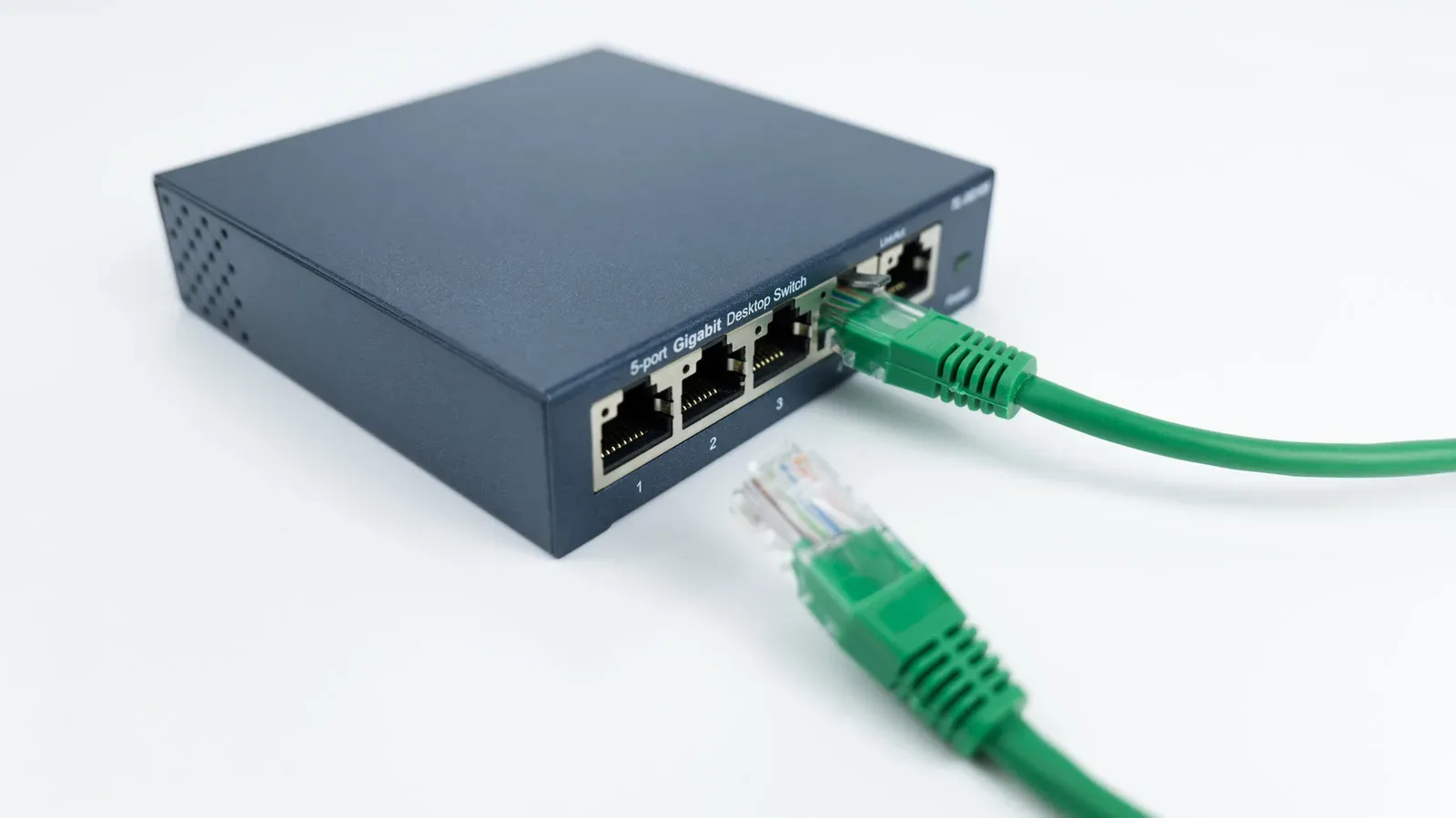
It is also worth evaluating the full machine rather than judging value by one headline number. A laptop with more memory can still be a poor fit if its graphics hardware, storage or display does not serve the buyer’s actual needs; a balanced desktop may be a better long-term choice than one configured around a single specification. Memory pricing is an important pressure point, but it is not the complete story of gaming-PC value. For a separate setup improvement that does not involve replacing core components, see our guide to adding Ethernet ports with a simple network switch.
A cautiously optimistic reading of a difficult market
Chen’s outlook pushes back against the most severe version of the current narrative: that the consumer memory squeeze is destined to persist all the way to 2030. His company’s apparent ability to keep sourcing memory supports the idea that the market is not uniformly inaccessible. His expectation of falling prices from mid-2027 further implies that supply and demand could move toward a healthier balance sooner than the longest forecasts suggest.
At the same time, his own projected 5% to 20% average PC-price increase acknowledges that present conditions have real consequences. The large AI-related supply agreements, some running to 2028 or beyond, and multi-year fixed-price arrangements create reasons to avoid assuming that a future increase in memory output will quickly restore earlier consumer pricing.
For now, the most defensible position is measured uncertainty. The available information supports neither a declaration that gaming PCs will stay unaffordable through 2030 nor a claim that prices are about to normalize overnight. What it does support is a closer eye on late-2026 pricing, followed by an expected—but not guaranteed—easing beginning around the middle of 2027.