Nvidia’s next major GeForce generation may be much farther away than the usual PC-hardware rhythm would suggest. A fresh claim from leaker Kopite7Kimi says cards expected to sit in the RTX 6000 family, potentially including an RTX 6080, have been pushed back to 2028.
That is a striking claim, especially after the GeForce RTX 5090 launched at CES 2025. But it is not a roadmap, and gamers should not plan a build around it. The most important part of this story is the uncertainty: another recent rumor has put a Rubin-based RTX 6000 launch in the first half of 2027. Those two windows are far apart, and neither has been confirmed by Nvidia.
What is clear from the available signals is less glamorous than a spec-sheet leak. Consumer graphics cards are navigating an expensive memory environment, intense AI-related demand for GPU capacity, and a corporate landscape where gaming has become less distinct in Nvidia’s public financial presentation. A delayed RTX 6080 is plausible; it is not established fact.
What the 2028 RTX 6080 claim actually says
The report centers on a claim that Nvidia’s next GeForce cards, thought likely to use the company’s Rubin architecture, could arrive in 2028 rather than in 2027. Architecture is the underlying technical design shared across a family of processors. In this context, “Rubin” is a reported name for the technology generation that may follow the current GeForce era, not a confirmed consumer-product branding announcement.
It also follows an earlier claim from the same leaker that Nvidia’s customary mid-generation “Super” refresh may have been cancelled. A Super refresh generally means revised versions of existing GPU tiers rather than a wholly new architecture. Such updates can add performance, alter memory configurations, or reposition prices. No confirmed Super cancellation has been provided here, so this too belongs firmly in the rumor column.
The alternative rumor is materially different: it suggests RTX 6000-series cards could appear in the first half of 2027. That does not merely change a launch month. It changes the entire upgrade calculation for people trying to decide whether to buy a card now, wait for a discount, or hold an older system together for another year.
The responsible reading is not that an RTX 6080 is definitely two years away. It is that there is currently no dependable public launch timetable for Nvidia’s next GeForce generation.
Why the market conditions make a longer wait believable
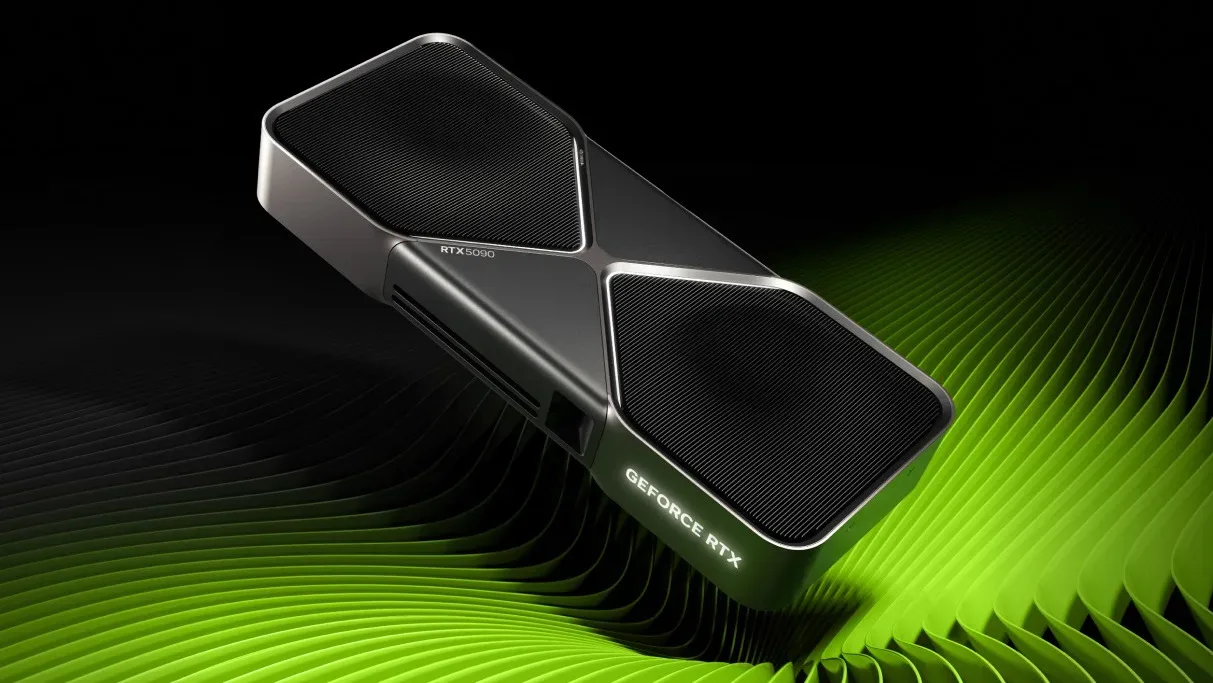
The strongest support for a potential delay is not the leak itself, but the pressure around hardware supply and pricing. The RTX 5090 launched at $1,999, yet the report notes that it is now being listed around $9,000. That does not mean every RTX 5090 sells at that amount, nor does it set an official Nvidia price. It does illustrate how far real-world market pricing can move from a manufacturer’s suggested launch price when high-end supply is tight and demand is strong.
Related coverage includes Nvidia RTX 6080 Rumor Points to 2028 as GPU Costs and AI Demand Reshape the Market.
Memory is a major piece of that picture. GPUs use specialized high-bandwidth memory to feed data to their processors quickly. When memory becomes more expensive or harder to obtain, card makers face pressure even before accounting for the GPU chip, board design, cooling hardware, distribution and retailer margins. The ongoing shortage described in the report has made graphics cards broadly more expensive than they were a year earlier.
AI data centers complicate matters further. Large-scale AI computing requires vast amounts of accelerated processing and memory, creating demand that reaches beyond a single consumer graphics-card lineup. The earlier Super-refresh rumor attributed the supposed cancellation to demand for GPUs and memory from AI data centers. That causal link has not been confirmed, but it reflects the central commercial tension: resources that could support gaming products may also be valuable in infrastructure-focused markets.
There is a practical energy dimension to the broader data-center buildout, too. The policy conversation is increasingly concerned with the physical footprint of the systems powering AI and cloud services, as seen in proposed data-center sustainability labels for energy and water use. That does not prove anything about a specific GeForce launch, but it underscores why demand for computing hardware is no longer solely a gaming-market issue.
Nvidia’s reporting change is a signal, not a verdict on GeForce
Nvidia has reportedly stopped presenting gaming as its own category in its earnings reporting, grouping GeForce with edge computing and robotics instead. Its recent Q2 2027 earnings materials reportedly emphasized AI revenue and did not separately mention gaming.
“Edge computing” refers to processing data closer to where it is generated or used, rather than sending every workload to a centralized data center. Robotics is self-explanatory as a field, but its placement beside GeForce is notable: the category is now broader than a simple measure of PC-gaming demand.
It would be an overreach to conclude that Nvidia has abandoned gamers. GeForce remains a recognizable consumer brand, and no supplied evidence says the company is ending it or formally postponing a generation. But a changed reporting structure can tell us something about priorities. When a company’s attention and financial narrative are heavily centered on AI, it may have less incentive to rush a new consumer lineup merely to satisfy a familiar launch cadence.
That possibility helps explain why a 2028 rumor sounds credible to some observers. Credible is not the same as verified. Companies can change product schedules, segment names and supply allocations for reasons that are invisible outside their planning teams.
What “more software tricks” could mean for gamers
If new GeForce hardware is not imminent, the report suggests 2026 may continue to lean toward software-led improvements. That phrase should not be read as an automatic negative. In graphics hardware, software can affect image reconstruction, frame generation, game optimization, drivers and feature support. Those approaches can improve how a game runs or looks on an existing card, though they are not equivalent to a new GPU with more underlying compute resources.
The distinction matters for an upgrade decision. A software feature can potentially extend the useful life of current hardware, especially for players willing to adjust settings or target a lower resolution. It cannot guarantee that an older GPU will meet every future game’s requirements, and it cannot by itself resolve a shortage-driven price problem.
For buyers, the reasonable implication is patience rather than panic. A rumor of a 2028 RTX 6080 is not a reason to overpay for an RTX 5090 today, particularly when reported market asking prices are so far above its $1,999 launch MSRP. It is also not enough information to tell every prospective builder to wait. The right choice depends on whether a current PC is meeting the games and settings a player actually uses.
A practical way to read the rumor
- Do not treat the RTX 6080 name as confirmed. The name and 2028 timing are part of an unverified leak.
- Separate MSRP from street pricing. The $1,999 figure is the RTX 5090’s launch price; reported prices near $9,000 reflect a very different market situation.
- Do not assume a Super refresh is coming—or cancelled. Both possibilities remain unconfirmed.
- Assess a PC by current needs. If the system runs the games you play well enough, a volatile GPU market is a reason to avoid rushed upgrades.
- Watch for direct product information. Official specifications, product pages and launch details matter more than competing claims about distant dates.
The real headline is an unsettled upgrade cycle
Normally, a rumored new GPU family encourages simple speculation about performance tiers, memory capacity and launch-event timing. Here, the bigger story is that the expected pattern itself is in question. The RTX 5090 is not yet two years removed from its CES 2025 debut, while reports disagree over whether its next-generation successor family would emerge in 2027 or wait until 2028.
The gap between those claims is substantial, and the conditions around them are unusually messy: high-end cards have become dramatically more expensive in the market, memory shortages are affecting component costs, and AI infrastructure demand is competing for attention and supply. All of that makes a delayed generation understandable, without turning it into a fact.
Until Nvidia provides a firm GeForce roadmap, gamers should view the RTX 6080 discussion as an early warning about market conditions, not a calendar appointment. The safest expectation is uncertainty—and the safest buying strategy is to avoid paying rumor-fueled premiums for hardware that does not match a real, immediate need.