Microsoft is preparing to end OneDrive support for devices still running iOS 18 and iPadOS 18. The change matters most to owners of the iPhone XR, iPhone XS, iPhone XS Max, and seventh-generation iPad: those models cannot update to the newer operating-system generation Microsoft will require for current OneDrive releases.
For affected users, this is not an indication that files stored in OneDrive suddenly disappear or that the installed app will instantly quit working. Instead, it is an app-support cutoff. The existing version is expected to remain usable initially, but it will no longer receive new OneDrive features, bug fixes, or other updates once Microsoft makes the requirement change in the public app.
Which Apple devices are affected?
The iPhone XR, iPhone XS, and iPhone XS Max are the iPhones directly caught by the change because they cannot upgrade to iOS 26. On the tablet side, the seventh-generation iPad cannot move to iPadOS 26, putting it in the same position.
Microsoft’s App Store messaging says iOS and iPadOS 18 support will be dropped “soon” and recommends updating to iOS 26 or iOS 27 in order to continue receiving the newest versions of OneDrive. That recommendation is useful for devices that are eligible for one of those operating systems, but it does not solve the issue for the older hardware named above.
The cutoff is tied to the operating system, not merely a calendar age assigned to a phone or tablet. In practical terms, a device that can install a supported newer OS can continue onto current OneDrive releases; a device permanently limited to iOS 18 or iPadOS 18 cannot.
OneDrive 18.12.1 is the key version number
Release notes for Microsoft’s latest TestFlight beta identify OneDrive 18.12.1 as the final version that supports iOS 18 and iPadOS 18. TestFlight is Apple’s beta-distribution system, so this marks the direction of the app’s development rather than a confirmed public-release date.
That distinction is important. Microsoft has signaled its intention and listed the last compatible version, but there is no specific date supplied for when the public OneDrive app will enforce the newer minimum requirement. “Soon” is the current timeline in the App Store notice, rather than a deadline users can place on a calendar.
Anyone relying on OneDrive on an affected device should therefore treat 18.12.1 as a compatibility marker, not as a promise that a particular behavior will change on a particular day. The sensible expectation is that future versions beyond that point will require iOS 26 or iPadOS 26, while the version already installed does not immediately become unusable.
What losing app support actually means
Cloud-storage support can be easy to misunderstand because two separate things are involved: the files held in the cloud and the software used to access them. This change concerns the latter.
- OneDrive app updates: affected devices will eventually stop receiving newer OneDrive builds.
- New features: features introduced in later releases will not arrive on the older operating systems.
- Fixes: bug fixes and other maintenance delivered through later updates will also be unavailable.
- Existing installation: Microsoft does not expect the currently installed app to stop working immediately.
That last point should prevent unnecessary panic, but it should not be read as a long-term guarantee. Software left on a final compatible build is frozen while the service and newer clients continue to evolve. The supplied information does not say that access will be removed, nor does it state how long an old app will remain functional. It only establishes that update support is ending.
Why the OS requirement matters more than a model name
An app’s minimum operating-system requirement is the oldest version of iOS or iPadOS on which its developer chooses to support and distribute current builds. Raising that floor lets a developer focus on newer platform capabilities and a smaller range of system versions. The tradeoff is straightforward: hardware that cannot reach the new floor remains on the last compatible app build.
Here, the pivotal threshold will be iOS 26 for iPhones and iPadOS 26 for iPads. The iPhone XR, XS, XS Max, and seventh-generation iPad are not being singled out by a OneDrive feature requirement described in the available information; they are affected because their maximum OS version falls below Microsoft’s upcoming floor.
It is also a reminder that app longevity and hardware longevity are related but different. A phone can still operate and run an older app even after that app is no longer maintained on its OS version. For people whose device is a dedicated photo-upload, document-viewing, or backup companion, that difference is particularly relevant.
Practical steps for OneDrive users
There is no stated requirement to take immediate action, since existing versions are not expected to stop working at once. Still, users of the affected Apple devices can make a measured plan rather than waiting for a future update attempt to reveal the limitation.
- Check the device and OS version. Confirm whether the device is one of the affected models and whether it can update beyond iOS 18 or iPadOS 18.
- Understand the update boundary. If the device remains on iOS 18 or iPadOS 18, OneDrive 18.12.1 is identified as its final compatible version.
- Keep expectations realistic. The installed app may continue working, but it will eventually be outside the stream of feature and maintenance releases.
- Review how essential the app is. Users who depend on the newest OneDrive behavior, fixes, and ongoing app updates will need hardware able to run the required OS generation.
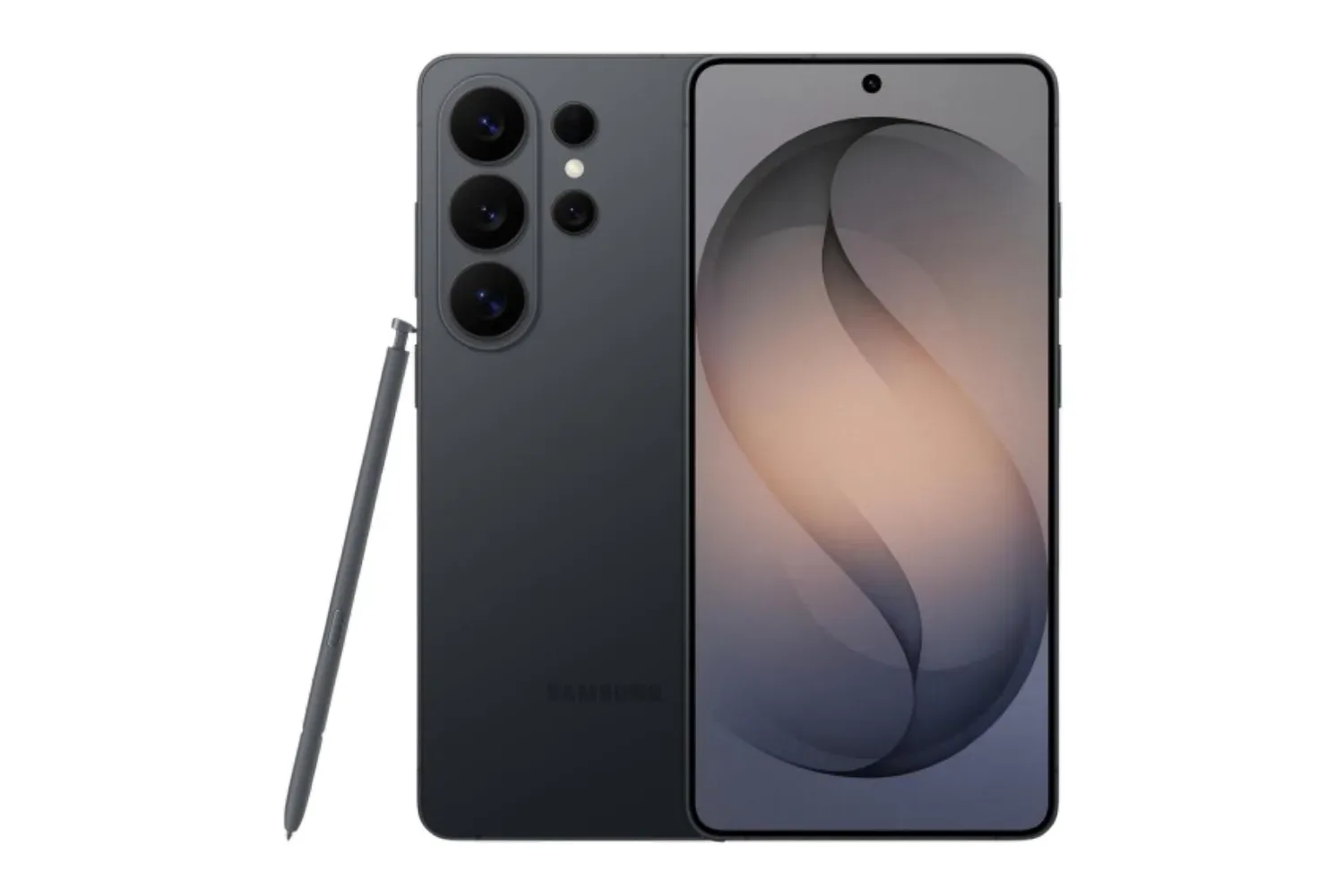
This is especially worth considering for anyone who treats a phone or iPad as part of a regular capture-and-backup routine. An older device can remain useful, but its app ecosystem may narrow over time as developers raise platform requirements. Users considering a broader phone replacement can also weigh newer-device options and features, such as the mobile hardware discussed in this Galaxy S26 Ultra coverage, against their own software-support needs.
What remains uncertain
The major unanswered question is timing. Microsoft has indicated that support for iOS 18 and iPadOS 18 will end soon, and the beta release notes identify the final compatible OneDrive version, but a date for the public change has not been provided.
It is also not established how long the last compatible release will continue functioning on an affected device. Users should avoid assuming either extreme: there is no basis here to say it will fail immediately, and no basis to promise indefinite access. What is clear is that the iPhone XR, iPhone XS, iPhone XS Max, and seventh-generation iPad will no longer be eligible for new OneDrive app versions after the support transition takes effect.