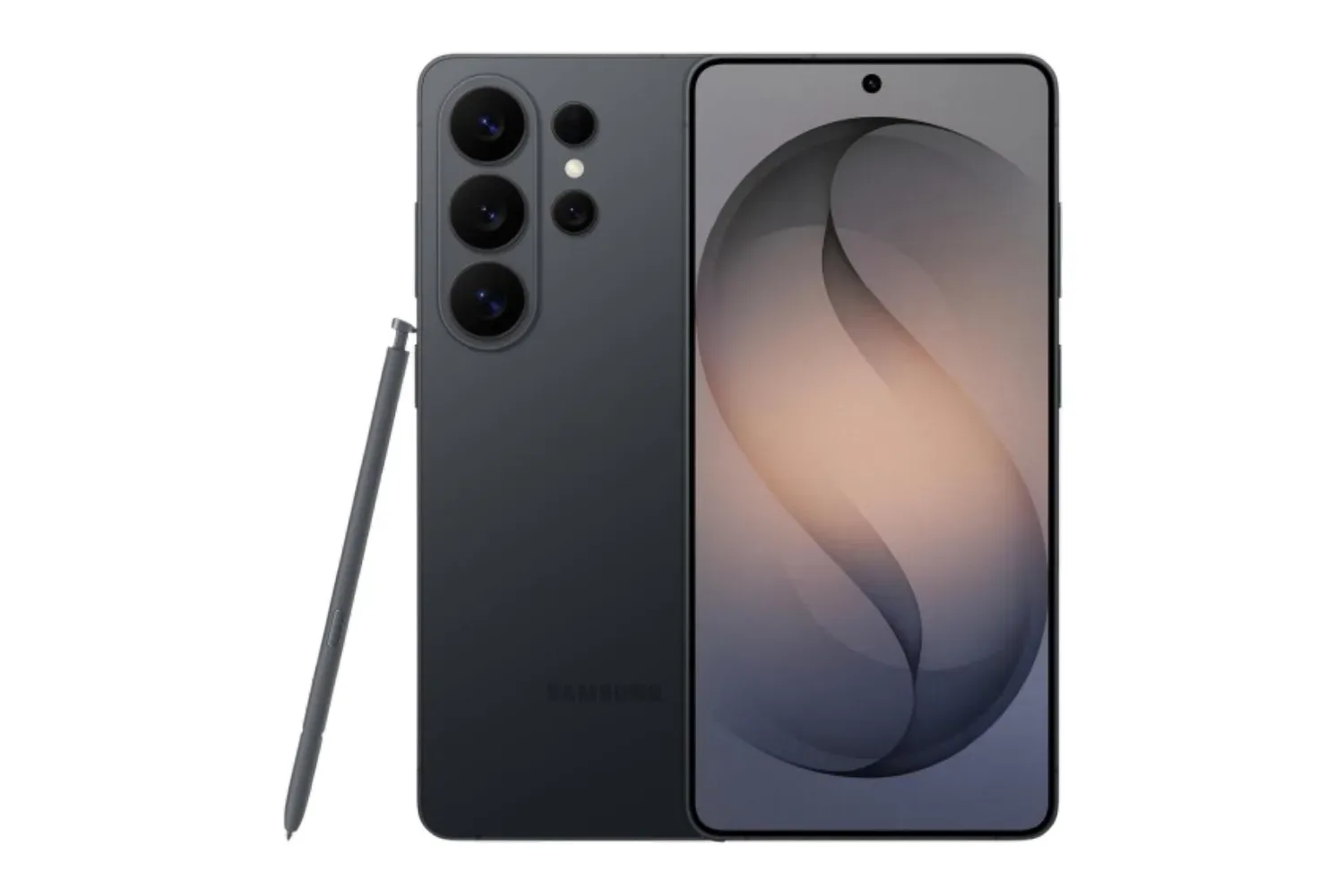
Samsung’s Galaxy S26 Ultra is listed at $979 for Prime members on Amazon, a reduction from its stated $1,399 list price for the unlocked 256GB model. That is described as a 30% discount, and the offer applies to Black, Cobalt Violet, Sky Blue and White finishes.
The headline specification is not simply another camera count or processor claim. Samsung is placing its Privacy Display at the center of the S26 Ultra pitch: a screen mode intended to remain readable head-on while becoming dark to people viewing it from an angle. For anyone who uses a phone in a train seat, airport lounge, checkout line or other crowded setting, that is a much more concrete quality-of-life proposition than a broad promise of more power.
It also arrives on a phone aimed squarely at people who want a large Android flagship. The Galaxy S26 Ultra has a 6.9-inch QHD+ AMOLED display with a 120Hz refresh rate, 12GB of memory, a 5,000mAh battery, four rear cameras led by a 200-megapixel sensor, Android 16 with One UI 8.5, and a stylus in the box. It is unlocked for all carriers, though buyers should remember that it is also a substantial device at nearly 6.5 inches tall and 7.5 ounces.
What the Privacy Display is meant to do
“Shoulder surfing” is the informal term for someone reading a screen over a user’s shoulder or from an adjacent seat. It can expose messages, passcodes, payment information, travel details and notifications without requiring an attacker to touch the device. A conventional privacy filter generally reduces off-angle viewing all the time, but it can also make the display look dimmer to its owner.
Samsung’s approach, as described for the S26 Ultra, is intended to be more selective. The Privacy Display can be activated when a notification arrives, while a password is being entered, or when a user opens chosen applications such as a banking app. That selective behavior matters. A player may want the full viewing angle and brightness of a large screen while gaming alone, but want the extra protection when a lock-screen notification pops up on public transport.
The feature could also be useful with Samsung Wallet, which can hold payment cards, membership cards and boarding passes. Those are precisely the kinds of short-lived, high-value bits of information people often pull up while somebody is standing nearby. The practical value will depend on how effectively the display reduces side visibility without making normal use harder, but the option to limit it to particular situations is the key idea.
Privacy Display should not be mistaken for a replacement for basic account and device security. It can help reduce casual visual exposure; it does not prevent someone from accessing a phone that has been left unlocked, protect an account with a weak password, or secure information after it has been sent elsewhere. Still, reducing the chance that strangers can casually read a screen is a useful layer of protection, especially when the alternative is applying a permanent filter to the panel.
A large, fast panel for mobile games
The other obvious draw is the 6.9-inch AMOLED display. AMOLED is a display technology in which pixels emit their own light, allowing dark portions of an image to be turned off rather than lit by a shared backlight. In principle, that helps deliver deep blacks and strong contrast—qualities that can make game interfaces, night scenes and video stand out.
Related coverage includes Galaxy S26 Ultra Deal Highlights Privacy Display, 200MP Camera and S Pen.
QHD+ refers to a high-resolution display class, while 120Hz means the panel can refresh up to 120 times per second. Refresh rate is not identical to a game’s frame rate: a game must itself render frames quickly enough to take advantage of a fast display. But a 120Hz panel gives compatible apps and games more room for smoother motion and scrolling than a standard 60Hz screen.
Samsung also says the phone uses its most powerful Galaxy processor so far, paired with 12GB of memory. The supplied details do not identify the chip or establish game-by-game performance, so prospective buyers should not assume a particular frame rate or graphics setting from the hardware description alone. What can be said is that the combination of a high-refresh display, a large screen and 12GB of memory is positioned for demanding phone use, including mobile gaming and multitasking.
Size is part of that trade-off. A 6.9-inch screen provides more space for touch controls, maps, status readouts and text than a compact handset. It may be especially appealing to players who use their phone for strategy titles, shooters with dense interface elements, or remote-play-style experiences. But the S26 Ultra’s 7.5-ounce weight and nearly 6.5-inch height mean it will be a two-handed phone for many people. Large-screen comfort is personal, and a discount does not make a physically oversized phone more convenient.
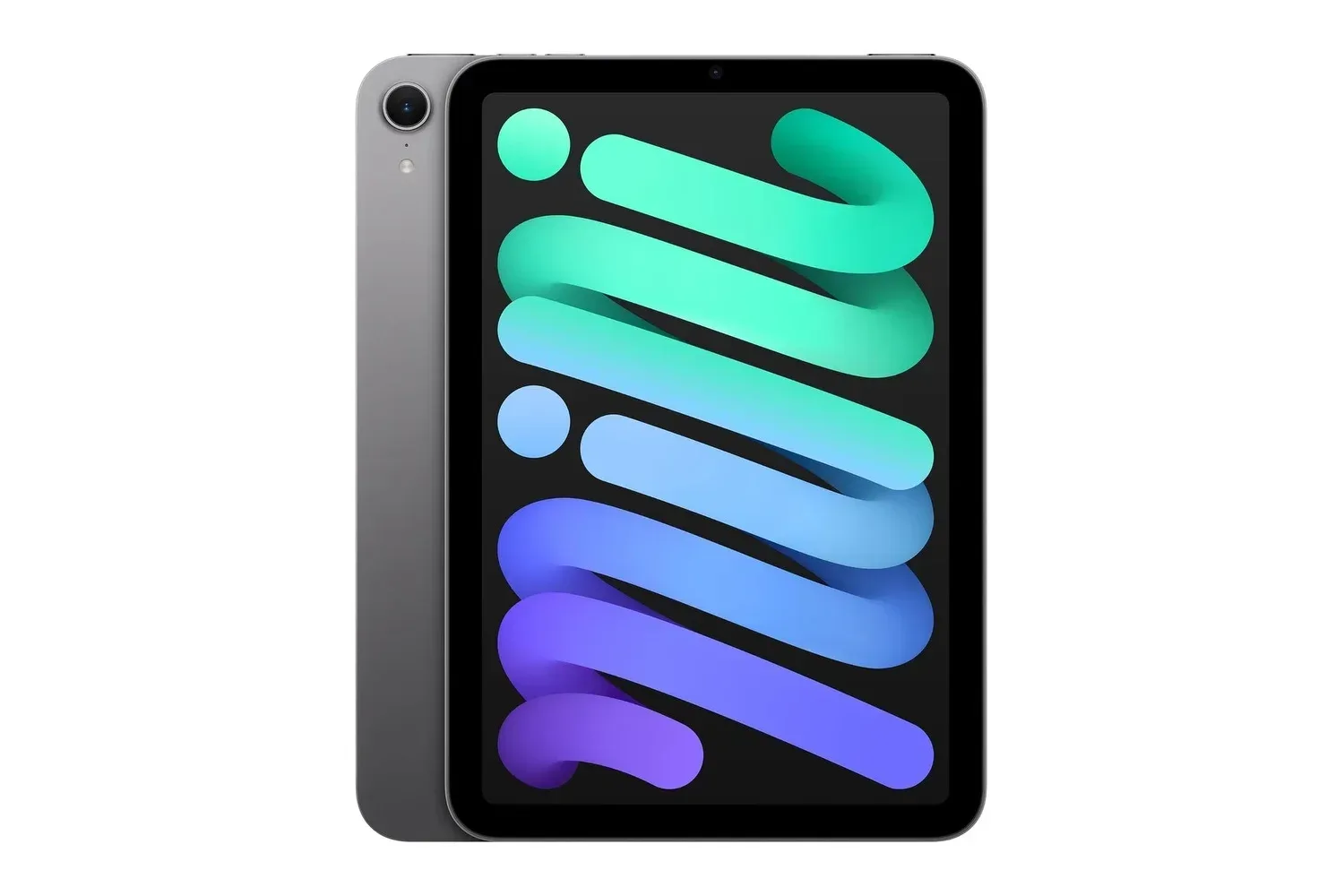
Those weighing a phone against a separate mobile gaming device may also want to consider a compact tablet. The A17 Pro iPad mini deal is a useful example of the different proposition: a larger portable screen without requiring a buyer to make it their daily camera, wallet and communications device.
Battery and charging: read the box contents carefully
The Galaxy S26 Ultra is specified with a 5,000mAh battery and support for wireless and reverse wireless charging. Battery capacity, expressed in milliamp-hours (mAh), is a measure of electrical charge rather than a guaranteed runtime. Actual endurance varies with screen brightness, refresh rate, network use, camera work, games and background tasks. A 120Hz setting and graphically intensive games can be especially relevant to power use.
Wireless charging lets the phone charge on a compatible pad rather than through a cable. Reverse wireless charging means the phone can provide power wirelessly to another compatible device. That can be handy for a small accessory, but it also transfers power out of the phone’s own battery, so it is best treated as a convenience rather than a way to avoid carrying a charger.
Samsung says the S26 Ultra is ready for Super Fast Charging 3.0. However, the listed box contents include a USB cable and do not include a charger. Buyers who do not already own a suitable power adapter should factor that into the effective cost and check compatibility before assuming they will receive the fastest supported charging experience.
Camera hardware and AI editing tools
The rear camera array includes a 200-megapixel main sensor alongside 50-, 12- and 10-megapixel modules. The phone supports video capture up to 8K, and Samsung’s Nightography processing is positioned for low-light subjects including concerts and city scenes. Up front, the 12-megapixel camera is described as having a wider field of view for group selfies.
Megapixel totals are only one piece of camera performance. They describe image resolution, not a complete verdict on low-light quality, motion handling, color, stabilization or the behavior of each lens. Similarly, 8K support describes a maximum recording resolution, not a guarantee that every recording scenario will look better than lower-resolution footage. High-resolution files can also consume storage more quickly, a practical consideration on a 256GB phone that may be used for games, photos and video.
Samsung also includes Galaxy AI features such as Photo Assist, which can be used to add an object, restore detail or alter an image style through typed or tapped prompts. Now Nudge provides suggestions as a user goes about tasks. Samsung attaches availability footnotes to many AI functions, indicating that results or access may depend on factors such as settings and accounts. Anyone buying specifically for one of these tools should verify its availability in their intended configuration rather than treating the broader AI label as a single, uniform feature.
What is included in the Prime offer
The $979 listing is for the unlocked 256GB Galaxy S26 Ultra phone alone and requires a Prime membership. It carries a one-year manufacturer warranty and free returns. Amazon also lists a 512GB version and a bundle with Galaxy Buds4 Pro on the same product page, but those are separate configurations rather than part of the stated 256GB price.
Customer feedback on the listing stands at 4.6 out of 5 across more than 2,000 reviews. That is a useful signal of broad buyer sentiment, but it is not a substitute for checking whether the phone’s dimensions, charger situation, storage capacity and privacy feature fit an individual’s needs.
At this price, the S26 Ultra’s proposition is clearest for someone who wants a large unlocked Android handset and values the Privacy Display as more than a novelty. The 120Hz AMOLED panel, claimed flagship-class processor, 12GB of memory, included stylus and extensive camera hardware add up to an ambitious spec sheet. The caveats are equally straightforward: Prime is required, a charger is not included, AI availability can vary, and the phone is unquestionably large. Buyers who are comfortable with those conditions get the advertised discount on all four listed colors.
Shop the products
Check current price, model and availability at the retailer.