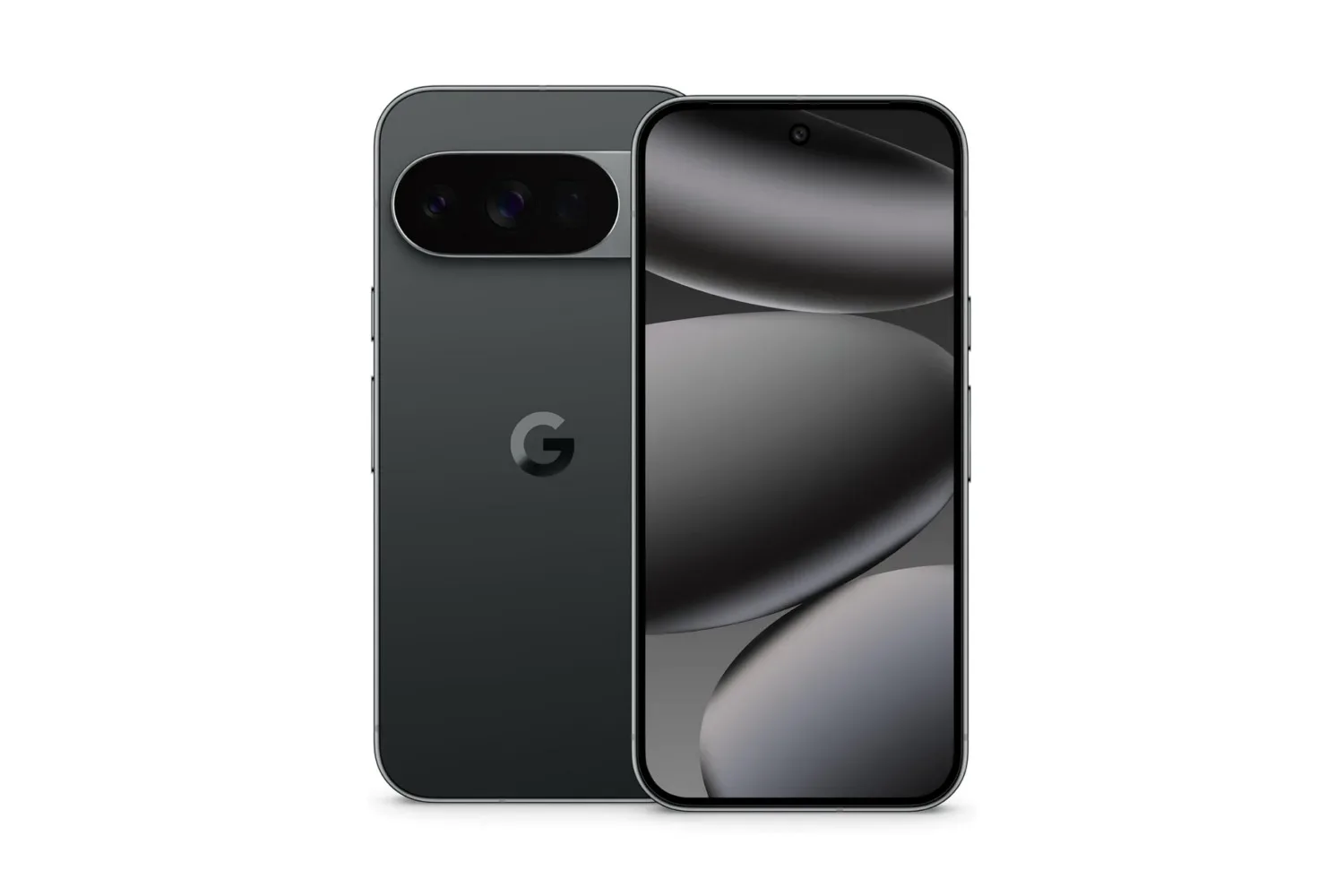
The Google Pixel 10 Pro has dropped to $799 for the 128GB Obsidian version, a $200 cut from its stated $999 regular price. That is a 20% reduction, and it creates a notably cheaper route into Google’s prior-generation Pro phone while the newer Pixel 11 lineup is already on the market.
The key detail is configuration: the $799 price applies to the Obsidian finish. Moonstone and Porcelain versions are discounted too, but are listed at $930 rather than matching the lowest price. Anyone shopping this offer should therefore treat the color as part of the deal, rather than assuming every Pixel 10 Pro 128GB listing has the same price.
What the $799 offer covers
The model in question is an unlocked Google Pixel 10 Pro with 128GB of storage. “Unlocked” means it is not tied to one mobile provider at the point of purchase, allowing a buyer to activate it with a compatible carrier of their choice. The phone is described as working with Google Fi, Verizon, T-Mobile and AT&T, among other popular providers.
That flexibility can matter more than it first appears. A carrier-specific phone may come with a particular plan, payment arrangement or activation path. An unlocked handset separates the hardware purchase from that decision. It does not mean that every carrier plan or network feature is automatically identical, but it gives the buyer a broader starting point when choosing service.
There is also a trade-in option offering up to $795 in Amazon credit for an older device. “Up to” does the important work in that sentence: the final valuation depends on the traded phone’s model and condition. It should not be treated as a guaranteed extra discount. Buyers considering a trade-in should compare the offered credit with the actual value assigned to their own device before making the purchase decision.
A prior-generation Pro phone, not an entry-level compromise
A new lineup can make the preceding generation easier to buy at a reduced price, but it does not turn the earlier Pro model into basic hardware overnight. The Pixel 10 Pro specification list remains built around a large, bright display, Google’s Tensor G5 processor, a substantial camera system and an unlocked design.
Its 6.3-inch Super Actua display is rated for up to 3,300 nits of peak brightness. A nit is a measurement of luminance, or how much light a screen can produce. Peak brightness is not necessarily the level used constantly during normal phone use, but it is relevant when a display has to compete with bright surroundings. In practical terms, the rating points to an emphasis on outdoor visibility as well as indoor use.
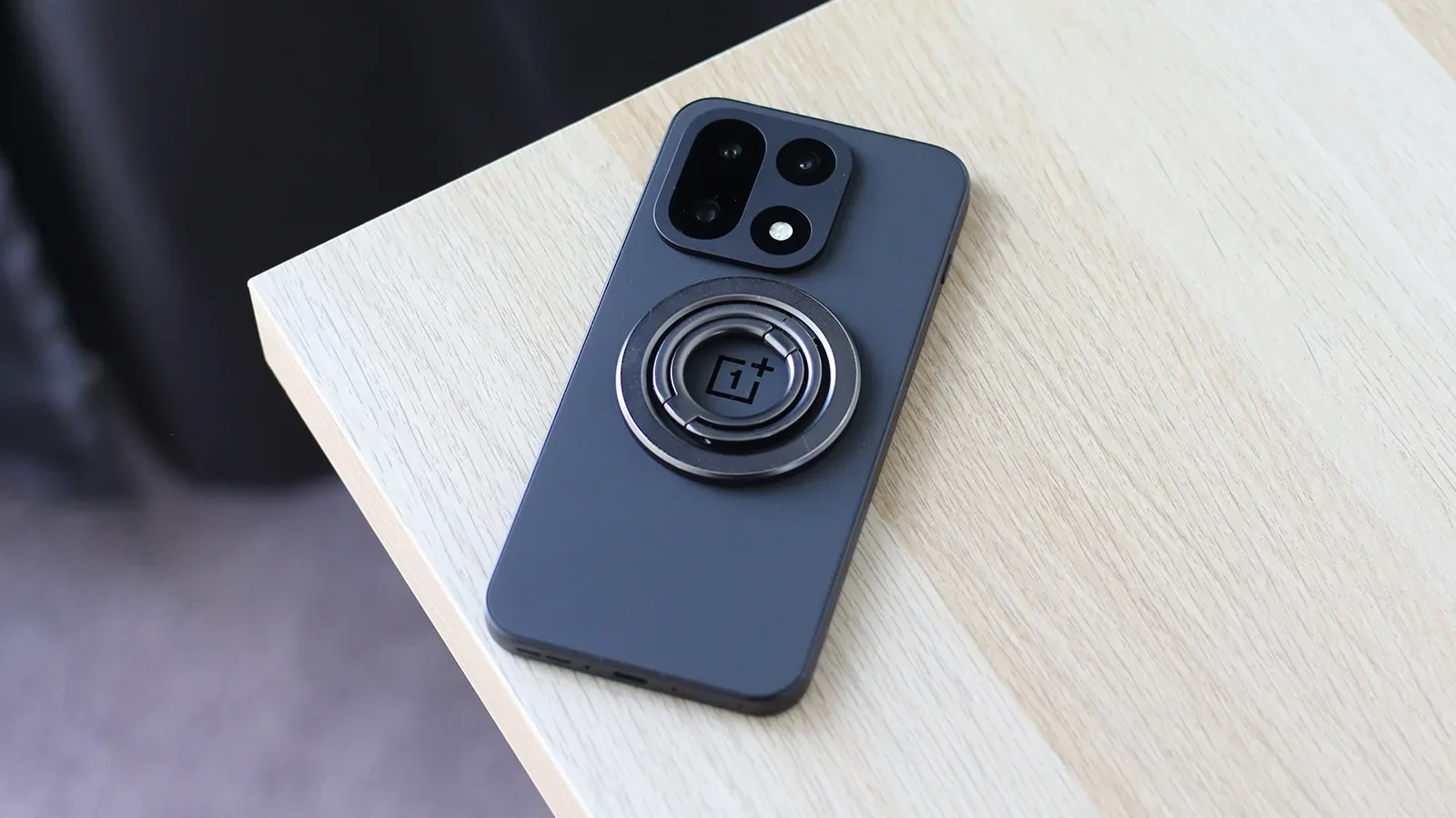
The phone pairs its display with an aluminum build and Corning Gorilla Glass Victus 2 on both front and back. Those materials are intended to help the handset withstand everyday bumps and scratches. They are not a promise that a phone cannot be damaged; a case and careful handling can still be sensible. Android owners considering accessories can also read how a magnetic case or ring can expand Android accessory options, though shoppers should confirm compatibility for any particular case and accessory before buying.
Camera hardware and computational assistance
The Pixel 10 Pro is positioned around detailed photography, color accuracy and consistent results across different lighting conditions. Its camera tools include Google AI models intended to reduce the amount of manual adjustment needed to get a desired image.
That language describes computational photography: software processing that works alongside the camera hardware to interpret a scene and produce the final photo. In a phone, that can be especially significant in difficult lighting, where capturing a usable image is not solely a matter of pressing the shutter button. It is worth distinguishing that kind of assistance from a guarantee that every scene will look the same to every person. Color and image processing remain matters of personal preference, but the emphasis here is on making capable results easier to obtain.
The handset also lists 100x Pro Res Zoom and video recording at up to 8K. Zoom figures can be easy to overread. A 100x number refers to the maximum zoom reach offered by the device, not a simple promise that a subject at every distance will retain the same visual quality as it would at a closer range. It is a tool for getting closer to distant details, with real-world results depending on lighting, stability and the scene itself.
Similarly, “up to 8K” identifies the maximum supported capture resolution. It is useful for buyers who want the option of very high-resolution video, but it does not say that every recording mode uses 8K or that resolution alone decides a video’s final look. The practical takeaway is straightforward: the Pixel 10 Pro offers both long-range zoom capability and high-resolution video capture among its camera features.
Tensor G5 and the gaming question
Google’s Tensor G5 chip is the Pixel 10 Pro’s central processor. A smartphone system-on-chip combines several major functions in one component, including the processing that keeps apps, communications and other daily tasks moving. The phone is presented as capable of handling streaming, social media, calls, messaging, work tasks and some gaming.
For mobile players, that wording is useful but measured. It supports the idea that gaming fits within the phone’s expected day-to-day workload. It does not establish frame-rate figures, graphics settings, thermal behavior during long sessions or performance in any specific game. Those details are not supplied here, so a buyer whose main concern is demanding mobile gaming should avoid treating a general performance claim as a game-by-game benchmark.
For a person who wants one phone for communication, media, photography, work and occasional play, the mix is easier to interpret. The listed Tensor G5, high-brightness 6.3-inch display and camera features make this a full-featured Pro device rather than a narrowly focused budget pick. The reduction is meaningful precisely because it applies to that hardware tier.
How to assess this particular sale
The cleanest way to judge the offer is to begin with the exact version. At $799, the Obsidian Pixel 10 Pro 128GB is $200 below its regular $999 price. Moonstone and Porcelain are each listed at $930, so selecting a different finish adds $131 relative to the lowest listed price. That difference is large enough that color preference is effectively a paid upgrade in this sale.
- Lowest listed configuration: Pixel 10 Pro, 128GB, Obsidian, $799.
- Stated regular price: $999, making the reduction $200 or 20%.
- Other listed color pricing: Moonstone and Porcelain at $930, with discounts that do not equal the Obsidian price.
- Trade-in: up to $795 in Amazon credit, with the actual figure dependent on the old device’s model and condition.
- Carrier position: unlocked, with compatibility described for major providers including Google Fi, Verizon, T-Mobile and AT&T.
Storage is another part of the equation. This listing is for 128GB, so prospective buyers should consider that capacity against the photos, videos, games and offline media they expect to keep locally. The source material does not provide a discounted price for any other storage tier, so there is no basis to assume an upgrade follows the same pricing pattern.
The sale is therefore strongest for someone content with the 128GB Obsidian configuration and more interested in the Pixel 10 Pro’s display, Tensor G5 performance, unlocked status and camera feature set than in buying the newest generation immediately. Buyers attached to Moonstone or Porcelain should compare the $930 listing with the $799 Obsidian price rather than relying on the broad description of the range being on sale.
Most importantly, a trade-in can change the personal cost substantially, but only after the specific old phone has been assessed. The headline offer is $799 for the eligible Obsidian model. Everything beyond that—color choice, carrier service and potential credit for a prior handset—should be considered separately.
Shop the products
Check current price, model and availability at the retailer.