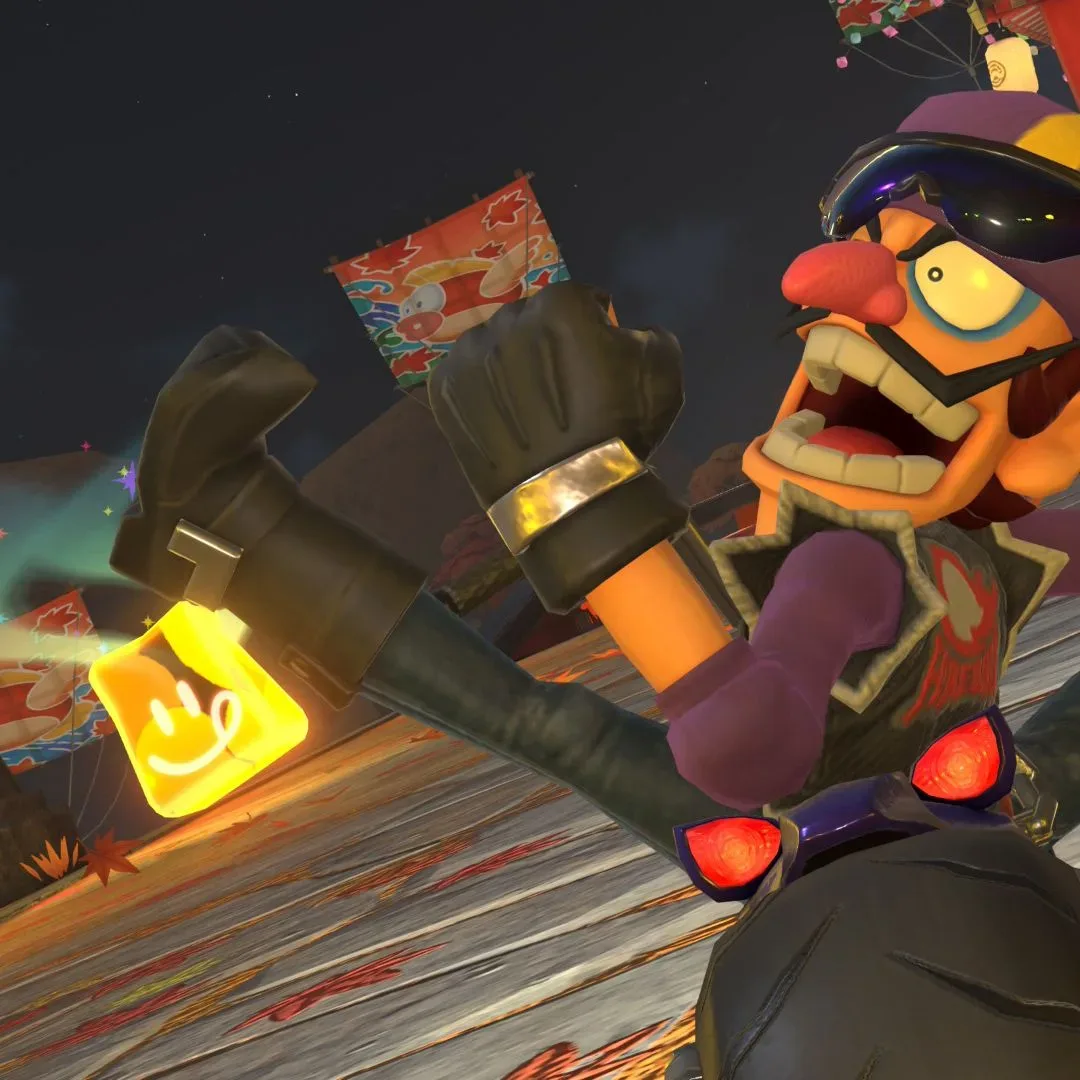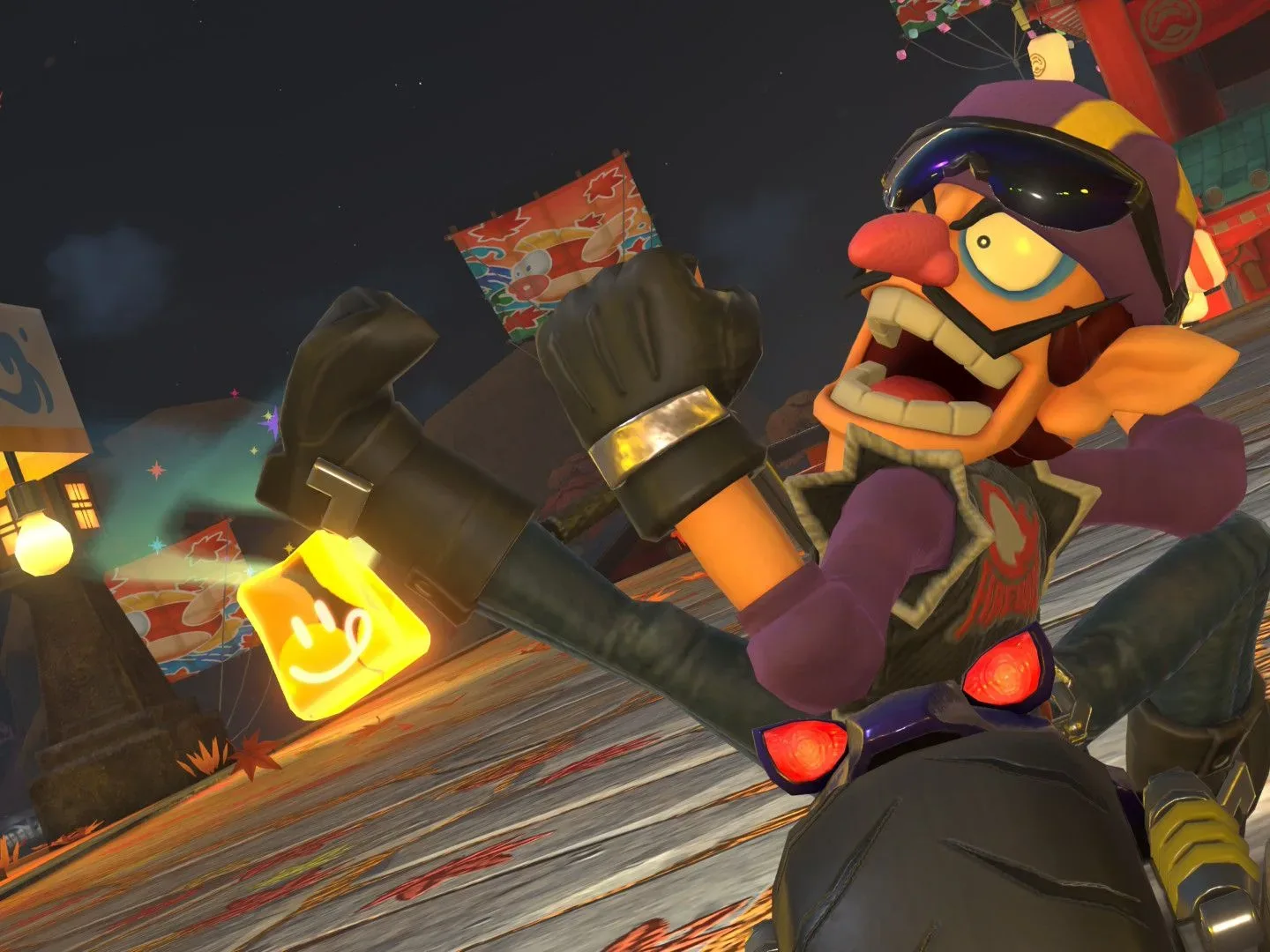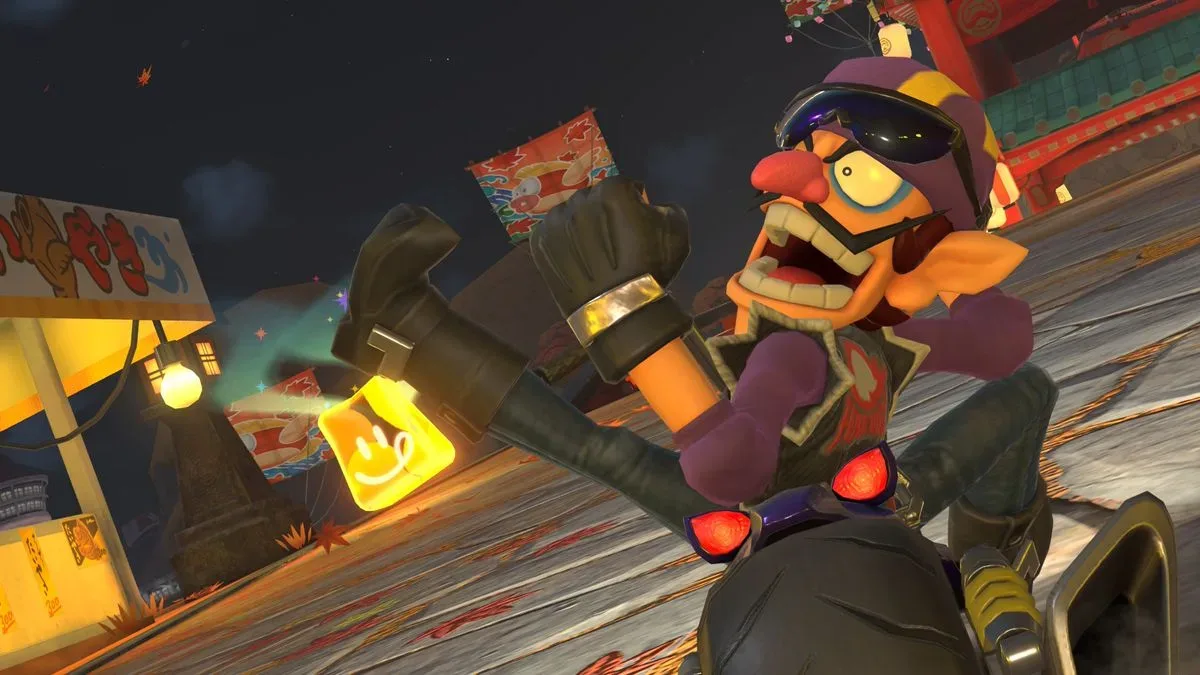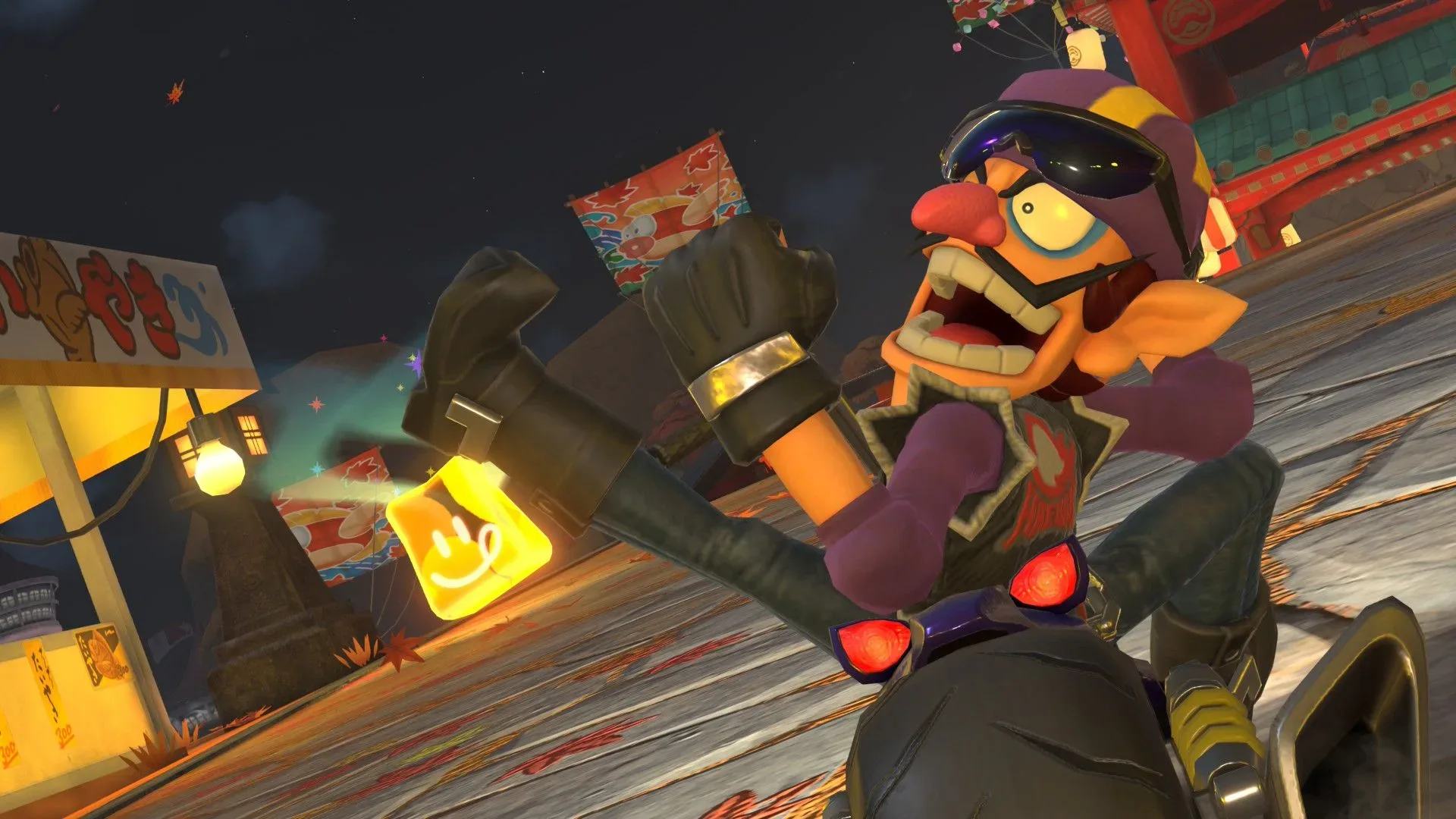
A claimed Nintendo Switch 2 jailbreak is making the rounds online, with an anonymous user known as “pepsipu” saying they accessed the console through a route involving AI assistance and SmileBASIC 4, a game-building tool sold on the eShop for $25. The immediate proof-of-concept was character modding in Mario Kart World, with Cinnamoroll, Peter Griffin and Hatsune Miku reportedly placed into the game.
That is an eye-catching image, but the more important detail is the limitation attached to the claim: the reported jailbreak is tethered. In plain terms, it does not survive a shutdown. The process must be performed again after the console powers off, rather than becoming a permanent alteration to the system.
That constraint matters. A tethered approach is not the same thing as an easy, durable modification path for ordinary owners. It adds inconvenience and uncertainty, particularly when the method is said to depend on a paid eShop application that could become unavailable. For now, this looks less like a frictionless consumer modding option and more like an early technical demonstration with a number of practical barriers.
What is being claimed
The account behind the claim has not been identified. The reported path involved help from OpenAI and SmileBASIC 4, an eShop application intended as a tool for building games. The available information does not establish that every Switch 2 owner can repeat the result, nor does it describe a lasting modification that persists through every restart.
Those distinctions are essential when jailbreak stories spread quickly. “Jailbreak” is commonly used as a broad term for obtaining access beyond the restrictions set by a hardware maker. It can cover very different results: a limited proof-of-concept, temporary code execution, system-level access, or a persistent modification. The reported Switch 2 result, as described, belongs in the temporary category because it is tethered.
The same detail also means the practical cost is more than the $25 price of SmileBASIC 4. Anyone considering it would be weighing an application purchase against a process that must be repeated after shutdown and that may depend on software Nintendo could choose to remove from sale or change access to.
Why the eShop dependency is a major caveat
SmileBASIC 4 is central to the reported method, and that makes it a conspicuous point of fragility. Unlike a technique based entirely on hardware already owned, one reliant on a storefront product can be affected by changes outside a user’s control. If the application is no longer available, new users may not be able to acquire the same starting point. If its behavior or access changes, the reported route may no longer work as described.
There is no stated confirmation of what Nintendo will do. Still, the prospect of a response is one reason to treat the current report as unstable rather than as a settled Switch 2 modding ecosystem. The console maker has obvious reasons to scrutinize a paid eShop tool if it is being discussed as part of a route around platform restrictions.
Related coverage includes Switch 2 Jailbreak Claim Uses AI Assistance and a $25 eShop Tool.
That does not mean every use of a game-building application is suspect. The noteworthy issue is the alleged use of one particular piece of eShop software within a jailbreak chain. Game-creation tools and system-access work are not interchangeable concepts, even when one is reportedly used to enable the other.
AI assistance is part of the conversation, not a guarantee of a repeatable hack
The reported involvement of OpenAI has become one of the story’s biggest talking points. It is worth separating the headline-friendly wording from the technical implication. AI assistance, in this context, describes help used during the process; it does not by itself explain the underlying vulnerability or prove that an automated tool can reliably jailbreak a Switch 2.
That distinction should temper both excitement and alarm. A model can be used to discuss code, brainstorm technical approaches or assist with troubleshooting. None of that makes the result dependable for other users, and none of it removes the risks that come with attempting to bypass a console’s intended restrictions.
The concerns raised by Switch 2 players extend beyond the novelty of altered Mario Kart World characters. Replies have questioned whether AI-assisted hacking could contribute to unauthorized material appearing before release, echoing worries associated with the original Switch. The reported jailbreak does not, on its own, demonstrate that future leaks will happen. It does, however, bring attention back to a familiar concern: broader access to a closed platform can have consequences beyond cosmetic mods.
Mods, ownership and the concern for creative work
Character swaps are a fast way to illustrate what system access might make possible. They are also exactly the sort of shareable result that can obscure the larger debate. A response to the claim argued that jailbreaking threatens the livelihoods of creative artists, a concern especially relevant to independent developers working in a marketplace where game sales can be vital.
There are multiple issues inside that reaction. Modding can be discussed as a creative practice, but unauthorized access can also be associated with piracy, leaks and the distribution of work without permission. The supplied information does not show those outcomes occurring through this particular Switch 2 claim. It does show why the claim has generated unease rather than universal celebration.
For players, the distinction is practical as well as ethical. Installing unofficial modifications or relying on a jailbreak can create a different relationship with a console and its software: it may demand repeated setup, depend on software that could disappear, and potentially expose the user to changing technical or platform-related risks. Anyone simply looking for more games has a considerably more straightforward path in the growing list of Nintendo news and releases than treating an early, tethered hacking claim as an everyday feature.
Why “tethered” changes the real-world appeal
The word tethered is easy to skip, yet it is the reported jailbreak’s clearest limitation. A persistent modification remains in place after a reboot. A tethered one needs to be reapplied after the system shuts down. That can make the difference between a technical curiosity and something an average player would actually use.
- Repeated effort: The owner reportedly loses the jailbreak at every shutdown and must repeat the process.
- Limited convenience: A console normally designed to be switched on, put to sleep and used simply becomes more demanding if access depends on a temporary state.
- External dependency: The reported route relies on SmileBASIC 4 being obtainable and usable.
- Uncertain lifespan: The discussion around the method may invite a response affecting the application or the path it enables.
These conditions explain why the claim is significant without necessarily being accessible. A first reported breach can attract attention from technically minded users and from the platform holder, but it is not automatically an invitation for broad participation.
What to watch next
The near-term questions are narrower than the biggest online speculation. First, whether the claimed result can be independently and consistently reproduced remains important. Second, whether SmileBASIC 4 remains available on the eShop will shape how relevant this particular route is for anyone who does not already own it. Third, any change affecting the tethered nature of the method would greatly alter its practical significance.
Until then, the available picture is of a claimed, temporary Switch 2 jailbreak with a paid-software requirement, AI assistance in the reported development process and a conspicuous dependence on conditions that may not last. The altered Mario Kart World characters make for a memorable demonstration, but they should not be confused with evidence of a stable or widely usable modification scene.
For Nintendo, the episode highlights the familiar tension of a closed console platform: tools made available for legitimate creative purposes can become part of a wider conversation about system security when users identify unexpected paths through them. For players, it is a reminder that “it works” and “it is practical, durable and low-risk” are very different claims.