Storage is not the flashiest Nintendo Switch 2 accessory. It does not add extra buttons, improve a display or make anyone look more competent in a Mario Kart World race. It does, however, decide whether a new download fits without an afternoon of deleting, reinstalling and wondering which beloved game must be temporarily exiled.
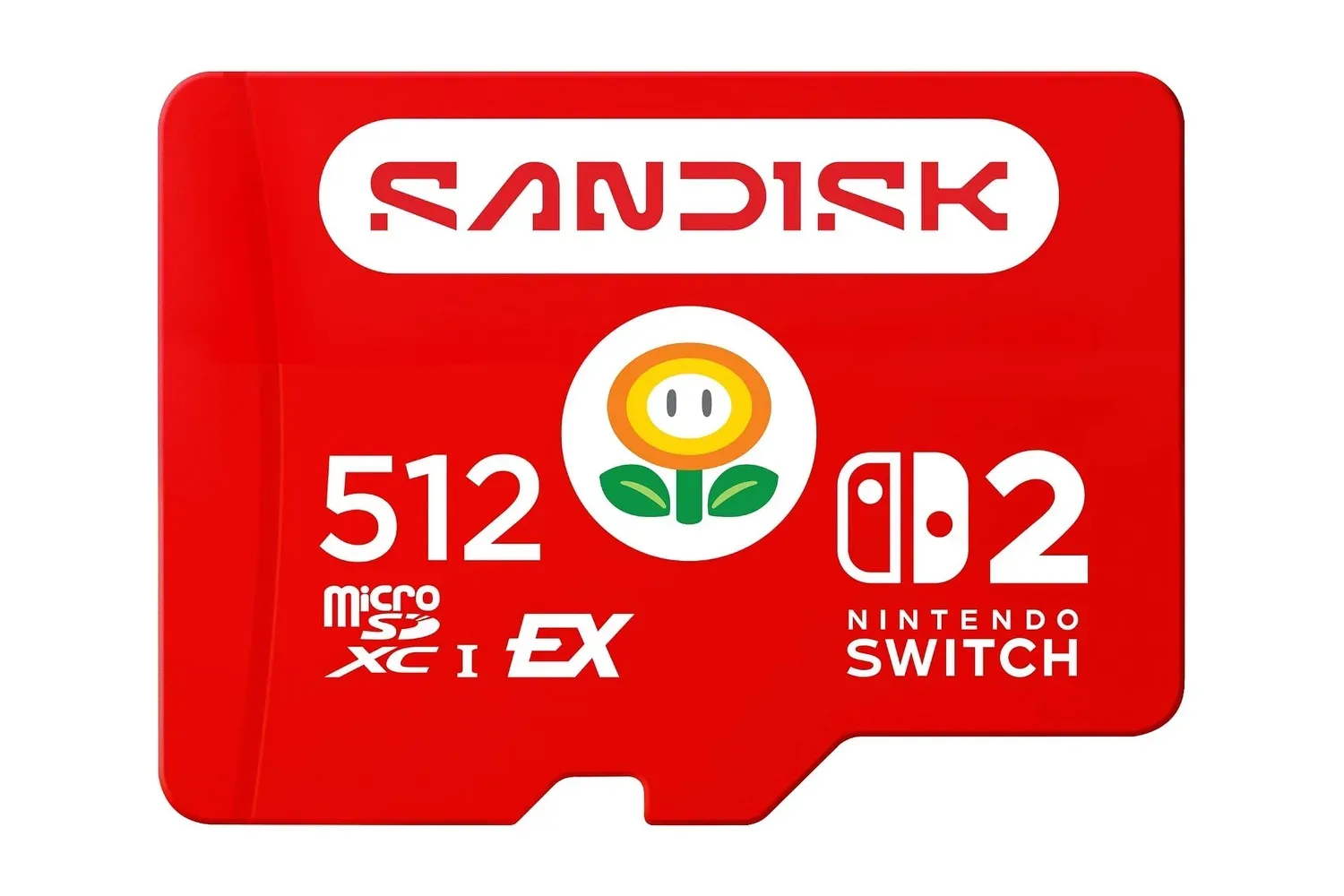
SanDisk’s officially licensed 512GB microSD Express Card for Nintendo Switch 2 is currently listed at $150, reduced from $200. That is a $50 cut, or 25% off the stated regular price. For players building a mostly digital Switch 2 library, the deal puts a substantial capacity expansion below its listed price while retaining the new microSD Express format intended for the console.
The card is designed to go in the Switch 2’s microSD Express slot, after which the console detects it and can use it for game storage and transfers. It carries a limited lifetime warranty and is rated for resistance to water, temperature extremes, humidity, X-rays, drops and shock. In other words, it is a tiny piece of storage designed for the rather untiny job of holding a growing game collection through commutes, holidays and the occasional backpack full of charging cables.
What the $150 card provides
The headline specification is straightforward: 512GB of additional storage. In practical terms, that extra room can help a Switch 2 owner keep more installed games, software updates and downloadable content on the system at one time. Games and their post-launch additions can accumulate, so capacity is useful not only for the next full release but also for leaving enough space available when an installed title receives another update.
That matters most to players who prefer keeping a broad selection ready to launch rather than re-downloading software whenever plans change. A larger installed library is particularly convenient for travel, shared consoles and households with several games in regular rotation. The source material specifically identifies Mario Kart World as one example of a title a player could keep installed alongside other software.
There is an important limit to keep in mind: 512GB is a capacity figure, not a promise of a particular number of games. File sizes vary, and updates and DLC also consume storage. The sensible way to judge the card is therefore not “how many games does it hold?” but whether an additional 512GB changes how often someone would need to manage installed software. For a player constantly clearing space, the answer may be very different from that for someone who buys only a few digital releases each year.
MicroSD Express, PCIe and NVMe: the useful technical bit
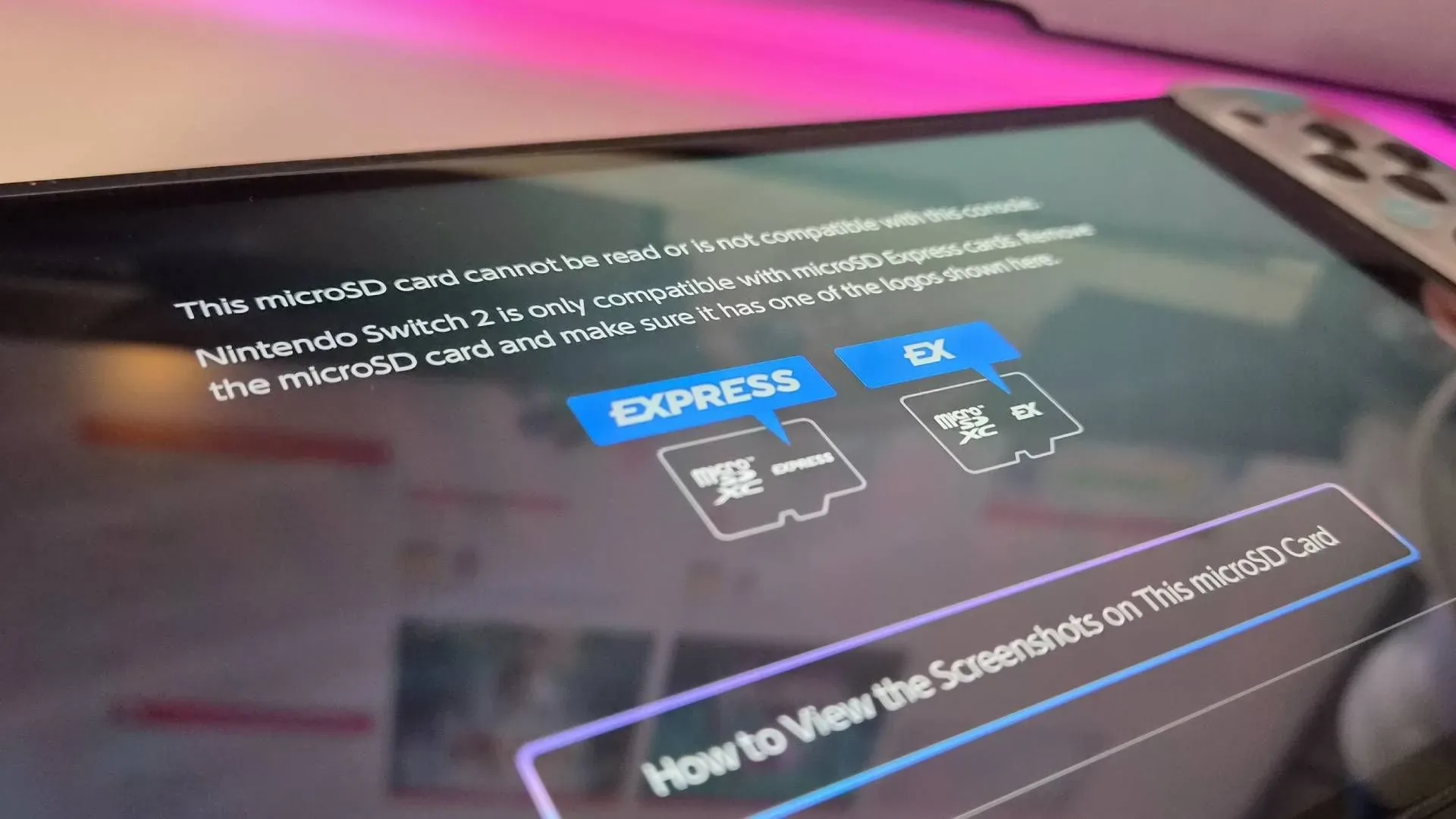
The notable distinction here is that this is a microSD Express card rather than simply a conventional microSD card. The card uses a PCIe and NVMe interface. Those terms describe the communication path and storage protocol used to move data: PCIe is a high-speed connection standard, while NVMe is a protocol built for storage operating over that kind of connection.
For a Switch 2 owner, the plain-English significance is that the product is made for the console’s microSD Express storage expansion. The card’s quoted maximum sequential read speed is up to 880MB/s, while its maximum sequential write speed is up to 650MB/s. It also carries a minimum sustained write speed rating of 220MB/s.
Related coverage includes SanDisk's 512GB Switch 2 microSD Express Card Drops to $150.
Sequential speeds refer to reading or writing data in an ordered, continuous stream. That is useful context for tasks such as moving large files or downloading data to the card. A maximum speed should not be read as a guarantee that every activity reaches that figure. Storage performance in real use can be affected by the device, the task and the data involved. Still, these ratings explain the product’s focus: it is intended to support rapid access to stored games and faster transfers or downloads than a slower storage option might allow.
The card can also operate at UHS-I speeds in compatible microSD UHS-I and UHS-II equipment. That gives it some utility outside the Switch 2 in compatible hardware, but the core purchase case is plainly Switch 2 expansion. Buyers should not assume that a different device will unlock the same Express-mode behavior simply because it accepts a microSD card; interface support matters.
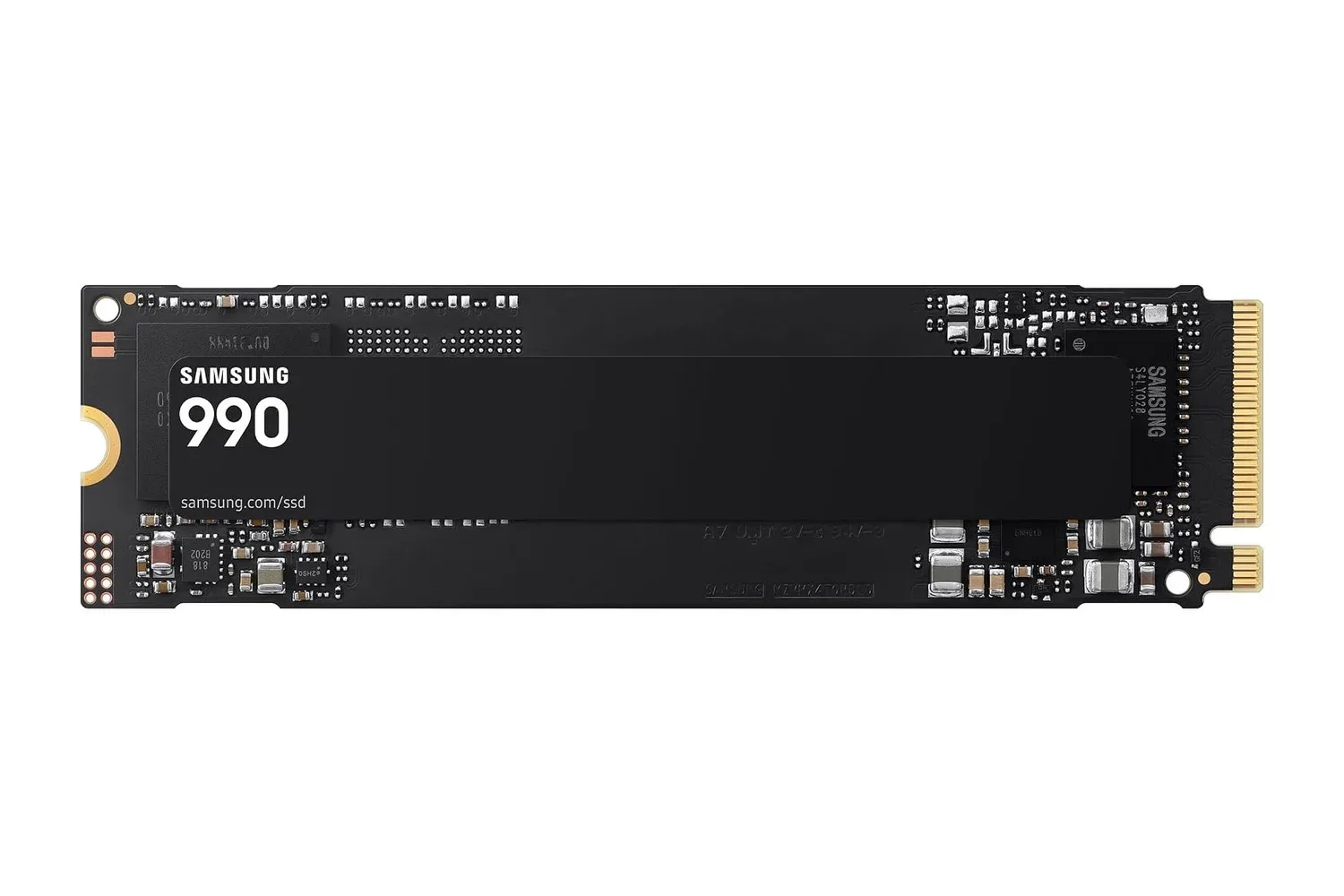
Anyone comparing broader game-storage hardware may find it helpful to contrast the terminology with a full-size PC SSD. Our look at the Samsung 990 1TB NVMe SSD covers another PCIe/NVMe storage product, but the physical format, capacity and host-device requirements are different. A Switch 2 owner needs a microSD Express solution appropriate for the console’s slot, not a desktop or laptop NVMe drive.
Who the discount is most useful for
This card makes the clearest case for someone who has already encountered storage pressure on Switch 2 or expects a digital library to grow quickly. If deleting games to install new ones is becoming routine, a 512GB expansion can turn that repeated management task into a much rarer concern. It can also be appealing for people who want several large games, their updates and their expansions available without planning a download in advance.
It is less automatically compelling for everyone else. A player whose library is mainly physical, modest in size or actively curated may not need this much expansion immediately. Likewise, “officially licensed” and high-speed specifications are reassuring for the intended platform, but they do not by themselves make $150 an essential purchase for a console with plenty of free space.
That is the key practical distinction in this sale. The discount reduces the cost of the card, but it does not change the underlying question: will 512GB solve a current storage problem, or merely create a very expensive amount of unused breathing room? The latter is not bad—available capacity can be helpful—but it is worth recognizing before treating a percentage discount as an automatic upgrade.
A quick buying checklist
- Confirm the device: This model is intended for Nintendo Switch 2 and its microSD Express slot.
- Check current free space: Storage settings can show whether game installs, updates and DLC are already forcing regular deletions.
- Consider your library habits: Frequent digital purchases and a preference for keeping many games installed strengthen the case for 512GB.
- Look at the actual listing before checkout: The $150 figure is a current listing price and retailer pricing can change.
- Do not confuse formats: A standard microSD card, a microSD Express card and a PC NVMe SSD are not interchangeable just because storage terminology overlaps.
Durability and the unglamorous value of an internal upgrade
Storage cards are easy to overlook because they disappear into a slot and ideally never demand attention again. That is precisely why their durability claims matter. SanDisk says this one meets requirements for water resistance, temperature resistance, high-humidity resistance, X-ray resistance, drop resistance and shock resistance. Those characteristics are relevant to a portable console accessory that may move between a dock, a carrying case, a bag and a car.
They should not be interpreted as a reason to test a card against every liquid, floor or luggage scanner in sight. Rather, they describe a product designed with the hazards of everyday portable use in mind. Combined with the limited lifetime warranty, they add to the case for seeing the card as long-term infrastructure for a Switch 2 library rather than a disposable stopgap.
Installation is also uncomplicated: insert the card into the console’s microSD Express slot, let the system recognize it, then move games or begin using the additional storage. The appeal is not novelty. It is reducing friction. More storage means fewer decisions about what must be removed before the next download begins, and fast rated transfer performance is intended to make the remaining data movement less of a wait.
At $150, SanDisk’s 512GB licensed microSD Express card is a meaningful price reduction for a focused upgrade. It will be most valuable to Switch 2 owners whose digital libraries, patches and DLC already compete for limited room. For them, the extra 512GB, the Express-oriented design and the quoted 880MB/s read and 650MB/s write ratings make this a straightforward way to prioritize installed-game flexibility over storage housekeeping.
Shop the products
Check current price, model and availability at the retailer.