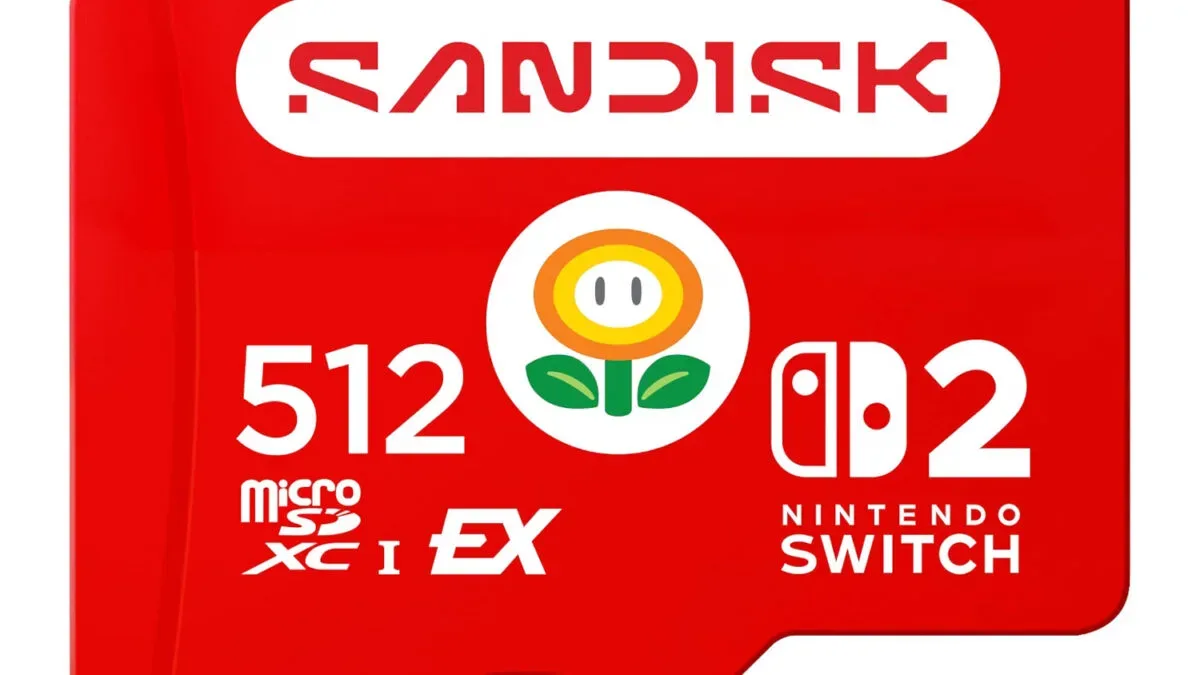
Nintendo Switch 2 owners looking to keep more games installed have a potentially meaningful storage deal to weigh: the SanDisk 512GB microSD Express card was listed at $160, a 20% reduction from its stated $200 regular price. That is still a premium-priced memory-card upgrade, but it cuts $40 from hardware that uses the storage format required by the console.
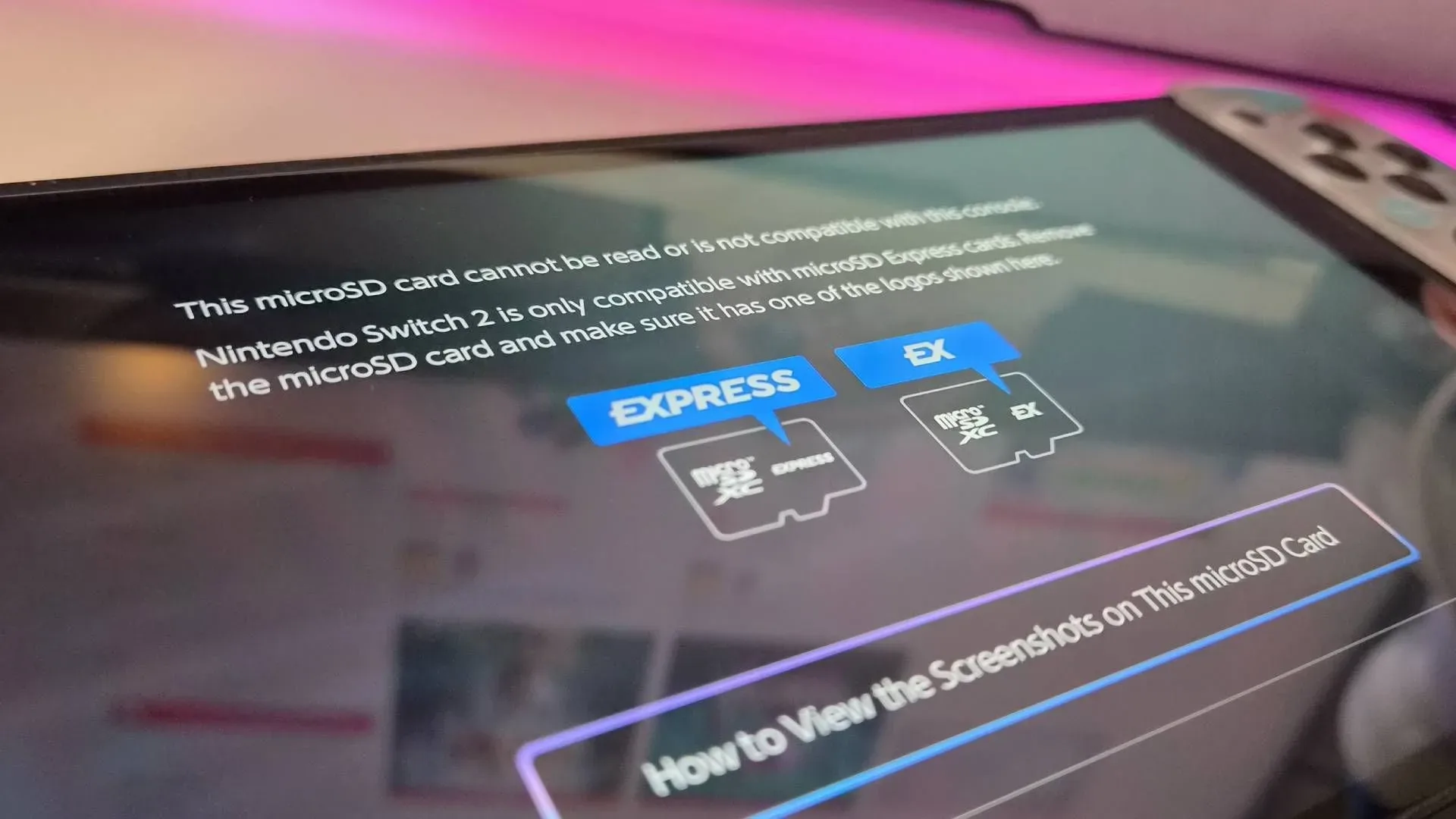
The important word in that product description is Express. Switch 2 requires a compatible microSD Express card rather than treating every ordinary microSD card as interchangeable expansion storage. Buyers should therefore check the specific card description and its compatibility before ordering; 512GB alone does not establish that a card is the correct format for the console.
The deal was described as the card’s first price low in an Early Prime Day promotion. Retail listings and promotional prices can change quickly, so the practical takeaway is the reported $160 price point rather than a promise that it will remain available.
What 512GB changes for Switch 2 storage
Switch 2 has 256GB of built-in storage. Adding a 512GB card produces 768GB of total raw storage capacity across the internal storage and expansion card. Put another way, the add-on supplies twice as much capacity as the console’s stated internal storage, bringing the total to three times the starting figure.
That does not mean all 768GB will necessarily appear as open space for game installs. Devices and games can use storage for system data, updates, saved material, and other files. Still, the arithmetic makes the upgrade easy to understand: it is a major capacity expansion rather than a small safety net for one or two extra downloads.
Storage needs also depend on how someone uses the console. A player who keeps a compact rotation of games installed and is comfortable deleting completed titles may find the built-in 256GB adequate for a long time. Someone who leaves a broad library ready to play, downloads frequent updates, or wants less administration between games has a clearer reason to consider 512GB.
The value is not just the number of games that fit. More room reduces the frequency of the familiar decision between clearing space, redownloading a title later, and putting off a new install. That convenience is difficult to measure in gigabytes, but it is the core benefit of an expansion card at this capacity.
Why the card type matters
microSD Express is a storage-card format designation. In this case, it matters because the Switch 2 calls for that specific category of card. It is not enough to see “microSD” on a package and assume it will serve as Switch 2 game storage.
The SanDisk card is rated for speeds of up to 880MB/s. “Up to” is important technical language: it is a maximum advertised figure, not a guarantee that every transfer, game launch, update, or capture operation will hit that exact rate. Performance can vary with the task and the system’s own limits.
It also would be a mistake to turn a high headline speed into an automatic promise of radically different game loading behavior. The supplied specifications establish that the card is designed for the required format and list its maximum speed rating, but they do not establish a title-by-title loading-time comparison. A sensible purchase decision should center on compatibility and capacity first, with the rated speed as a relevant specification rather than a substitute for testing.
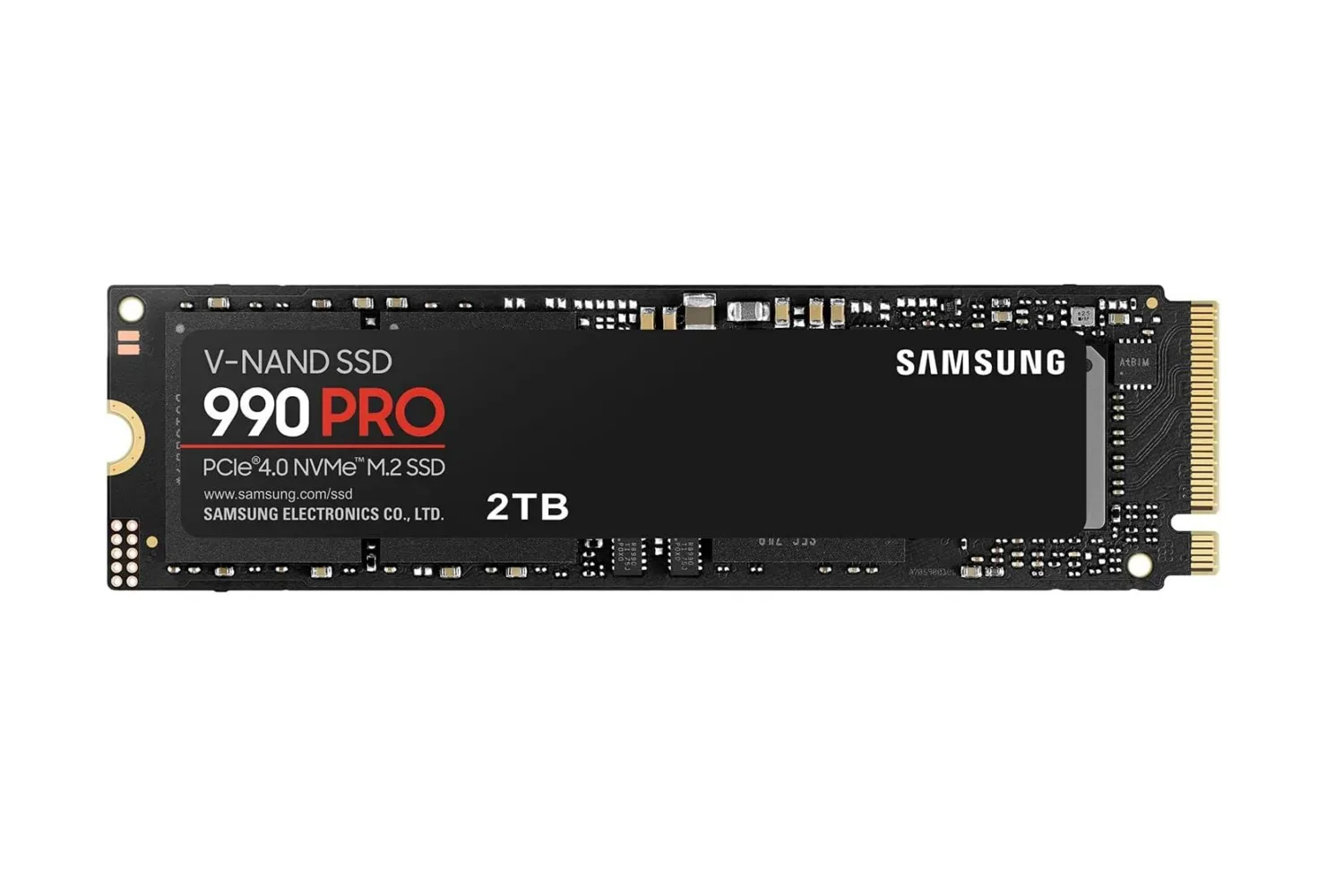
For readers interested in the broader storage market, the same basic caution applies to faster internal drives: capacity, interface, real-world use case, and price all matter alongside a headline transfer number. That distinction is explored in this look at the Samsung 990 Pro 2TB SSD listing and NAND flash price pressure, though a PC SSD and a Switch 2 microSD Express card are different products for different devices.
Games are only part of the storage equation
Extra capacity can also leave room for captured images and video clips. For players who regularly save a highlight, document a glitch, or hold onto screenshots, that reduces the chance that media management will collide with room needed for game downloads.
The benefit may be especially noticeable for players who primarily use sleep mode instead of fully shutting down the console. Having more of a library installed means returning to an already-downloaded game is simpler than managing installs around the next session. The card does not change the console’s sleep behavior; it simply makes storage constraints less likely to dictate what remains accessible.
There is also a gifting angle. Storage is not as flashy as a controller or a new release, but a properly compatible card is broadly useful for a Switch 2 owner who downloads games. The catch is cost. At the stated $200 standard price, this 512GB option is considerably more expensive than many cards people may associate with older hardware. Its compatibility requirement is precisely why comparing it only with cheaper, general microSD cards can be misleading.
Who should consider the $160 listing
- Good fit: A Switch 2 owner who expects to maintain a large digital library, wants space for captures, or is already routinely managing the console’s 256GB of internal capacity.
- Worth considering: Someone buying a practical Switch 2 gift and who has confirmed the recipient uses digital downloads or wants more room for them.
- Less urgent: A player with a small active library who is happy to archive or remove games as needed. The internal capacity may be sufficient without a $160 purchase.
- Do not assume: That any lower-cost microSD card is a replacement. Switch 2’s microSD Express requirement is the key compatibility checkpoint.
A careful way to evaluate the deal
The discount is straightforward: $40 off $200 equals 20%, resulting in the reported $160 listing. Whether that is a good buy depends on the cost of avoiding ongoing storage management. For a user who would otherwise repeatedly remove and redownload games, the capacity can be worth the premium. For someone with only a handful of installed titles, a large expansion card can be convenience bought well ahead of actual need.
Before purchasing, confirm three details on the listing: that it is explicitly a microSD Express card, that the capacity is 512GB, and that the displayed price is still $160. Those checks are more valuable than relying on a product thumbnail or a generic search result, particularly when similarly named memory cards may use different formats.
At the reported sale price, the SanDisk card delivers a substantial expansion from Switch 2’s stated 256GB base storage to 768GB of total raw capacity. It is not a low-cost accessory, and its speed rating should not be read as a blanket performance guarantee. But for a Switch 2 library that is growing faster than its available space, it addresses the practical problem directly: more compatible room for games, screenshots, and clips without constant uninstalling.
Shop the products
Check current price, model and availability at the retailer.