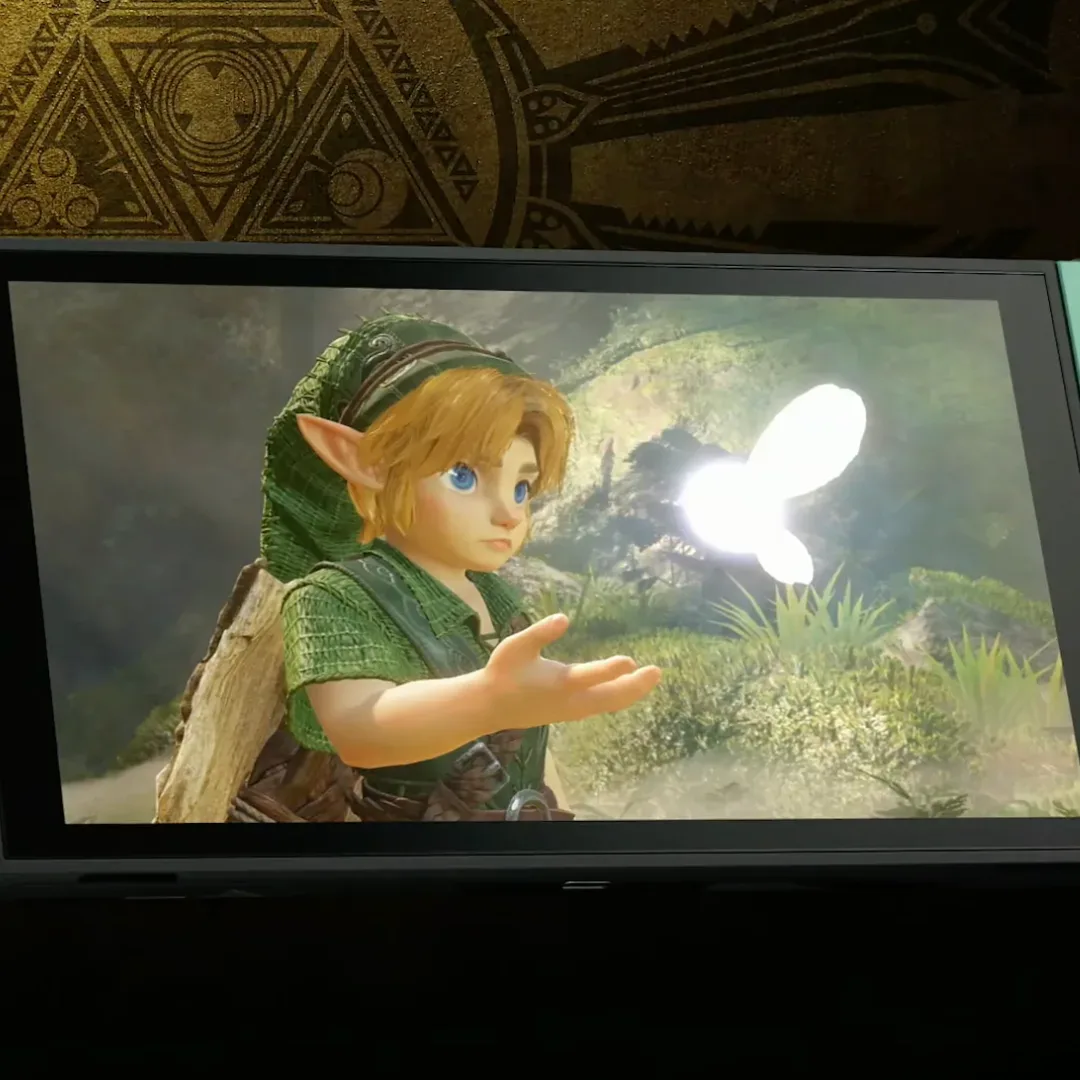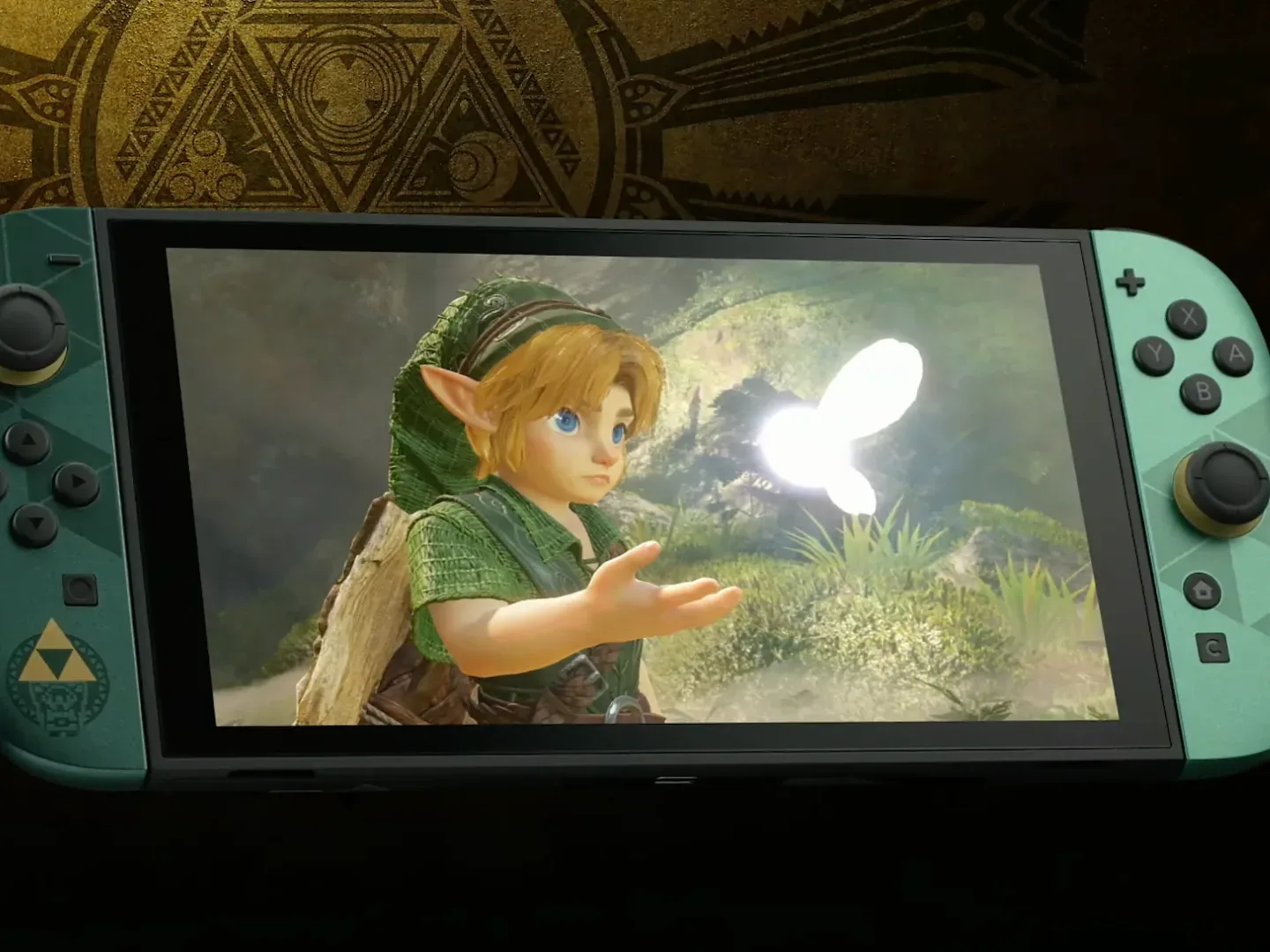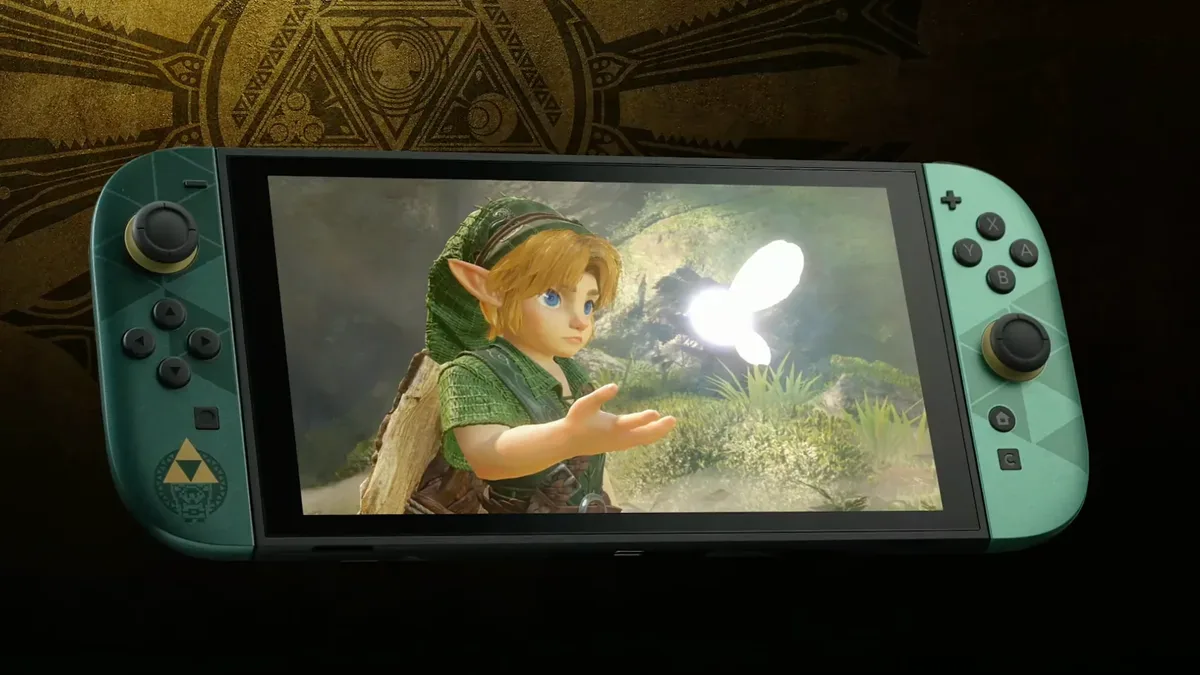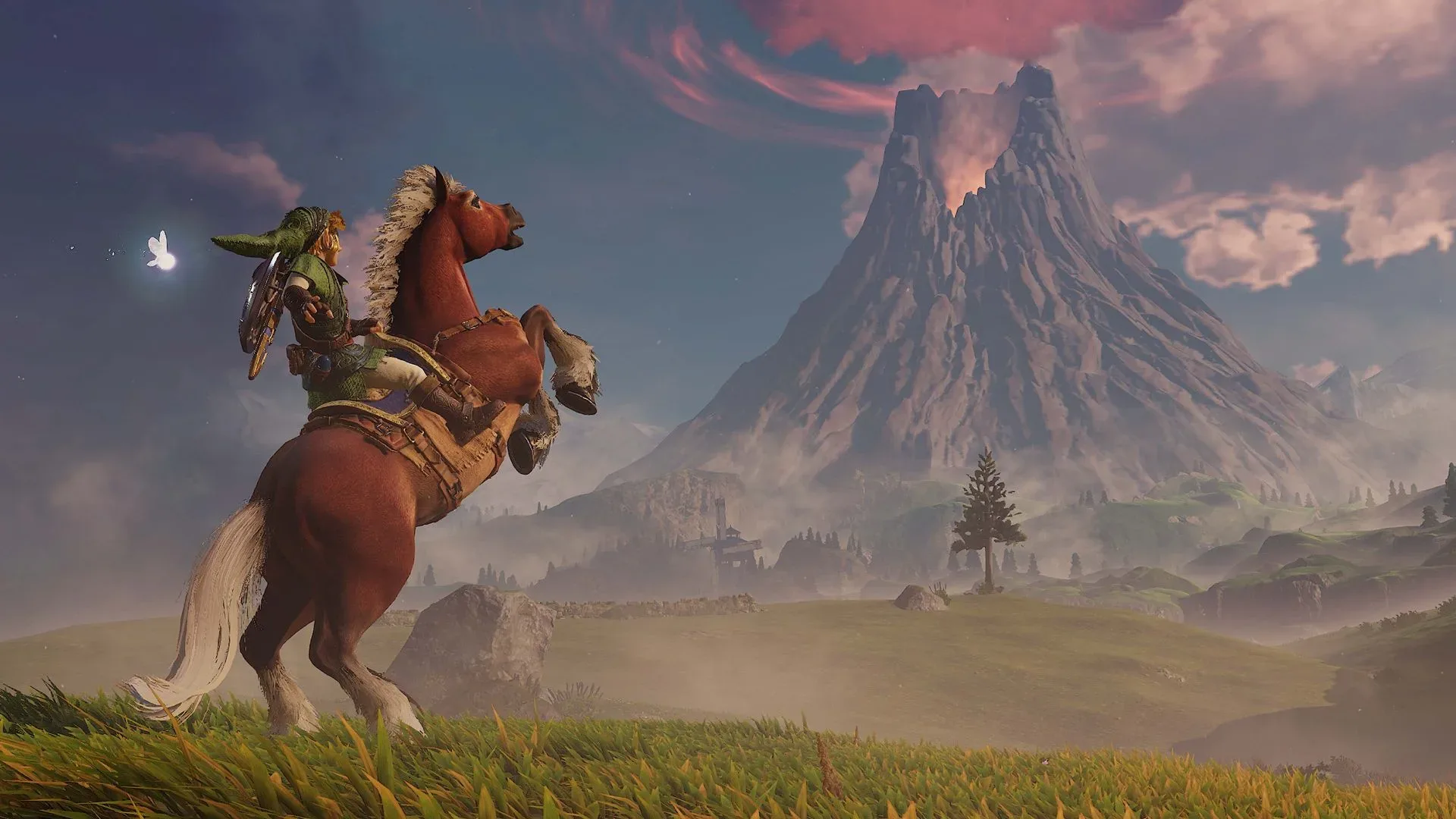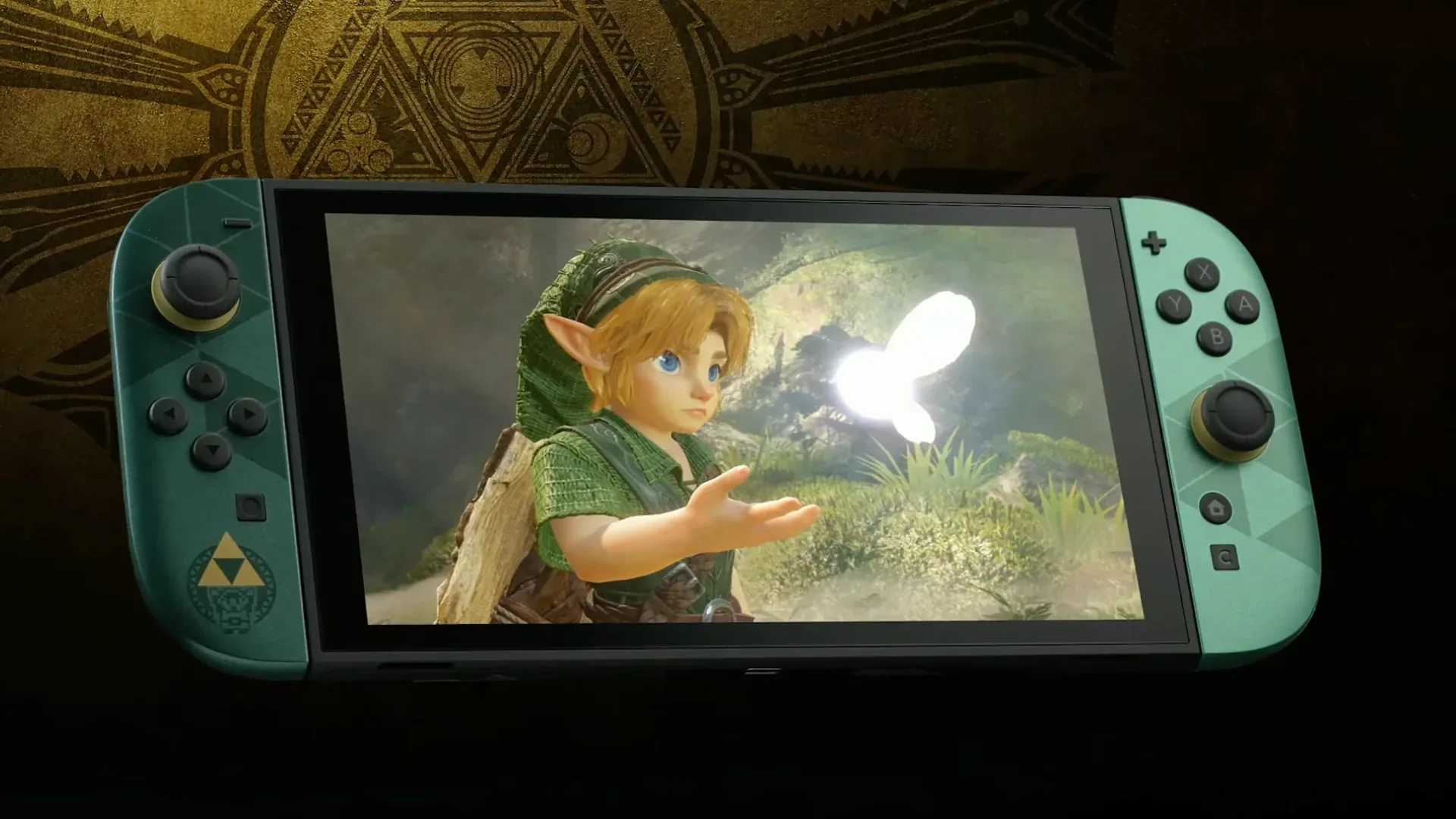
Nintendo has acknowledged that it misjudged the scale of demand for the The Legend of Zelda 40th Anniversary Edition Switch 2. The themed hardware, unveiled alongside the newly announced The Legend of Zelda: Ocarina of Time remake, rapidly sold through pre-sales in multiple markets.
Bill van Zyll, Nintendo’s vice president and general manager for Latin America, described the shortage as a worldwide issue rather than a problem isolated to one territory. He said the company expected a positive response but did not anticipate its magnitude, and that the United States performed especially strongly. Brazil was among the regions where pre-sales reached their limit.
“We underestimated how well it would be received,” van Zyll said, while apologizing for the situation and characterizing demand as a global phenomenon.
The immediate practical news for people who missed the initial wave is that Nintendo says it is working on more stock. Van Zyll said replenishment efforts cover both the special hardware and software, but stressed that this will take time and asked customers to be patient. No restock date, regional allocation, retailer list, or indication of how much additional hardware will be made available was provided.
What sold out—and what Nintendo has actually confirmed
The Zelda 40th Anniversary Edition is a Switch 2 system themed around the long-running series. Its rapid sellout followed its reveal in the same period as the Ocarina of Time remake announcement, creating a concentrated moment of interest around two related products: commemorative hardware and a major new version of a highly recognizable Zelda game.
That relationship is important, but it should not be overstated. Nintendo has confirmed that it plans to replenish special hardware and software. It has not provided a timetable tying a particular restock to the remake, nor has it detailed whether every region will receive the same amount of hardware at the same time.
The special-edition console is scheduled to launch on October 29. The Ocarina of Time remake is scheduled for November 5. Those dates create a short window in which demand for the system may remain intense, particularly among players who want Zelda-themed hardware around the remake’s release. They do not, however, amount to a confirmed restock plan.
Why “pre-sales hit their max” is not the same as permanent unavailability
Pre-sales, often called preorders, are purchases or reservations accepted before a product’s official launch. Retailers and platform holders typically set a limit on how many orders they will accept based on expected inventory. Once that allocation is exhausted, listings can show as sold out even when more units may later be manufactured, shipped, or assigned to stores.
Related coverage includes Nintendo Says Zelda 40th Anniversary Switch 2 Demand Was Underestimated, Restocks Planned.
That distinction matters here. Nintendo’s comments do not erase the frustration of an immediate sellout, but they do establish that the company is planning replenishment rather than presenting the first allocation as the only one. At the same time, “replenishment” is a broad term. It can mean more stock arrives at official stores, participating retailers, or different markets on different schedules. Until Nintendo provides specifics, buyers should treat any claim of a precise restock day or quantity cautiously.
Van Zyll’s remarks also point to an issue larger than one retailer’s website. He described shortages across markets, with high demand in the United States and Brazil among the examples mentioned. That suggests that simply changing storefronts may not solve the underlying availability problem, because the constraint appears to be broader supply versus demand rather than an isolated retailer failure.
What prospective buyers can do now
There is no confirmed shortcut around a limited initial allocation. The most grounded approach is to monitor official Nintendo channels and established retailers for verified stock updates, particularly as the October 29 hardware launch and November 5 game release approach.
- Watch for official replenishment notices: Nintendo has said additional stock is being worked on, but has not supplied a date. Official confirmation is more useful than rumors about inventory.
- Check retailer listings periodically: Initial pre-sale allocations can differ from launch-period inventory, and retailers may receive stock at different times. A sold-out page today does not establish that the item will never return.
- Separate confirmed facts from assumptions: The console launch date and remake release date are known; a date for more Zelda 40th Anniversary Edition units is not.
- Be cautious with urgency claims: The available information supports the existence of substantial demand and planned replenishment, but it does not establish that every unit will remain permanently scarce.
For buyers focused principally on playing the remake rather than owning themed hardware, Nintendo’s statement that it is also working on software replenishment is relevant. Still, the company has not offered a detailed explanation of which software stock is affected or how the replenishment process will be handled. It is sensible to avoid reading more into that line than Nintendo has stated.
A familiar pressure point for Zelda hardware
Special hardware occupies an unusual place in game launches. It is functional consumer technology, but it is also presentation-driven merchandise built around a franchise identity. A Zelda anniversary design can appeal simultaneously to people entering a new release cycle, long-time series fans, and buyers who value the visual theme of a limited or commemorative model. Those interests can overlap, making early demand harder to forecast than demand for a standard console configuration.
Nintendo’s acknowledgement is notable because it is direct: the company expected enthusiasm, but not demand at this level. That is more informative than a generic sold-out notice, as it confirms that the shortage was beyond Nintendo’s own expectations and that the company intends to respond with more supply.
It does not answer several of the questions customers are likely to have. There is no confirmation of whether replenished units will be labeled as a new wave, whether demand will be met before the remake arrives, or whether every market mentioned will receive comparable inventory. Nor is there a basis yet for judging how long the special edition will remain available after future shipments begin.
The timing also puts Nintendo’s handling of stock under particular attention. The system arrives on October 29, followed one week later by the remake on November 5. For many customers, that means the next several weeks may determine whether the anniversary edition becomes readily obtainable at normal retail channels or remains difficult to find during the game’s launch period.
The key takeaway: restocks are planned, schedules are not
The headline is encouraging but limited. Nintendo has recognized that Zelda 40th Anniversary Edition Switch 2 demand exceeded forecasts worldwide, including exceptionally strong interest in the United States and sold-out pre-sales in Brazil. It has apologized, and it says more special hardware and software are being prepared.
What remains unknown is just as important for anyone deciding whether to wait: there is no confirmed restock date, no disclosed shipment size, and no market-by-market breakdown. For now, the best expectation is not an instant fix but a gradual return of inventory once Nintendo’s replenishment work reaches retailers and its own store.
As Nintendo’s wider release slate develops, prospective players can also follow other upcoming-game developments, including new details on Final Fantasy 7 Revelation’s difficulty options. For the Zelda hardware specifically, though, the central advice remains the same: wait for verified availability information rather than treating the first sold-out wave as the final word.