Elden Ring’s latest multiplayer patch has arrived with a very specific mission: stop a peculiar rain of premium loot from falling on players who had not purchased it. Patch 1.17.1 addresses an issue tied to the new Tarnished Pack, a $5 add-on introduced alongside the game’s Switch 2 edition. Under certain multiplayer conditions, items linked to that paid pack could be obtained by players who were not normally entitled to them.
FromSoftware’s official patch notice is concise. It says the update fixes a multiplayer problem in which DLC-specific items could be acquired by players who were not eligible, and stresses that Patch 1.17.1 does not add further content. In other words, this is a containment patch rather than a broad gameplay overhaul: no fresh weapons, no surprise dungeon, no additional balance slate, and no mysterious chest with an item description that sends lore hunters into a seven-hour argument.
What the multiplayer loophole did
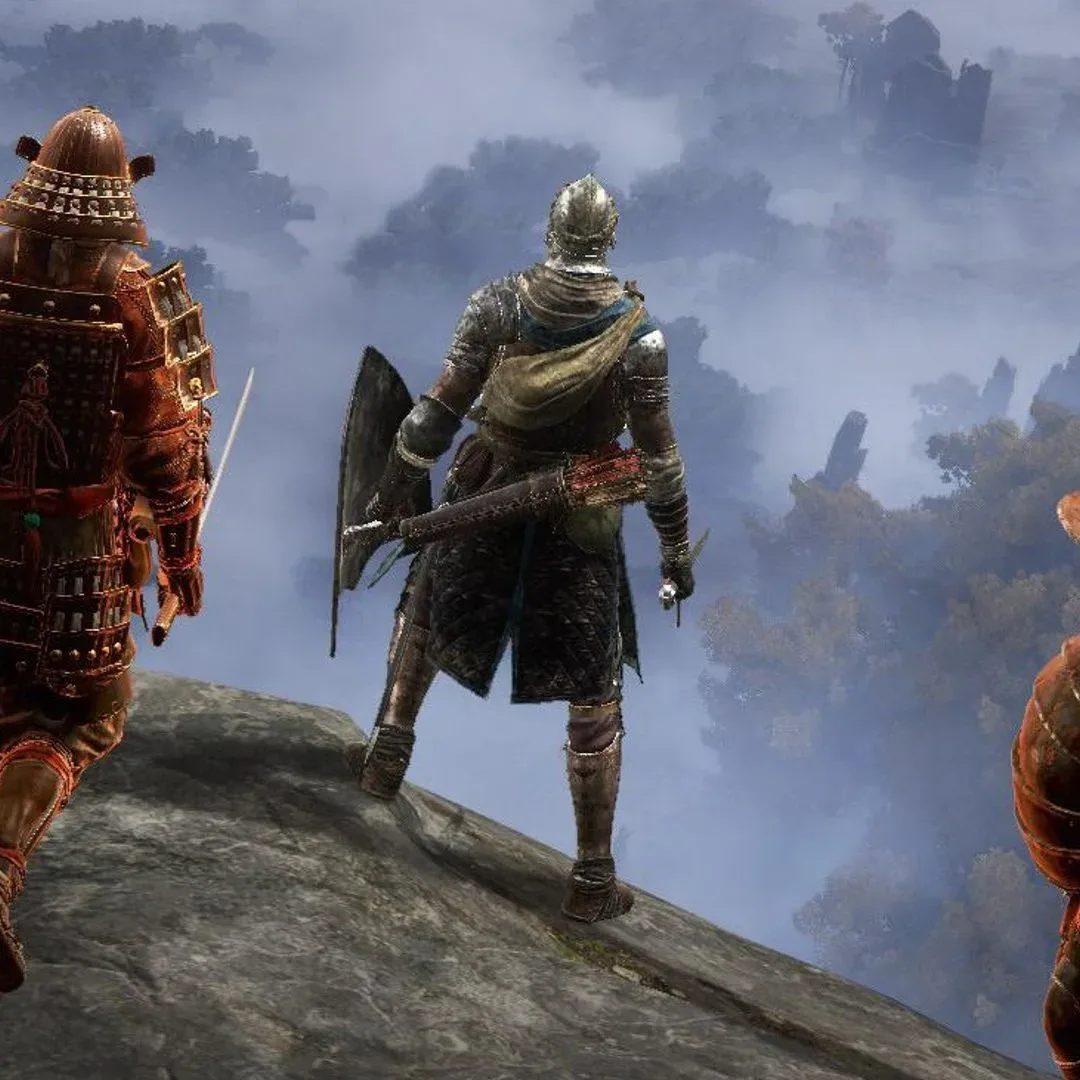
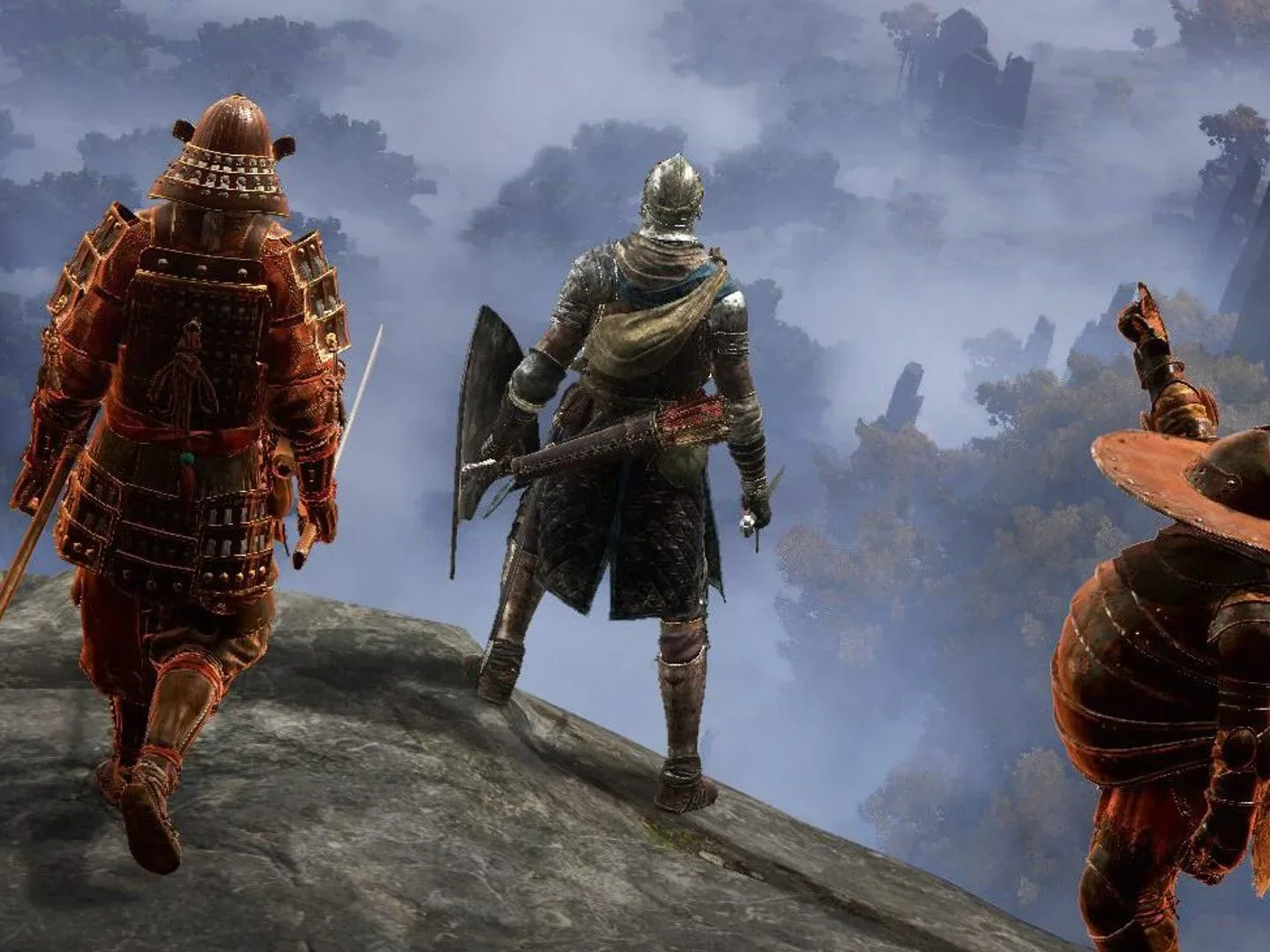
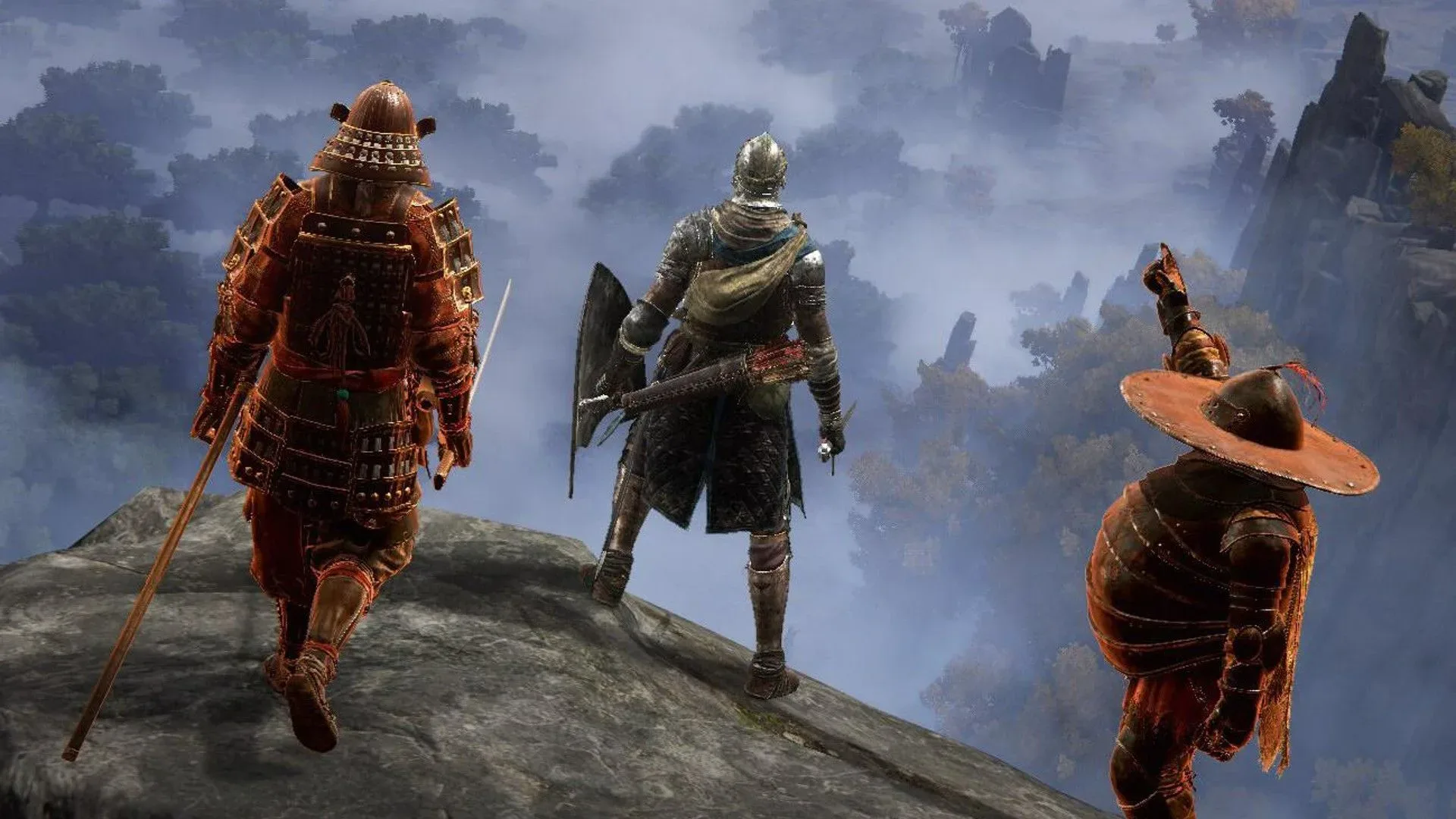
Patch 1.17 added the paid Tarnished Pack. Its contents include the Idus Knight and Heavy Knight starting classes, additional weapons, and horse armor. The pack is also included with Elden Ring’s newer Switch 2 edition, while it is sold separately for $5 elsewhere.
Before the fix, the interaction between ownership and multiplayer created an unusual duplication-style situation. A player who had access to Tarnished Pack items could enter multiplayer with somebody who did not own the DLC, and copies of those DLC-linked items could appear as pickups. That meant an ineligible player could potentially collect the new items without separately buying the pack.
It was less a traditional exploit involving obscure button inputs and more a rewards system having a brief identity crisis. In a game built around summoning strangers to defeat horrifying demigods, the multiplayer connection apparently became an accidental delivery service for paid gear.
Patch 1.17.1 shuts down that specific route. The change does not mean Tarnished Pack gear has become impossible to share in every circumstance. Players can still trade DLC items with one another, including with people who do not own the Tarnished Pack. What has ended is the automatic bounty of extra pickups generated through the flawed multiplayer behavior.
A small patch that has prompted a larger argument
The practical stakes may be only $5 and a set of digital equipment, but the community reaction is much bigger than the price tag. Some players have objected not merely to the patch, but to what they see as the priority behind it. Their frustration centers on the speed with which a loophole involving paid content was corrected, compared with their desire for more quality-of-life or balance work.
That sentiment is not the same as a dispute over whether bugs should be fixed. Most live games need ownership rules to function predictably, especially in multiplayer. If a paid item is unintentionally spawning for people without access to it, a developer will understandably view that as a defect. Still, players who regard the Tarnished Pack itself as too modest for its cost see the correction as an uncomfortable statement of values: the game moved quickly when DLC access was involved.
Related coverage includes Elden Ring Patch 1.17.1 Closes Multiplayer Loophole That Granted Tarnished Pack Items.
Patch 1.17.1 fixes the eligibility issue, but it has also made the Tarnished Pack’s value proposition a much more visible subject among Elden Ring players.
That is why discussion around the update has broadened into a debate about monetization, rather than remaining a narrow note in patch-history trivia. FromSoftware’s games have built much of their modern reputation on substantial standalone releases and expansions. A $5 content pack containing classes, weapons, and cosmetic horse gear sits differently in that history than a major expansion. For some fans, it is a harmless optional extra; for others, it resembles a step toward a model they would rather not see become routine.
Neither position changes the immediate facts. The Tarnished Pack is paid content, the multiplayer loophole allowed some ineligible players to acquire its associated items, and Patch 1.17.1 eliminates that issue. But games are never judged only by the literal contents of a patch note. They are also judged by the expectations their communities have learned to attach to the people making them.
Trading remains, duplication does not
The distinction between trading and the fixed behavior is worth keeping clear. Trading is an intentional social element in many online action RPG communities. Players exchange gear, help each other experiment with builds, and sometimes hand over equipment to smooth out the opening hours for a friend. Elden Ring players can continue to trade Tarnished Pack items even when the receiving player has not purchased the add-on.
The removed behavior was different because it created additional item copies through multiplayer entry conditions. That matters for both the paid-content question and the game’s economy of items. A direct trade involves somebody choosing to give something away. A recurring automatic spawn can turn a limited premium bundle into an endlessly replicable pool of pickups. Patch 1.17.1 appears designed to preserve the former while preventing the latter.
There is an irony here that fits Elden Ring unusually well. A game famous for opaque systems and tales passed player-to-player briefly offered a premium-item loophole that itself spread through player knowledge and cooperation. Once discovered, it was bound to attract attention quickly. The patch has now turned that moment into a footnote, though one with enough friction to keep the conversation going.
Why the Tarnished Pack is under scrutiny
The package arrives at a point where even modest monetization experiments receive intense attention. Players are accustomed to optional cosmetics, season passes, expansions, and bundles across the industry, but they do not assess all of them in a vacuum. A developer’s previous approach, the scale of the base game, the kind of content offered, and whether ownership affects multiplayer all shape the response.
The Tarnished Pack includes gameplay-facing material in the form of two starting classes and more weapons, alongside visual customization through horse armor. That mix gives critics more to discuss than a purely cosmetic purchase would. At the same time, the continued ability to trade items means the patch has not placed a hard ownership wall around every single in-game exchange involving the pack’s gear.
Players looking for improvements outside this fix have pointed to balance and quality-of-life changes as areas they would like to see addressed. Patch 1.17.1 itself should not be read as proof that no such work is happening; the official note only establishes what this particular update does and does not include. But a focused fix can easily become a lightning rod when a community has a longer wishlist waiting in the background.
It is also a reminder that the loudest response to a technical correction is often about trust rather than technology. A multiplayer eligibility bug is straightforward enough to describe. The argument over whether a $5 pack feels appropriate for Elden Ring, and what it might suggest about future releases, is much less tidy. That question cannot be solved by changing a line in a patch note.
The immediate state of Elden Ring multiplayer
For players returning to the Lands Between, the operational takeaway is simple. Patch 1.17.1 is live, the accidental multiplayer method for receiving Tarnished Pack item pickups has been closed, and no additional content accompanies the update. Those who already own the pack retain its benefits, while players who do not own it can still receive items through normal trading with other players.
Anyone following console-game news more broadly can also keep an eye on the latest God of War Laufey casting discussion, another example of how established game communities closely watch every new detail around a major franchise.
For Elden Ring, the episode is over in code but not in conversation. Patch 1.17.1 stops the unplanned item fountain. The more enduring question is whether the Tarnished Pack remains a one-off curiosity, or becomes the kind of small paid-content model that fans will need to factor into their expectations going forward. On the evidence available now, that remains uncertain. What is certain is that multiplayer no longer doubles as a complimentary Tarnished Pack dispenser.