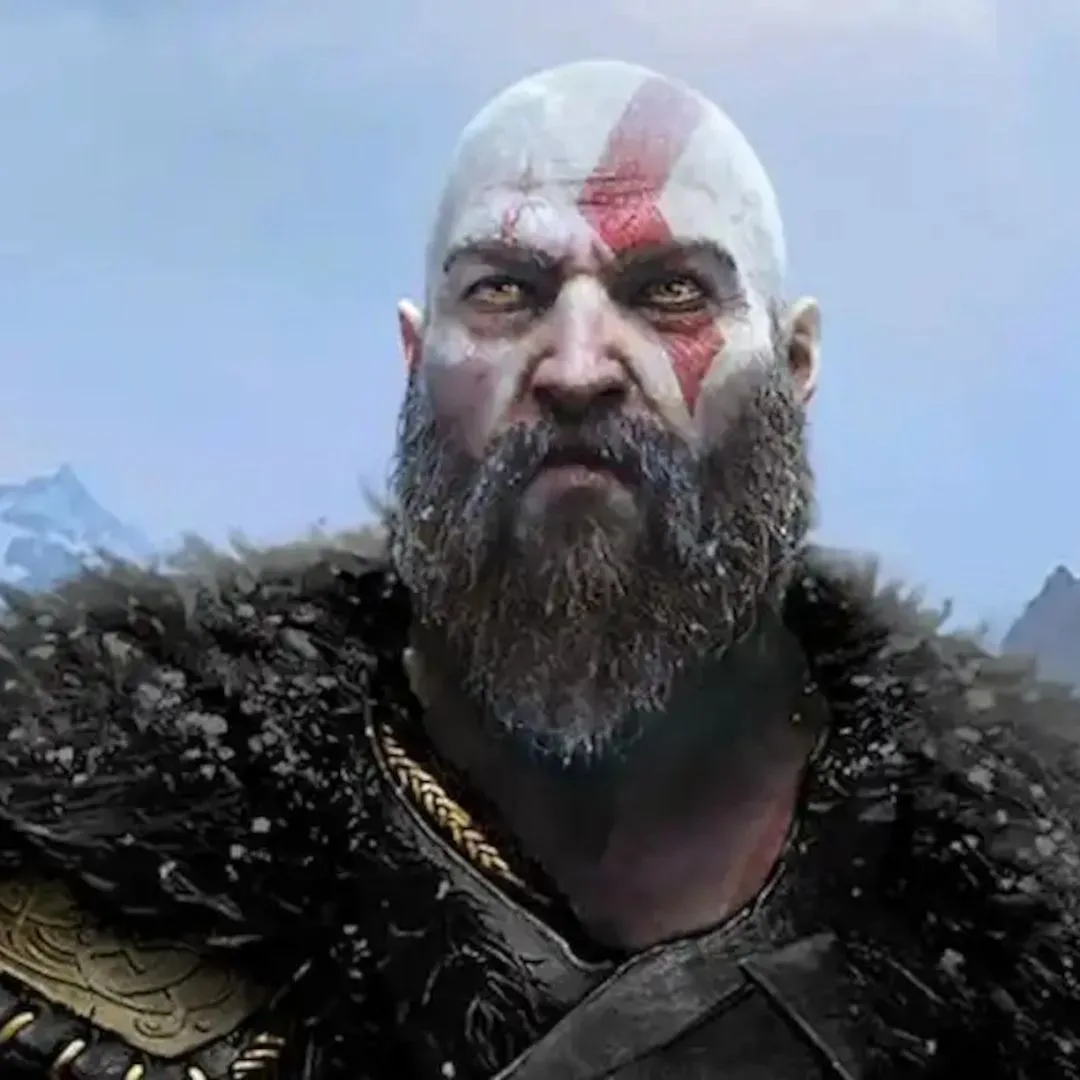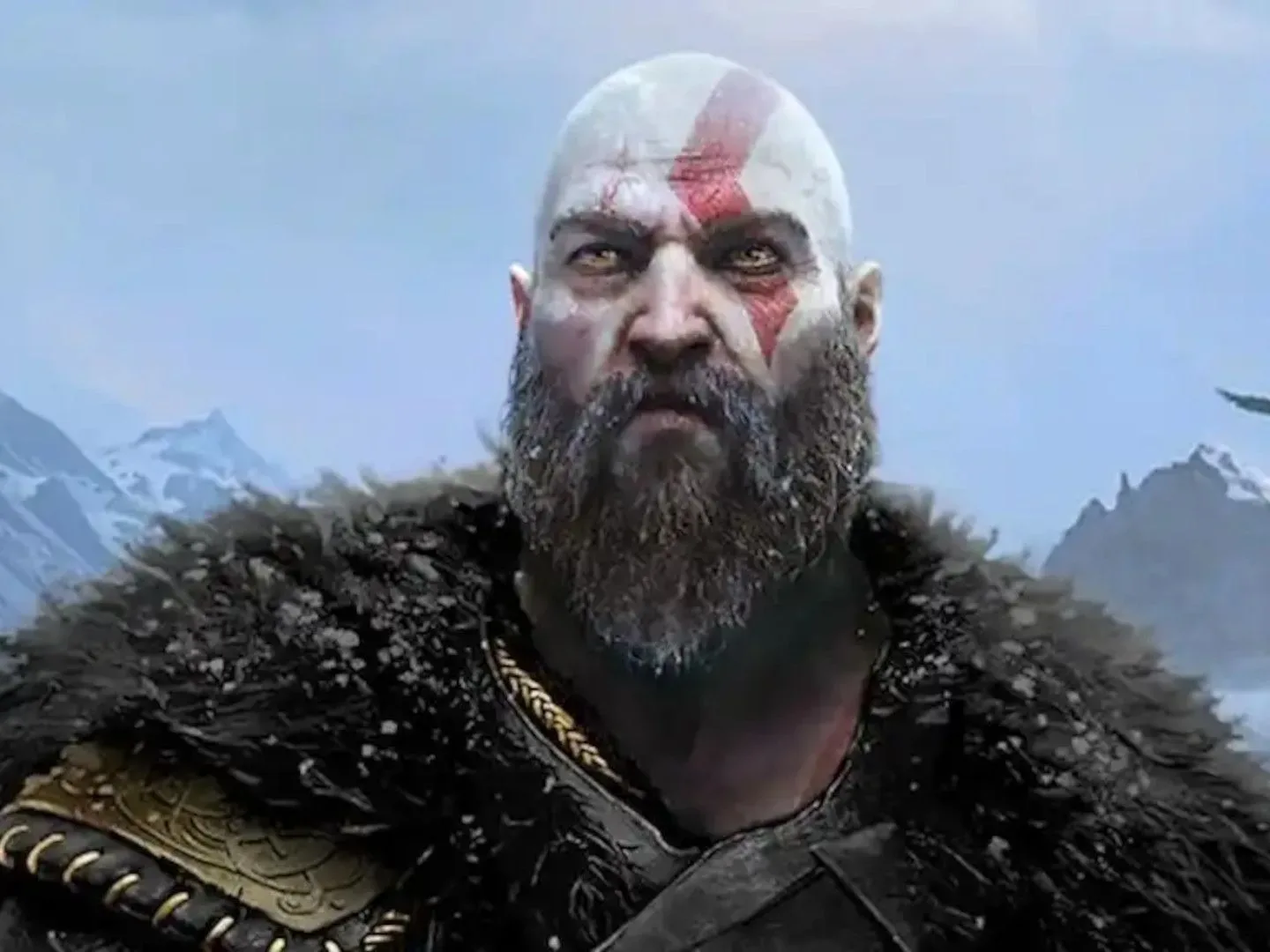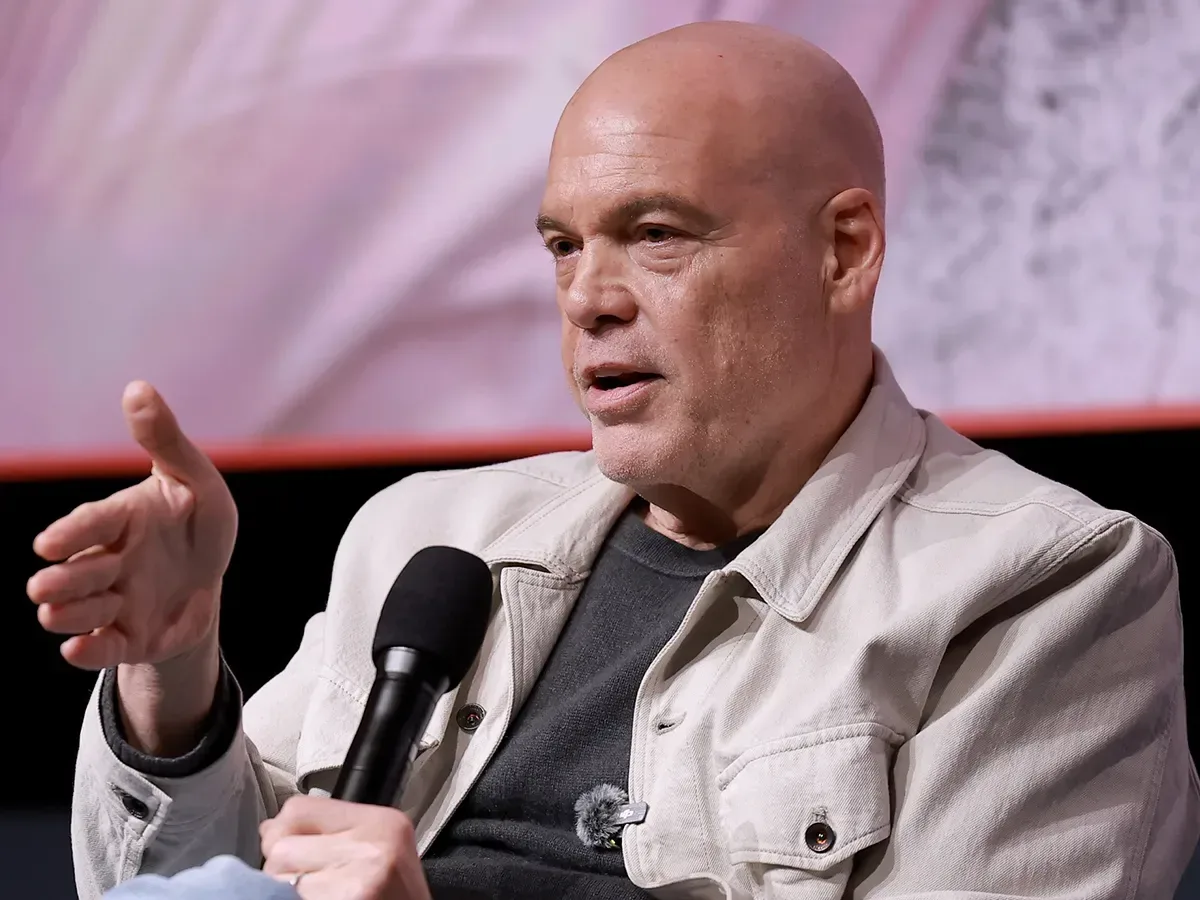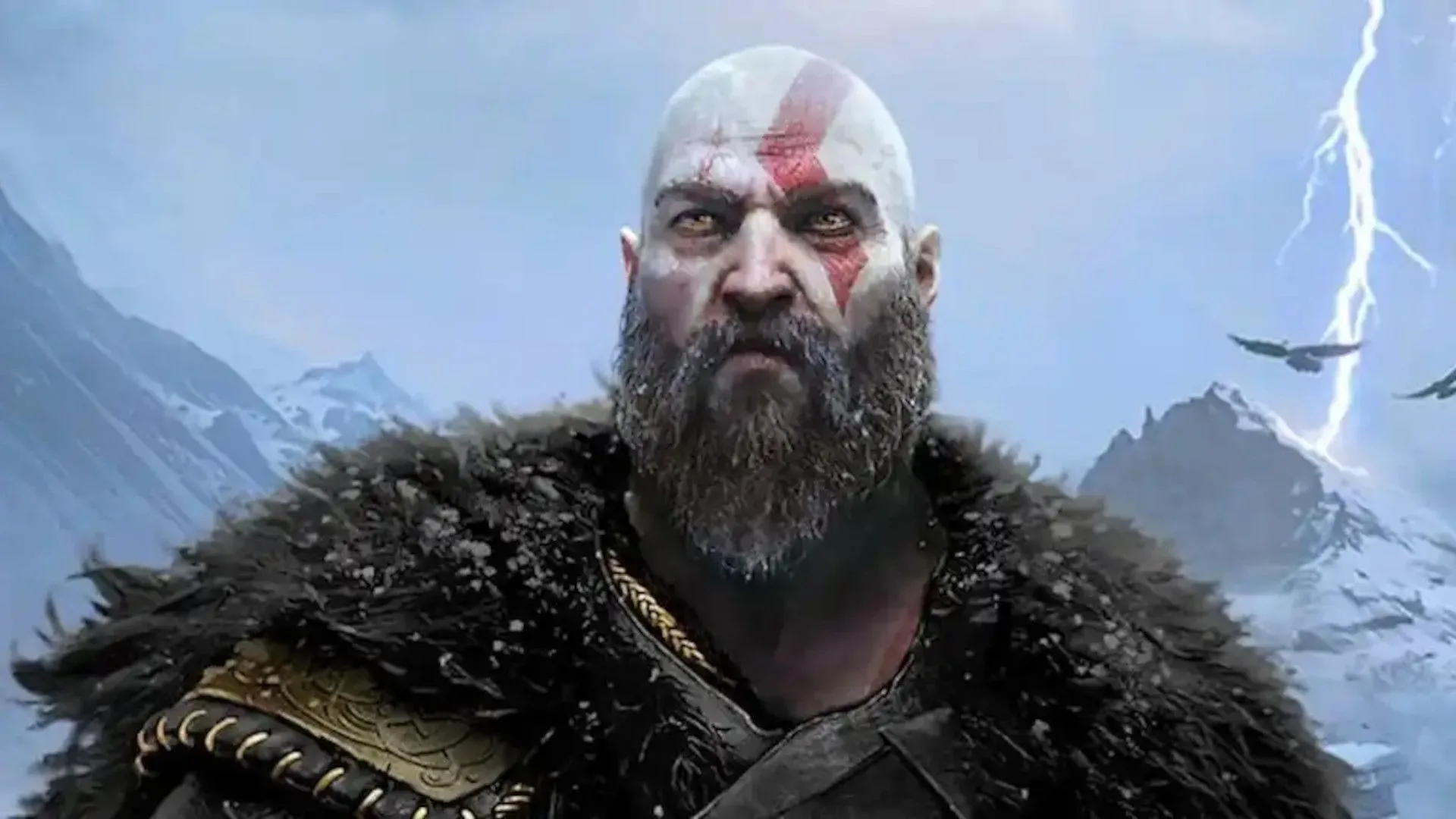
Kratos may be stepping away from the center of the frame, but one of the people most closely associated with Sony Santa Monica’s modern God of War era sounds fully convinced that the series is in good hands. Christopher Judge, the actor behind Kratos in the Norse-era games, has given an emphatic endorsement of God of War Laufey, the upcoming PS5 entry that places Faye—also known as Laufey—in the playable lead role.
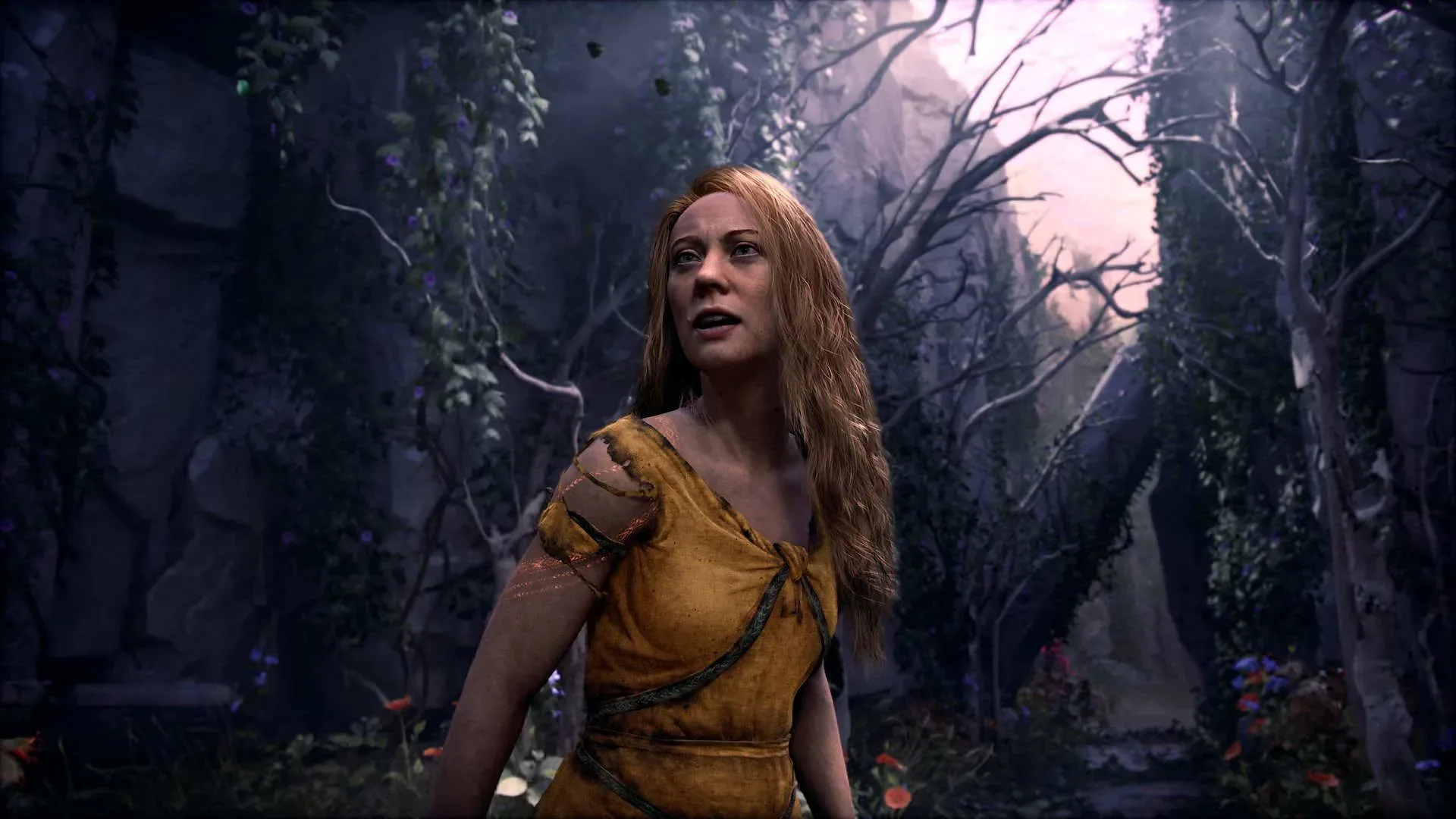
During a Fan Expo Canada panel, Judge described the game in bluntly enthusiastic terms: “It’s a banger.” He also said players are going to be “blown away,” while singling out Deborah Ann Woll, who portrays Faye, for praise. Judge called Woll beloved across her many fan communities and said that she “absolutely brings it.”
That is a notably warm vote of confidence at a moment when God of War Laufey is prompting plenty of discussion. The game moves the focus from Kratos, the long-running face of the franchise, to his second wife and Atreus’s mother. A protagonist change of that size was always likely to stir debate, particularly in a series whose identity has been tied to Kratos’s immense physical presence, fury, and very direct approach to problem-solving.
Still, the premise is not a sudden detour without roots in the existing story. Faye’s absence, influence, and history sit at the heart of the Norse saga. Putting her in the foreground gives the series an opportunity to explore a key figure who helped set its most recent events in motion, but who has largely been understood through memories, revelations, and the perspectives of other characters.
A familiar figure finally becomes playable
Woll has already established Faye within the recent God of War continuity, though players have seen relatively little of her compared with Kratos and Atreus. In 2018’s God of War, Faye is briefly shown after her death; her final wish drives Kratos and Atreus’s journey. Her presence became more substantial in God of War Ragnarök, where cutscenes revealed more of her personality, her connection with Kratos, and her role in the larger fate surrounding the family.
God of War Laufey will mark Faye’s first turn as a playable character in the franchise. That alone makes the game more than a cosmetic protagonist swap. Kratos’s mechanics are inseparable from his character: he is built like a siege engine, and his combat has traditionally sold the feeling of a powerful warrior forcing his way through a mythological disaster one heavy strike at a time.
Faye is being presented differently. Roughly 20 minutes of footage shown with the game’s announcement displayed a combat style centered on speed, agility, and acrobatic movement. Rather than reproducing Kratos’s hulking momentum with a different character model, the footage suggested a hero who navigates fights with a distinctly more nimble rhythm.
That contrast is important. If the new game is to justify its title and its new perspective, Faye needs to feel capable without simply becoming a lighter, faster version of the old lead. The available footage points toward a different kind of warrior fantasy: not less formidable, but built around mobility and flow rather than the visual weight associated with Kratos.
Related coverage includes Christopher Judge Calls God of War Laufey "a Banger," Praises Lead Actor Deborah Ann Woll.
Deborah Ann Woll sees strength in both styles
Woll has previously addressed the distinction between the two characters’ gameplay identities. She described Kratos’s play style as fantastic because he is such a heavy hitter, while also maintaining that Faye is equally strong and just as accomplished a warrior. That framing gets to the heart of the creative challenge for God of War Laufey: changing the lead does not mean treating the new lead as a lesser substitute.
Faye’s existing role in the Norse story makes that especially plausible. She has never been positioned as someone who merely observed the events around Kratos. Her choices, knowledge, and martial history matter to the family’s story. A game about her can reasonably lean into those qualities while illuminating the parts of her life that the prior games necessarily left offscreen.
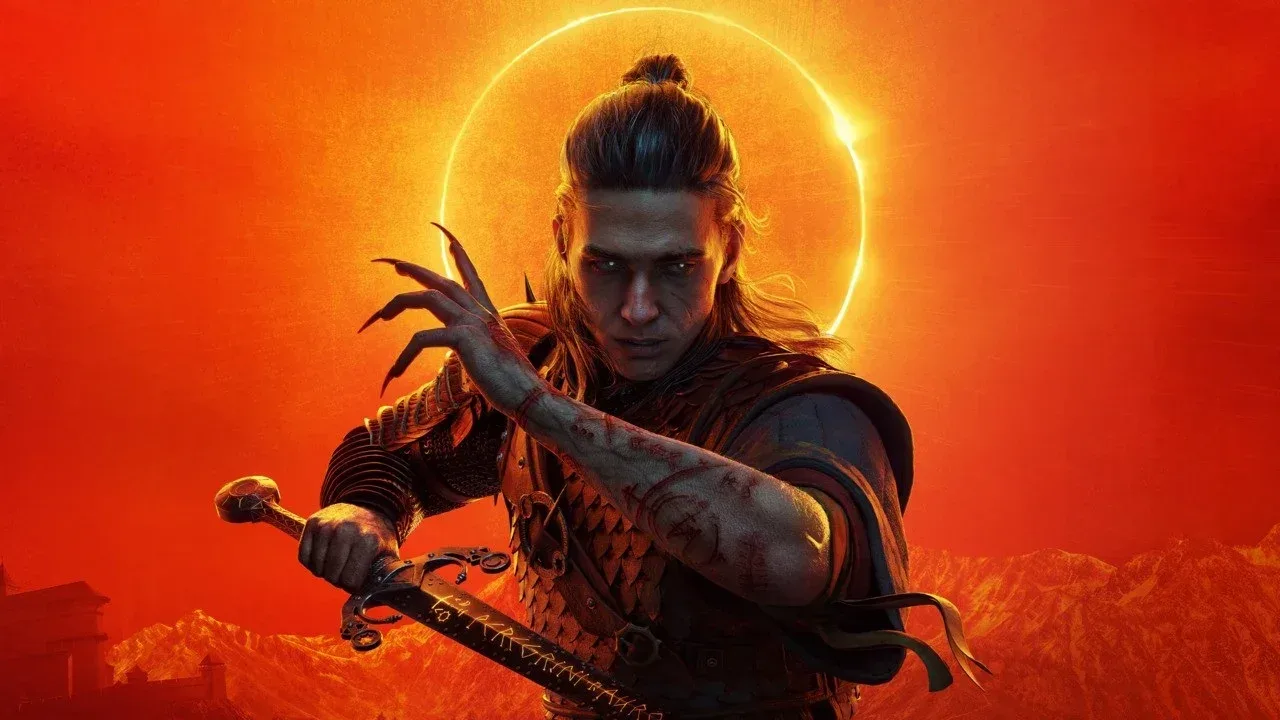
Woll comes to the role with a wide-ranging career across television, film, and games. Many viewers know her as Jessica Hamby in True Blood or as Karen Page in Marvel projects. For God of War players, however, her work as Faye has already given the character an emotional specificity that makes the move to protagonist feel less like a detached franchise experiment and more like an expansion of an established relationship.
Judge’s remarks carry weight for another reason: they arrive from the performer whose character is being moved aside. There is no need to interpret his praise as a final verdict on the game before release, but it is a meaningful sign that the transition is not being framed as Kratos versus Faye. Judge’s comments instead support the idea that the series can widen its focus while preserving the connections that made the Norse games resonate.
Why the Kratos debate was inevitable
Negative responses to Faye becoming the main character have appeared online, but they are part of a familiar reaction cycle whenever a prominent series changes a defining element. In this case, the defining element is unusually obvious. Kratos has been the name, face, voice, and muscle of God of War for years. For many players, his journey from Greek tragedy to Norse fatherhood is the franchise.
Yet long-running series also risk turning their most recognizable traits into constraints. A new viewpoint can reveal corners of a setting that the established hero could not. It can offer a different emotional register, reshape how combat spaces are designed, and ask new questions of a world that audiences may think they already understand.
None of that guarantees that every player will prefer Faye’s movement or perspective to Kratos’s. Preference is not a problem to be solved. But the early material makes clear that God of War Laufey is not trying to conceal its central change. It is putting Faye’s name on the game, making her gameplay style visibly different, and inviting players to meet a familiar mythic world through someone whose story has not yet been fully told.
There is also value in leaving a beloved character room to breathe. Kratos’s Norse arc has been intensely personal, covering grief, fatherhood, legacy, violence, and the struggle to become something other than the person he once was. Allowing another character to carry a chapter does not erase that work. It can give the broader cast—and the world around Kratos—more space to become substantial in its own right.
What is confirmed for the road to 2027
The clearest confirmed details are straightforward. God of War Laufey is headed to PS5 on February 16, 2027. The announcement material has shown Faye in action, and the lead role brings Woll back in a much larger capacity. Judge has now added his enthusiastic appraisal, including his praise for Woll’s contribution.
There remains plenty that has not been detailed publicly, including the full scope of Faye’s story and exactly how her combat systems will develop over the course of the game. That uncertainty is part of what makes the footage and cast commentary matter: they give players an early sense of the intended direction without pretending that every question has been answered.
For players following how action games handle consequential choices and character perspective, Joking Joystick’s look at The Blood of Dawnwalker’s toughest choice offers a useful companion discussion about how game design can support narrative stakes. God of War Laufey faces a different task, but it too is betting that a change in perspective can open up meaningful possibilities.
For now, Judge’s “banger” label should be treated as the high praise it is: encouragement from a central member of the God of War family, not a replacement for seeing the finished game. But as the February 2027 release date approaches, Faye’s first playable outing has a clear pitch. She is not here to imitate Kratos. She is here to show what God of War looks like when Laufey gets to lead.