God of War: Laufey’s Collector Box is being sold as a premium piece of memorabilia rather than a version of the game. The UK listing puts the box at £129.99 and identifies three included items: a light-up resin statue of Faye, a mini artbook, and a 51-card Oracle Deck. What it does not include is God of War: Laufey itself—neither a physical disc nor a digital download code.
That distinction is straightforward on paper, but it has landed awkwardly for players accustomed to treating a collector’s edition as an all-in-one purchase. The name “Collector Box” is technically more precise than “Collector’s Edition” in this instance: it is a merchandise package tied to the game, not a package that grants access to the game. Still, a £129.99 box associated with a new release naturally invites buyers to ask what exactly they are paying for, and whether the branding makes that separation clear enough.
What is in the God of War: Laufey Collector Box?
The centrepiece is a light-up Faye statue made from resin. The listing depicts Faye in combat alongside Phranque, her cube companion. Exact dimensions for the statue have not been provided, so buyers cannot yet use size as a practical way to compare it with other display pieces or assess where it might fit in a collection.
The remaining items are a mini artbook and the 51-card Oracle Deck. An artbook generally collects visual development material, character art, environments, or other production-facing imagery, although the contents of this particular book have not been detailed. Likewise, an Oracle Deck is a themed card set, but the listing information does not establish whether these cards have any gameplay function beyond being a physical collectible. They should therefore be viewed as included memorabilia rather than assumed to be a playable card game.
- UK price: £129.99 via PlayStation Direct
- Included: light-up resin Faye statue, mini artbook, 51-card Oracle Deck
- Not included: a physical copy of God of War: Laufey or a download code
- US status: a US listing was not available at the time the UK information was reported
There is an important practical consequence. Anyone who wants both the Collector Box and the game will need to buy them separately. Based on the £129.99 UK price for the box, the total outlay will be higher than the box price alone; the precise total depends on the chosen edition and price of the game. Claims that every buyer will pay a particular combined amount should be treated cautiously until all regional game pricing and purchasing options are confirmed.
A physical disc is still planned—but not in this box
God of War: Laufey is expected to receive a physical disc release. That means the omission is not simply a case of the title existing only as a digital product. A player can still seek out a disc edition separately, but it will not arrive inside the premium package with the statue and other physical items.
That detail matters because “no physical disc” can describe two quite different situations. In one, a game has no disc edition at all. In the other, a disc exists but is excluded from a costly collector bundle. Laufey falls into the second category based on the information available. The resulting friction is less about whether a disc can be obtained and more about the loss of a single, display-ready package that contains both the game and its associated extras.
The comparison with God of War Ragnarök is likely to sharpen that reaction. Its Collector’s Edition did not include a physical disc, but it did include a digital game code. For many customers, that still meant the collector package was functionally a complete edition: opening the box provided the extras and the means to play. The Laufey Collector Box does not offer even that digital entitlement.
Related coverage includes God of War: Laufey Collector Box Skips the Game, Sparking Fresh Backlash.
Why the missing code is the bigger issue
A download code is not interchangeable with a disc for buyers who prefer physical media, lending, resale, or a shelf collection. But it does answer the basic question of access: does this purchase include the game? In Laufey’s case, the answer is no.
That is why the response has focused so heavily on the absent code rather than merely the absent disc. The package asks consumers to make two purchasing decisions—one for the merchandise and one for the software—while being marketed directly around the same game. For collectors who primarily want a statue, artbook, and cards, that may be a clean division. For fans who expect a collector-tier product to be a complete launch purchase, it is a notable reduction in what the bundle represents.
There is also a clarity issue. “Collector’s edition” has often carried an implied promise: special physical contents plus a game license. “Collector Box” is more literal, but the difference can still be easy to miss when browsing a game’s preorder options. The safest approach is to inspect the contents list line by line and specifically look for language confirming either a disc or a digital code. If neither is listed, buyers should assume they are purchasing merchandise only.
What prospective buyers should check before ordering
- Confirm the platform and game version you intend to buy separately. The box itself does not solve that choice.
- Check regional storefront availability. The UK package has a listed price, while a US listing had not appeared at the time of reporting.
- Do not infer statue dimensions from product photos. No size was specified in the available store information.
- Read for entitlement language. Terms such as “game voucher,” “download code,” or “disc” are the meaningful indicators—not the collector branding.
- Budget for two products. The box price is for the physical extras, not the game.
The wider disc conversation makes the timing tougher
It would be an overreach to say that this box proves anything about Laufey’s eventual physical availability; the game is still getting a disc release. But the decision to separate that disc from a £129.99 merchandise bundle is especially conspicuous when many players are already sensitive to the future of PlayStation physical releases. The message buyers may take from it is not simply “this bundle lacks a disc,” but “even a major collector package no longer guarantees a game code.”
That concern is also part of a larger purchasing landscape. A collector box without a game can be legitimate when it is clearly positioned as a standalone merchandise release. The harder sell comes when customers must decode product naming, calculate a separate launch-day purchase, and decide whether the physical extras justify the price before key specifications—such as statue size—are fully disclosed.
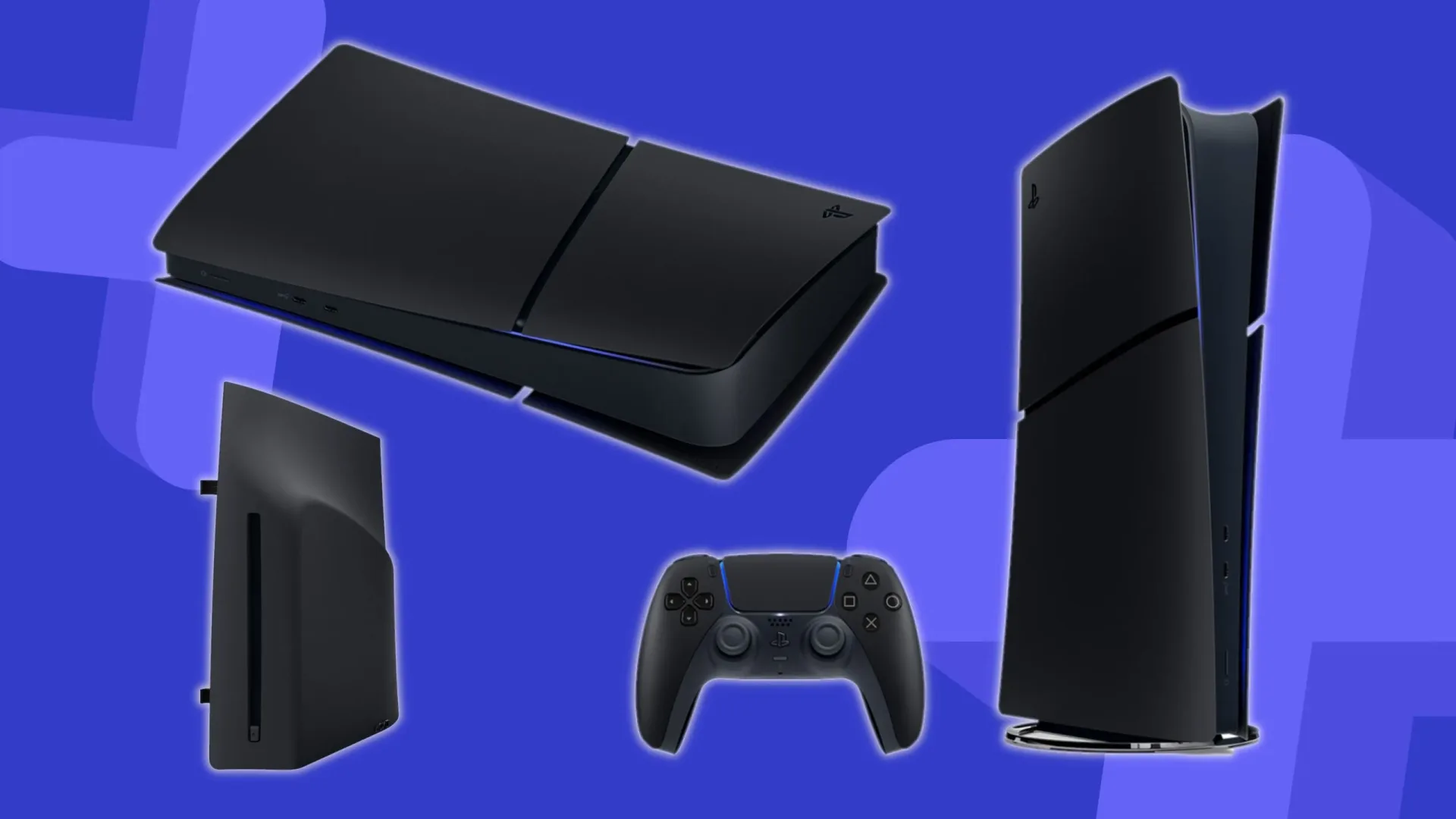
For buyers considering a hardware move alongside major releases, the platform implications are worth understanding as well. The region-lock concerns around a Japan-only Midnight Black PS5 Digital Edition are a reminder that hardware, store region, and game access can introduce complications separate from the collector package itself.
Not the first game-adjacent box without a game
Grand Theft Auto VI recently received its own expensive Collector’s Box treatment without a game code. That package is listed at £350 / $400 and includes merchandise rather than access to the game. Against that benchmark, Laufey’s £129.99 box is substantially less expensive, but lower pricing does not erase the basic objection: buyers cannot play the game after buying the premium branded box unless they make another purchase.The two examples point to a developing split between two kinds of products that used to be more routinely joined together. One is the software edition, which includes a license to play. The other is the collector merchandise set, which may contain display items, books, cards, or accessories while omitting the software entirely. Separating them can give fans a way to buy memorabilia without paying for a second copy of a game they already own. Yet that advantage only works cleanly when the product is unmistakably communicated as merchandise-first—and when buyers feel the contents justify the standalone cost.
For Laufey, the answer will vary considerably by buyer. Someone who values the Faye statue above everything else may see the artbook and deck as welcome additions. Someone interested chiefly in owning the most complete launch edition may see a premium package without a game as fundamentally incomplete. Both positions stem from the same fact: the Collector Box is not a substitute for purchasing God of War: Laufey.
What this means for physical-game collectors
Collectors who want a shelf copy and the display items will need to plan for separate storage and separate purchasing. The game case will not be part of the Collector Box presentation, and the statue package will not document a particular game platform through its included contents. In practical terms, that makes the box more platform-neutral merchandise—but also less like a definitive physical edition of the game.
That distinction can matter long after launch. A conventional collector’s edition often functions as a single artifact: the game, its packaging, and the extras belong together. A merchandise box and a separately acquired standard disc can still be displayed together, but they are not the same product, and buyers should not assume matching regional packaging or a unified edition identity.
For now, the facts are simple. The UK Collector Box costs £129.99, includes three physical collectibles, and leaves out both disc and code. God of War: Laufey itself is still expected on physical disc, but fans who want to play it will need to obtain it independently. Whether the illuminated Faye statue, mini artbook, and 51-card Oracle Deck justify that arrangement is a decision each buyer will have to make before treating the box as their launch-day purchase.