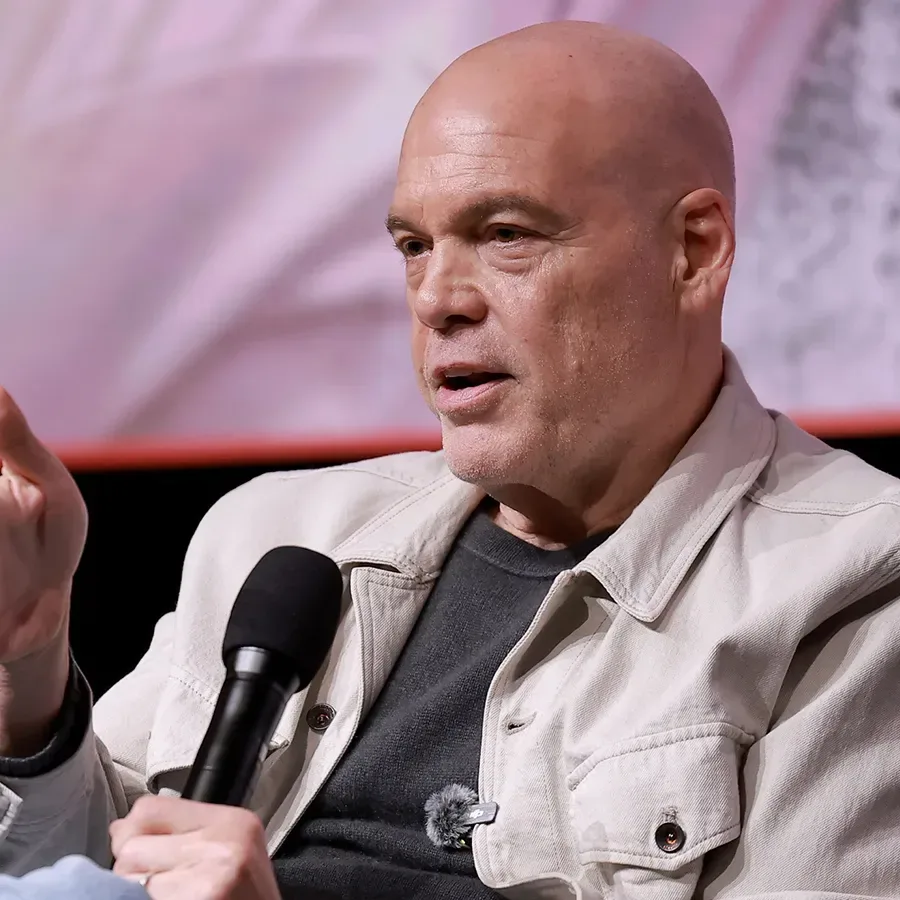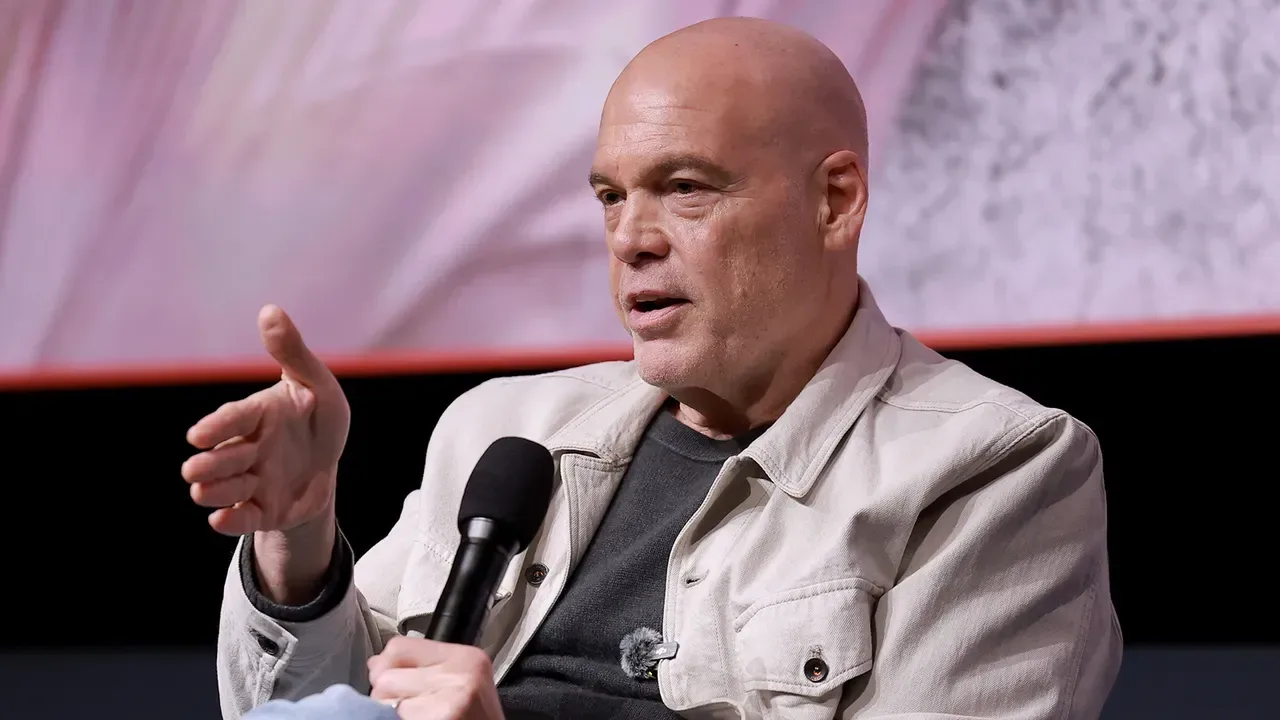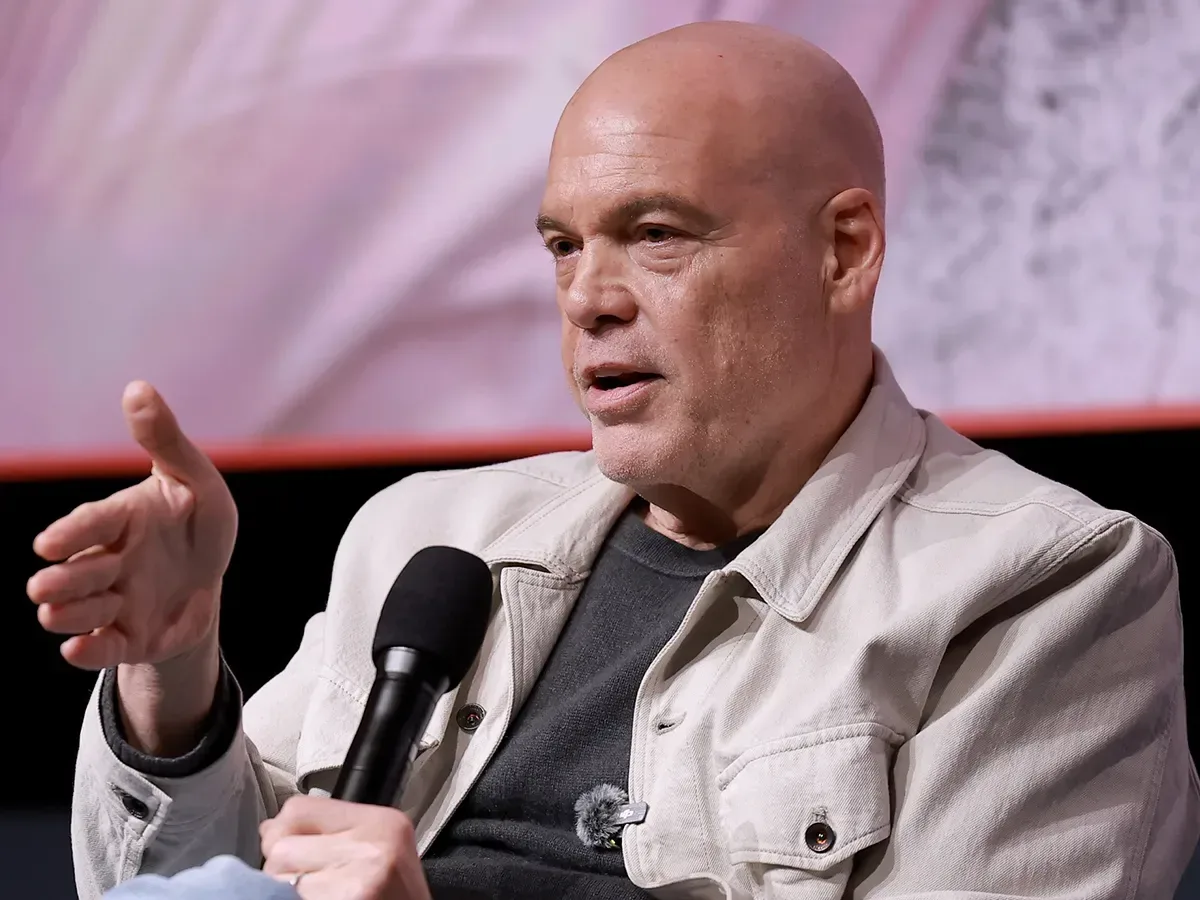
Vincent D’Onofrio has publicly defended Deborah Ann Woll after online criticism of her character design in God of War Laufey became focused on the amount of skin shown by the game’s armor sets. D’Onofrio, who worked with Woll on Daredevil, rejected the complaint outright and said he is looking forward to playing the upcoming game with his son.
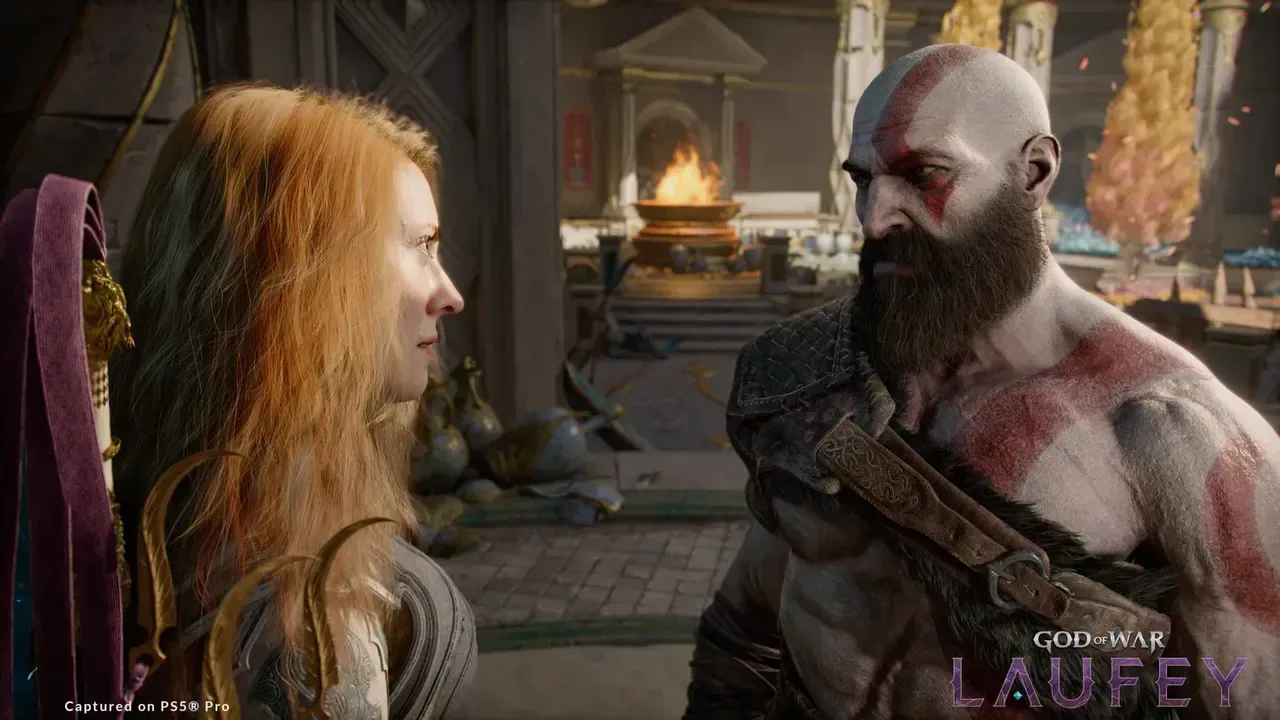
The immediate dispute began with a social-media post aimed at Santa Monica Studio and the costumes available for Laufey, the game’s protagonist. The post argued that the studio was unwilling to make female characters attractive because Laufey’s armor did not expose more of her body. It was not a critique of an announced gameplay mechanic, performance issue, or technical feature. It was a demand that optional outfits reveal more skin.
D’Onofrio’s response put the discussion back where it belongs: on Woll as a performer, colleague, and person rather than an object for strangers to grade. He praised her beauty, talent, intelligence, kindness, and enthusiasm for games, then added that he is a God of War fan himself. His point was plain: not sharing someone’s costume preference is one thing; turning that preference into contempt for the actor and development team is another.
“In no way do I agree with you,” D’Onofrio wrote, describing Woll as “beautiful and extremely talented” and saying he cannot wait to play the game with his son.
For more context, explore Apple Invites 1.12.0 Adds Full-Resolution Albums, Photorealistic Backgrounds and Easier Email Verification.
The exchange drew jokes and supportive replies from players, while the original poster continued arguing. A related account of the discussion is available here.
The argument is about armor, but not really about armor
Armor design is a normal subject for game discussion. Players can reasonably prefer a particular silhouette, historical influence, color palette, or balance between protection and ornamentation. They can also dislike an outfit because it looks impractical, clashes with a character’s established identity, or simply does not appeal to them. None of that requires a consensus.
But the tone of this argument matters. Treating a woman character’s clothes as a test of whether a studio respects its audience turns artistic preference into a culture-war loyalty check. In this case, the complaint did not merely say that a costume design was unappealing. It framed more covered armor as proof of institutional hostility toward “female attractiveness.” That framing gives almost no room for the most ordinary explanation: a creative team made a design choice for a character in a fantasy action game.
“Gooner,” the term used in the dispute, is internet slang that can refer to an audience member who approaches media primarily through sexualized attraction. It is often used mockingly, particularly when somebody insists that a game, film, or show has failed because a woman is not presented in a sufficiently revealing way. The label can become a distraction, but it also identifies the mismatch at the center of this specific backlash. A new character’s wardrobe is being judged less as costume design than as content owed to a particular kind of viewer.
That is a poor foundation for useful criticism. It reduces an actor’s likeness and a character’s visual identity to a narrow demand. It also flattens costume design into one sliding scale—more exposed skin equals better design—when clothing can communicate role, mood, movement, culture, personality, status, danger, and change over the course of a story.
What is known about Laufey
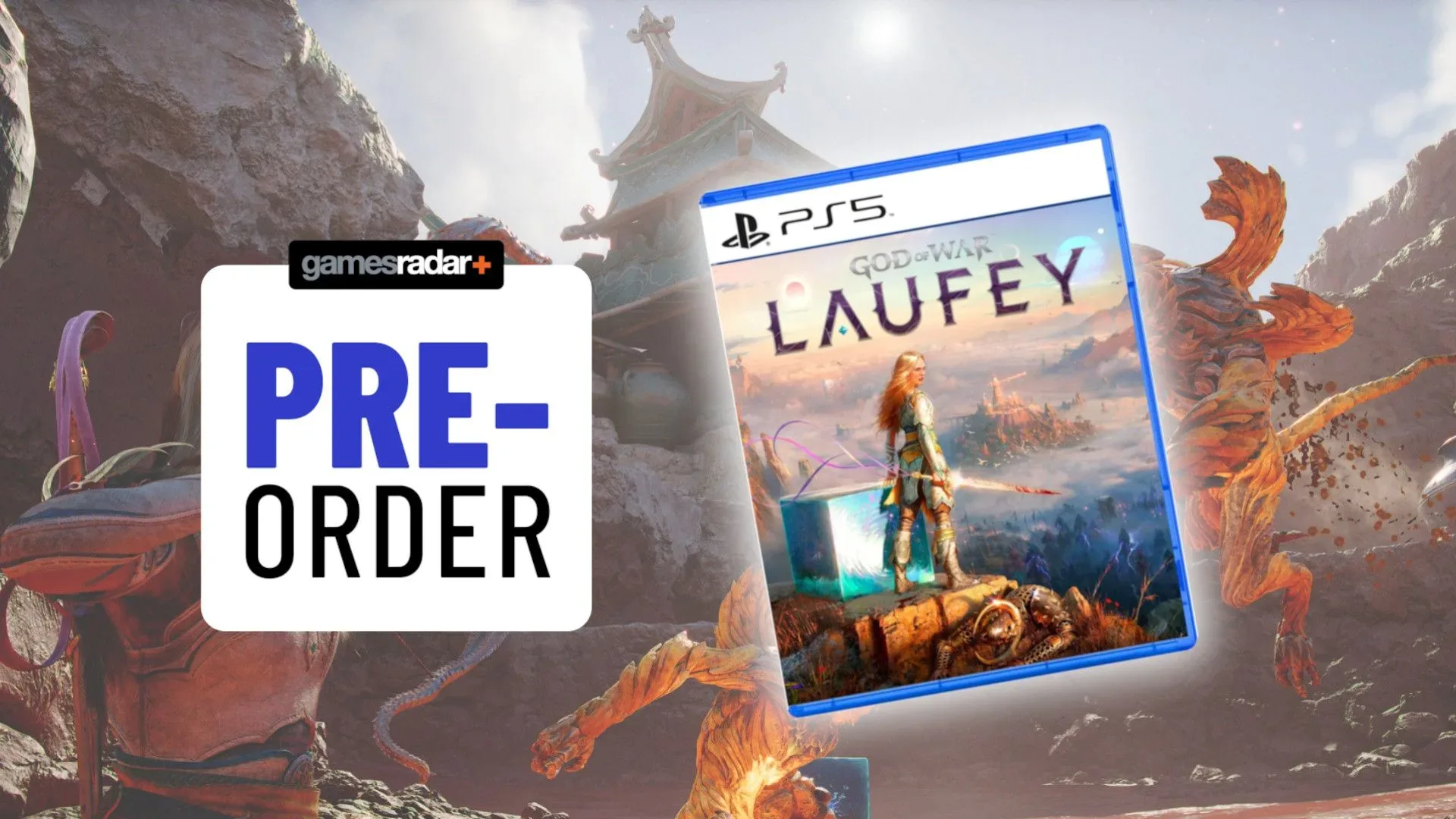
God of War Laufey is described as the next entry in the series and follows Laufey, Kratos’ second wife and Loki’s mother in Norse mythology. Deborah Ann Woll plays Laufey. The game is scheduled to arrive exclusively on PlayStation 5 on February 16, 2027.
Those are meaningful basics, but they do not justify pretending that every detail of the game is settled in public. An upcoming game can attract strong reactions well before players have the full context for its plot, progression, outfits, or final presentation. Special armor sets may be visually prominent in promotional material, but an outfit alone cannot explain a character’s arc or establish the quality of the complete game.
That distinction is especially useful for players trying to assess the conversation around a forthcoming release. The strongest available questions are practical ones: What kind of game is being made? How does Laufey’s story fit within the series? What do its systems and character choices contribute to the experience? The weakest questions are usually the loudest online ones, particularly when they assume a costume must meet a stranger’s sexual expectations to be legitimate.
Woll has addressed the online negativity without feeding it
Woll has not appeared especially interested in turning the backlash into a prolonged public fight. During a fan conversation at Florida Supercon in July, she said she expected the reaction to bother her more than it did. She pointed to staying off social media as one reason, but also said she remained confident in the project itself.
“It’s okay if it’s not your cup of tea,” Woll said. “But in no universe is it bad.”
That response makes an important distinction. She did not argue that every potential player must like the game or every visual decision. Instead, she left room for taste while rejecting the leap from “not for me” to “objectively bad.” It is a useful standard for criticism generally, particularly in an era when a small number of posts can make an individual preference look like an urgent industry controversy.
Her decision to avoid social media also highlights a practical reality for performers and developers. Public platforms can be valuable places to connect with fans, but they can also reward repetition, provocation, and personal attacks. A person does not need to read every hostile reaction to understand that criticism exists, and they do not owe every critic a debate.
A pattern of commentary, clarification, and collateral attention
The Laufey project has already been dragged into other high-profile conversations. David Jaffe, identified as the original creator of God of War, criticized the game during a livestream and accused creative director Ariel Lawrence of lacking passion for the title. He later clarified his comments and defended Lawrence after harassment was directed at her.
Bruce Straley, a director associated with The Last of Us, also cited Laufey as an example of a AAA game that did not excite him. AAA, short for “triple-A,” is an industry term generally used for large-scale productions with substantial resources and commercial expectations. Straley later clarified his remarks and apologized for bringing uninvited, unnecessary negative attention to the game.
The common thread is not that public figures are forbidden from disliking a project or worrying about its direction. Criticism from longtime creators can be valuable, especially when it explains a creative concern clearly. The issue is that a high-profile dismissal can change the temperature of a conversation quickly. Once the focus shifts from the work to the people making it, creators and performers can become targets for harassment that the original criticism neither proves nor requires.
Jaffe’s and Straley’s later clarifications matter for that reason. They acknowledge that comments about an upcoming game do not exist in a vacuum. A public figure can make a fair point, phrase it too broadly, and then recognize that the result has put an individual in an unfair position. That is not an argument against criticism; it is an argument for precision and responsibility.
Why D’Onofrio’s reply landed
D’Onofrio did not try to litigate every element of the game’s visual design. He did not promise a particular feature, argue that every armor set will appeal to every player, or insist that anyone who dislikes the designs is acting in bad faith. He simply supported Woll and explained why he values her work and friendship.
That directness is likely why the response resonated. It declined the premise that a woman’s character design must be defended through a debate over desirability. It also gave fans a more constructive subject to discuss: anticipation for the game, appreciation for Woll’s performance, and the prospect of a new story centered on Laufey.
There is plenty of time for meaningful conversation about God of War Laufey before its February 2027 PlayStation 5 release. Players can scrutinize trailers, discuss the series’ direction, and decide whether the game interests them. But the armor debate offers a simple baseline worth keeping: costumes are part of a game’s creative expression, while the people who wear, design, and develop them deserve to be treated as people.