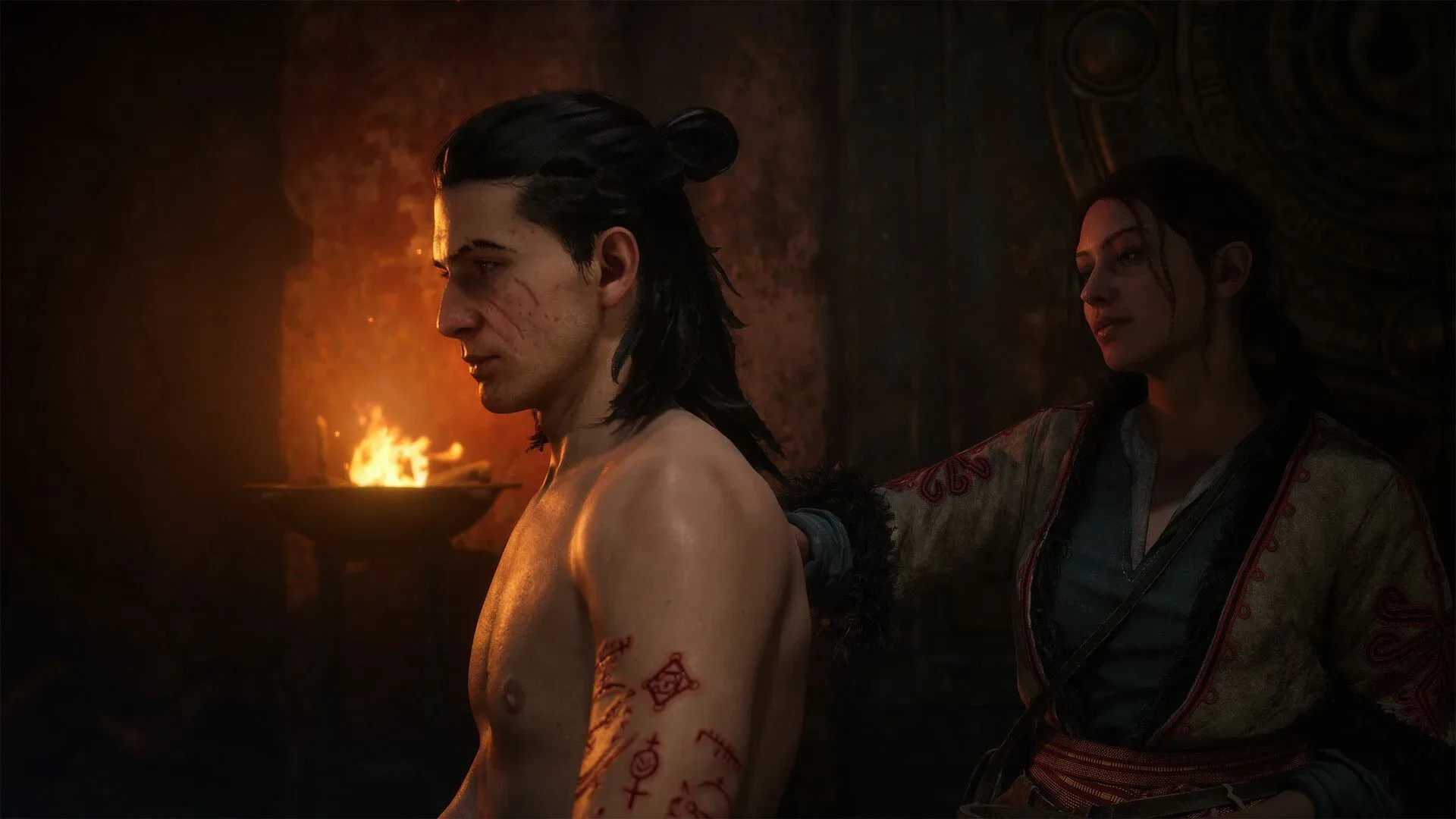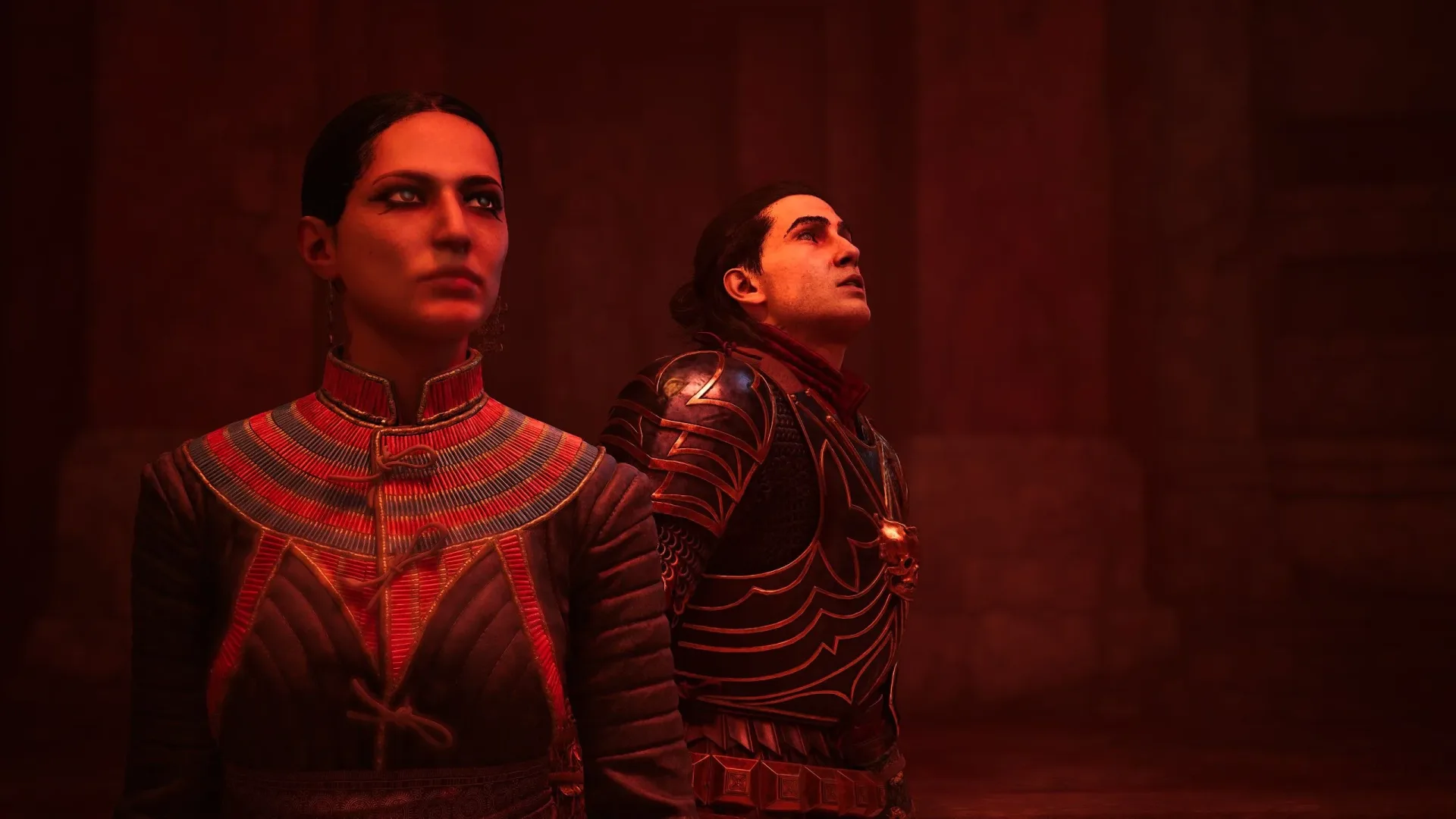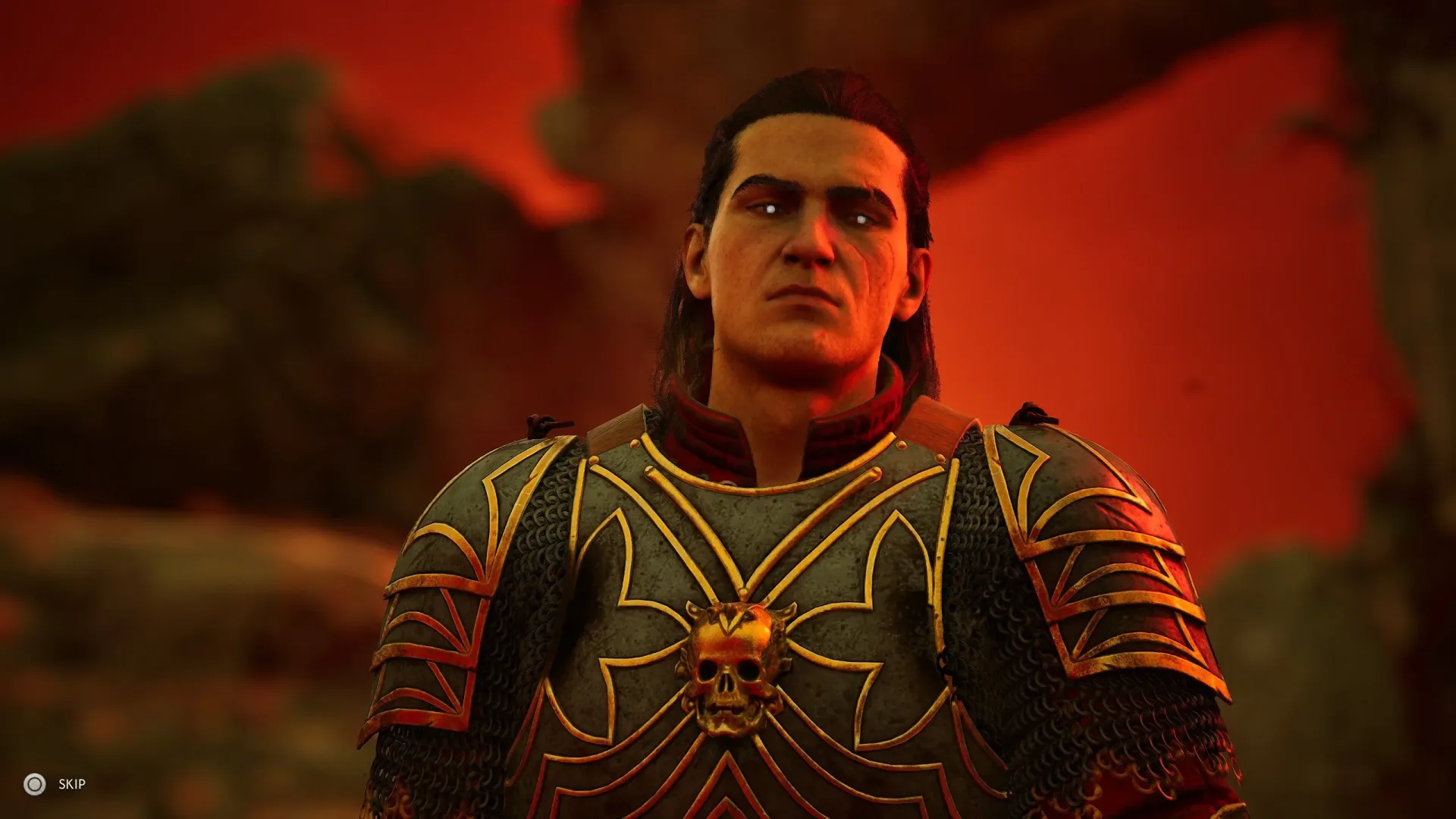
Role-playing games love to ask players who they are. Are you compassionate? Practical? Ruthlessly efficient? The ideal answer is often supposed to emerge from an uncomfortable decision where every available path carries a cost. That discomfort is not a design flaw. It is the point. A choice with no clean outcome can linger far longer than a quest that simply awards a larger pile of experience points for being nice.
The Blood of Dawnwalker understands much of that appeal. Its broader structure puts pressure on players through time limits, requiring them to decide which objectives deserve attention and which stories may have to be left unfinished. That is an unusually direct way to give player priorities mechanical weight. The tension becomes especially sharp in one quest involving Iulian, a vampire lieutenant, a poison plan, and a possible sacrifice. Yet the quest also illustrates a familiar RPG impulse: the urge to hide a near-perfect rescue route behind additional exploration or combat.
That instinct is understandable. Developers want players to feel clever, reward curiosity, and avoid making a dramatic storyline feel needlessly punishing. But there is a meaningful difference between rewarding initiative and rescuing the player from the central emotional consequence of their own decision. In a game built around finite time and competing priorities, an escape hatch can feel less like a triumph and more like somebody quietly loosening the safety harness halfway through the roller coaster.
A strong dilemma starts with Iulian’s sacrifice
The quest’s premise has the right ingredients for a truly thorny role-playing decision. Iulian reveals that a dangerous vampire enemy likes to feed before battle, and that Iulian is the preferred victim. The proposed strategy is to poison Iulian before that feeding takes place. The vampire would then be weakened for the eventual confrontation, offering a tactical advantage. The price is grave: the poison will ultimately kill Iulian as well.
This is not merely a button labelled good next to another labelled evil. The decision tangles together several competing values:
- Iulian expresses a willingness to die as part of the plan.
- His death would make a major battle easier.
- He has a wife and child who would lose his protection.
- His stated consent is shaped by self-loathing and guilt over failing to resist the vampire.
- Refusing the plan may preserve Iulian’s life, but leaves a more difficult threat in place.
That is excellent RPG material because neither response can be reduced to a slogan. Respecting someone’s agency matters, but so does asking whether despair makes a person capable of freely choosing self-destruction. Protecting a family matters, but so does confronting a vampire without turning another victim into a disposable tool. Even a player trying to embody a broadly decent protagonist can reasonably hesitate.
The protagonist’s vampiric identity adds another layer. A player pursuing the vrakhir path by feeding only on animals and hostile combatants may see sacrificing Iulian as incompatible with the moral boundaries they have set. At the same time, the promise of an easier fight creates a temptingly mundane motive: convenience. That combination is exactly where role-playing becomes interesting. The game is not just asking what a heroic vampire would do; it is asking whether the player will compromise their stated values when a difficult encounter is waiting on the other side.
The cure changes the shape of the decision
The complication arrives through Iulian’s connection to a local witch. She helped develop the poison and died during her research. Iulian mourns her, reveals that they had been lovers, and remains committed to the sacrifice. But her work also identifies a way to cancel the poison’s fatal effect: obtain a gland from a huge lizard and add it to the mixture.
Related coverage includes The Blood of Dawnwalker's Best Moral Choice May Be Too Easy to Escape.
On its face, this is classic RPG generosity. The player can still deploy the poison, undermine the vampire, and avoid Iulian’s death by completing extra work. There is likely satisfaction in discovering that possibility rather than merely receiving it through a dialogue prompt. It turns observation and optional effort into a meaningful reward.
Still, the rescue route alters the original question. Instead of deciding whether Iulian should die to make the fight manageable, the player is now prompted to seek the outcome where the battle is easier and Iulian survives. The hard moral knot becomes a problem with a side objective attached. Kill the giant reptile, collect the ingredient, and the discomfort can be largely neutralized.
There can still be value in choosing not to pursue that route. A player may lack time, decide the creature hunt is not worth the detour, or deliberately commit to another path. But the knowledge that a solution exists has consequences of its own. It reframes sacrifice from a tragic necessity into something that can look like insufficient scavenging. The player who lets Iulian die may no longer be carrying the burden of an impossible choice; they may feel as though they missed a collectible with a pulse.
Why irreversible outcomes have staying power
Players do not need every quest to end in loss. A game without hope, clever reversals, or moments of rescue would become exhausting. The issue is proportion. If every devastating fork hides a golden third answer, then decisions lose their edge because the safest assumption is that a better route exists somewhere behind one more cave, quest marker, or crafting component.
Mass Effect remains an enduring reference point because it refuses to let players save both Ashley and Kaidan during its first game’s Virmire mission. That decision is not powerful because it is pleasant. It works because the series carries the absence forward. The surviving character and the missing character both become part of the player’s version of the trilogy. There is no optional boss that restores the lost squadmate, and no meter to fill that rewrites the moment into a best-of-all-worlds resolution.
That kind of permanence asks more of the player, but it also gives their playthrough a distinct identity. Two people can discuss the same mission and genuinely have different emotional histories with it. The loss is not just a temporary debuff awaiting a cure; it becomes part of the story they authored through choice.
The Blood of Dawnwalker is already positioned to support that philosophy. Its time-based structure means players cannot necessarily complete every task. Prioritization inherently creates absence. A quest declined, delayed, or abandoned can matter precisely because the game does not pretend there was enough room to do everything. Removing quest timers through a mod may appeal to completionists, but it also risks undoing a central source of narrative pressure: the need to accept that choosing one urgent need can mean failing another.
For more on the game’s early audience, see The Blood of Dawnwalker’s Steam Crowd Has a Strong Witcher 3 Connection.
Optional content should complicate, not erase
The giant-lizard solution points to a broader design challenge. Optional content can enrich a moral decision without functioning as a universal pardon. A hidden route might impose a different serious cost: perhaps the ingredient takes time that guarantees another quest will fail, perhaps obtaining it harms another community, or perhaps Iulian survives but must confront consequences that cannot be repaired with alchemy.
Another approach is to make the alternate solution uncertain rather than definitive. A remedy could save Iulian while making the vampire encounter considerably more dangerous. Or it could expose the player to new information that makes Iulian’s expressed wishes harder, rather than easier, to interpret. The goal is not to punish exploration. It is to ensure exploration adds another dimension to the dilemma instead of deleting the dilemma altogether.
There is also room for an earned happy ending when it has been established as the entire dramatic purpose of a quest. The problem comes when a story initially draws its force from the assertion that somebody must pay an unbearable price, only to later reveal that the real test was whether the player noticed the correct detour. That is a different fantasy. It rewards mastery and thoroughness, while tragedy rewards conviction and forces reflection.
Let players carry the choice
Iulian’s quest is compelling because it makes the player confront autonomy, family, guilt, survival, and personal convenience at once. It does not need a simplistic answer. In fact, it is stronger when it refuses one. A player who accepts his sacrifice should have to reckon with what that means. A player who rejects it should have to face the harder battle and whatever danger follows from leaving the vampire less compromised.
Giving players agency does not always mean presenting a route where everyone walks away unharmed. Sometimes agency means allowing them to choose a wound and then trusting them to remember it. The best RPG decisions do not merely ask players to pick a reward. They make players decide what they are willing to lose—and have the confidence not to hand them a giant-lizard-shaped undo button afterward.