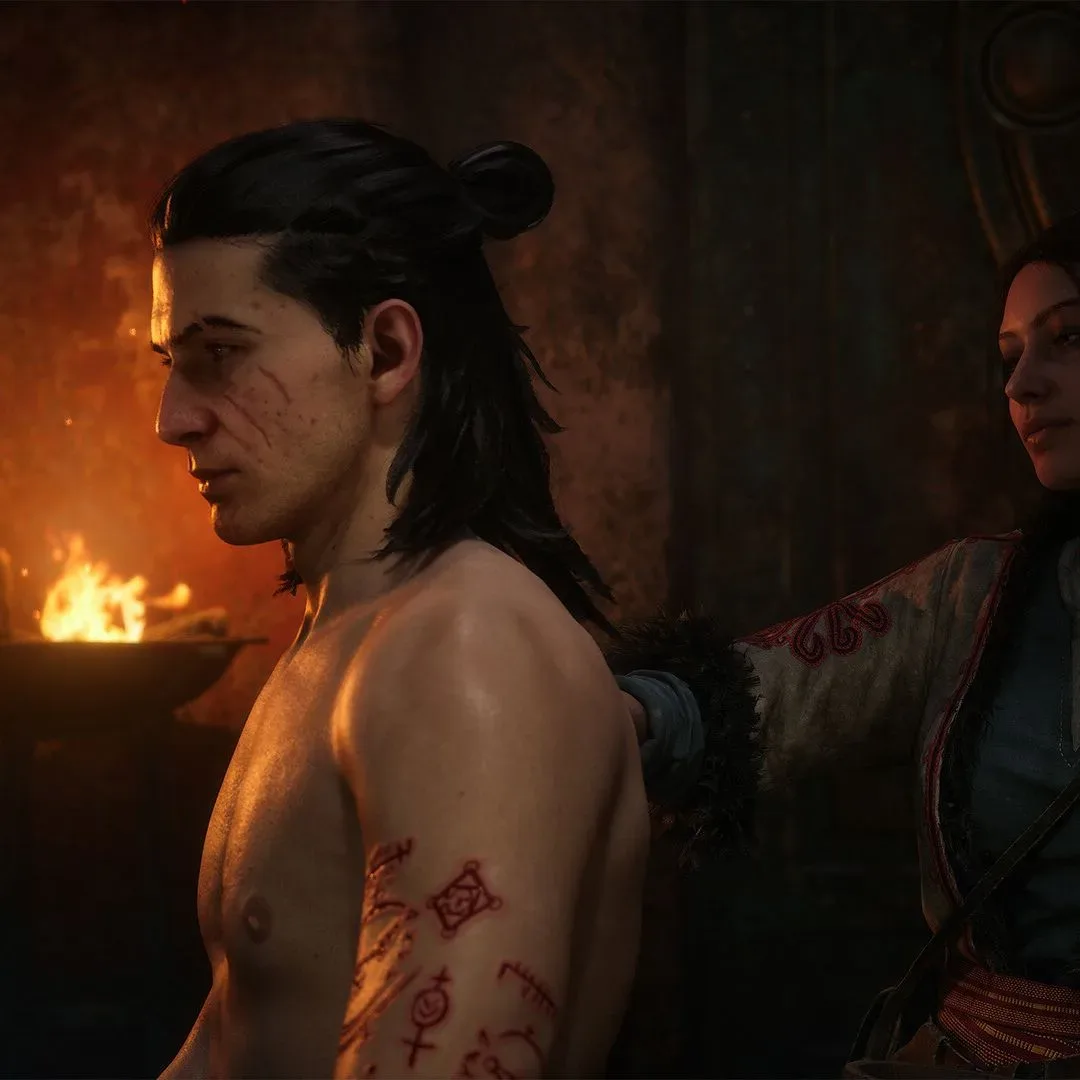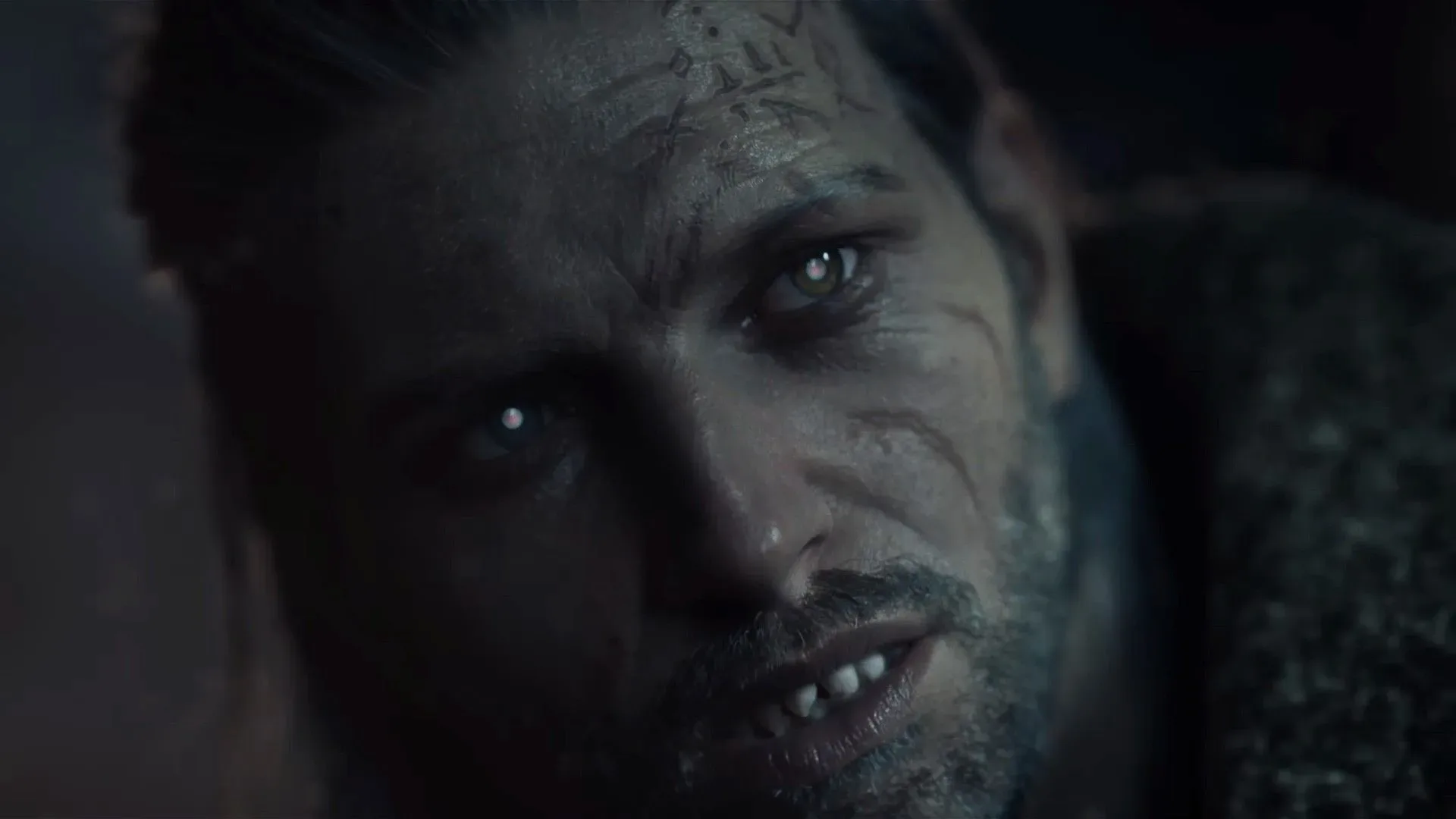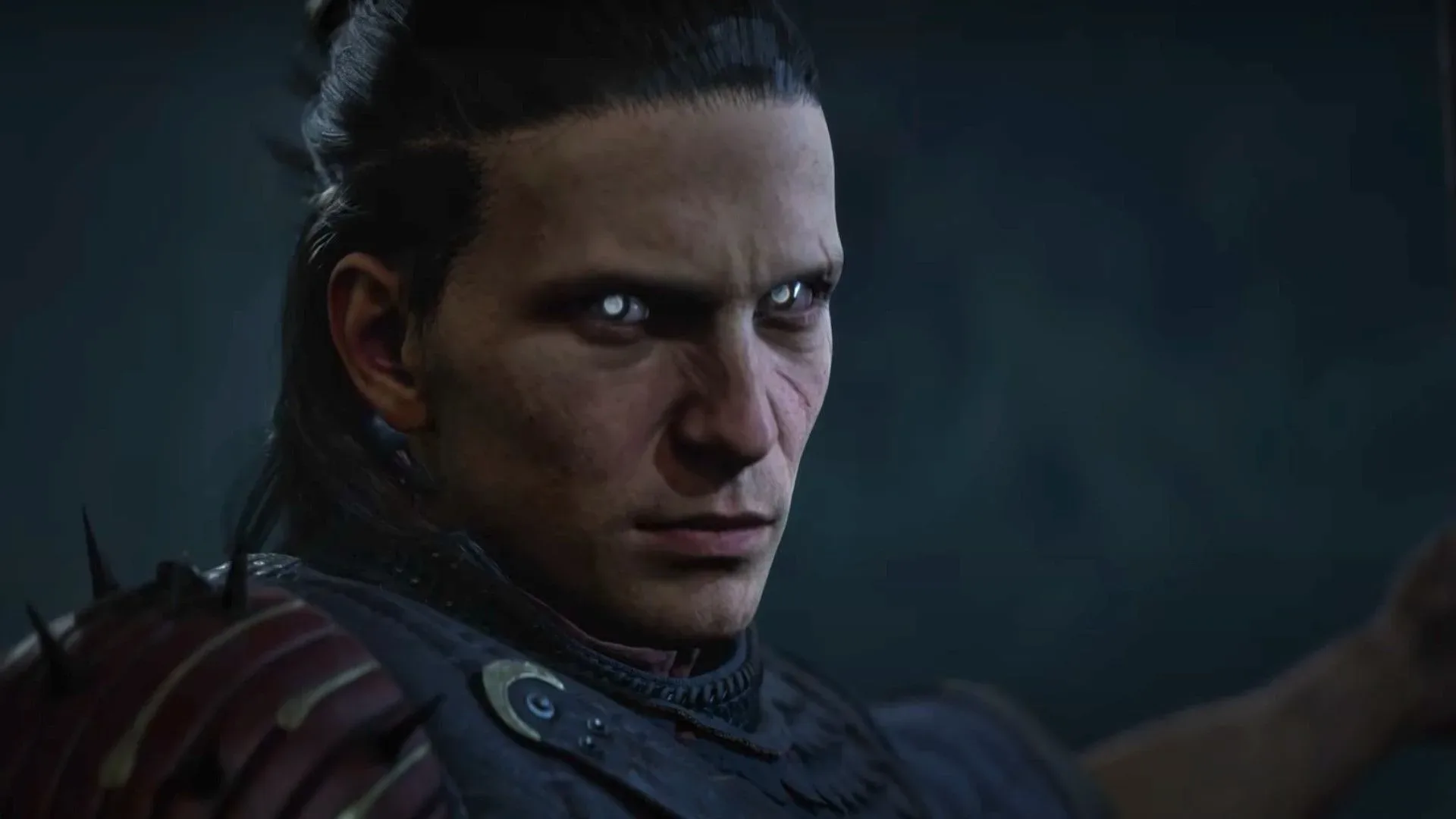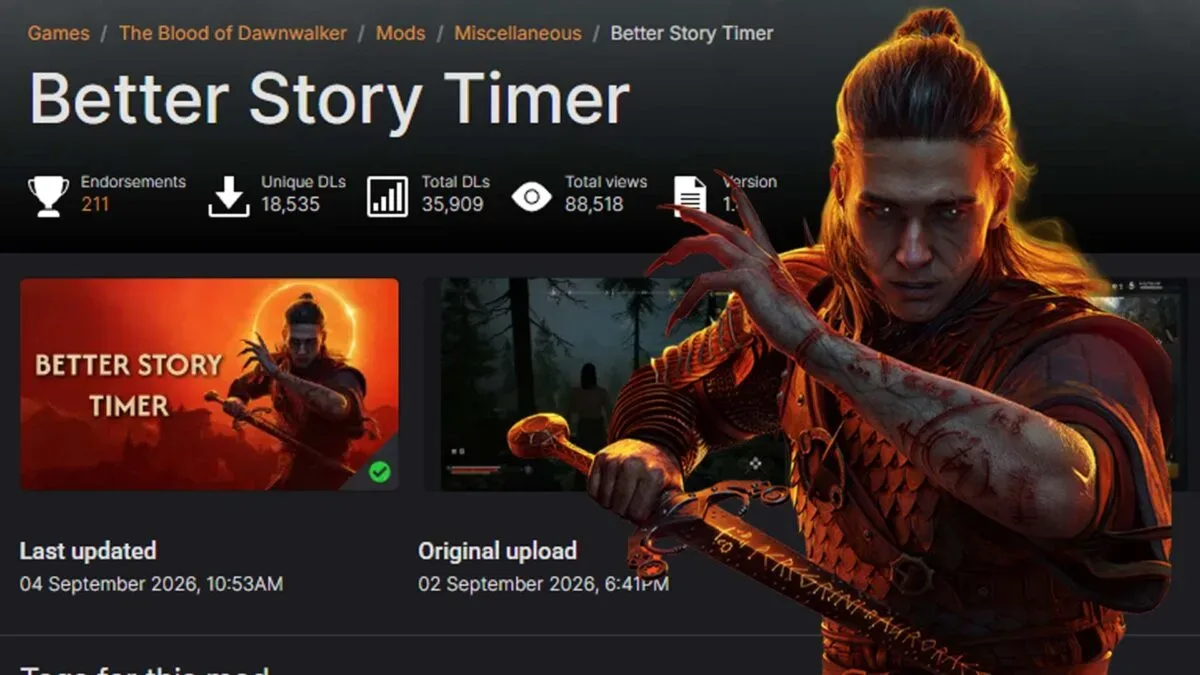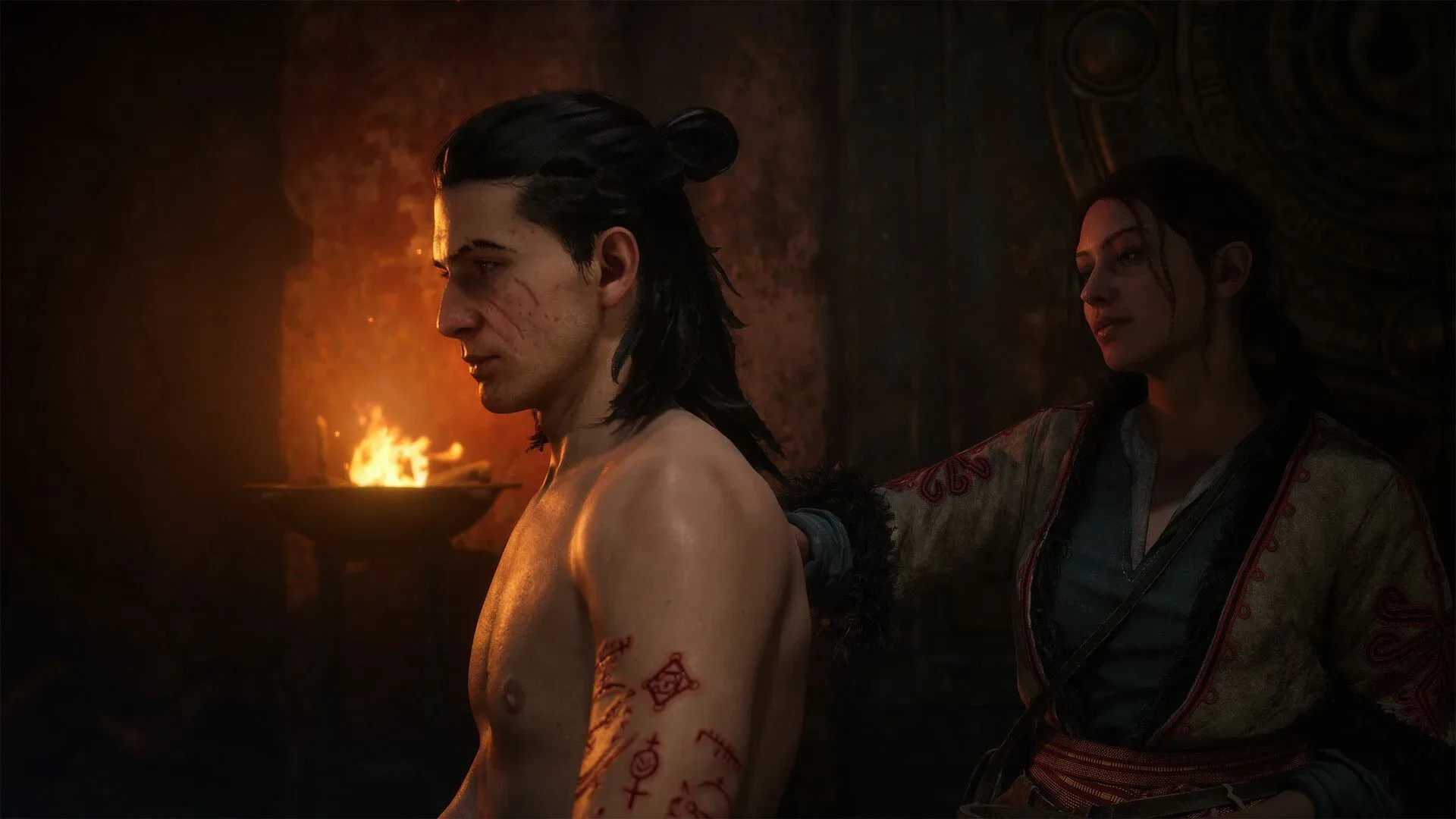
The Blood of Dawnwalker has arrived with a particularly revealing early audience signal on Steam: an estimated 58% of its players have also played The Witcher 3. The overlap comes from analysis by Alinea Analytics’ Rhys Elliott and makes The Witcher 3 the premium game with the biggest player-base crossover for Rebel Wolves’ new dark-fantasy RPG.
There is an obvious connection between the two games, but the scale is still notable. The Blood of Dawnwalker is directed by Konrad Tomaszkiewicz, whose past work includes a major role on The Witcher 3. Rebel Wolves also includes veterans with experience from that wider development background. For players who associate that creative lineage with expansive quests, difficult moral choices, monstrous dangers and character-led fantasy worlds, Dawnwalker represents a new destination rather than a direct continuation.
That distinction matters. A development team’s history can draw attention, but it cannot simply transfer the identity of one enormously influential RPG into another studio’s debut. The 58% figure instead suggests that a sizable segment of Steam players was prepared to investigate Dawnwalker because of familiar creative DNA—then make its own judgment about the new game.
A familiar audience finds a new dark-fantasy world
The Blood of Dawnwalker launched last week and currently carries a “Mostly Positive” user-review designation on Steam. Its broader critical response has leaned favorable, though it has not been unanimous. That is a useful frame for interpreting the crossover data: this is not merely a long-established franchise collecting its returning audience on day one. It is a new property attracting a substantial group of players who have already spent time in another landmark fantasy RPG.
Steam crossover information does not establish why every individual bought or played a game. Some players will have followed Tomaszkiewicz specifically. Others may simply be regular RPG fans with The Witcher 3 already in their libraries. The games share genre space, and The Witcher 3 has been a huge presence on PC for years, so a meaningful intersection is hardly impossible.
Even with those caveats, 58% is an attention-grabbing number. It indicates that The Witcher 3 is not just one related title among many within Dawnwalker’s audience profile. It is the strongest premium-game overlap identified in the analysis. That places the game’s heritage squarely in the conversation surrounding its early Steam reception.
What players may recognize—and what makes Dawnwalker different
The Blood of Dawnwalker occupies territory likely to feel legible to people who enjoy story-focused, open-world dark fantasy. Its setting is grim, its role-playing structure is deep, its sword combat is fast-moving, and its narrative presents branching paths. Those features can invite comparisons to The Witcher 3, particularly when combined with the pedigree behind the project.
But comparison is not the same thing as equivalence. Dawnwalker’s central identity includes a time-as-a-resource system that creates pressure around how players move through its story and priorities. Rather than treating time as mere background dressing, the design makes it part of decision-making. The result is intended to lend urgency to events and contribute to a world that feels reactive to what the player chooses to pursue.
Related coverage includes The Blood of Dawnwalker Draws a Major Witcher 3 Crossover on Steam.
That mechanic is important because it gives Dawnwalker a clear point of differentiation beyond its aesthetic and staff history. Open-world RPGs are often associated with exhaustive checklists and the comfort of putting off urgent-looking requests indefinitely. A system that makes time meaningful asks a different question: not only what does the player want to do, but what is worth doing now?
For some RPG players, that structure may sound restrictive before they encounter it. Time pressure can be intimidating when a game promises a big world full of stories. Yet it also has the potential to make choices carry more weight, emphasizing the practical cost of every detour, commitment and missed opportunity. Dawnwalker’s early discussion has repeatedly pointed to this system as a key part of the game’s personality rather than a small novelty placed on top of familiar RPG fundamentals.
Why creative pedigree still carries weight
Players often follow franchises, publishers, genres or platforms. They also follow creators. The Dawnwalker crossover demonstrates how individual developers can retain an audience connection after leaving a prior company and moving into a new studio structure. That connection is not blind loyalty; a new game still has to find an audience on its own strengths. But a respected creative record can help a fresh world get noticed in a crowded release calendar.
In this case, the link is especially easy to understand. The Witcher 3 remains a major reference point for modern single-player fantasy RPGs, with a reputation built around its world, quests and storytelling. A new open-world, dark-fantasy RPG from a director associated with that legacy naturally enters the public conversation carrying high expectations.
The early Steam results indicate that those expectations translated into real interest. They do not settle the question of Dawnwalker’s eventual legacy, nor do they mean all Witcher players will respond to it the same way. A player overlap is a snapshot, not a quality score. Still, the snapshot shows that the new game successfully reached the audience most inclined to understand where some of its design sensibilities originate.
The key number is 58%: more than half of The Blood of Dawnwalker’s Steam players also played The Witcher 3, making it the new RPG’s biggest identified premium-game audience overlap.
Early response is only the beginning of the story
Launching as a debut game brings a different challenge from releasing the next chapter of an established series. An existing franchise has years of familiarity and accumulated trust; a new world must teach players why its characters, lore and conflicts deserve attention. Dawnwalker has entered that process with mostly positive Steam reviews and a clear bridge to an enthusiastic RPG audience, but it will need time for its reputation to settle.
Its comparison with The Witcher 3 is therefore both helpful and demanding. The association can bring players through the door, while also setting a nearly impossible standard against one of the genre’s best-known successes. For Rebel Wolves, the more productive long-term outcome would be for players to recognize its influences while describing Dawnwalker in terms of its own systems, setting and decisions.
That process may also unfold over more than one game. Rebel Wolves has discussed Dawnwalker as a saga, indicating plans to build beyond the first installment. The studio’s broader ambitions are already taking shape, including its search for a lead writer for the next chapter; Rebel Wolves’ lead-writer search and the Dawnwalker saga plans offer an early look at that future-facing work.
What the Steam overlap does—and does not—tell us
It is tempting to read audience data as a simple verdict, but the better reading is narrower. The analysis shows a strong overlap between the Steam communities for two premium games. It does not reveal how much every player has played, whether they completed The Witcher 3, whether they purchased Dawnwalker because of Tomaszkiewicz, or whether they will ultimately prefer one game over the other.
It also should not erase the possibility that Dawnwalker appeals to people who never connected with The Witcher 3. A shared genre framework does not require an identical audience experience. Different pacing, a new setting, a distinct cast and the importance of time can make the newer game a better fit for some people, even as others arrive expecting familiar qualities.
What can be said is that the audience migration is substantial at this early stage. The Blood of Dawnwalker has found a large group of Steam players with a history in The Witcher 3, and that group appears to be an important foundation for its launch. Whether the game broadens far beyond that base will be a larger question for the coming weeks and months.
For now, the data gives Rebel Wolves something valuable: evidence that players do pay attention to the people behind the games they love. The Witcher 3 connection may have helped spark curiosity, but Dawnwalker’s future standing will rest on how effectively its own dark-fantasy saga earns that curiosity over time.