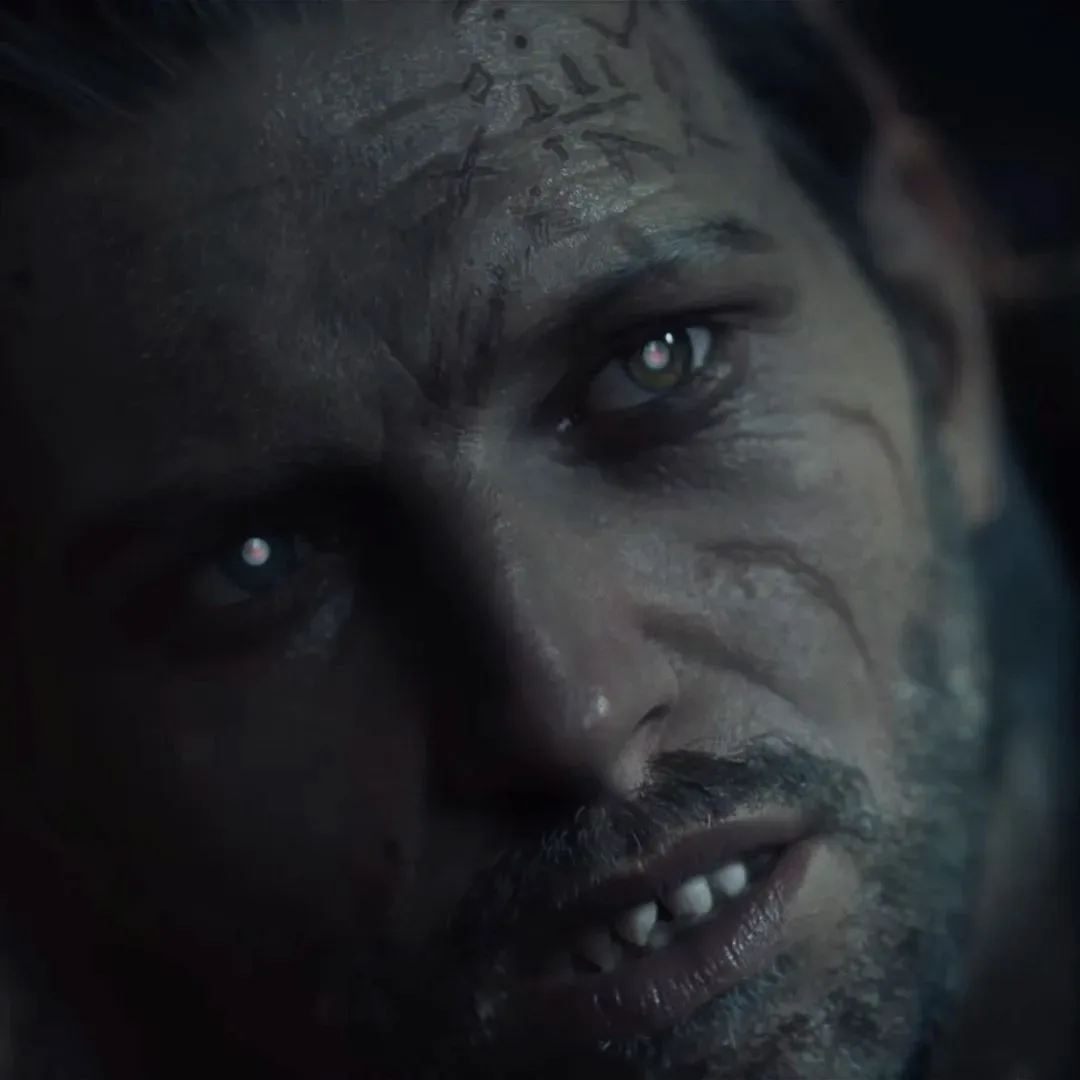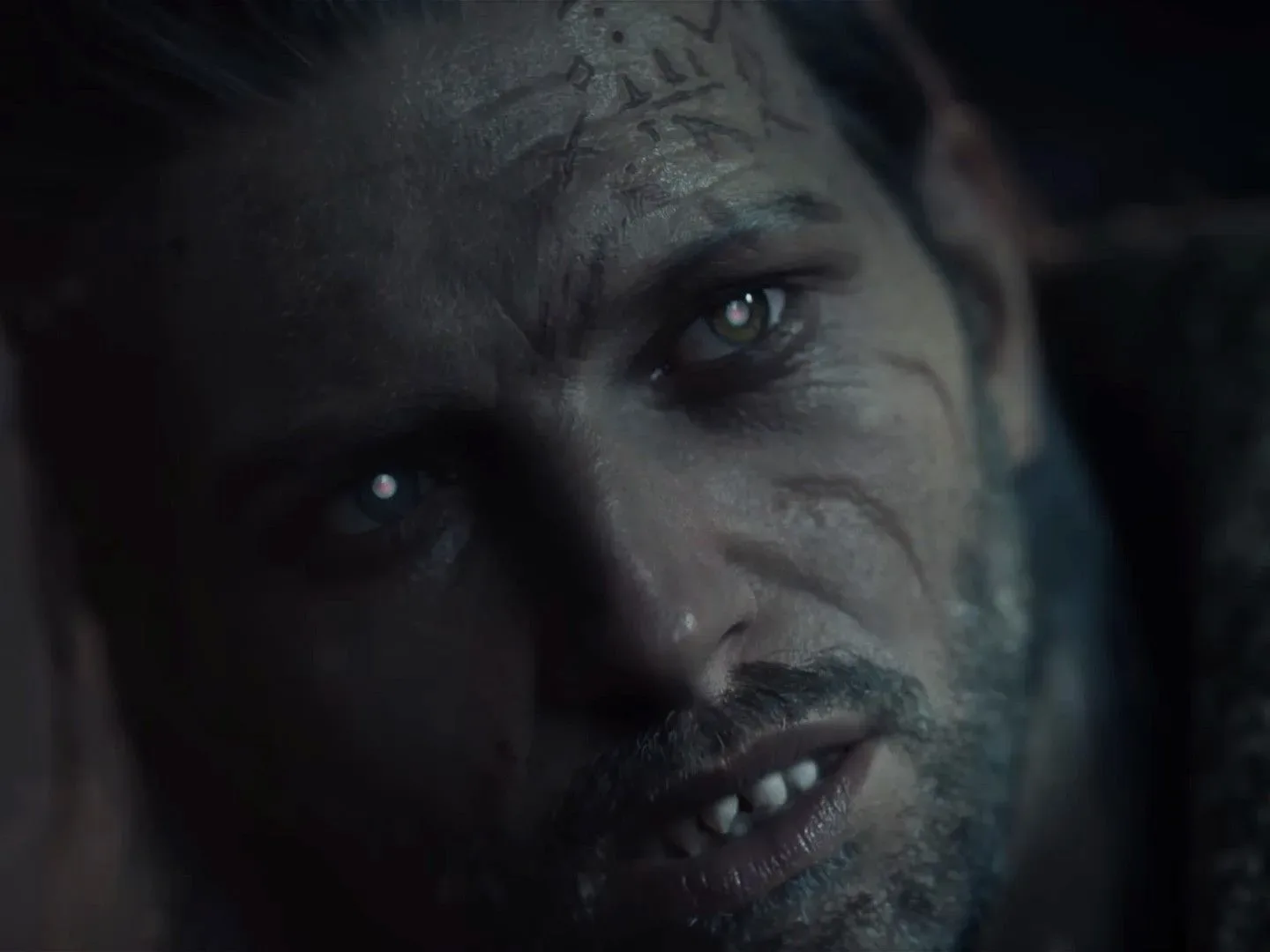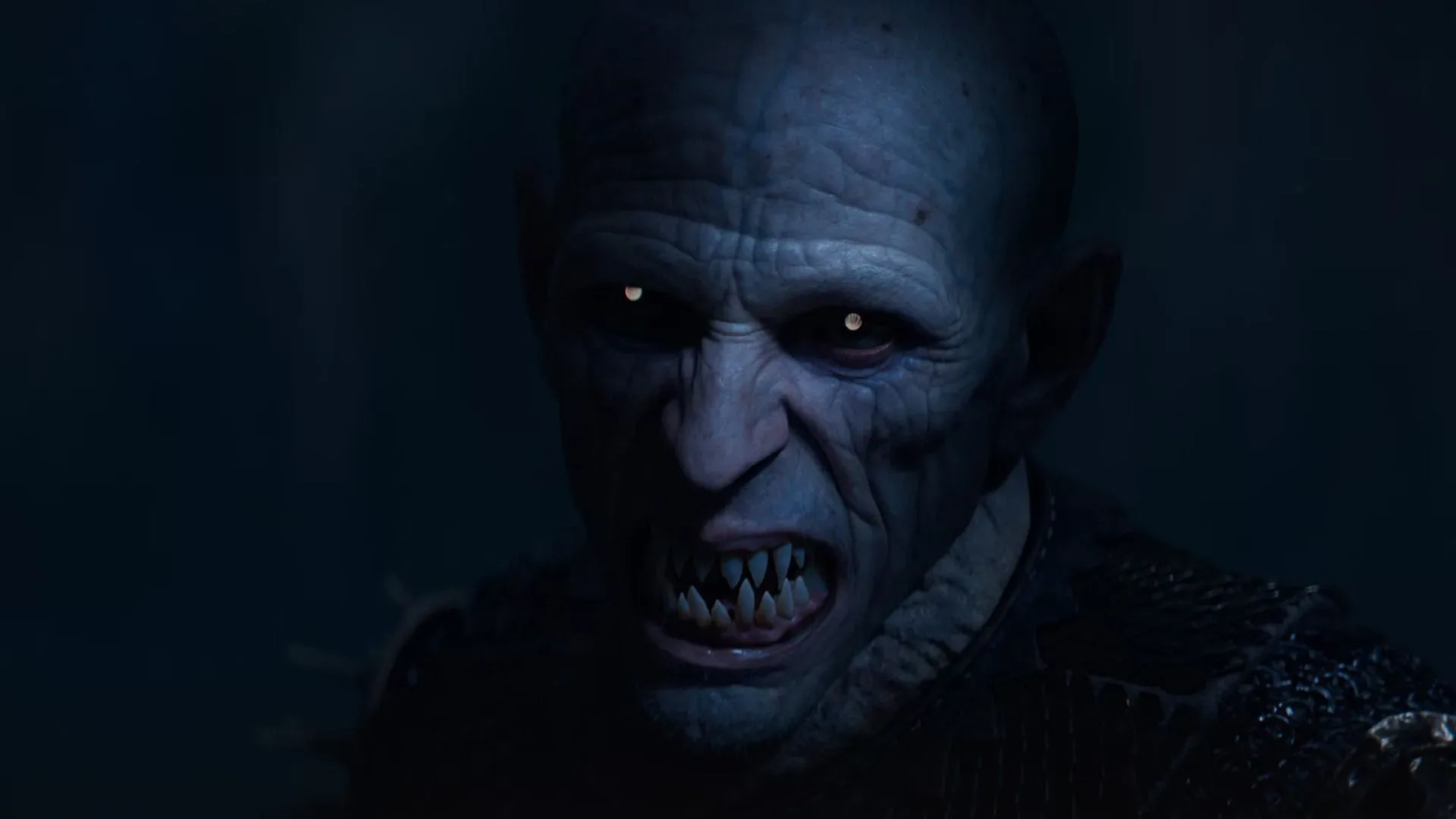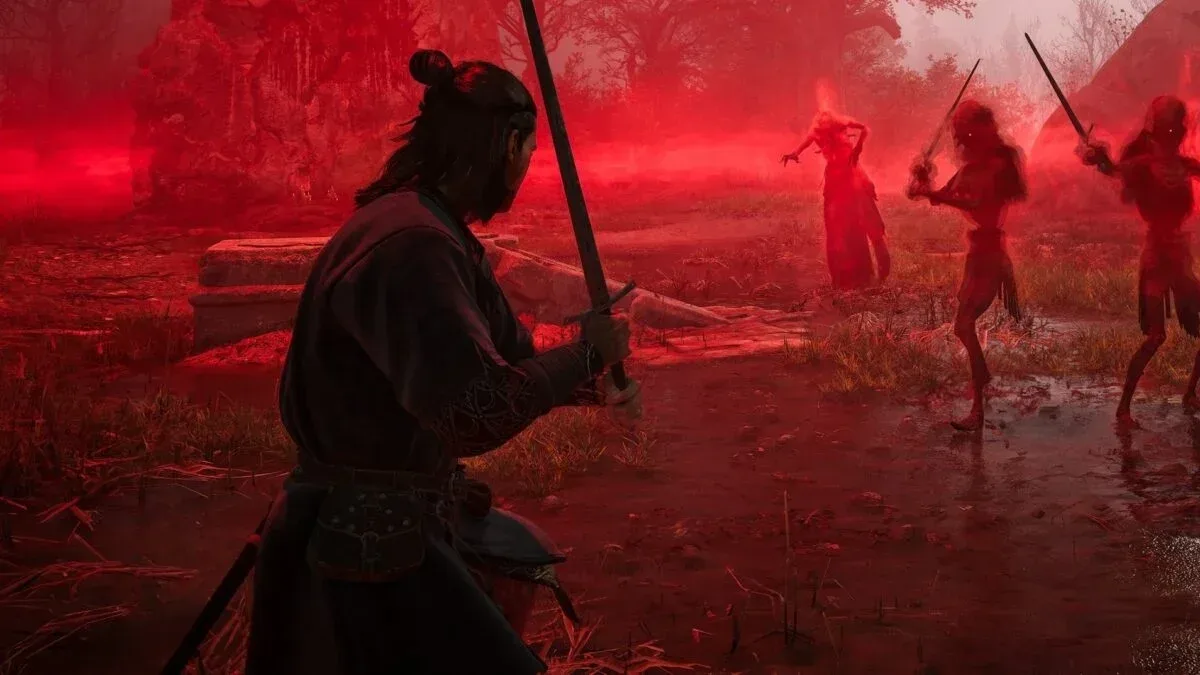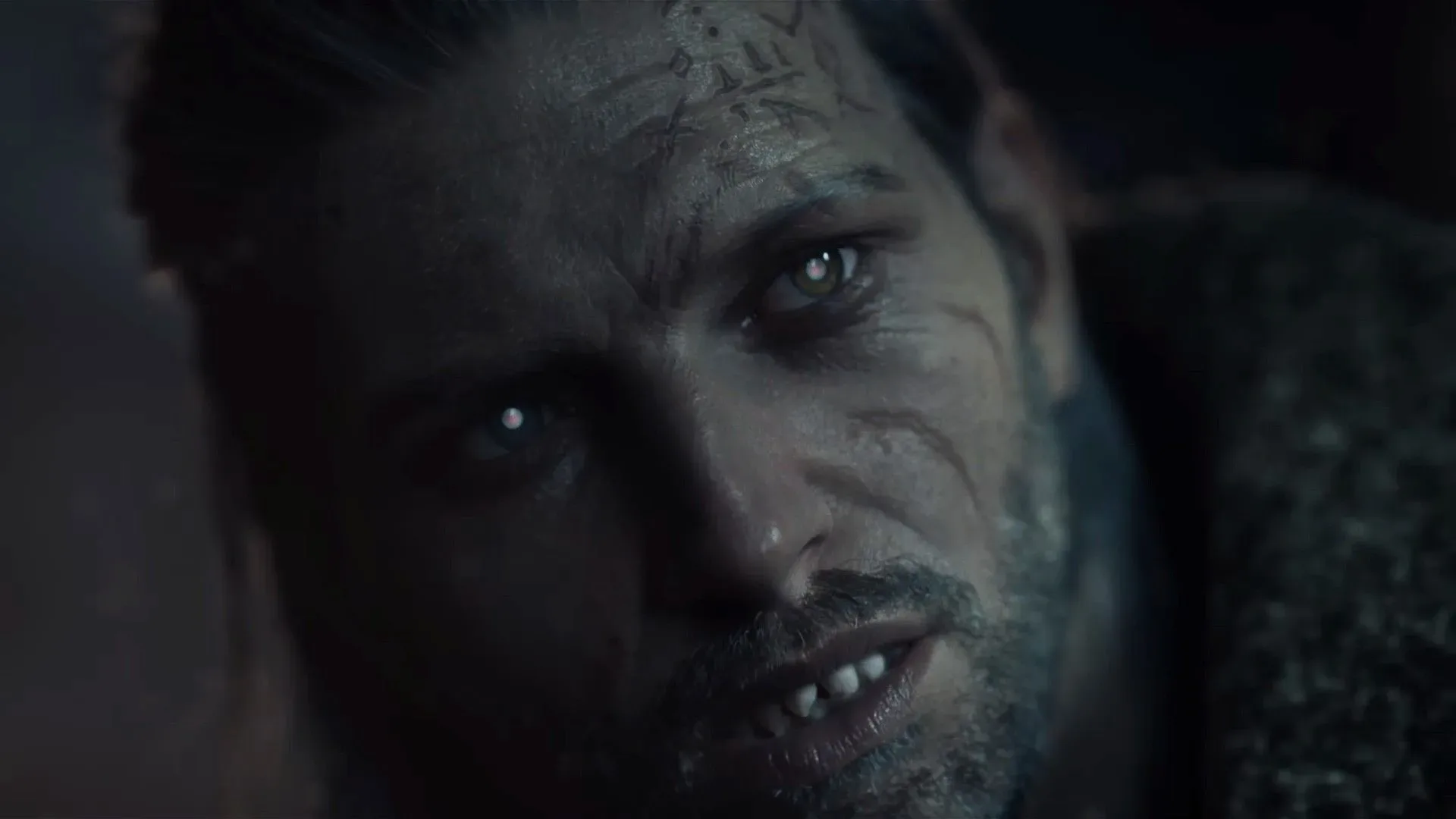
Rebel Wolves is already looking beyond the opening installment of The Blood of Dawnwalker. The studio has started recruiting for a Lead Writer to join its narrative group and help shape the next chapter of the vampire RPG series, following a launch that saw more than 1 million copies sold in the game’s opening weekend.
That is a brisk beginning for a new studio and, more importantly, a meaningful signal that Rebel Wolves is continuing to pursue its stated long-range plan. The Blood of Dawnwalker was conceived as the first part of a multi-game saga rather than a one-and-done nocturnal outing. The proposed structure is especially ambitious because player decisions are intended to persist from one entry to the next. In other words, players may want to think twice before making a choice solely because a suspiciously dramatic stranger offered them a mysterious vial. It could follow them much farther than the next cutscene.
The first game launched on September 3, and the developer said by September 5 that sales had passed the 1 million mark. Narrative director Jakub Szamalek subsequently confirmed that the team is looking ahead and seeking a writing lead for the franchise’s continuation. No sequel title, release window, platforms, story synopsis, or production timetable has been announced. Still, opening a senior narrative role makes the studio’s intent unusually clear: the Dawnwalker story is being treated as an ongoing project.
A hiring call, not a sequel reveal
It is worth keeping the distinction straight. This is not a formal announcement of a finished sequel, nor is it a promise that the next installment is deep into production. A job listing usually tells us more about a studio’s needs than it does about a game’s final shape. Recruiting for a Lead Writer means Rebel Wolves is staffing the narrative work needed for what it regards as the next chapter, but it does not establish when players will see it.
The available listing is also light on concrete story details. Its language appears to have been drafted before The Blood of Dawnwalker shipped, so it offers little that can be read as a fresh clue about where the saga will go. What it does emphasize is the kind of person the studio wants: an exceptionally strong writer with a record of excellence and experience managing a team.
That combination is notable in a series built around consequence and continuation. A lead writer on a branching RPG is not simply responsible for making dialogue sound sharp. The role can involve maintaining consistency across quests, characters, world rules, endings, optional content, and the many player actions that may need to be acknowledged later. Add the promise of decisions carrying into another game, and the narrative filing cabinet starts to look less like a cabinet and more like an ancient crypt with color-coded folders.
The save file is meant to matter
Rebel Wolves has previously said that choices from a player’s final save will move with them into the next entry. CEO and game director Konrad Tomaszkiewicz described the saga plan as something the studio had communicated from the outset, with the continuation concept serving as evidence that it intends to follow through.
That idea gives the Lead Writer search extra weight. Plenty of RPGs offer choices that reshape a current playthrough, alter relationships, or change the ending. Fewer commit to extending those consequences into a future game, where the previous adventure can become part of the player’s personal canon. The model invites some tantalizing questions, even though Rebel Wolves has not answered them yet:
Related coverage includes The Blood of Dawnwalker Team Begins Hiring for the Saga's Next Chapter.
- Which decisions will be recorded and recognized in the next game?
- Will players import a save directly, select past choices through a recap, or have access to both options?
- How will the sequel accommodate dramatically different outcomes without making every route feel thin?
- Will decisions influence major plot paths, companion relationships, world conditions, or smaller pieces of dialogue and atmosphere?
- How much time will pass between chapters of Coen’s story?
Those are questions for later, not details confirmed by the hiring post. But they illustrate why narrative leadership will be central to the project. Persistent choices can make a sequel feel personally responsive, yet they also create a huge organizational challenge. The more a story remembers, the more carefully it has to account for what it remembers.
Coen’s story is set to continue in a modern-day setting
One piece of the next chapter’s direction has already been teased: Coen’s story is expected to move into a modern-day setting. Rebel Wolves pointed toward that shift in a Summer Game Fest trailer focused on the future of the fledgling franchise.
A modern setting could offer a sharp contrast with the first game’s established vampire-RPG identity, though the studio has not laid out the exact circumstances, locations, supporting cast, or central conflict involved. It is therefore safer to view the teaser as a setting promise rather than a detailed roadmap. Fans know that the saga is intended to continue with Coen and that it will reach a present-day backdrop; the specifics remain behind the coffin lid for now.
The shift does create room for interesting thematic continuity. Vampires, power, secrecy, survival, and identity can look very different amid contemporary technology and institutions than they do in a more historical environment. A modern world also raises the entertaining practical problem of hiding supernatural business from cameras, messages, databases, and whatever app people use to rate blood bars. Whether the saga leans into those tensions is unknown, but the setting makes them hard to ignore.
Early sales give a young studio valuable momentum
Crossing 1 million copies in the opening weekend is an encouraging commercial milestone, particularly for a debut release from a new team. Rebel Wolves includes developers with experience connected to The Witcher 3, a pedigree that likely helped put the project on many RPG fans’ radar. But prior experience does not automatically guarantee that a new studio will get the chance to expand its first original property.
The game business has repeatedly demonstrated that launch success, staffing stability, and a sequel opportunity are separate things. Studios can face uncertainty even around well-received projects, and development teams have recently been affected by furloughs and other disruptions close to release. Against that backdrop, Rebel Wolves moving to hire for its next narrative step is a more welcome kind of post-launch news: evidence of forward planning rather than retrenchment.
The result also fits a wider industry reality. Established games and franchises increasingly extend beyond a single release, whether through sequels, long-term updates, adaptations, or other formats. As Sega’s discussion of Sonic, Persona, and Yakuza reaching beyond controllers shows, companies often look for ways to build durable audiences around recognizable worlds. Rebel Wolves’ plan is more narrowly focused on connected RPG entries, but it similarly hinges on building a setting players will want to return to.
Why the writing role could shape the series
The Lead Writer position is more than a routine addition to a staffing chart. Narrative leads help define the connective tissue that makes a series feel intentional rather than merely sequential. That is particularly true when a first game must both tell a satisfying story and leave enough material for a later chapter.
A strong writing leader will need to balance several competing demands. The sequel must respect players who made consequential decisions in the original while remaining understandable and inviting for people who did not. It has to provide a new dramatic arc instead of functioning as an oversized epilogue. And it needs to make the transition to a different era feel earned, not like the narrative equivalent of opening a door and discovering everyone has suddenly purchased smartphones.
Team management is equally relevant. Modern RPG writing is collaborative: writers coordinate with quest designers, cinematic teams, gameplay designers, localization specialists, editors, and others. A narrative vision only becomes playable when it works with the rest of development. The listing’s request for management experience suggests Rebel Wolves is looking for someone who can guide that process as well as contribute prose.
What players can reasonably take from the news
For now, the clearest takeaway is simple. The Blood of Dawnwalker has made a fast commercial start, Rebel Wolves is hiring to continue the saga, and the studio’s previously outlined plan remains to carry player choices forward. The next game is expected to bring Coen’s story into a modern-day setting, but its title, timing, gameplay systems, release platforms, and exact narrative premise have not been disclosed.
That leaves plenty of empty space for speculation, which the internet will fill at approximately the speed of a vampire spotting an unlocked neck. But the confirmed facts are already substantial enough to make the franchise’s direction interesting. Rebel Wolves did not describe The Blood of Dawnwalker as a closed case, and the Lead Writer search indicates it is preparing to keep that case open.
Players still working through the first game have time to explore its world and weigh their choices. If the cross-game save plan arrives as described, those choices may eventually become more than memories of an earlier campaign. They could be the baggage, blessings, grudges, and strange moral paperwork that greet Coen in the saga’s next chapter.