The old shorthand for being a gamer is wonderfully simple: play games. Own a controller, make choices, miss a jump, blame the camera, start again. Sega president and COO Shuji Utsumi is making the case for a broader definition. In comments published September 7, Utsumi said Sega has seen a growing number of people become deeply invested in its franchises without ever playing the games themselves—and the company still sees those people as gamers and legitimate fans.
That position is not merely a semantic argument over who gets to use a label. It describes how a major game company is approaching its best-known properties. Sonic the Hedgehog, Persona and Yakuza are no longer confined to a box, download page or console dashboard. Their characters, music, stories and visual identities circulate through films, television, online video, social media, licensed products and creator streams. For Sega, each format is another potential doorway into a fictional world.
Utsumi framed this as part of the company’s transmedia strategy: expanding an intellectual property across different media rather than treating the game as the only meaningful point of contact. Under that logic, someone might first meet a character in a movie, become attached to a story through a stream, follow clips and music online, then buy a piece of merchandise. They may eventually play. They may not. Sega’s view is that either outcome can still represent substantial engagement.
A fan relationship no longer starts with a console
For years, games have been watched as well as played. Walkthroughs, competitive broadcasts, lore videos, reaction clips and long-form playthroughs can make a game’s world accessible to people who lack the hardware, time, confidence or interest required to play it themselves. That does not automatically erase the distinction between playing a game and viewing one. The activities are plainly different. But the modern fan relationship is often built from a mix of both.
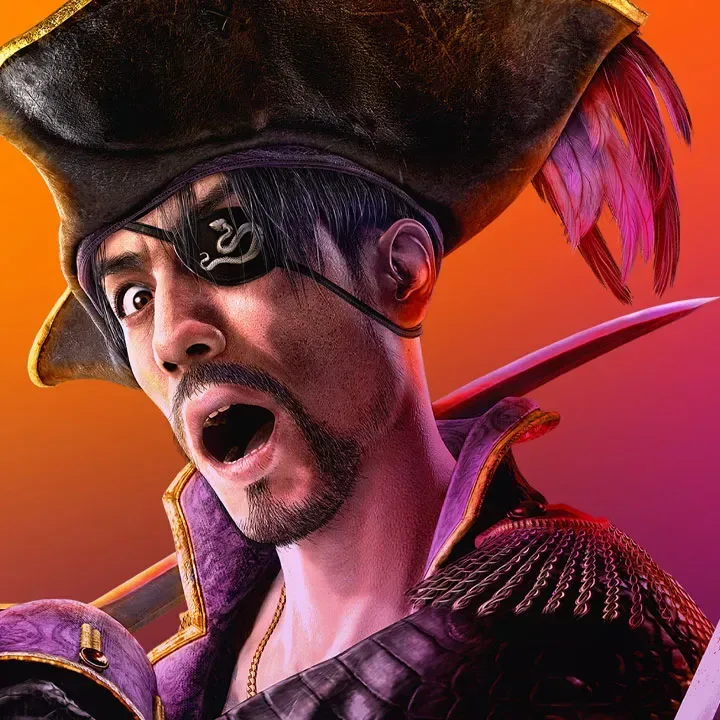
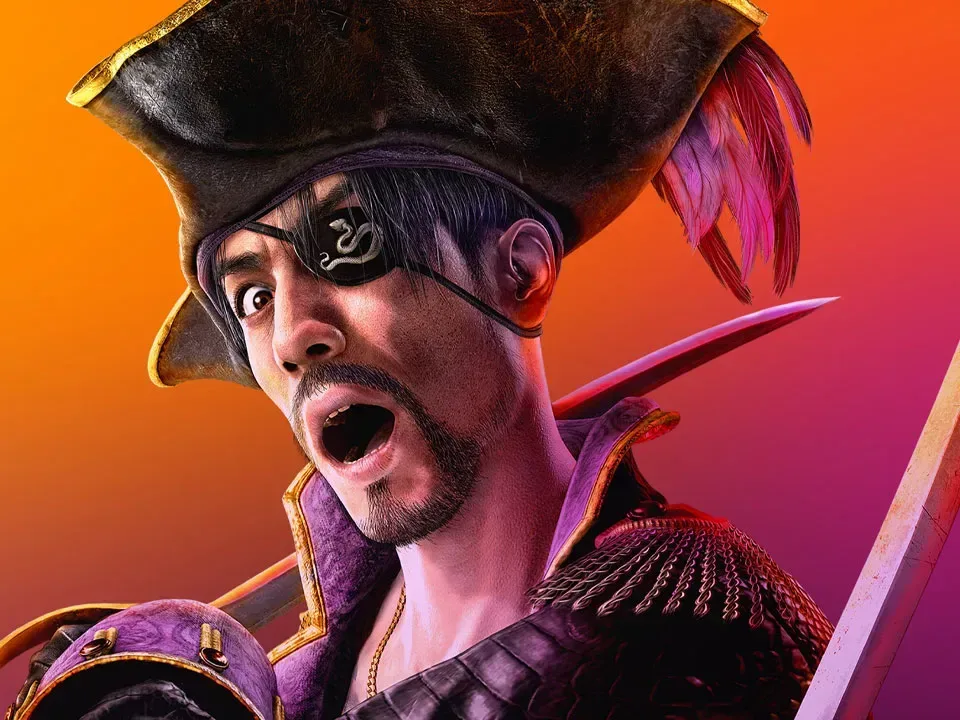
Sega’s approach recognizes that the path is especially relevant for story-heavy and character-driven series. A person can understand the broad appeal of Yakuza through its dramatic crime stories, absurd side activities and memorable cast before they ever navigate one of its city streets. Persona’s character designs, soundtracks and social themes travel readily through online communities. Sonic has long been an unusually flexible mascot, moving among games, animation, movies, toys and apparel.
Utsumi said Sega has observed this increase across its titles in recent years. The company’s position is not that playing games has become unimportant. Rather, it is that engagement can take more than one form, and transmedia makes those routes easier to find. A screen, a trailer, a streamer’s archive, a soundtrack or a display shelf can be the first meaningful encounter.
That broader media landscape also helps explain why video platforms matter so much to publishers. Creator coverage can introduce a series to people who would never have encountered it through a conventional ad campaign. The shifting relationship between traditional broadcasters and streaming platforms has become a larger entertainment-business story as well, as explored in this look at broadcasters and streamers partnering around YouTube’s growing TV role. For game publishers, that environment offers an enormous and continuing discovery engine.
Yakuza merchandise points to a changing audience
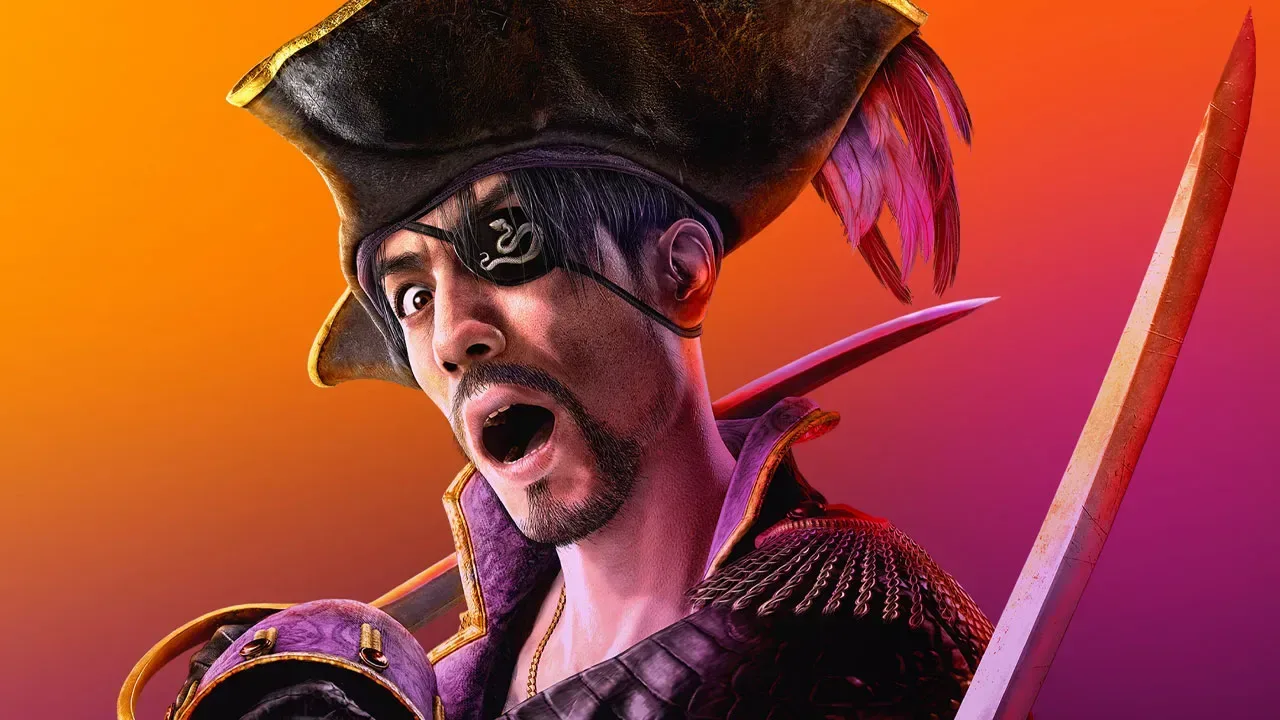
Utsumi offered Yakuza as a particularly clear example of the pattern. He said the series has performed very strongly in merchandise, and that women account for roughly 60% to 70% of purchasers. In his description, many of those buyers became interested through Sega’s own online videos and through popular creators’ streams, forming an attachment to the series’ setting, narrative and characters. Many have not actually played a Yakuza game.
Related coverage includes Sega Says Fans Who Never Play Its Games Still Count as Gamers.
The figure should be read as a statement about merchandise purchasers, not a claim that women constitute 60% to 70% of all Yakuza players or all fans. Even so, it is a notable indication of how a franchise can reach audiences beyond assumptions built around its original game genre. Merchandise data can reveal forms of enthusiasm that playtime statistics alone cannot capture.
It also raises a useful question for collectors: what exactly does a purchase represent? A T-shirt, acrylic stand, badge, plush or commemorative item may be evidence of affection for a character, a design, a story or a community. It does not require dozens of logged hours in the game. In fact, a person’s most visible expression of fandom may take place away from the game entirely—in an outfit, a room display, a convention bag or a daily accessory.
That is a meaningful shift from the older model in which licensed goods were often treated as a side business attached to the “real” product. Increasingly, the goods are part of the relationship with the property. They allow fans to carry an affiliation into ordinary life, display it publicly, or mark an event and a memory. Sega’s strategy suggests that this kind of participation is being taken seriously rather than dismissed as peripheral.
From collectible goods to everyday licensed products
Utsumi connected Sega’s current thinking to experience he gained while working at Cybird, a developer known for otome romance games. He described a merchandising evolution that extended beyond familiar collectible formats such as pin badges and acrylic stands. The product mix also grew to include apparel, cosmetics and other lifestyle-oriented licensed items intended for regular use, alongside limited and commemorative products created in partnership with amusement facilities.
That distinction matters. Collectibles often appeal through scarcity, presentation, completion or a specific character image. Lifestyle merchandise asks a different question: can this property fit naturally into a fan’s everyday routine? A jacket, bag, cosmetic item or household object can signal fandom while serving a practical purpose. Neither approach is inherently more valuable, but together they create more opportunities for a person to participate.
- Traditional collectibles can center on a favorite character, a striking illustration, a limited run or a set-building impulse.
- Lifestyle products place the franchise into daily use through fashion, beauty and functional goods.
- Event and commemorative items connect fandom to a particular venue, collaboration or moment in time.
- Screen and streaming discovery can introduce the property before a fan owns a game at all.
For a publisher, these are not isolated channels. They can reinforce one another. A person watches a stream, follows a character online, picks up an accessory, sees a trailer for an adaptation and later becomes curious about the game. Another person may stop at the merchandise stage and still remain an active part of the audience. Sega’s stated position is that both fans count.
Sonic and Persona show the scale of the strategy
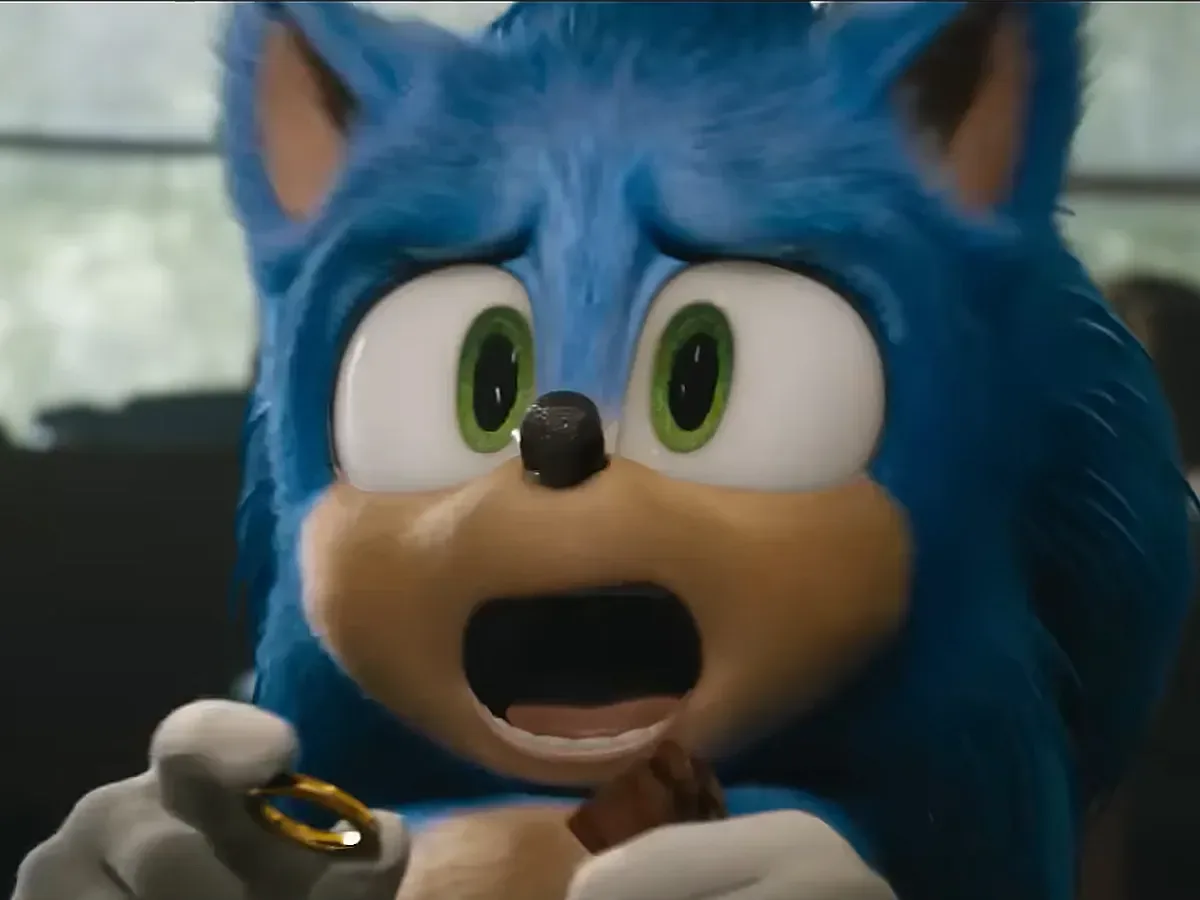
Sonic is the most obvious proof of Sega’s ability to operate across formats. All three live-action Sonic films have made money at the box office, and a fourth movie is planned. That kind of reach introduces the character to audiences who may know Sonic primarily as a film hero rather than as the star of platformers, racing games or older console history.
Persona is also moving further into screen entertainment, with a series in development at Netflix. Details such as release timing and format were not part of Utsumi’s comments, so the project should not be treated as a completed show or a promise of a specific gaming outcome. Its importance here is strategic: another major Sega property is being positioned to meet audiences where they already watch entertainment.
There is no guarantee that every viewer, merchandise buyer or online follower will become a game player. Sega does not appear to be presenting conversion as the only measure of success. Utsumi’s argument is more expansive: transmedia increases the number of chances people have to encounter an IP, and in some cases a non-playing fan can be more intensely engaged than someone who has played.
Sega’s stance is that fandom is not invalidated by the route a person took into the world, whether that route began with a game, a video, a movie, a show or a collectible.
The label is broader, while the experiences remain different
There will naturally be debate over calling someone a gamer if they have never played a game. Words carry community history, and some players will reserve the term for direct participation. Sega is not eliminating the practical difference between controller-in-hand play and passive viewing. A game’s systems, challenge, agency and moment-to-moment decisions can only be experienced through play.
But Utsumi’s comments push back against the idea that non-players are somehow counterfeit fans. In an era when franchises are built to travel across media, that boundary is less commercially useful and less descriptive of how audiences behave. Someone who knows every character, follows every adaptation, buys licensed goods and discusses the story with a community is not necessarily outside the culture simply because they skipped the tutorial.
For Sega, the emphasis is on welcoming entry points rather than policing them. Its franchises can still seek new players while also serving viewers, collectors and character fans on their own terms. As more gaming properties become entertainment brands with lives far beyond a console, that definition may become less unusual. The joystick remains important—but it is no longer the only passport into the world.