A Roblox project called Nightshift is attracting attention not because it leans into the platform’s most recognizable visual shorthand, but because it appears determined to escape it. Shared work-in-progress footage and screenshots show a racing-focused experience built around supercars, dramatic lighting and relatively detailed environments—enough to prompt a recurring reaction from viewers: disbelief that it was made in Roblox at all.
That reaction is understandable, even if it should not be mistaken for proof that the project has reached a final technical or commercial state. Nightshift is still in development. What people are seeing is a showcase of an in-progress build, rather than a finished game with a confirmed release date, feature list or platform-performance breakdown. Still, the material being shared is notable for its visual ambition and for what the developers have said about mobile access.
One developer involved with the project has said that mobile players will be able to play Nightshift, adding that mobile support has been a priority ahead of PC from the beginning. For a visually ambitious Roblox racing game, that is as consequential as the screenshots: it frames the project around the broad device reach that has long been central to the platform rather than treating phones and tablets as an afterthought.
What Nightshift appears to be building
The footage and images shared for Nightshift emphasize the hallmarks viewers tend to associate with large-scale contemporary driving games: glossy performance cars, atmosphere-driven lighting, textured surfaces and sound design intended to make driving feel substantial. Its visual direction has invited comparisons to Grand Theft Auto VI, though that is best understood as a shorthand for the mood and apparent production ambition, not a claim that the projects are directly comparable in scope, budget or design.
Nightshift’s visible focus is on cars and racing. The available material also indicates that players are helping shape the game through playtesting. Playtesting is the process of letting players use an unfinished build so developers can identify problems and gather feedback. In a racing project, that feedback could concern how vehicles feel to control, whether tracks are readable at speed, how visual effects affect visibility, or where performance needs improvement. Those specific results have not been detailed here, but the presence of playtesting means the project is being developed with input beyond its core team.
The eye-catching presentation does not erase the distinction between an appealing clip and a finished product. A short sequence can highlight a particular car, weather condition, camera angle or carefully chosen environment. A full game must sustain its look while players drive unpredictably, encounter other players and use a range of supported devices. That gap is precisely why Nightshift’s stated mobile goal is worth watching rather than merely repeating as a headline.
Why the mobile promise matters
Mobile support is not simply a matter of mapping steering and acceleration to touchscreen buttons. Phones and tablets vary substantially in processing power, memory and display size. A project that aims for richly lit scenes and detailed vehicles has to balance visual density with responsiveness and clear controls.
Optimization is the practical term for that balancing act. It means arranging a game’s content and systems so it runs efficiently without giving up more visual or gameplay quality than necessary. Developers may need to make trade-offs between detail, effects, draw distance and smoothness. The source material does not explain the technical techniques Nightshift uses, so it would be premature to credit it with any particular solution. But the developers’ prioritization of mobile establishes the constraint their work must ultimately meet.
Related coverage includes Nightshift Is a Roblox Racing Project Turning Heads With Its AAA-Style Visuals.
That constraint can influence design well before a game is near release. If mobile comes first, developers need to consider touchscreen readability, performance budgets and how quickly players can understand what is happening on a smaller display. For a driving game, visual flair must coexist with usable roads, comprehensible turns and controls that do not make precision feel impossible. A project can look spectacular in a static screenshot, but racing games also need clarity at speed.
There is an audience implication, too. Making mobile a central target potentially puts Nightshift in front of players who may not own a gaming PC but already use Roblox through a phone or tablet. The project’s ambition, then, is not only to make a striking Roblox game; it is to pursue that look while keeping its intended audience broad.
The bigger point is creator-tool perception
Much of the conversation around Nightshift has centered on a basic question: can Roblox really produce an experience that looks like this? The answer suggested by the project is not that every Roblox game will suddenly resemble a premium driving title. Rather, it is a reminder that a platform’s popular visual identity and its creative ceiling are not the same thing.
Roblox is widely associated with stylized avatars and simple, immediately readable experiences. Nightshift is drawing attention because its public-facing material pushes in another direction, emphasizing a more polished automotive aesthetic. Viewer responses asking whether the footage is truly Roblox reflect the force of that contrast. The surprise is part of the story, but it also reveals how firmly a platform can be defined in public imagination by its most visible games rather than the full range of projects its tools can support.
That is relevant to the broader conversation around creator-driven development. Tools can give small teams and individual creators a route to make projects that would otherwise be difficult to distribute to a large built-in audience. Yet access to tools does not remove the hard work of art direction, engineering, sound, interface design, testing and ongoing maintenance. Nightshift’s early interest should be read as recognition of what its creators have shown so far, not as evidence that the difficult parts are already solved.
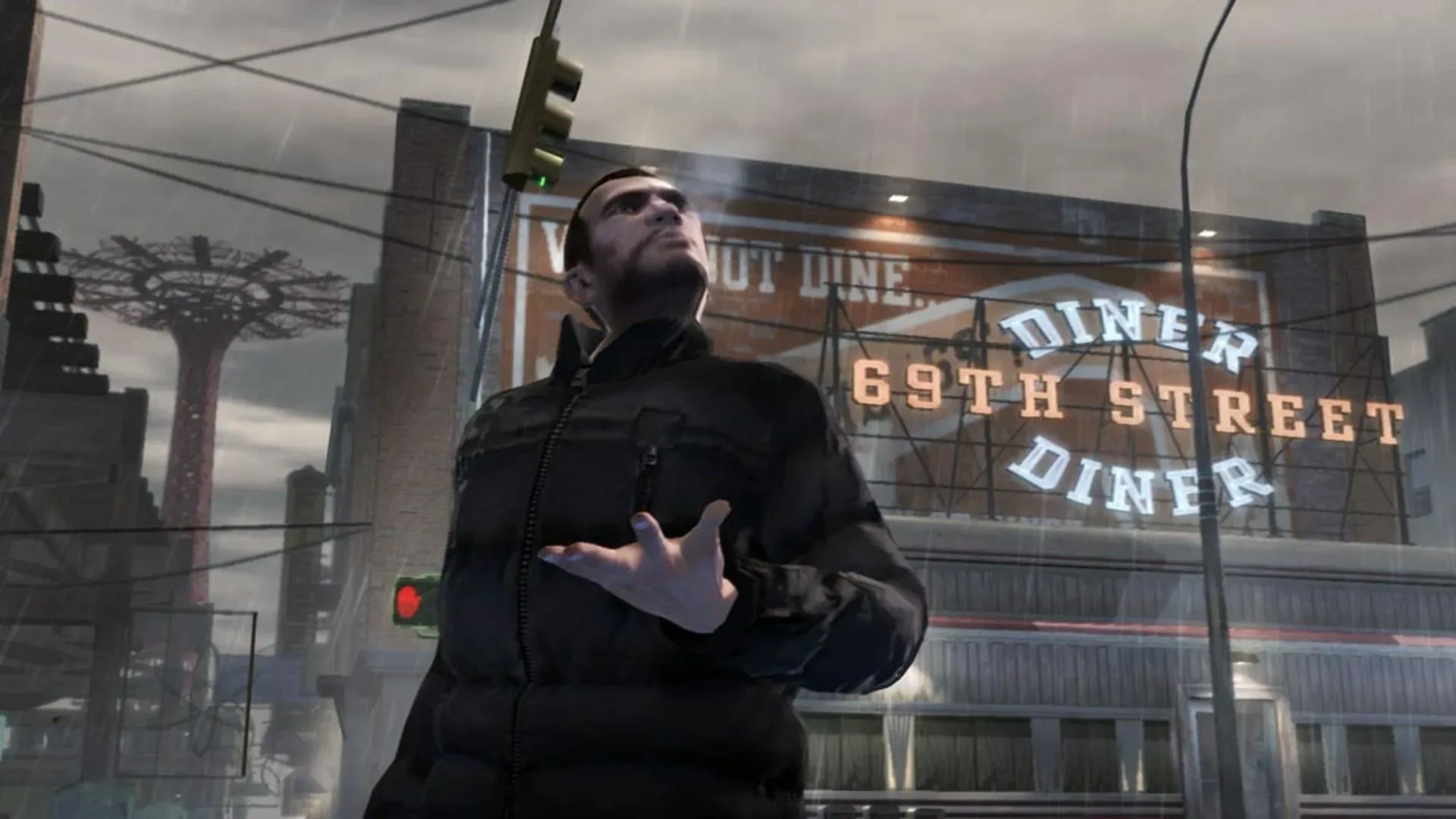
The GTA comparison also needs a little discipline. It works as a quick way to communicate the style that caught people’s attention—sleek cars, a nighttime atmosphere and visuals that appear more elaborate than stereotypical Roblox imagery. It does not establish that Nightshift has the same kind of open world, mission design, simulation systems or overall content scale. For more context on why Rockstar’s series has shifted tone across entries, see this look at GTA 4’s darker creative direction.
What is confirmed—and what is still unknown
There are a few clear takeaways. Nightshift is an in-development Roblox project with a racing-oriented presentation, a focus on supercars and visuals that have generated strong reactions online. Screenshots and footage have highlighted its lighting, textures and audio work. Playtesting is part of the project’s development process. And a developer has said mobile compatibility has been a priority from the start and that mobile players will be able to play it.
There are also major unanswered questions. No release date is established in the material available. There is no confirmed list of game modes, no stated business model, no detailed explanation of how it will perform across mobile hardware, and no complete technical specification. It is also unclear how the team plans to balance visual quality with the consistency demanded by competitive or social driving.
Those unknowns do not diminish why Nightshift is resonating now. Projects like this can be useful demonstrations of direction even before they are complete. The most meaningful test will not be whether a clip can make viewers stop scrolling, but whether the finished experience can retain its visual character, feel good to drive and work for the mobile audience its developers have put at the center of the plan.