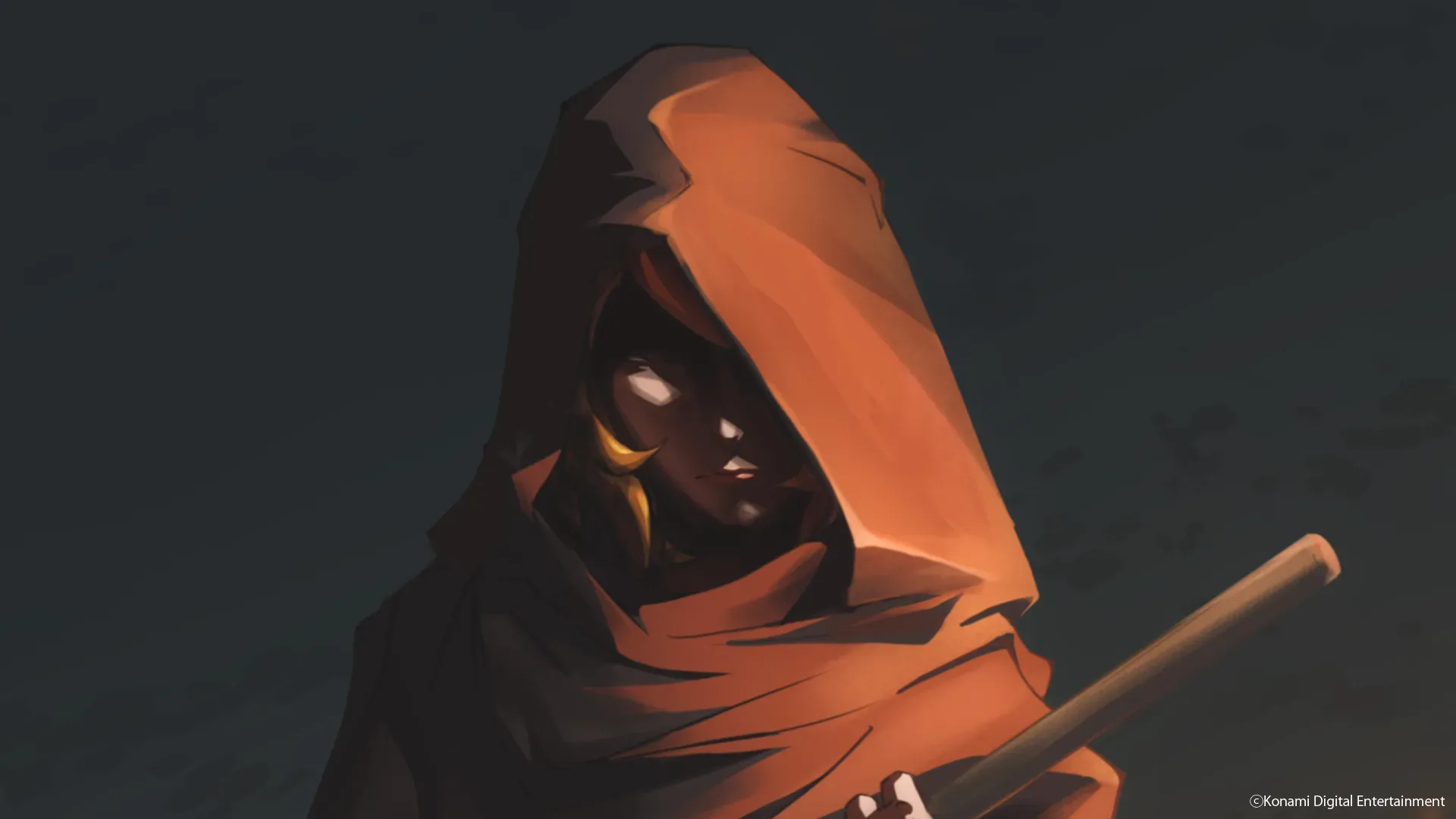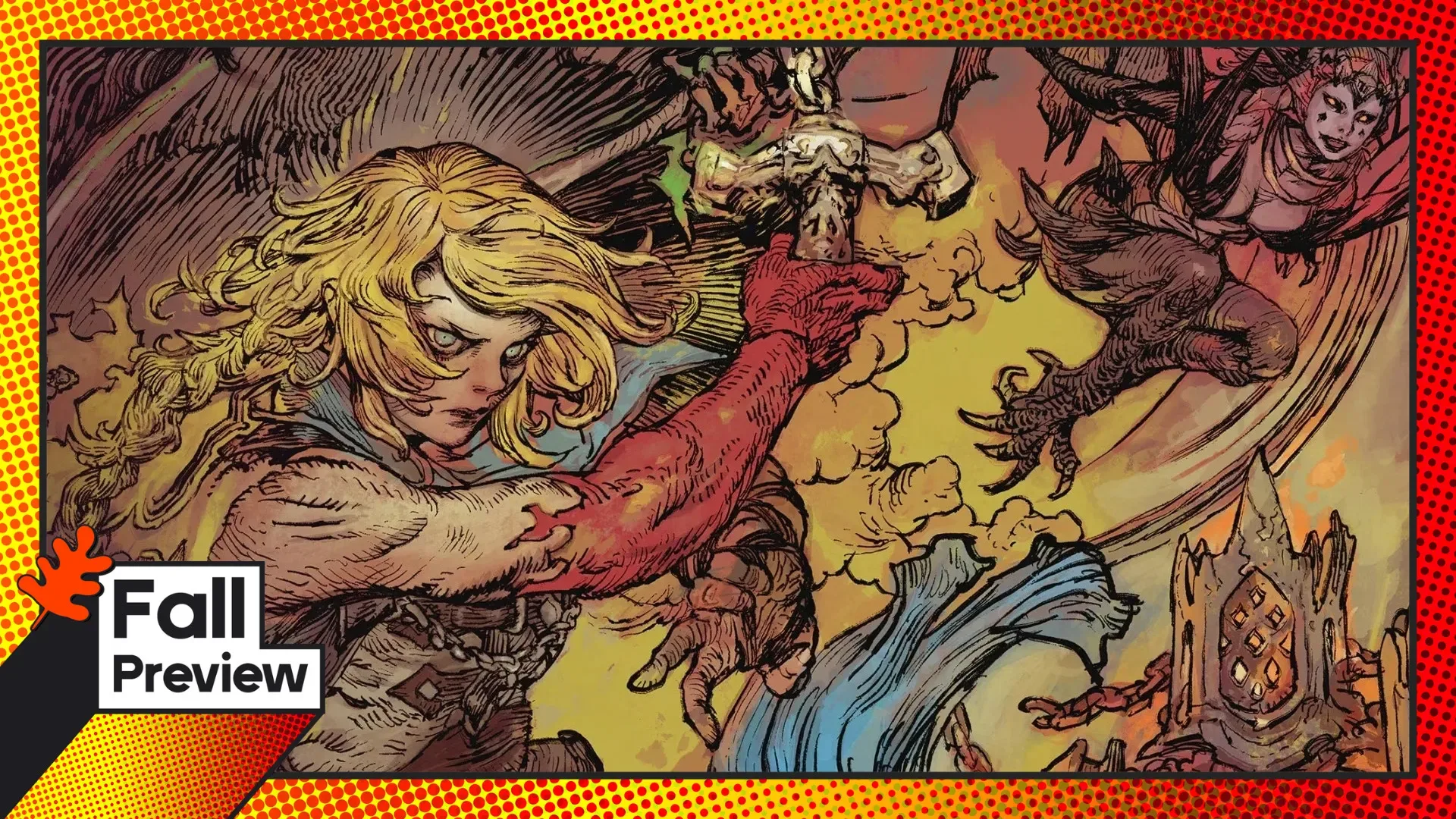
Castlevania: Belmont’s Curse was not always built around the balance of speed, exploration and whip-led combat that defines its released form. Evil Empire head of business Ben Laulan has described a development process that swung between two very different extremes: a slower, punishing approach with a Dark Souls-like rhythm, then a hyper-fast version that leaned too near the studio’s work on Dead Cells.
The eventual direction was not simply a matter of making the game easier or faster. It was an exercise in deciding what parts of a familiar action-series identity could bend, and which parts could not. Laulan said the team made “many different versions” before reaching the version that felt properly Castlevania.
A slower version that felt wrong for Castlevania
One early approach was deliberately weightier. Laulan characterized it as having a “Dark Souls kind of vibe,” with heavier combat and a slower rhythm. That description should not be taken to mean that Belmont’s Curse was attempting to replicate every convention associated with Soulslike games. No detailed feature list has been given. But it does establish the central tension the team encountered: combat that asks players to move and commit at a more deliberate pace can create intensity, yet that pace did not ultimately suit the game Evil Empire wanted to make.
Laulan’s assessment was blunt. The slower prototype was “too slow, too intense, and just too hard,” and, crucially, it no longer felt like Castlevania. That last point matters more than a raw difficulty judgment. A game can be demanding without losing its character; the problem, in this case, was that the combination of slow cadence and heavy combat appeared to change the overall feel of play beyond what the team considered appropriate for the series.
“Rhythm” is the key technical word here. In an action game, rhythm means the recurring tempo of movement, attacks, enemy encounters, recovery and decision-making. A slow rhythm can make individual actions feel consequential because players have more commitment behind every move. A fast rhythm emphasizes momentum and rapid adaptation. Neither is universally better. They create different emotional textures, and they also alter what level design, enemy behavior and exploration can comfortably support.
For a 2.5D action game, that question becomes especially visible. “2.5D” generally describes games that present play along a largely two-dimensional route while using three-dimensional visual techniques or spaces. That perspective places constant emphasis on readable distances, routes, hazards and enemy placement. If combat becomes too deliberate and severe, traversal and discovery can begin to feel like interruptions to a sequence of tense confrontations. Evil Empire’s comments suggest it did not want that emphasis for Belmont’s Curse.
Then the pendulum swung toward Dead Cells
Once the team increased the pace, it found a different problem. Laulan said the game became “too much Dead Cells” because it was moving so quickly that exploration was not sufficiently present. That is a useful admission because it frames iteration as more than a linear journey from a bad build to a good one. Solving the issue of sluggishness introduced a new imbalance.
Evil Empire’s experience supporting Motion Twin’s Dead Cells after launch makes the comparison understandable. But familiarity with a particular kind of fast action does not automatically make it the best model for every project. The developer’s stated goal was to prevent Belmont’s Curse from being defined chiefly by another game’s identity, whether that meant Soulslike heaviness on one side or Dead Cells-like velocity on the other.
Related coverage includes Castlevania: Belmont's Curse Nearly Took a Dark Souls-Inspired Turn.
In practical terms, fast-paced action can squeeze exploration in several ways. If movement and combat reward relentless forward motion, players may be encouraged to rush through spaces rather than scrutinize them. Routes can become less memorable when the player is always propelled onward. Puzzles may have less room to breathe if the dominant expectation is immediate action. None of that means speed and exploration cannot coexist; it means the game needs pauses, readable spaces and reasons to investigate rather than merely advance.
That appears to be the balance Belmont’s Curse was designed to seek. Its action needed enough speed to avoid the slow, intense feel that the team rejected, while its world needed enough exploratory texture that it would not become an all-momentum action sprint. The finished game is described as an evolution of the series’ whip-centric action rather than a transplant of a different genre’s priorities.
Why exploration is not a side feature
Laulan’s remarks place exploration alongside combat as one of the essential pillars of the project. That is significant because discussions of difficult action games often focus on enemy challenge alone: how hard attacks hit, how narrowly a player must time an evasive response, or how costly a mistake can be. Belmont’s Curse was apparently being evaluated on a broader set of questions. Does its movement invite players to look around? Do puzzles belong naturally in the flow? Does its gothic world support discovery as well as combat?
The available appraisal of the released game indicates that the final balance was received positively. One review awarded Belmont’s Curse four out of five stars and praised a gothic world filled with puzzles and enemies, as well as fast traversal action and storytelling. The wording supports the idea that speed survived the iteration process; it was not discarded in favor of slower combat. Instead, speed became one component of a larger mix.
“Beautiful and challenging, Castlevania: Belmont’s Curse offers a rich, gothic world of puzzles to solve and enemies to whip.”
That description also clarifies the difference between challenge and excessive intensity. The game can still be challenging while avoiding the earlier version’s level of punishing weight. Difficulty is not a single slider. Designers can make a game demanding through enemy patterns, puzzle solving, navigation, timing or the need to learn a space, without requiring every encounter to carry the slower, heavier tension associated with the abandoned approach.
Iteration is the story, not a discarded curiosity
It is tempting to treat alternate prototypes as little more than entertaining “what if” material: imagine a Soulslike Castlevania, then imagine an even faster Dead Cells-styled Castlevania. But the more valuable takeaway is how each prototype helped define the constraints of the final game. The slow build revealed that high-intensity combat could overwhelm the intended series identity. The ultra-fast build revealed that movement could become so dominant that exploration lost its proper weight.
This is the practical purpose of iteration in game development. It is not just revision for its own sake. A team tests a direction, identifies the behavior it produces, and judges whether that behavior advances the game’s goals. In this case, the useful information did not seem to be “slow is bad” or “fast is bad.” It was that a Castlevania game needs a particular relationship between the pace of its action and the space it gives players to explore.
The comments also push back against the simplistic idea that a successful game is made by copying the most prominent neighboring trend. Soulslike terminology is frequently used as shorthand for stern challenge and deliberate fights. Dead Cells is an obvious reference point for swift action, particularly given Evil Empire’s background. Yet Belmont’s Curse appears to have reached its intended form by identifying where both reference points stopped serving the project.
That does not erase the value of influences. An influence can reveal a useful possibility even when the final work moves away from it. A slower prototype may have helped the developers understand how much impact they wanted individual attacks to carry. A faster prototype may have established how energetic traversal could be. The released game’s reported combination of fast movement, puzzles, enemies and storytelling suggests the team took lessons from both ends of its experimentation without committing entirely to either.
What this means for players approaching Belmont’s Curse
Players should not read the discussion of the early Soulslike-flavored version as a promise that Belmont’s Curse follows Soulslike conventions. The information supplied is narrower: Evil Empire tried a slower, heavier direction, then decided that it was too intense and difficult for the Castlevania identity it was pursuing. Likewise, the Dead Cells comparison should not be read as a declaration that the game became a roguelike or that it directly copies Dead Cells systems. Laulan’s point was about pace and the resulting loss of exploration, not a confirmed checklist of mechanics.
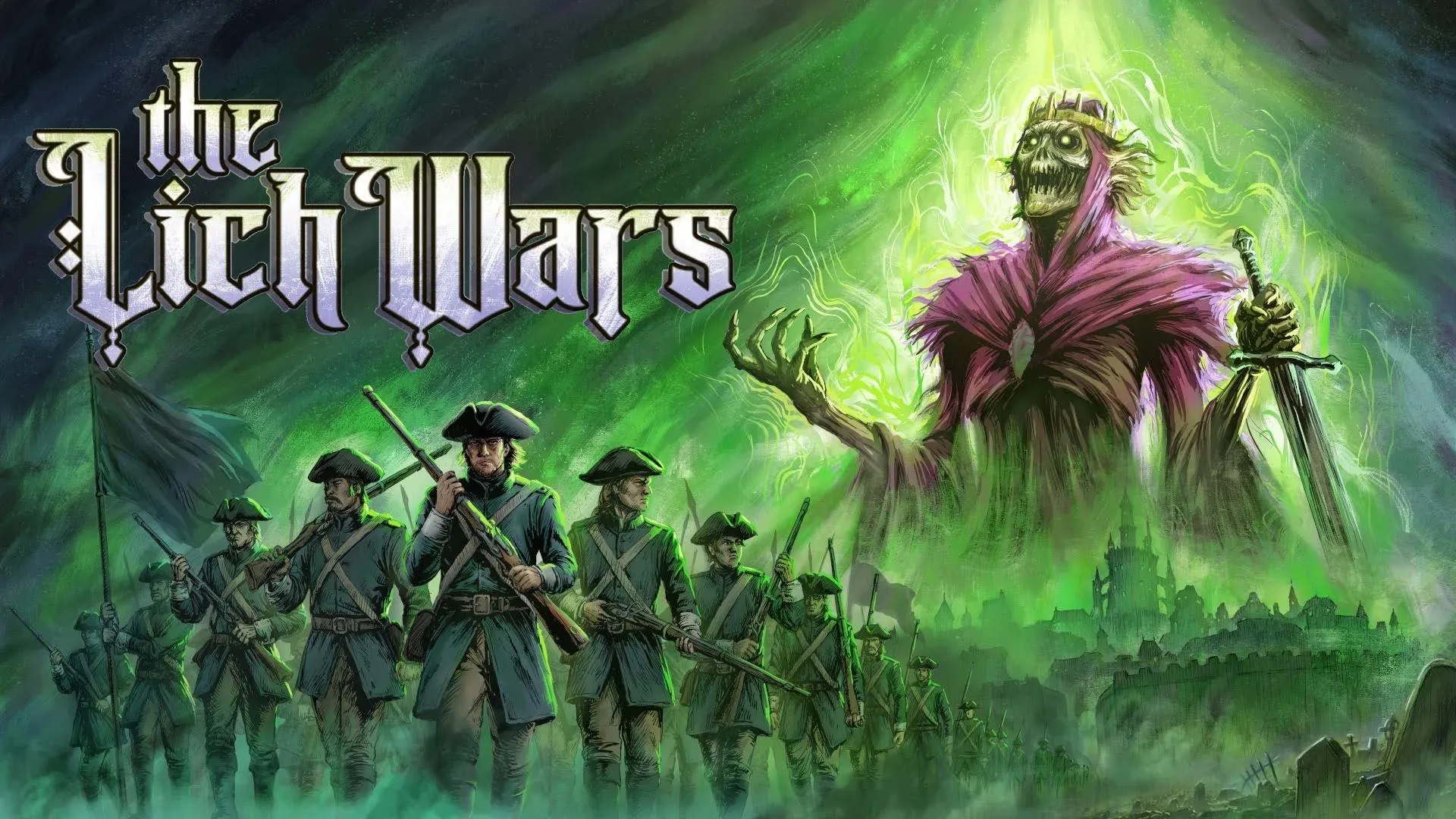
What can be reasonably expected from the published description is a game built around rapid traversal action, whip-based combat, a gothic setting, puzzles, enemies and a story. The developer’s own account suggests that exploration is meant to be a meaningful part of the experience rather than an incidental break between combat rooms. Anyone interested in another gothic action-RPG premise may also want to see The Lich Wars and its gothic musketeer RPG setup.
There is also a broader lesson in the emphasis on series identity. A legacy name can create pressure to preserve a precise formula, but the reported final direction sounds neither entirely conservative nor disconnected from its lineage. It favors a faster evolution of whip-focused action while keeping exploration important enough to distinguish it from a pure momentum-driven action game. The goal was evidently not to make an old-fashioned game unchanged, nor to attach the Castlevania name to the dominant traits of a different one.
Belmont’s Curse has been described as emerging from a sense of urgency, with its producer arguing that an extremely long wait for another entry would make the effort meaningless. That urgency helps explain why defining the game’s personality mattered so much. The final product needed to move the series forward, but it also needed to do so in a way that still felt recognizably like Castlevania. Evil Empire’s path through a slower, harsher prototype and an overly fast one shows exactly where it drew that line.