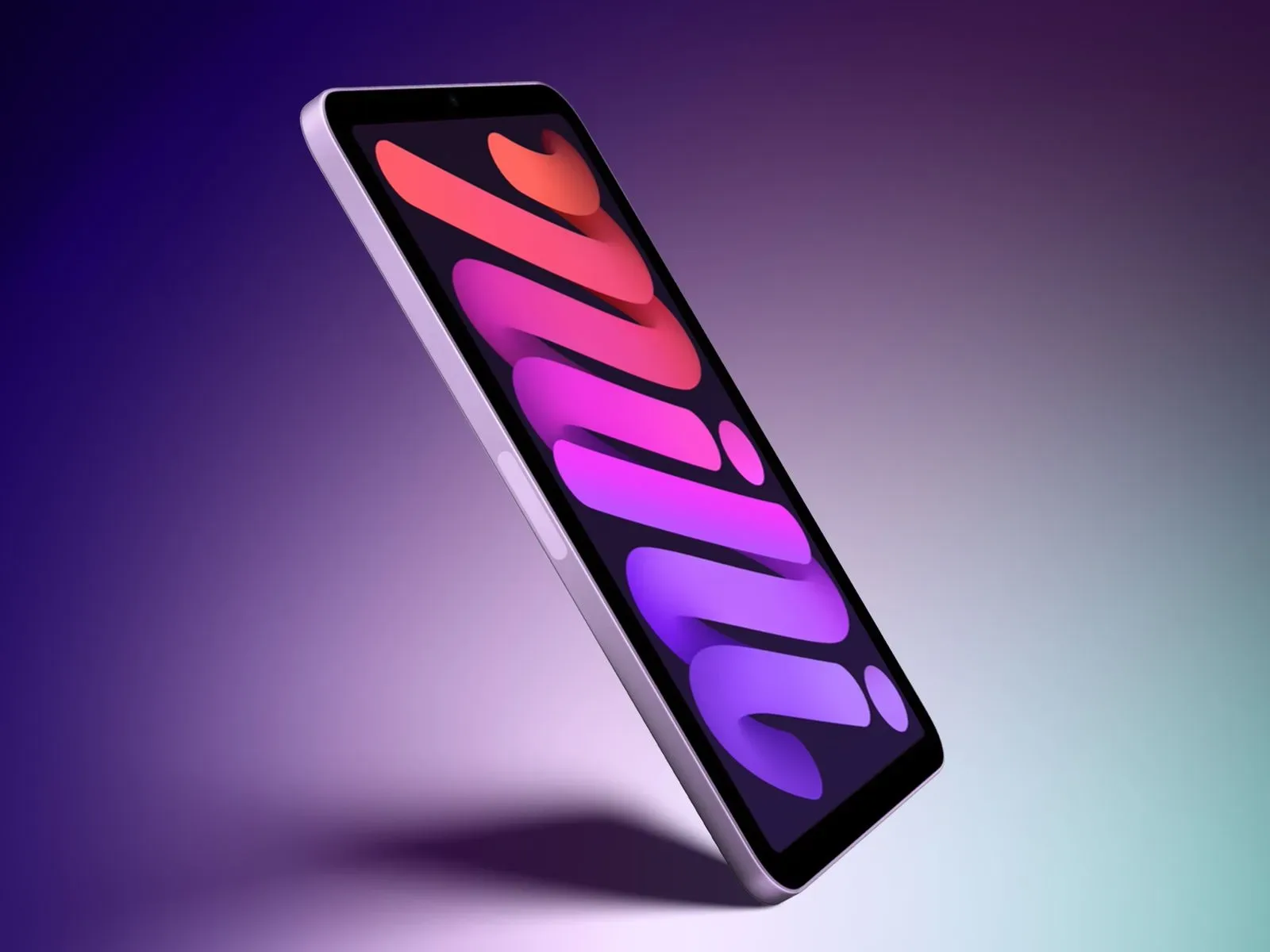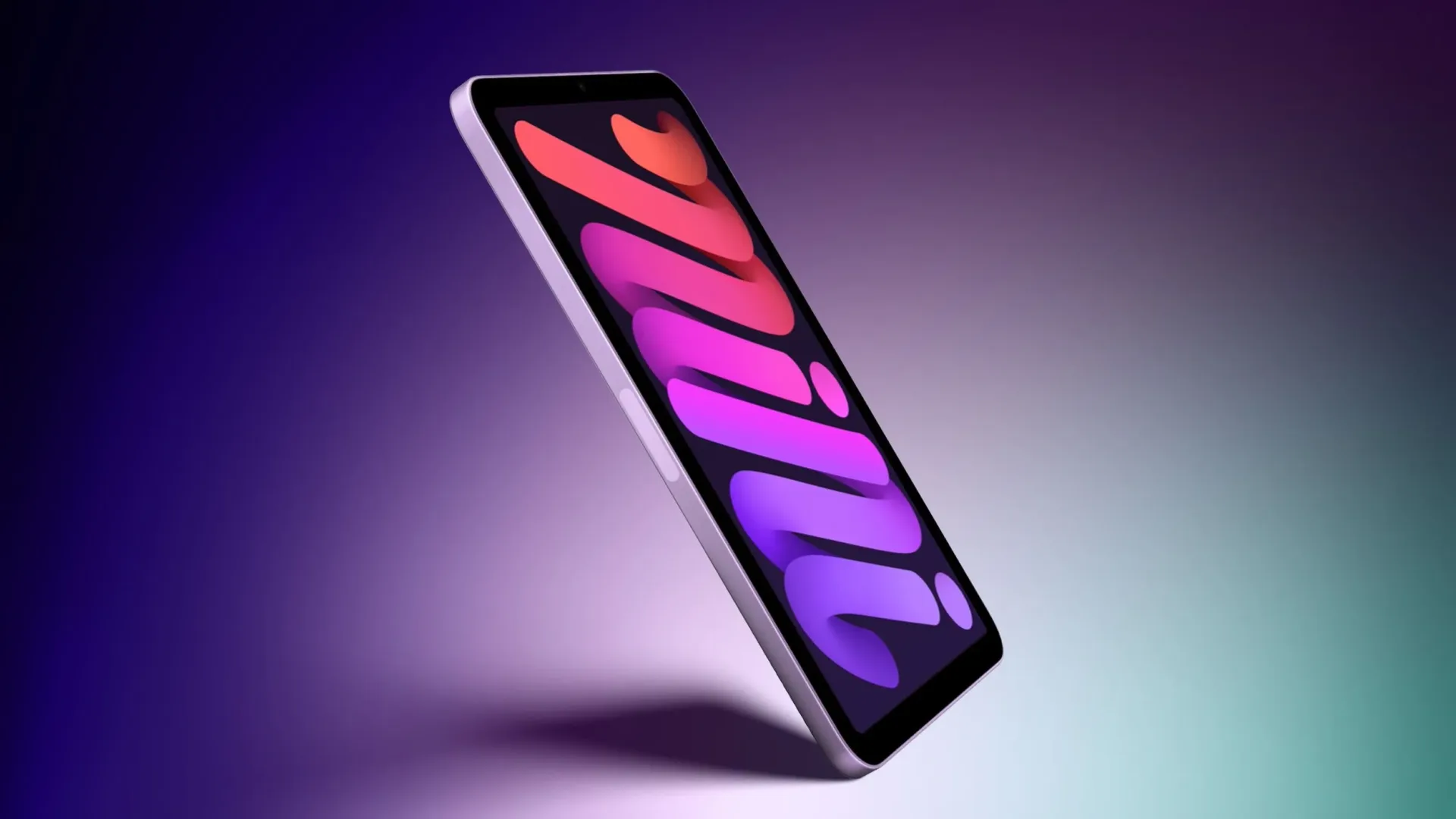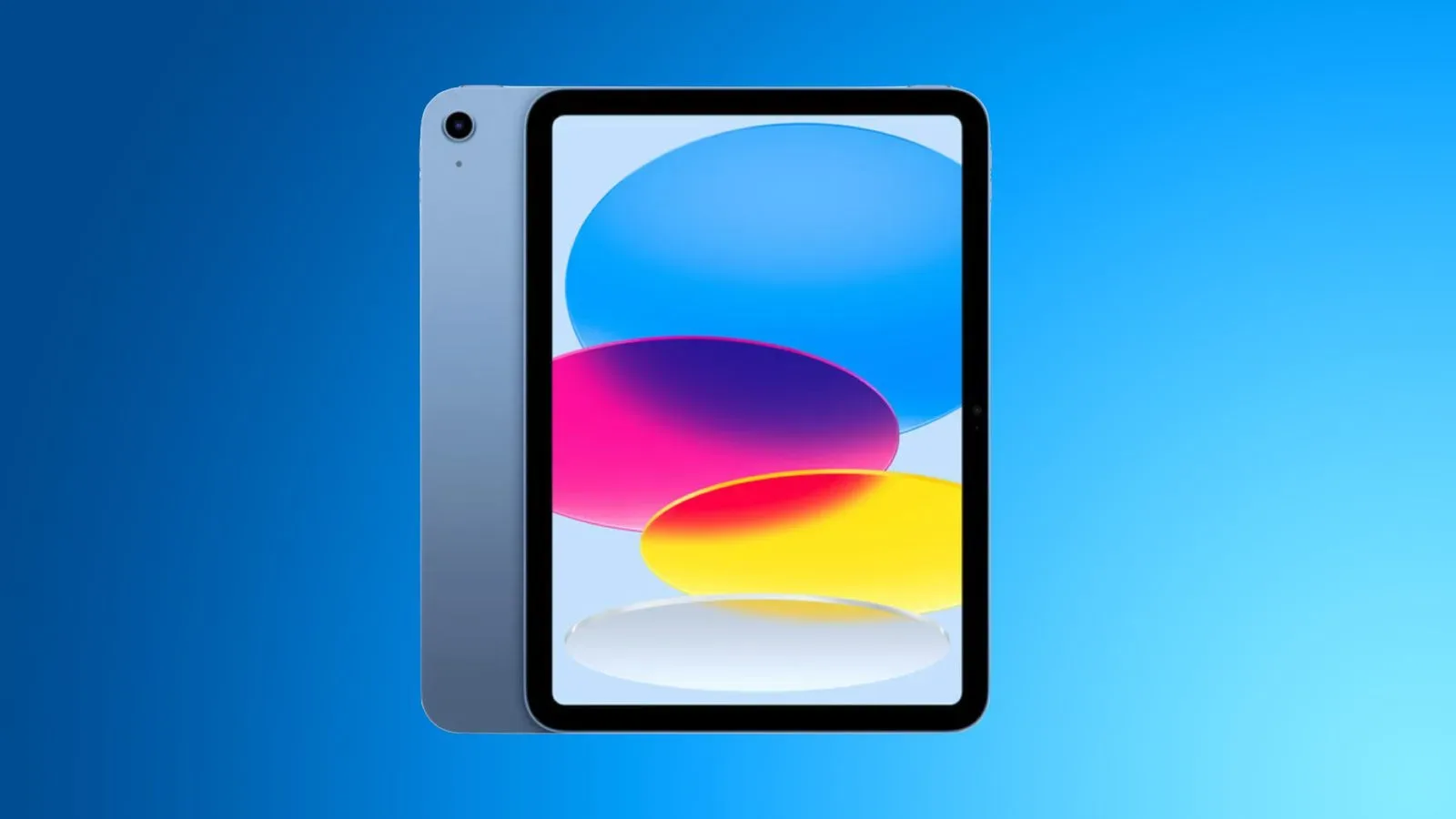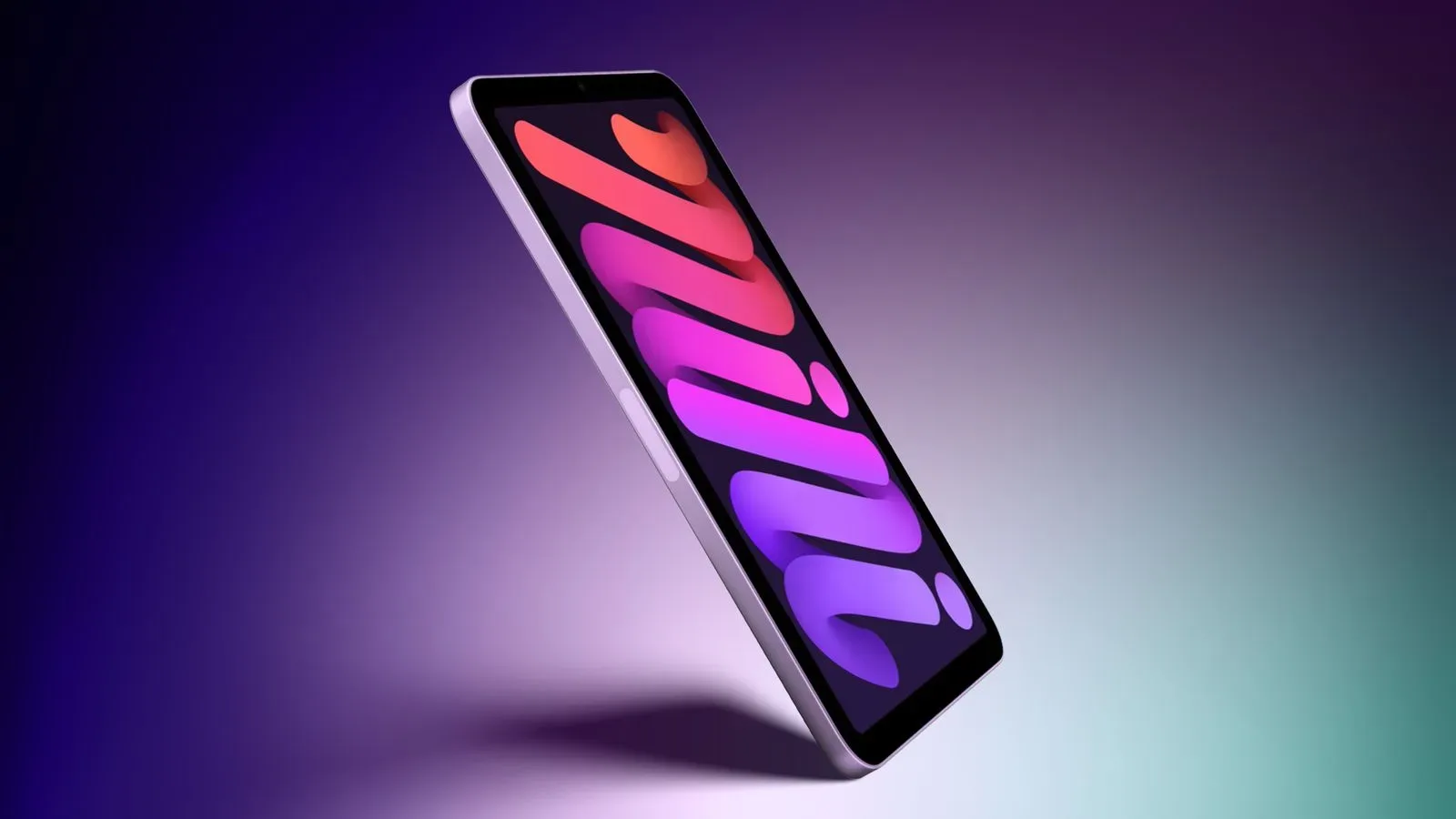
Apple has reportedly tested both 60Hz and 120Hz display configurations for its next iPad mini, leaving one of the smaller tablet’s potentially most noticeable upgrades unresolved. Mark Gurman said Apple had explored both options, but that it was not yet clear which refresh rate the company selected for the finished device.
The next iPad mini is expected to be announced on October 27 or October 28. Other rumored changes include an OLED screen, an A20 Pro chip, a front-facing camera positioned for landscape use, a redesigned speaker system and a water-resistant build. None of those specifications, including the eventual refresh rate, have been confirmed by Apple.
Why 60Hz versus 120Hz matters
A display’s refresh rate is the number of times it can update its image each second. A 60Hz display refreshes up to 60 times per second, while a 120Hz panel can refresh up to 120 times per second. That does not automatically make every app, video or game run at 120 frames per second, but it gives compatible software more room to present motion smoothly.
In practical terms, the difference can be most apparent in touch-driven interface movement: scrolling through long pages, swiping between screens, moving windows and navigating menus. Animation can look more fluid when a display has more frequent updates, assuming the software is delivering frames at a matching pace.
For games, a 120Hz screen is a capability rather than a guarantee. A game needs to support high frame rates, and the processor needs enough performance headroom to sustain them. Some titles may be designed around lower frame-rate targets, while others could use the higher refresh ceiling for smoother responsiveness. The report does not identify any games, apps or software modes that would take advantage of a possible 120Hz iPad mini panel.
What ProMotion would mean
Apple uses the name ProMotion for its high-refresh-rate display technology. In this case, the key distinction is the reported 120Hz option, not a confirmed list of operating behaviors. The available information establishes that Apple tested a 120Hz ProMotion path alongside a 60Hz path; it does not establish how a final display would manage its refresh rate in different situations.
That missing detail matters because refresh rate affects more than the feeling of motion. Updating a screen more often can use additional power. A tablet maker therefore has to weigh perceived smoothness against battery demands, component choices and the role a compact device is meant to serve. Testing both 60Hz and 120Hz panels suggests Apple was considering that balance, but it does not reveal what conclusion it reached.
A 60Hz model would not mean the new iPad mini lacked other meaningful hardware changes. The rumored OLED display and A20 Pro chip, if they arrive, would be separate changes from the refresh-rate question. Conversely, a 120Hz screen would be a significant interaction upgrade for people sensitive to motion smoothness, but it would not confirm the rest of the rumored specifications by itself.
OLED is a separate part of the rumor
The display discussion also includes a rumored move to OLED. OLED, short for organic light-emitting diode, is a display technology in which pixels produce their own light. It is distinct from refresh rate: a screen can be OLED at 60Hz or OLED at 120Hz. As a result, confirmation of one detail would not necessarily settle the other.
That distinction is useful for prospective buyers watching rumor coverage. “OLED” describes the panel technology, while “60Hz” and “120Hz” describe how frequently the image can refresh. Both contribute to the viewing experience, but in different ways. The current report is specifically uncertain about the latter.
Rumored hardware points to a broader redesign
The prospective iPad mini is also said to feature an A20 Pro chip. The report does not provide performance figures or explain how that chip would be configured in the tablet, so any claims about benchmark gains, game settings or battery life would be premature. Still, the chip rumor is relevant to the screen question because a device needs sufficient processing and graphics performance to make the most of demanding software and faster display updates.
A landscape front camera would address how the device is held during video calls and other horizontal use. The rumored speaker redesign likewise points toward changes beyond raw performance, although no configuration, audio specifications or use cases have been detailed. A water-resistant design has also been mentioned, but the report does not provide a rating or describe what level of exposure it might withstand.
Those caveats are especially important with a product that has not been announced. “Water-resistant,” for example, is not the same as a promise of unrestricted use around water; a rating and the manufacturer’s guidance would be needed before drawing practical conclusions. The same applies to the speaker layout and camera placement: the ideas have been reported, but final design details remain unknown.
What to watch at the expected announcement
If Apple reveals the tablet in the reported October 27 or October 28 window, the display specification should quickly answer the biggest remaining question. A listed 120Hz refresh rate or ProMotion branding would settle the matter in favor of the higher-refresh option. A 60Hz specification would show that Apple tested the alternative but did not ultimately bring it to the retail product.
Buyers considering a smaller tablet for portable gaming, streaming, reading, messaging or video calls may want to separate confirmed information from expectations. At present, the late-October timing and every rumored hardware detail remain unconfirmed, while the 60Hz-versus-120Hz decision is explicitly unsettled.
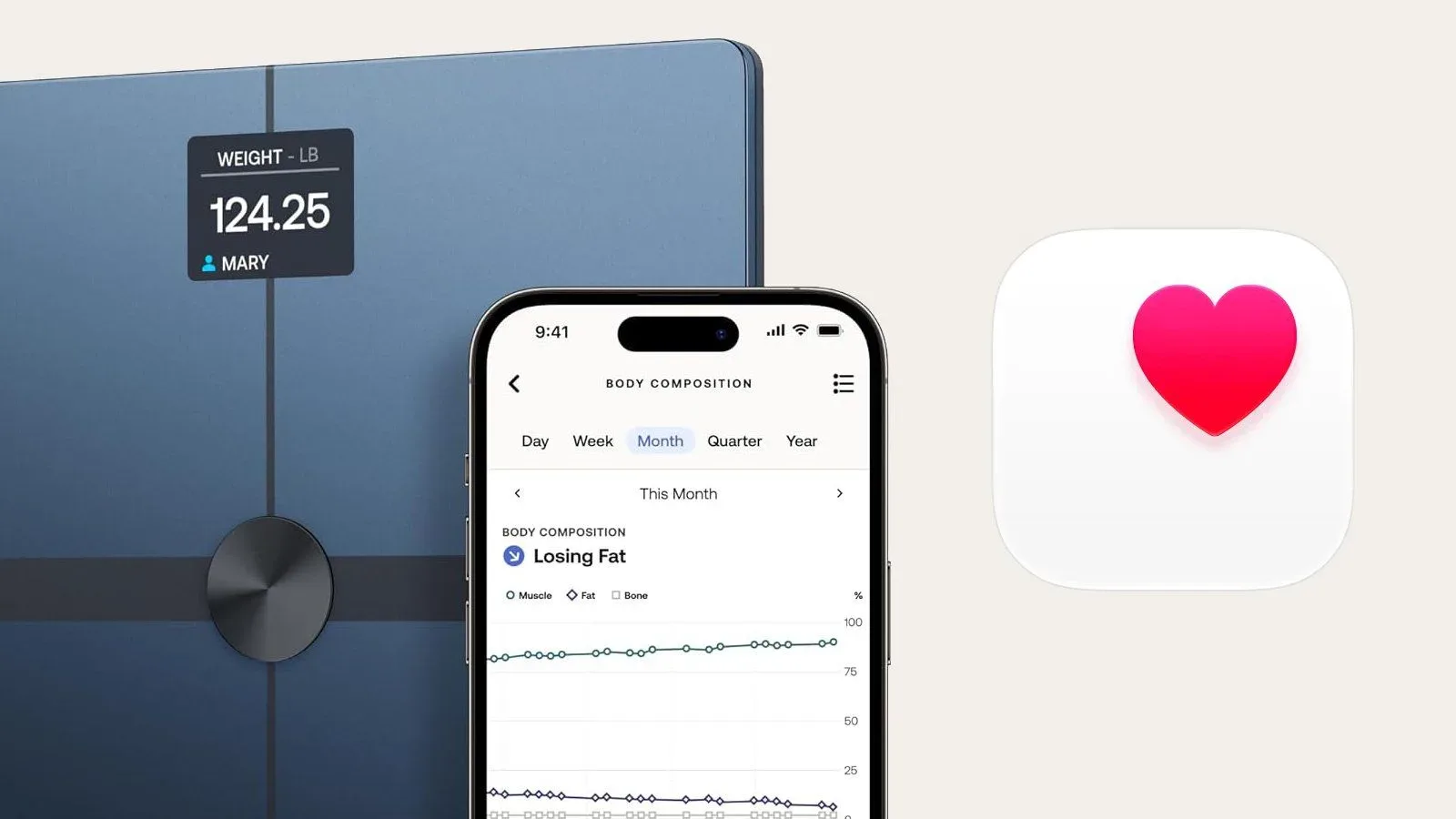
The report arrives amid continuing attention on how third-party products connect with Apple services; for a separate example, new Withings accounts face an annual fee for automatic Apple Health syncing. That is a different product category, but it illustrates why device buyers often need to look beyond a headline specification and examine the final ecosystem details.
For the iPad mini, though, the immediate question is simpler: whether Apple’s compact tablet will stay at 60Hz or gain the 120Hz ProMotion option it has reportedly tested. Until Apple provides official specifications, both possibilities should be treated as rumor rather than a finalized feature list.