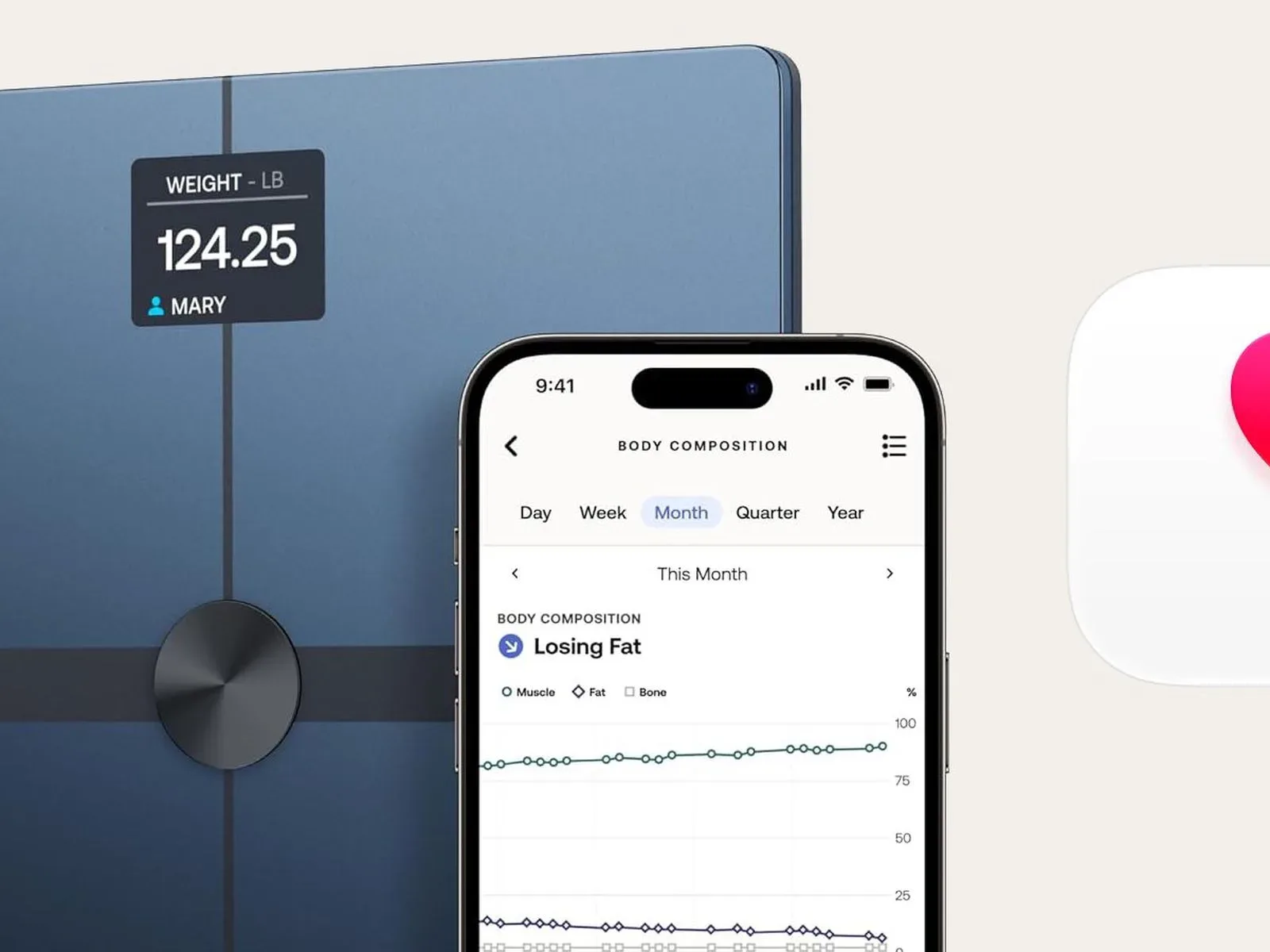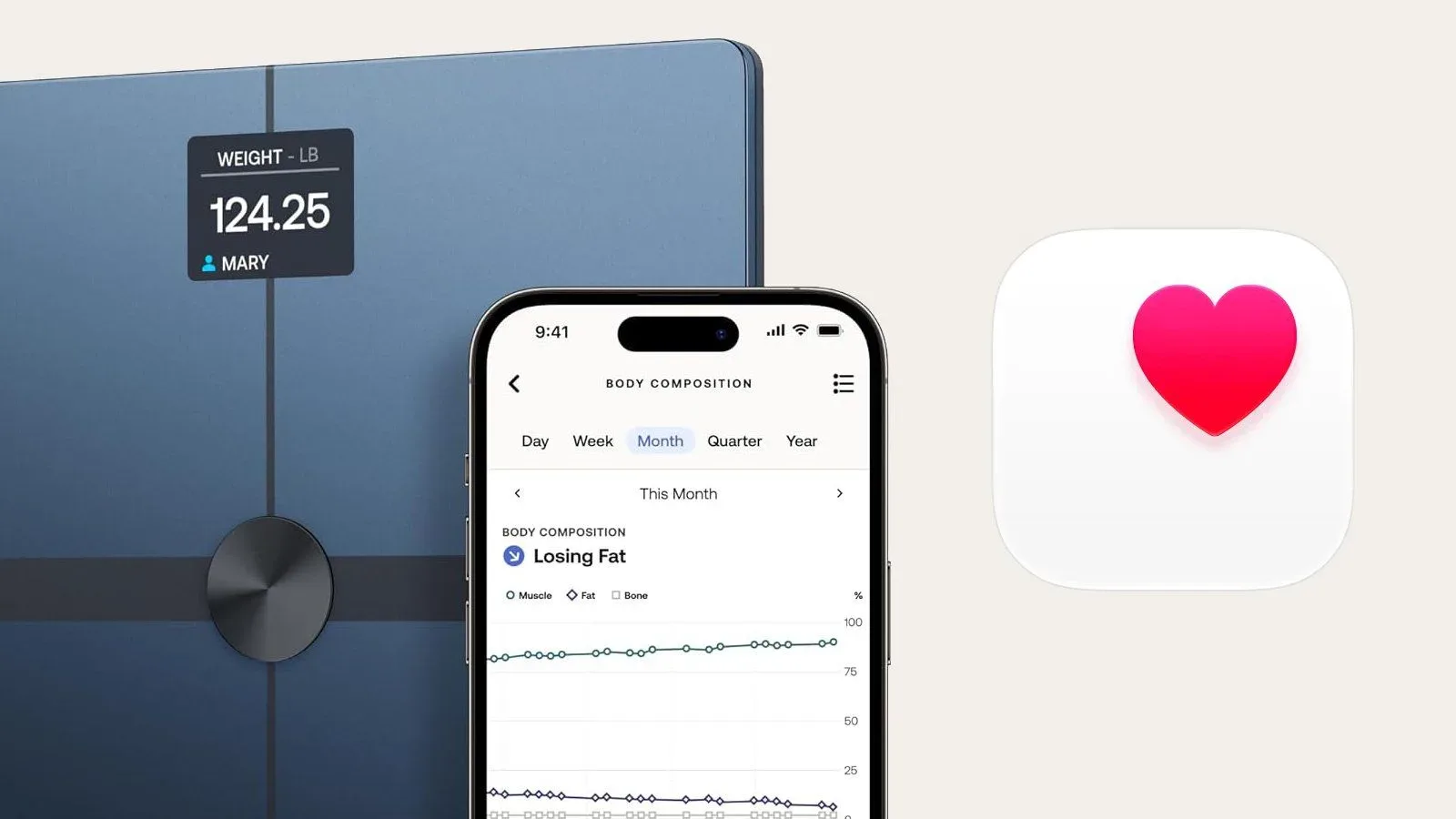
Withings is changing the terms around one of the most important background features of a connected health device: getting data out of the manufacturer’s own app. Customers who create a Withings account on or after October 13, 2026 must subscribe to Withings+ for automatic syncing with third-party apps, including Apple Health. In the United States, the subscription costs $99.50 per year.
The dividing line is the date the account was created, rather than the age of the scale or other hardware. People whose accounts were created on or before October 12, 2026 will continue to receive automatic third-party syncing without that subscription charge. That grandfathered status also remains in place if those existing customers later buy another Withings device.
What is changing—and what is not established
The stated change concerns automatic syncing to third-party apps. That includes Apple Health, Apple’s health-data hub that can consolidate information from compatible apps and devices in one place. For a person using a connected scale, the practical value of that connection is continuity: measurements recorded through Withings can automatically appear alongside other health information held in Apple Health.
Automatic syncing means the transfer happens in the background once the services are connected, rather than requiring the user to enter each measurement themselves. It is a convenience feature, but for long-running health records, convenience can be central to whether a record remains complete. A missed manual entry may look small on a given day; across months, it can leave gaps in a trend a user expected to follow.
The available details specifically identify third-party automatic sync as the paid feature for new accounts. They do not establish the status of every other possible function, such as manual exports, device setup, viewing data within Withings’ own software, or the full list of affected third-party services. Those should not be assumed to be included or excluded beyond what has been stated.
The account date matters more than a new device purchase
The key practical detail is that the policy is tied to the account, not to an individual scale. Someone who already had a qualifying account by October 12, 2026 is not moved into the subscription requirement merely because they replace an older scale or add another compatible Withings product. Conversely, a person buying hardware for the first time and creating an account from October 13 onward falls under the new requirement if they want automatic data transfers to Apple Health or another third-party app.
That distinction is easy to miss because connected-device purchases are commonly framed around the hardware itself. A scale may sit in a bathroom and appear to be a one-time purchase, while its usefulness can also depend on an account and the services tied to it. In this case, the account is the policy boundary.
Accounts created on or before October 12, 2026 retain free automatic syncing to third-party apps; accounts created from October 13, 2026 require Withings+ for that automation.
Why Apple Health integration can be a deciding factor
Apple Health is not simply another screen for viewing a number. It is designed to act as a shared destination for data from compatible health and fitness services. For users who organize their health information there, the integration can make a Withings measurement part of a broader personal record rather than information isolated in a single vendor’s app.
That makes the new fee especially relevant to prospective customers comparing devices. The upfront hardware purchase is no longer the only cost to consider for someone who expects automatic Apple Health syncing. The relevant recurring amount is $99.50 annually in the U.S. for Withings+, and it applies because of when the account is created—not because a person has upgraded to a particular new scale.
It is also important to separate the issue from device accuracy, health guidance, or the quality of the hardware. The information here does not make a claim about any of those subjects. The change is about the route data takes after it is collected: automatic movement from Withings into third-party applications.
Practical checks for current and prospective users
Existing Withings customers have one especially useful fact to keep in mind: buying new hardware does not, by itself, change their status. If their account was created by the October 12, 2026 cutoff, automatic third-party syncing remains free under the stated policy.
For someone considering a first Withings device after the cutoff, it is worth treating app integration as a feature with an ongoing cost rather than an assumed inclusion. The question is not only whether the scale measures the desired metric, but also where the owner wants that metric to appear over time and whether automatic delivery to a third-party destination is essential.
- Current account holders: Confirm when the account was created, particularly if it has been used across multiple devices.
- New buyers: Factor the $99.50 annual U.S. Withings+ price into the decision if automatic Apple Health syncing is a must-have.
- People who use multiple health apps: Remember that the policy concerns third-party automatic syncing generally, with Apple Health named as one example.
- Anyone comparing hardware: Distinguish the device cost from the account-based service requirement attached to automated integrations.
A broader lesson about connected-product ownership
The change illustrates a familiar issue with connected products: the physical object and the service surrounding it may have different rules, lifespans, and costs. A smart scale can remain the same object on the floor, while the account features that determine how its readings move through a user’s digital life can change based on policy.
For customers, that makes interoperability worth examining before a purchase. Interoperability here means different services working together—such as a device platform automatically passing information into Apple Health. When that connection is central to the experience, any subscription condition attached to it becomes material information, not a minor footnote.
The timing distinction further creates two groups of users with different automatic-sync terms. Earlier account holders retain the free arrangement and can keep it when purchasing additional Withings hardware. Later account holders who want the same kind of third-party automation need Withings+. The devices may serve similar purposes, but the account creation date determines whether the integration is a no-cost feature or an annual subscription benefit.
Consumers are increasingly accustomed to checking platform availability and post-launch terms around connected products, much as players watch how releases reach different systems; for a separate example of platform access details, see Peak’s console release plans. The difference here is that the relevant platform connection is a health-data pathway, and the cutoff is attached to the customer account.
For now, the clearest takeaway is straightforward. Existing Withings accounts created on or before October 12, 2026 keep free automatic synchronization with third-party apps, including Apple Health. New accounts created beginning October 13, 2026 need a Withings+ subscription for that automatic sync, at a listed U.S. price of $99.50 per year.