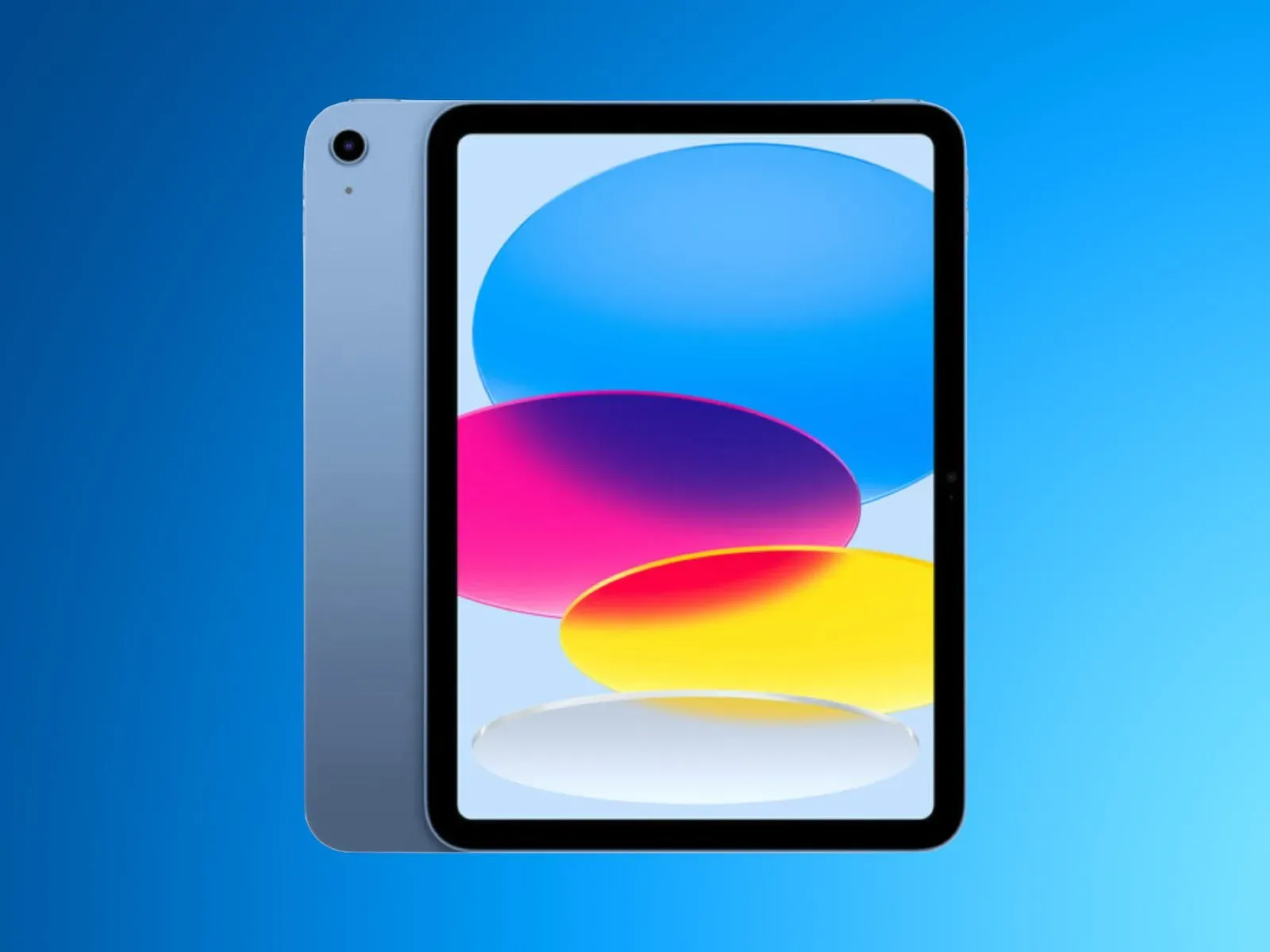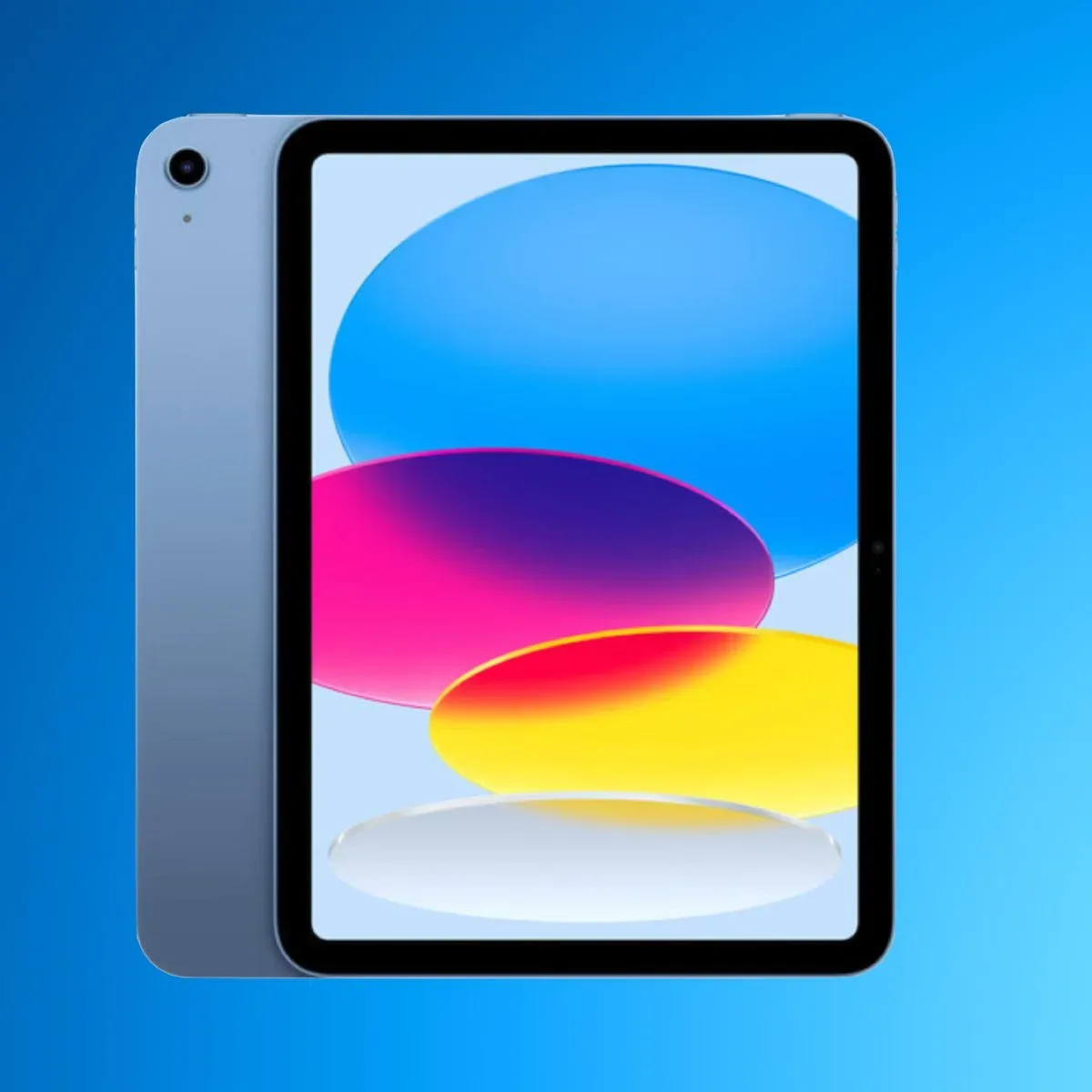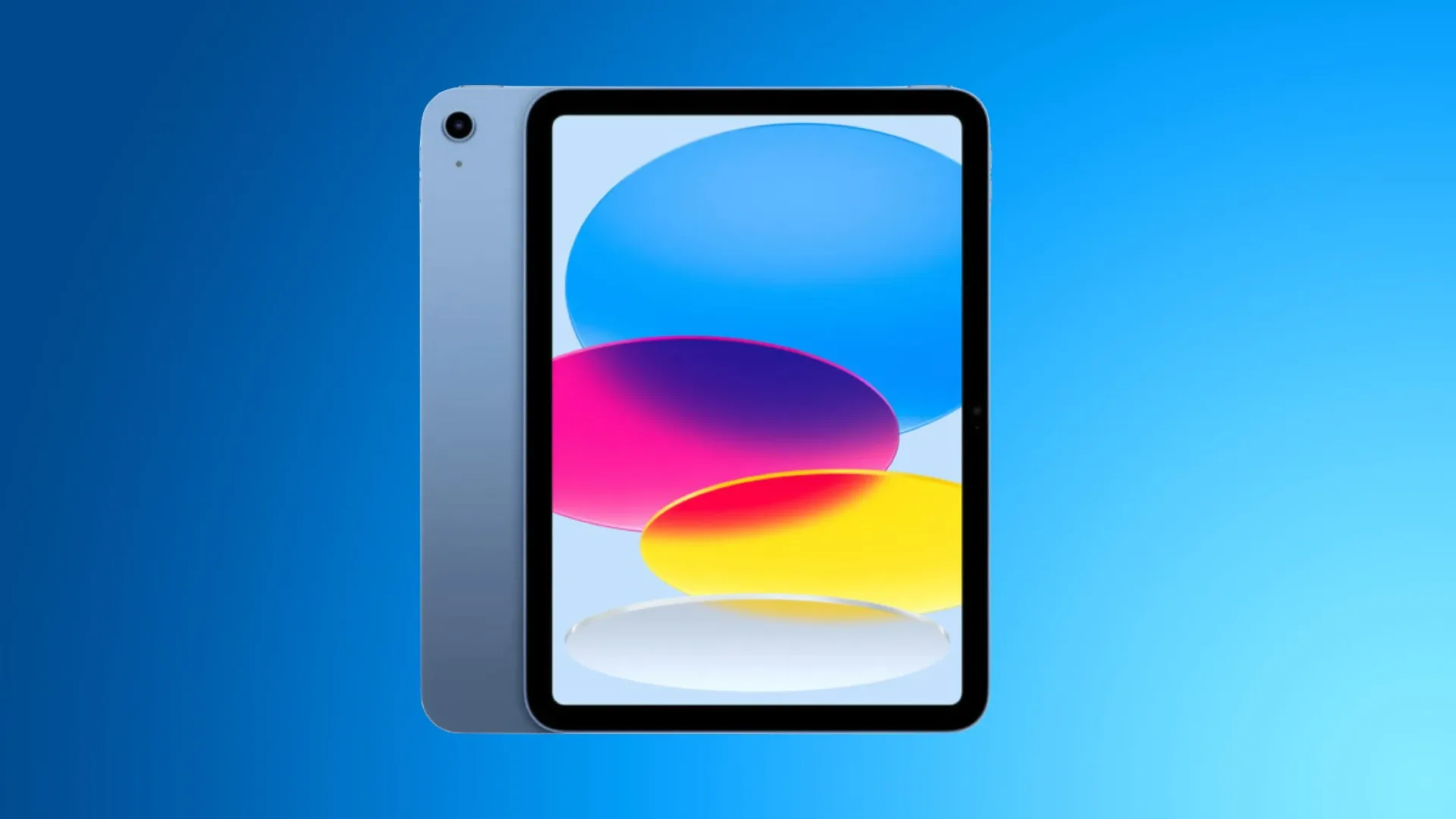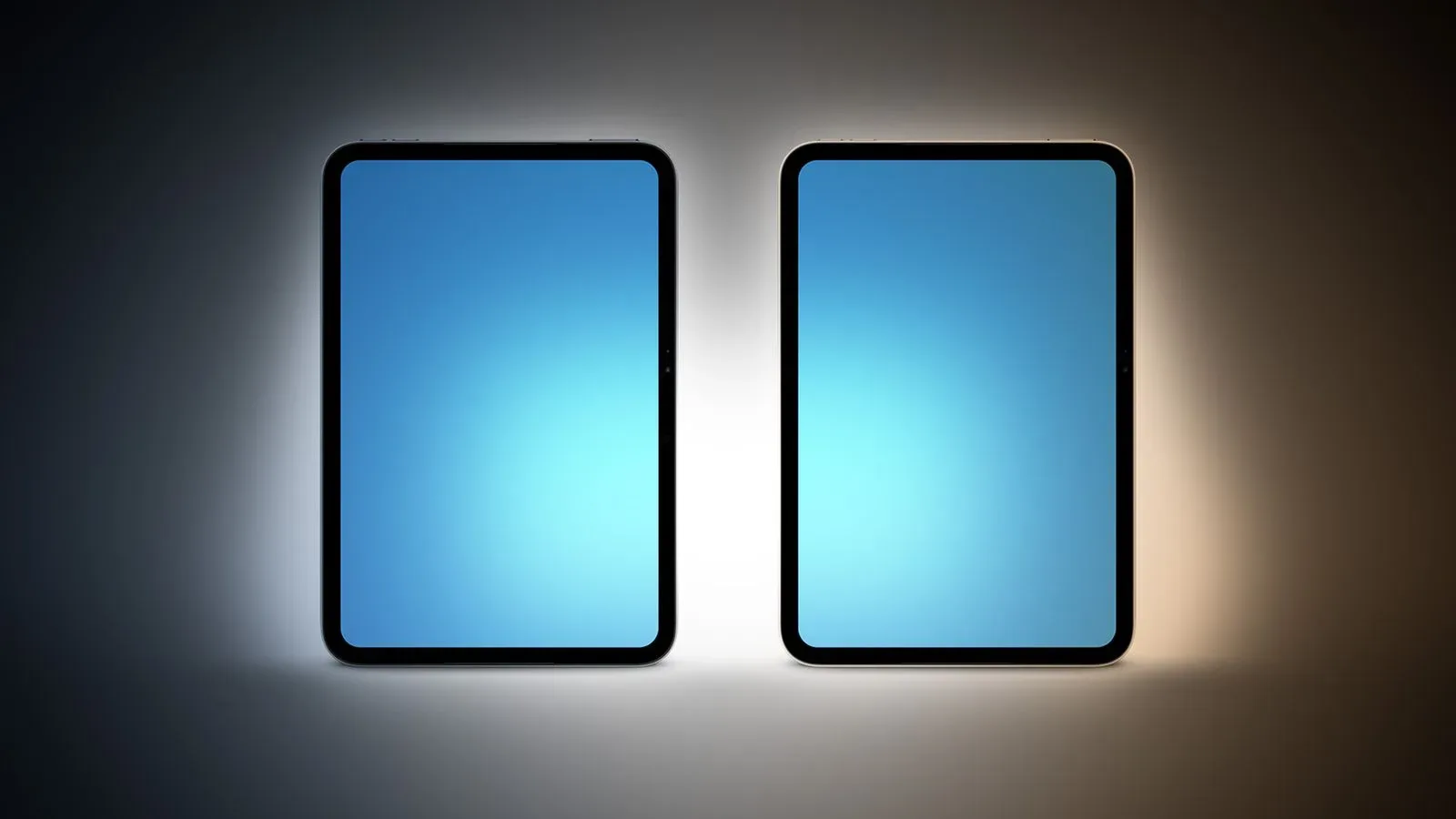
Apple’s iPad could be headed for a more edge-to-edge look, with a new leak claiming that the tablet will receive significantly narrower bezels around its display. The claim is short on the details that matter most, however: it does not name a particular iPad model, offer a launch schedule, or explain whether the change would apply to one device or spread across the lineup.
That ambiguity is important. Apple has refreshed entry-level iPad, iPad mini, iPad Air and iPad Pro models in different ways over time, and each serves a distinct role. A thinner border could therefore be a single-model design change, an element of a wider visual update, or simply a feature being discussed for a future product without a fixed place in the release order.
For now, this is best treated as an early design rumor rather than confirmation of an imminent product revision.
What the rumor actually says
The claim comes from the leaker known as Instant Digital on Weibo and says the iPad is set to receive notably slimmer borders surrounding the screen. It does not specify which iPad is involved. That leaves several plausible interpretations open:
- The entry-level iPad could receive a more modern front design.
- The claim could concern the iPad mini, which is already associated with reports of an OLED display and slimmer bezels.
- It could refer to a broader design direction for Apple’s tablet family, rather than a single upcoming device.
None of those possibilities is confirmed by the claim itself. The careful reading is simply that narrower display borders are being suggested for an iPad, while the product scope and timing remain unknown.
A thinner-bezel report is a design signal, not a full specification sheet. It tells buyers very little on its own about display size, panel technology, performance, battery life, accessories or price.
Why the iPad mini is the most obvious candidate
Among Apple’s tablets, the next iPad mini has already been rumored to receive both OLED and slimmer bezels. That makes it the clearest existing match for the new claim, though it does not establish that the leak is definitely about the mini.
OLED, short for organic light-emitting diode, is a display technology in which individual pixels emit their own light. The source material does not provide performance claims or detailed panel specifications for a future iPad mini, so it would be premature to infer exact visual results. What can be said is that the OLED rumor and a reduced-bezel rumor point in the same general direction: a potential screen-focused redesign for Apple’s compact tablet.
A smaller device also makes front-face efficiency particularly noticeable. When a tablet has less physical space overall, reducing the blank border around its screen can change the visual balance without necessarily making the chassis larger. Whether Apple would use any resulting space for a larger display is not stated, and should not be assumed.
The broader iPad roadmap adds context, not certainty
Refreshes are said to be in the pipeline for the entry-level iPad, iPad mini, iPad Air and iPad Pro. That provides useful context for the report because it means there are multiple prospective products to which a design change could attach. It does not, though, provide an order of release or confirm shared hardware decisions.
The iPad Air is expected to move to OLED in 2027. That is a separate expectation with a more specific timeframe than the narrower-bezel claim. It should not be turned into a promise that the Air will receive thinner borders at the same time, even if an OLED transition could make a visual redesign seem plausible.
Likewise, there is no stated timeline for an entry-level iPad update or an iPad Pro update in this information. Buyers should resist treating the existence of models “in the pipeline” as evidence that a purchase decision needs to be delayed. Product plans can change, and a report lacking a named device cannot reliably distinguish between a near-term revision and a longer-term direction.
What slimmer bezels would mean in practical terms
A bezel is the non-display border around a screen. Reducing it can make a tablet look more contemporary and can increase the proportion of the front occupied by the display. For people using an iPad for reading, streaming, drawing, touch controls or cloud gaming, the immediate appeal is mostly visual: more apparent screen and less surrounding frame.
But a bezel is not merely unused space. It provides a place to hold the device without touching the display. This matters more for tablets than phones because tablets are frequently gripped in landscape orientation, passed between people, or used one-handed for short periods. The rumor provides no information about Apple’s approach to accidental-touch prevention, front-facing hardware placement, case compatibility or physical dimensions. Those questions remain unanswered.
For gaming, a smaller border could improve the sense that a game fills the device, particularly when playing with a controller and viewing the tablet from a slight distance. It could also make on-screen controls feel closer to the physical edge, depending on the game’s interface. Neither outcome is guaranteed, and neither says anything about game performance. Bezels and processing power are separate issues.
The report also offers no basis for predicting changes to speakers, cameras, ports, storage, battery capacity, display refresh rate or Apple Pencil support. These are all areas that can have a major impact on how an iPad is used, and none should be inferred from a claim focused only on the display border.
How current owners should read the report
For someone who already owns an iPad, this rumor is not yet actionable. It does not identify a replacement model, state a release date or establish a complete feature set. A thinner bezel alone may be appealing, but it is only one design attribute; its value depends on the rest of the device and on how a person uses a tablet.
For prospective buyers, the useful takeaway is more modest: Apple’s tablet range may continue moving toward slimmer front borders, and the iPad mini is the model most visibly linked to that possibility because it is also rumored to gain OLED. Anyone with an immediate need for a tablet still has no confirmed timeline or named successor to plan around. Anyone who can comfortably wait should look for more concrete details before making a decision.
This distinction matters especially where an iPad is used as a gaming companion. Access to subscription services and games is shaped by factors beyond the shape of the screen, including software support and ongoing subscription costs. Apple’s service bundle pricing has also been changing in parts of Europe, including bundles containing Apple Arcade, as covered in Apple One Family and Premier price changes affecting Apple Arcade bundles. A future hardware design change would not, by itself, settle the broader cost or ecosystem question.
Rumor checklist: what is known and what is not
Supported by the current information
- A leaker claims an iPad is due to receive significantly narrower bezels.
- The claim does not identify a model or schedule.
- Refreshes of the entry-level iPad, iPad mini, iPad Air and iPad Pro are said to be in the pipeline.
- The next iPad mini has separately been rumored to get OLED and slimmer bezels.
- The iPad Air is expected to adopt OLED in 2027.
Still unknown
- Which iPad model, if any, the new bezel claim concerns.
- When the revised design might appear.
- Whether a narrower bezel would accompany a different screen size or physical footprint.
- Whether the report applies to one product or multiple iPads.
- Any pricing, performance, battery, accessory or software implications.
The most sensible interpretation is that Apple may be working toward a slimmer-looking iPad front design, with the iPad mini currently the easiest model to connect to that direction. Until the company provides details—or reporting establishes a named product and timetable—the rumor remains a limited but potentially interesting indicator, not a reason to assume a fully redesigned iPad is around the corner.