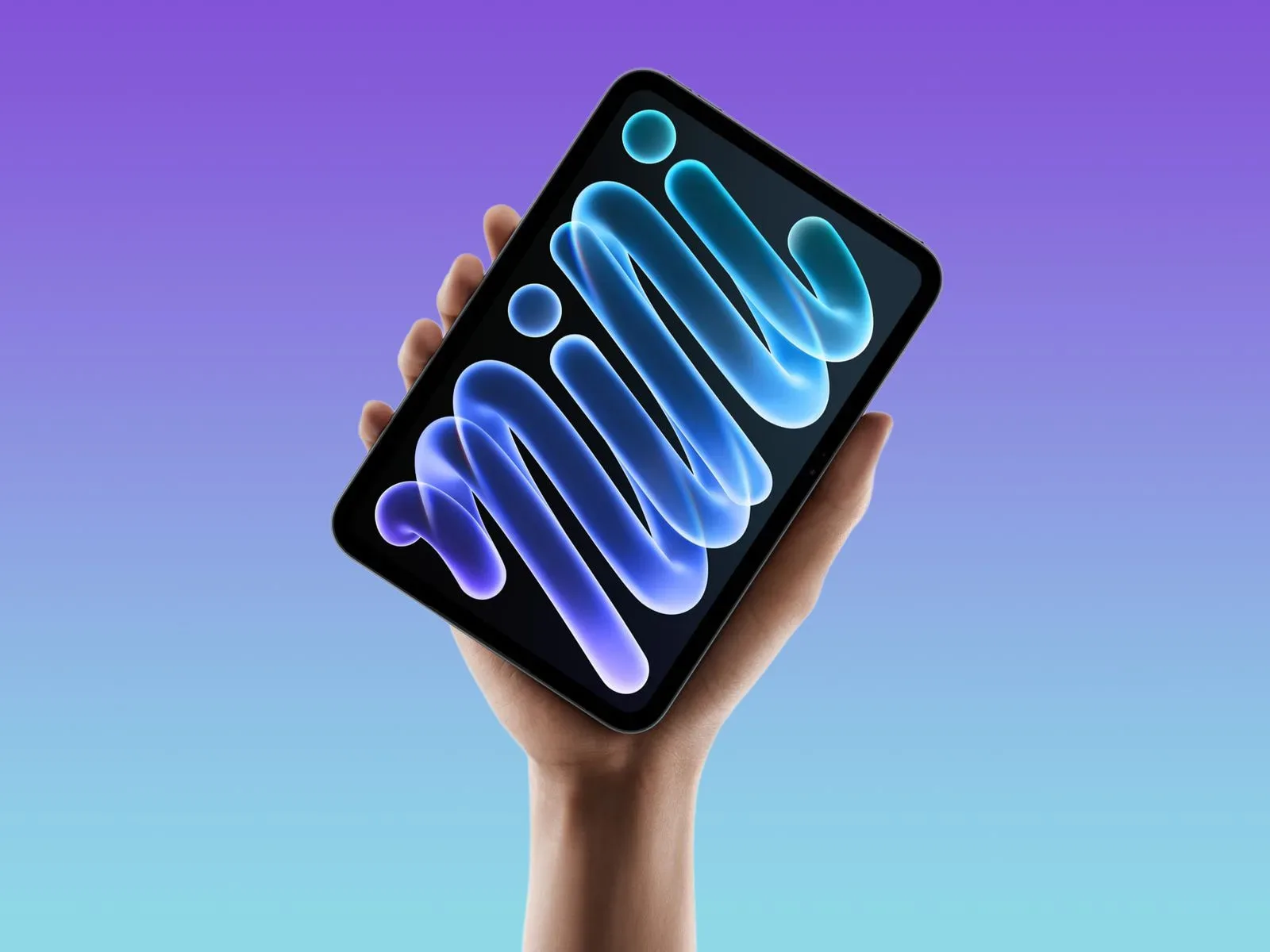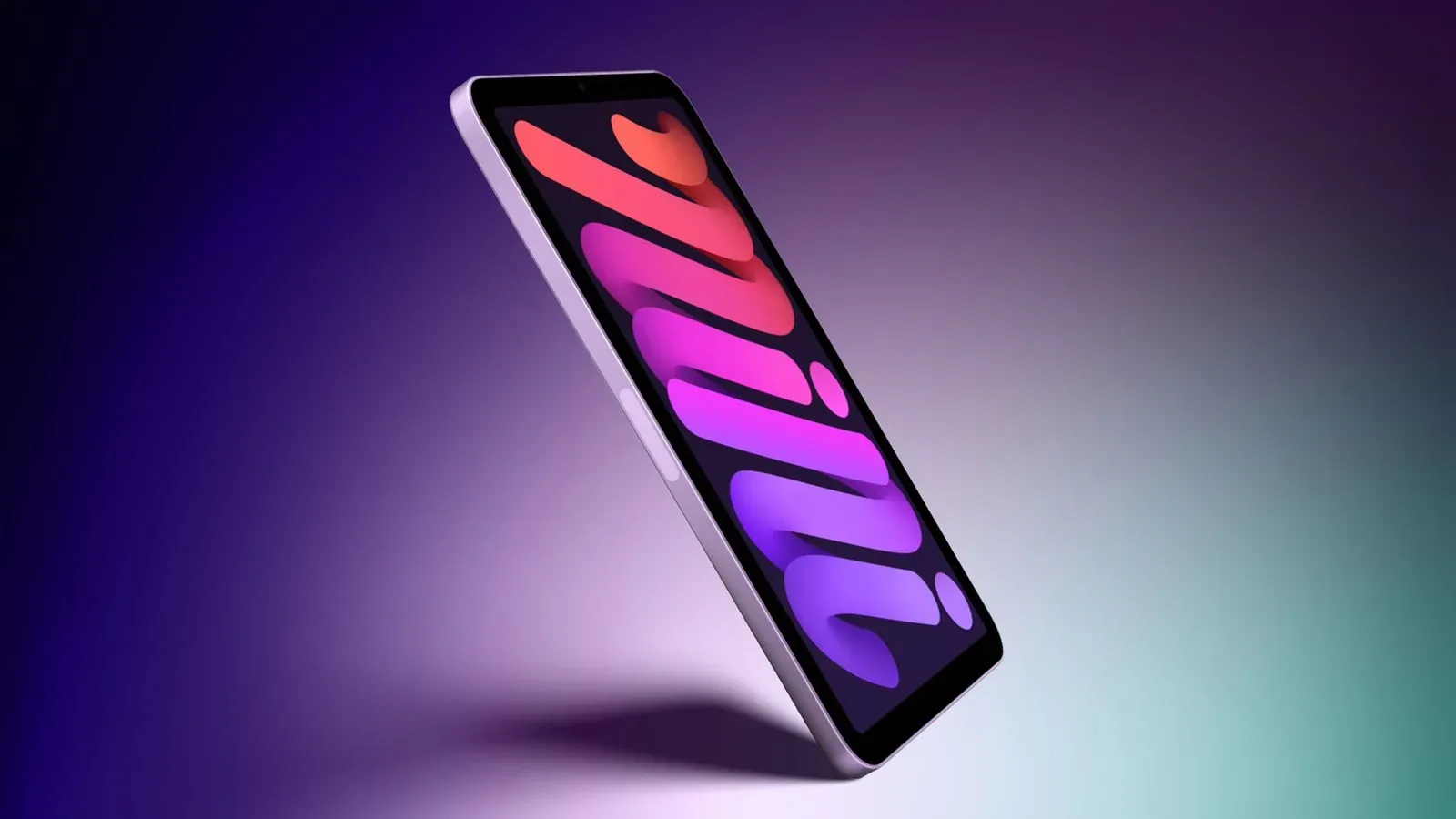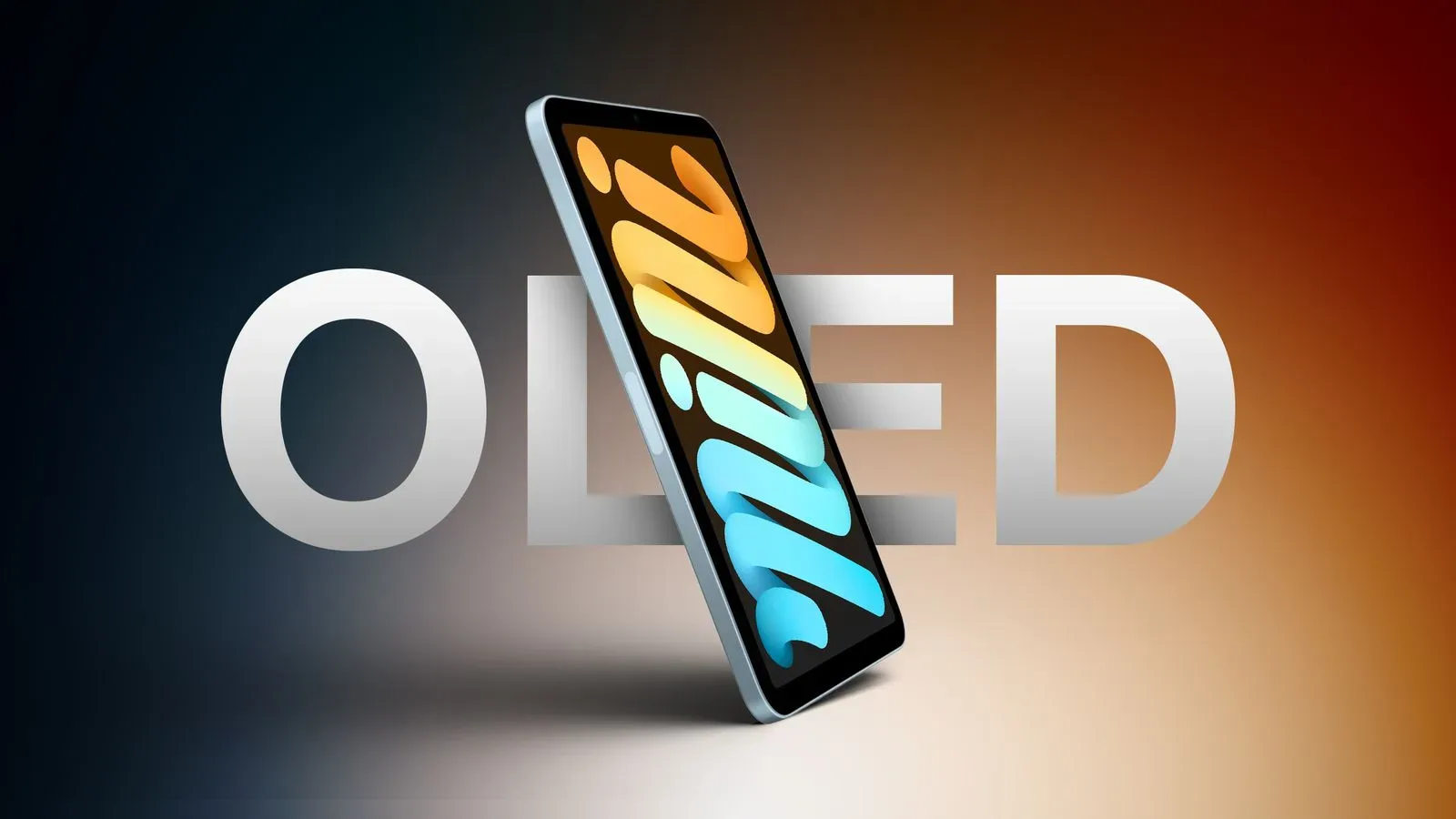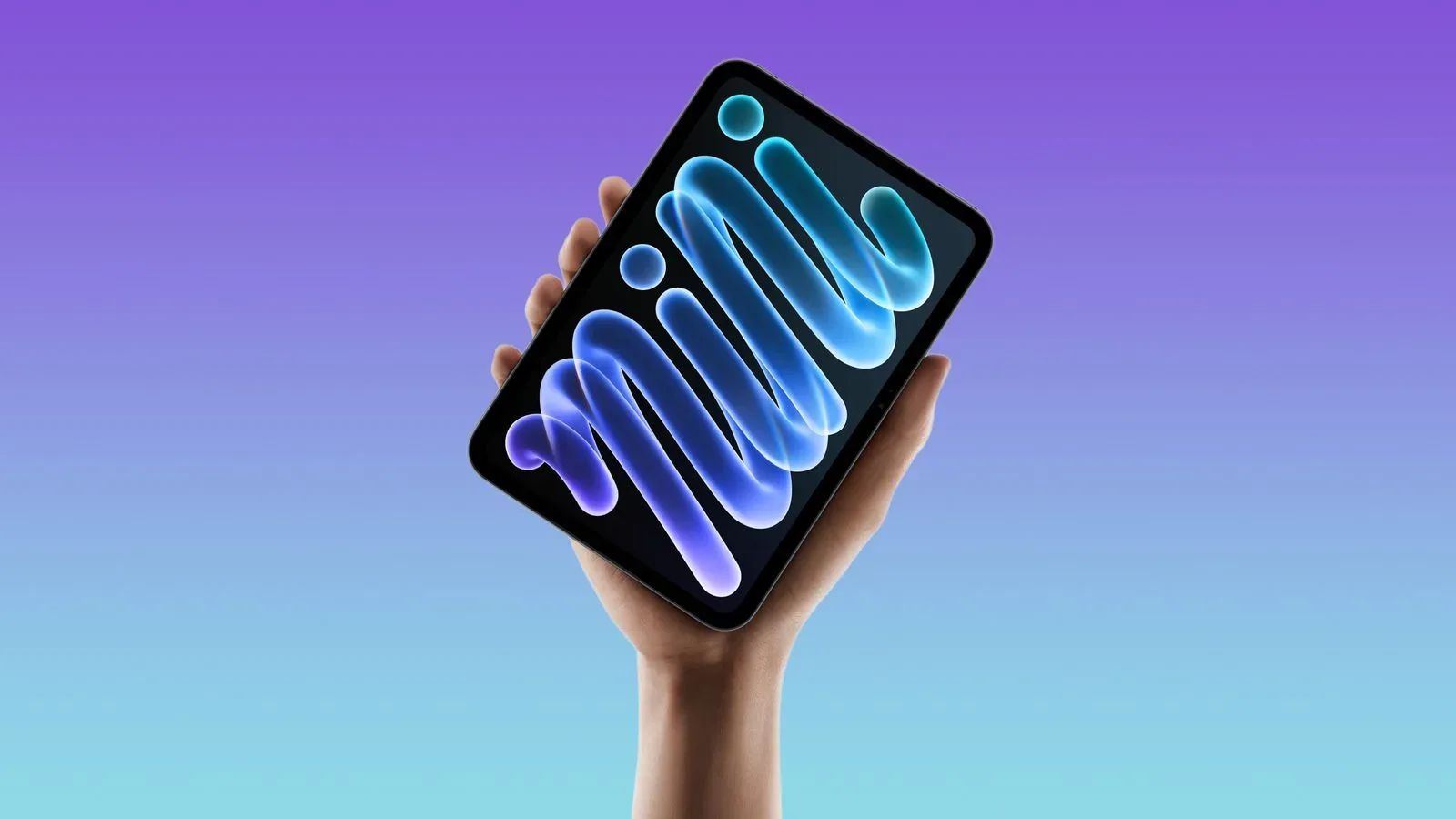
Apple’s new iPad mini brings OLED to the compact tablet, but leaves one increasingly conspicuous display feature on the table: ProMotion. The screen runs at 60Hz rather than the 120Hz maximum offered by Apple’s variable-refresh-rate technology, even as the company positions the new panel as a substantial visual upgrade over the previous iPad mini’s LCD.
David Pakula, Apple’s vice president of hardware design, addressed the omission in an interview with Christopher Lawley. His central point was not that 60Hz becomes 120Hz through clever marketing wizardry—mercifully, nobody is claiming that—but that OLED’s significantly faster pixel response times should reduce motion blur compared with the prior LCD-equipped model.
That distinction matters. Refresh rate and pixel response are related to perceived motion, yet they are not the same measurement. The new iPad mini may look cleaner in movement than its predecessor in certain situations, while still not delivering the extra temporal smoothness associated with a display refreshing at 120Hz.
What the iPad mini does—and does not—have
The headline specifications are straightforward. The new iPad mini has an OLED display, a 60Hz refresh rate, 326 pixels per inch, P3 wide-color support and a listed 2,000,000:1 contrast ratio. Apple rates it for up to 600 nits of brightness with standard content, compared with 500 nits on the previous model, and up to 1,200 nits with HDR content.
It does not support ProMotion. On compatible Apple hardware, ProMotion allows a display refresh rate to adjust based on what is on screen, with the described iPad range running from 10Hz to 120Hz. Apple has kept that feature exclusive to iPad Pro models for now.
- OLED: A display technology in which individual pixels emit their own light.
- 60Hz: The panel updates its image 60 times each second.
- 120Hz: The panel can update up to 120 times each second, potentially making scrolling, interface animation and compatible moving imagery appear smoother.
- Pixel response time: How quickly a pixel changes from one state or color level to another. Faster transitions can lessen the trails or blur that may be visible behind moving objects.
- Nits: A brightness measurement. Higher figures indicate a display that can produce more light under the specified conditions.
The practical point is simple: OLED is not automatically synonymous with 120Hz, and a 120Hz panel is not automatically an OLED panel. They describe different aspects of display behavior. Apple has combined OLED with a fixed 60Hz maximum in this particular product.
Why OLED can still be a visible upgrade at 60Hz
An LCD generally uses a backlight behind the display layers. OLED changes that arrangement because each pixel can turn on or off individually. When an OLED pixel is off, it can display true black rather than relying on a backlight being blocked. That property supports the very high contrast figure Apple lists for the new iPad mini: 2,000,000:1.
Contrast is the separation between the darkest and brightest portions of an image. Higher contrast can make dark scenes, interface elements and colorful artwork look more defined, particularly where an image includes bright highlights next to shadowed areas. Apple also says OLED enables more vivid color, while the iPad mini retains P3 wide-color support.
The brightness changes are also meaningful on paper. Standard-content maximum brightness rises from 500 nits on the previous iPad mini to 600 nits here. HDR, or high dynamic range, is rated as high as 1,200 nits. HDR is intended to preserve a larger range between dark and bright parts of supported imagery, rather than merely turning every part of an image brighter. A high HDR brightness figure should therefore be read as a specification for compatible HDR material, not a promise that all apps and all content will appear at 1,200 nits.
None of those changes directly increase the number of times the image updates per second. They improve the picture in other ways: black level, contrast, color presentation and brightness. Faster OLED pixel transitions add another potential benefit by reducing the persistence of a previous frame as pixels change.
Response time is not a replacement for refresh rate
Pakula’s response-time explanation is technically important, but it answers a narrower question than the one many prospective buyers may be asking. Faster pixel response can reduce motion blur. It cannot make a 60Hz display present 120 distinct refreshes in a second.
At 60Hz, a new display frame is delivered roughly every 16.7 milliseconds. At 120Hz, that interval is roughly halved to 8.3 milliseconds. That difference is why a 120Hz screen can make motion such as scrolling and interface animation look more continuous, assuming the device and app are supplying content that takes advantage of the higher update rate.
Response time concerns what happens inside each refresh window: whether the pixels reach their intended state quickly and cleanly. Refresh rate concerns how often a new frame can be shown. A slow pixel transition may leave a trace into the next moment of motion; a higher refresh ceiling can show more motion steps in that same period. Both characteristics influence what the eye sees, but they do different jobs.
For a compact tablet used for reading, video, drawing, browsing, messaging, reference material or general productivity, OLED’s contrast and brightness may be the more immediately noticeable changes. For people particularly sensitive to scrolling fluidity or who prioritize the quickest-looking interface movement, the absence of ProMotion remains a real product distinction—not one erased by improved response behavior.
What it could mean for games and media
Display decisions matter to games, but they should be separated into a few distinct questions. First is image quality: OLED’s per-pixel lighting, deeper blacks and high contrast can change how dark imagery and vivid art are presented. Second is motion presentation: faster pixel response may reduce blur compared with the prior LCD model. Third is refresh capacity: the iPad mini remains limited to 60Hz, so it does not gain the 120Hz ceiling that ProMotion-equipped iPad Pro models have.
That last point is particularly useful when reading a specification sheet. A game, video stream or interface may have its own frame-rate behavior, while the display has a separate refresh-rate limit. The iPad mini’s stated limit is 60Hz. The OLED transition can still improve the visual character of the screen, but it does not alter that limit.
For HDR video, the 1,200-nit peak specification is another separate consideration. It applies to HDR content, whereas the 600-nit number is Apple’s maximum for standard content. The distinction helps avoid a common comparison error: using the HDR peak figure as though it were the normal sustained brightness specification for every task.
Those considering a tablet alongside a game subscription or a backlog of streamed entertainment should also distinguish the platform’s display capability from the catalogue itself. For example, a recent overview of PS Plus horror games is about game availability, while the iPad mini specification question is about how a screen renders supported video and interactive content. The two topics intersect at viewing and play habits, but they are not interchangeable.
Apple’s product split is clear
Apple’s position creates a clean dividing line in its iPad range: iPad Pro remains the place to go for ProMotion, while the iPad mini receives OLED without the adaptive 10Hz-to-120Hz range. That is not an accidental omission hidden in technical fine print. It is a defining limitation of the new model’s display package.
At the same time, calling the iPad mini display a minor refresh would ignore the changes Apple has listed. The move from LCD to OLED changes the underlying display technology. The claimed standard brightness rises by 100 nits. HDR reaches a specified 1,200 nits, and the listed contrast ratio is 2,000,000:1. Pakula’s comments add an expected motion benefit over the older LCD through faster pixel response.
The most accurate expectation, then, is neither “OLED fixes everything” nor “60Hz means nothing changed.” The new iPad mini should be evaluated as a 60Hz tablet whose picture-quality credentials have been notably upgraded. Its screen can offer stronger contrast, true blacks, vivid wide color, higher specified brightness and reduced motion blur relative to the previous LCD model. It will not offer the adaptive high-refresh behavior of ProMotion.
Price, pre-orders and launch date
The new iPad mini is available to pre-order in the United States starting at $699. Apple says the device launches Friday, November 6.
For buyers, the decision comes down to which display improvement carries the most weight. Those seeking OLED’s contrast, color and HDR advantages now have them in the iPad mini. Those for whom 120Hz scrolling and adaptive refresh are essential will need to account for the fact that ProMotion remains an iPad Pro feature. The mini’s new screen may be faster at changing pixels, but its maximum refresh rate is still 60Hz—an important difference worth keeping front and center before ordering.