Halloween does not require a single definition of horror, and the PlayStation Plus catalog snapshot for October 2026 makes that point unusually well. Its selection ranges from oppressive combat gauntlets and carefully rationed survival horror to haunted fishing, choice-led drama, co-op vampire castle management, and a decidedly less scary skeleton knight called Sir Daniel Fortesque.
The practical split is straightforward: the games below are identified as downloadable through PS Plus Extra, with one exception. The original PlayStation-era Resident Evil titles require PS Plus Premium; Resident Evil Director’s Cut is the representative pick here. As with any subscription catalog, membership does not mean permanent ownership, and individual games can rotate out. Treat this as a Halloween 2026 watchlist and confirm a title’s current catalog status on your console before planning a marathon.
There are 19 distinct options, but they are not interchangeable. A player looking for quiet atmosphere may find a relentless action-RPG exhausting; somebody after a tense multiplayer night may not want a solitary puzzle adventure. The best route through this list is to pick the kind of fear—or spooky mood—you actually want.
For players who want combat to hurt: Bloodborne, Hell Is Us and The Evil Within 2
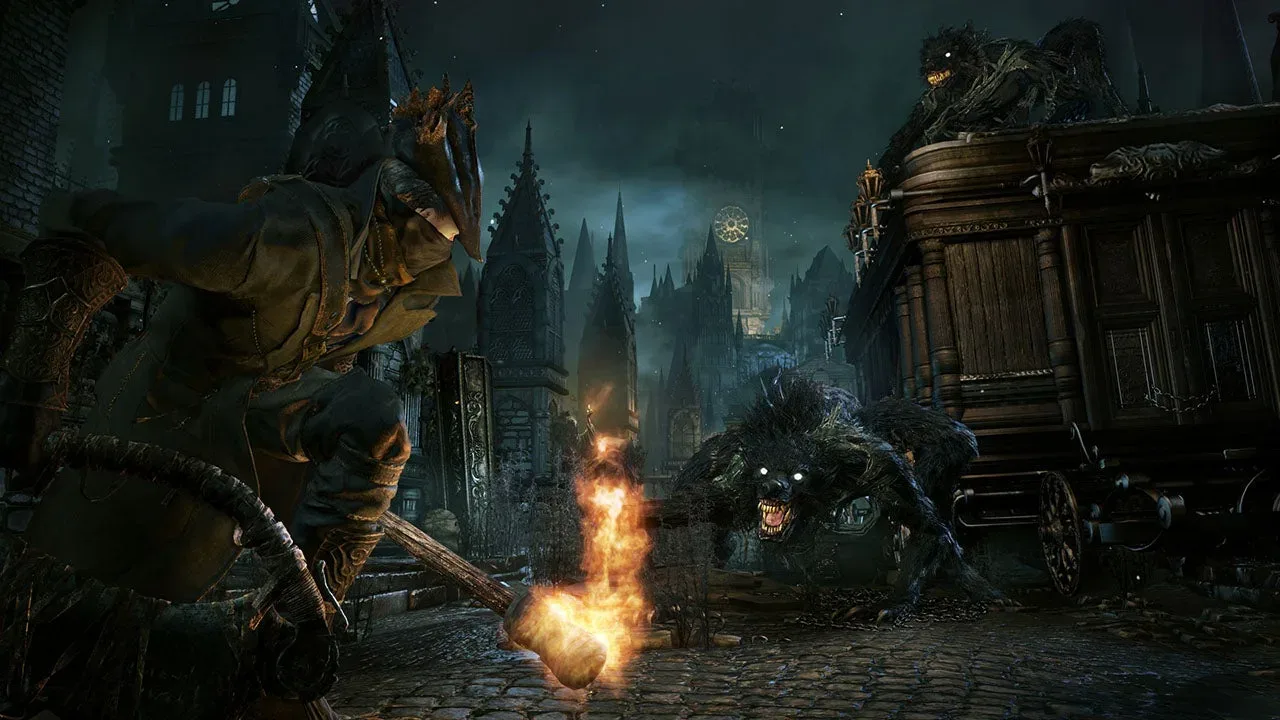
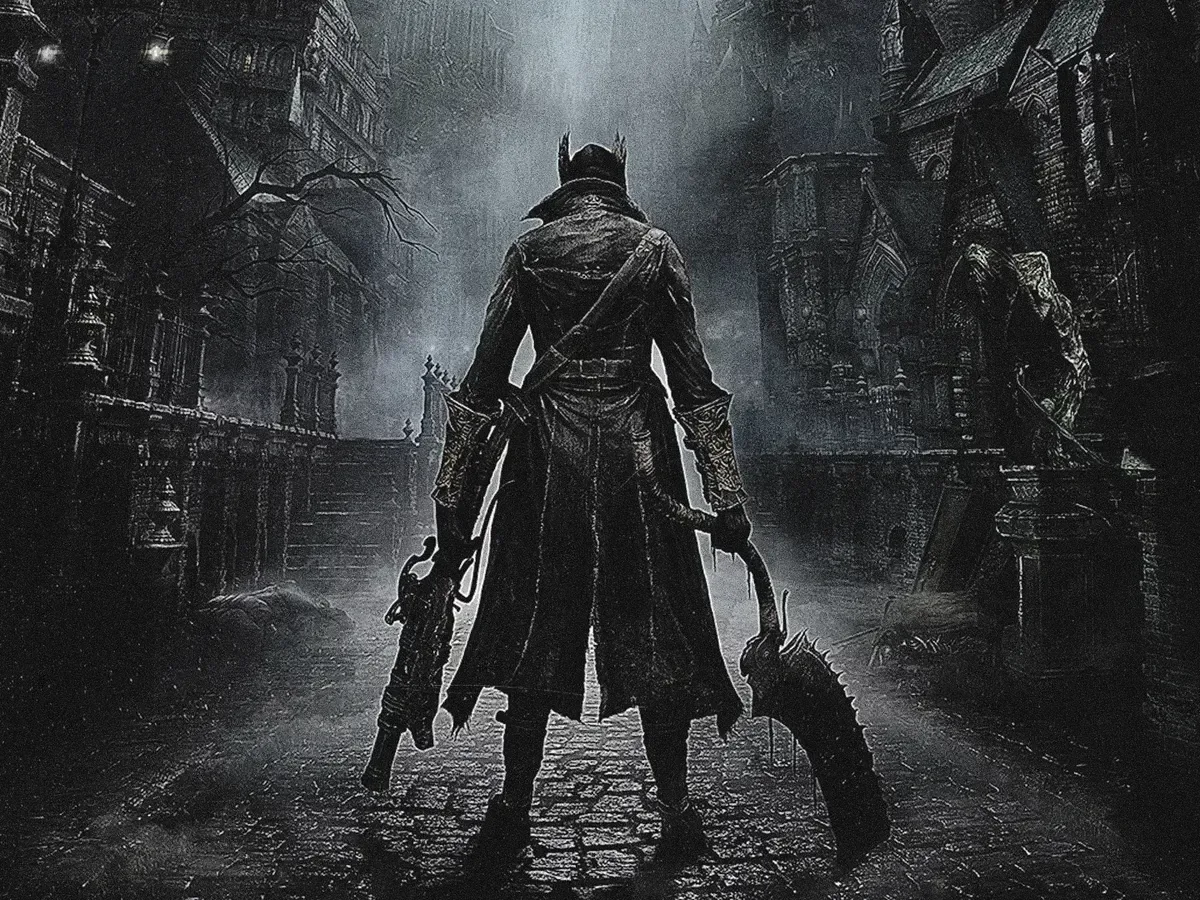
Bloodborne (PS4) is the obvious first stop for players who equate horror with pressure. This third-person action-RPG asks for repeated failure, observation and improvement rather than a gently delivered plot. “Getting good” is the familiar shorthand, but the useful expectation is that the game expects players to learn through defeat. Its horror is inseparable from that friction: danger is not merely seen; it is felt in every costly mistake.
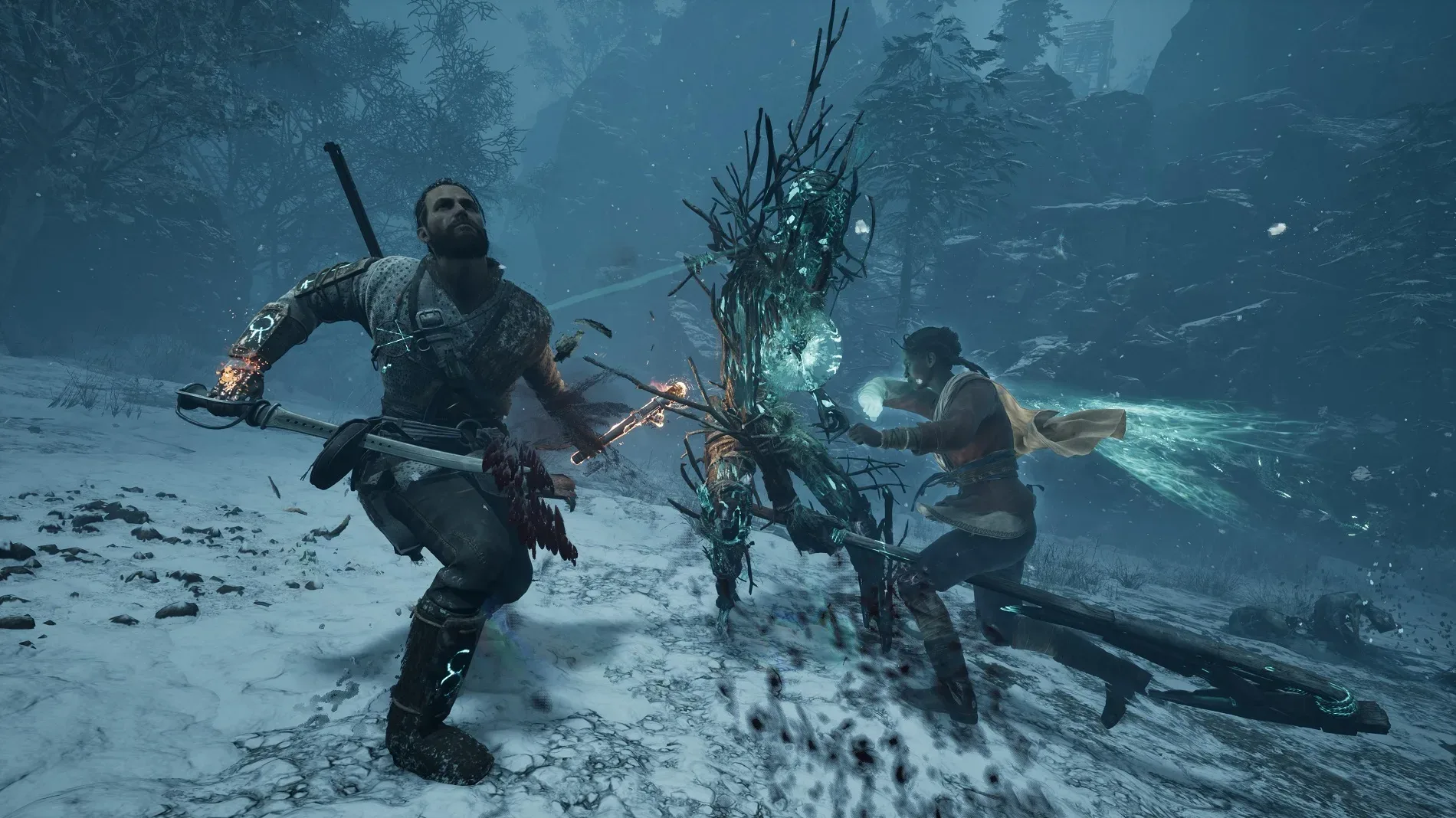
Hell Is Us (PS5) pushes toward supernatural warzone horror with a Soulslike structure. A Soulslike is generally an action game built around demanding encounters, measured commitment to attacks and a willingness to let players work out systems and routes for themselves. That last part matters here. It is positioned for people who want survival-horror action-adventure without much hand-holding. Potential players should also know that its mechanics can feel clunky at times and that its late-game difficulty rises sharply.
The Evil Within 2 (PS4) is the more direct psychological survival-horror option in this group. It suits players who enjoy Resident Evil-adjacent tension but want an experience defined by broader nightmare imagery rather than a government-monitored zombie outbreak. Blood is a major part of its presentation, so this is not the pick for someone trying to avoid graphic gore.
These three are for an active kind of fright. The player is not just observing a monster or absorbing a setting; they are required to perform under pressure. If that sounds draining rather than enticing, the catalog has much quieter forms of dread.
For classic survival-horror DNA: Crow Country and Resident Evil Director’s Cut
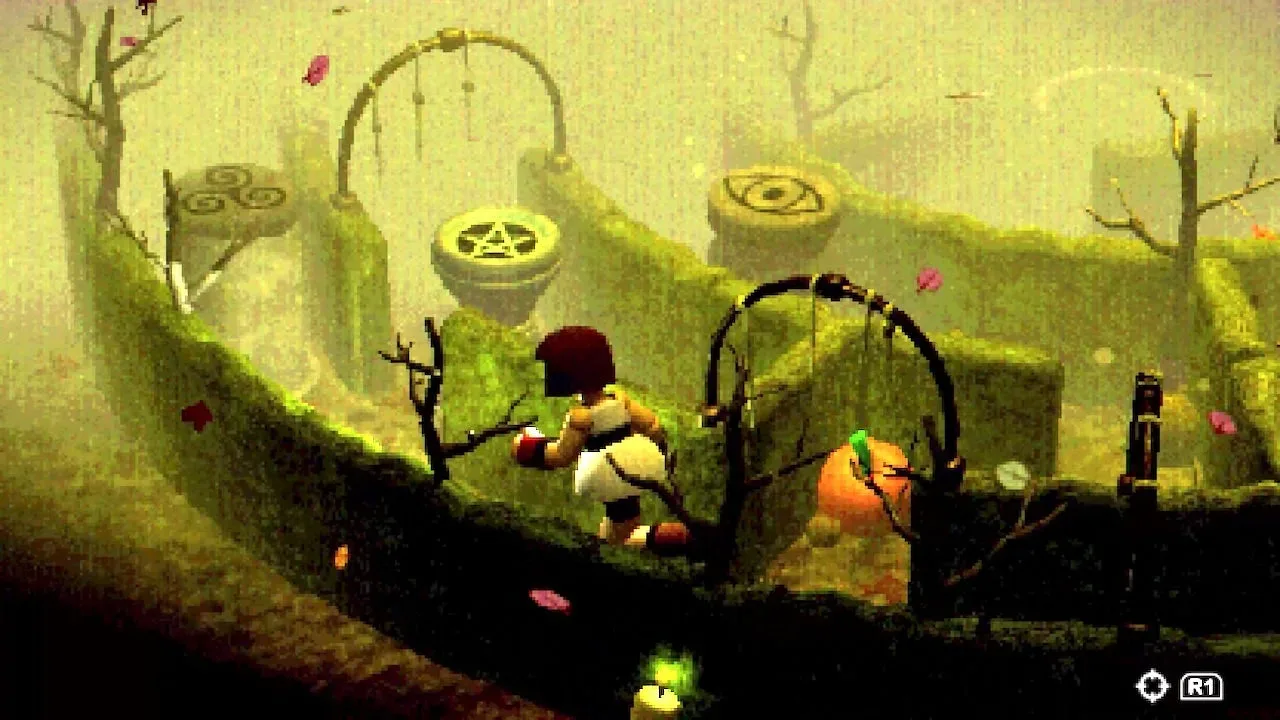
Crow Country (PS4/PS5) deliberately speaks the visual language of early 3D survival horror. Its blocky, grimy PS1-style presentation will appeal to players who miss 1990s adventure games and classic Resident Evil. That style is more than a cosmetic throwback: the appeal lies in embracing a deliberately old-school sense of place and tension. Its humor, however, is part of the package, and those who dislike either classic Resident Evil conventions or millennial jokes may be better served elsewhere.
Related coverage includes 19 PS Plus Horror Games to Play This Halloween, From Bloodborne to Silent Seas.
Resident Evil Director’s Cut (PS4) is the direct historical-style alternative: a PlayStation-era third-person horror adventure set around puzzle-solving, limited resources and a creaky old mansion. Its fixed camera angles are a key design convention. Rather than placing a camera freely behind the character, the game frames rooms from set viewpoints, making what is outside the shot part of the tension. Tank controls are another period-specific feature: directional movement is tied to the character’s facing direction rather than simply mapped to the screen. They can require an adjustment, but they are central to the game’s feel.
Resource hoarding is not a side activity in this kind of survival horror. Deciding whether ammunition or healing should be spent now or preserved for later is part of the suspense. Players seeking a primer on a different corner of the original PlayStation library can also browse these original PlayStation RPGs ranked by combat identity, party building and world design.
For stories, investigations and uneasy choices
Call of Cthulhu (PS4) focuses on 1920s Lovecraftian role-playing rather than constant action. Its intended audience is players who like piecing together environmental clues and questioning suspicious characters. Cosmic horror, in this context, is fear rooted in incomprehensible forces and knowledge that can damage a person’s grasp on reality. That makes the investigative pace a feature, not a detour. Players who want regular combat should look elsewhere.
Banishers: Ghosts of New Eden (PS5) approaches the supernatural through third-person action-adventure and ghost powers. Its structure is framed around monster-of-the-week cases, meaning self-contained supernatural problems that support a larger journey. There is an investigative element in following clues, alongside combat that can become repetitive. It is a better fit for players who enjoy moving between narrative mysteries and action than for those who want either discipline in its purest form.
Indika (PS5) is a third-person horror puzzle game built around a psychedelic crisis of faith, dark comedy and material meant to provoke thought. That makes it one of the more unusual entries on the list. It is not designed as a constant procession of scares or mechanical complexity, and players who are easily bored by a reflective pace may bounce off it. For those receptive to strangeness and thematic discomfort, that is precisely its appeal.
Until Dawn (PS4/PS5) shifts the emphasis to cinematic interactive horror. This is the pick for players who want performances, narrative mechanics and the sensation of steering a horror story’s outcomes rather than mastering difficult combat. Rami Malek is among the appeal for fans of the cast. The trade-offs are a potentially predictable third act and camera work that can feel awkward. Think of it as horror structured around choices and scenes, not combat arenas.
Vampyr (PS4) offers a story-led RPG of dialogue choices amid cobblestone streets and industrial grime in World War I-era London. Its central tension is explicitly moral: heal ill people, drink their blood, and face the implications in a fallen world. That premise makes it well suited to players who like conversation and role-playing decisions. Those who dislike turn-based combat or extended dialogue should take that warning seriously.
For horror that changes the routine
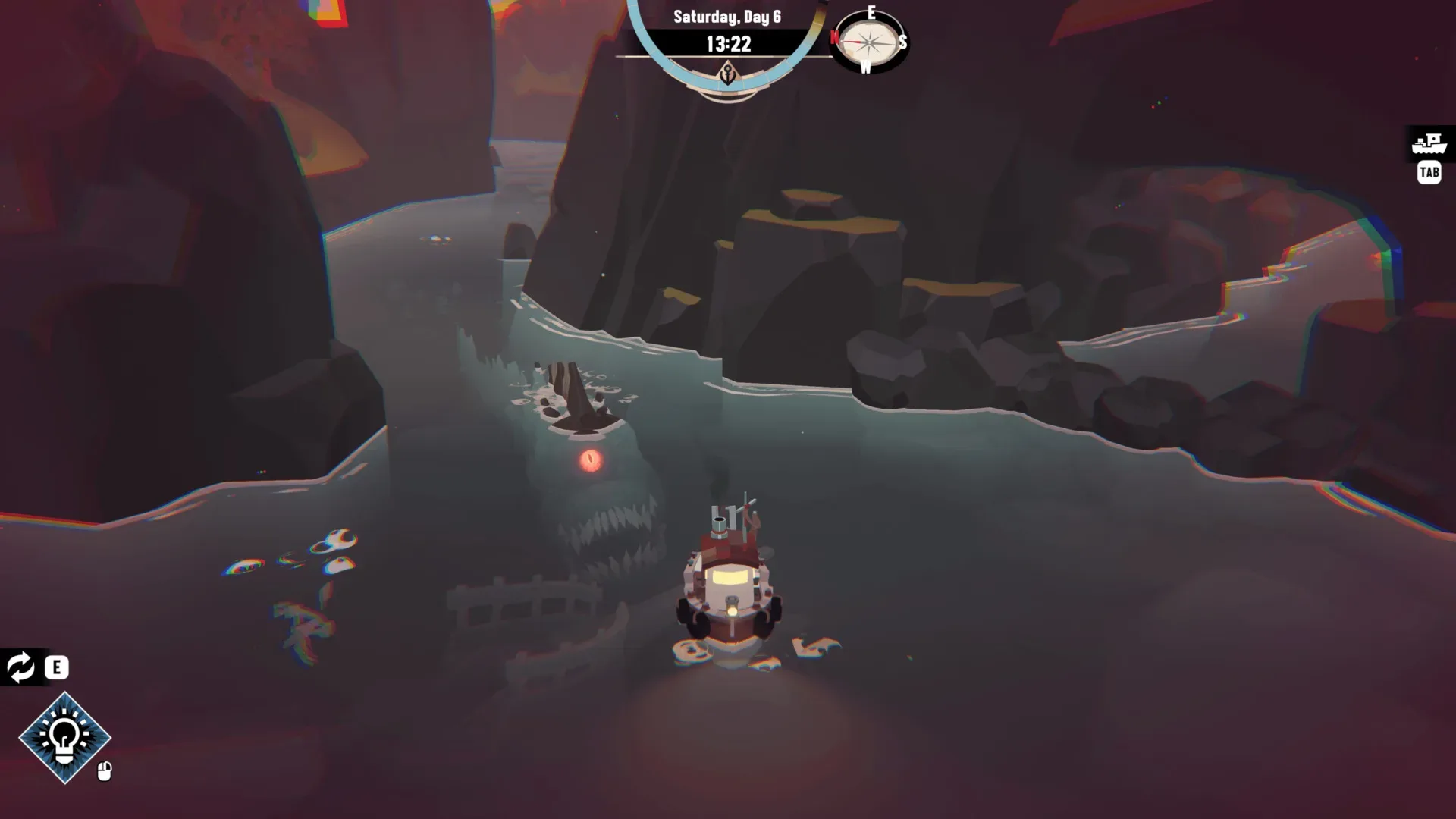
Dredge (PS4/PS5) turns fishing, inventory organization and minigames into Lovecraftian unease on haunted seas. Inventory management means deciding what limited space to devote to gathered items, a system that can make each catch or discovery a small logistical puzzle. The basic idea is intentionally odd: the game is for someone who likes boats and wants dread added to their fishing loop, not for someone searching for gunfights.
Pacific Drive (PS5) similarly finds horror in upkeep. It is a survival-crafting driving game for people who enjoy old station wagons, collecting material from the ground and tinkering with car systems. The comparison point is Andrei Tarkovsky’s Stalker, signaling a mood of strange, hazardous exploration rather than a conventional slasher setup. The car is central to the experience, so anybody who dislikes vehicle fiddling should not expect the game to move past it.
V Rising (PS5) offers a more expansive vampire fantasy: open-world survival, base building, a castle and blood-drinking, with an especially clear invitation to play alongside a friend. In practical terms, its horror fantasy is about building and maintaining a vampiric domain as much as it is about being a monster. The costs are grinding—repeating tasks to gather resources or progress—and a top-down viewpoint that will not suit every player.
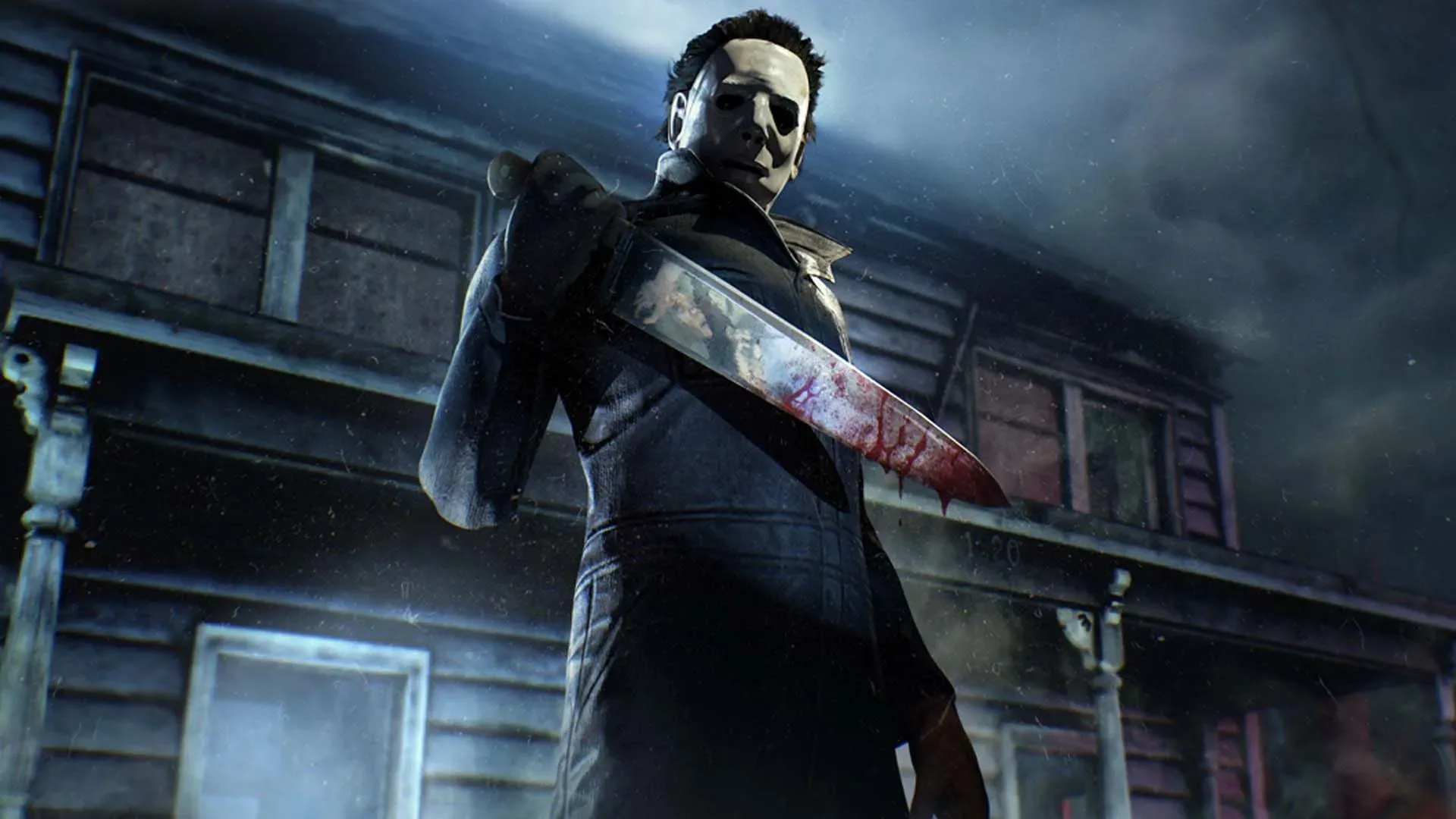
Dead by Daylight (PS4/PS5) is the social pick. Its online asymmetric multiplayer sets one side against another with uneven roles: players either hunt as the monster or try to escape it. That makes it closer to a high-stakes game of hide-and-seek than a scripted single-player story, and its roster appeal includes horror-movie icons. The qualification is simple: it depends on playing online and being comfortable with the anxiety of pursuit.
For atmosphere first: Still Wakes the Deep and The Midnight Walk
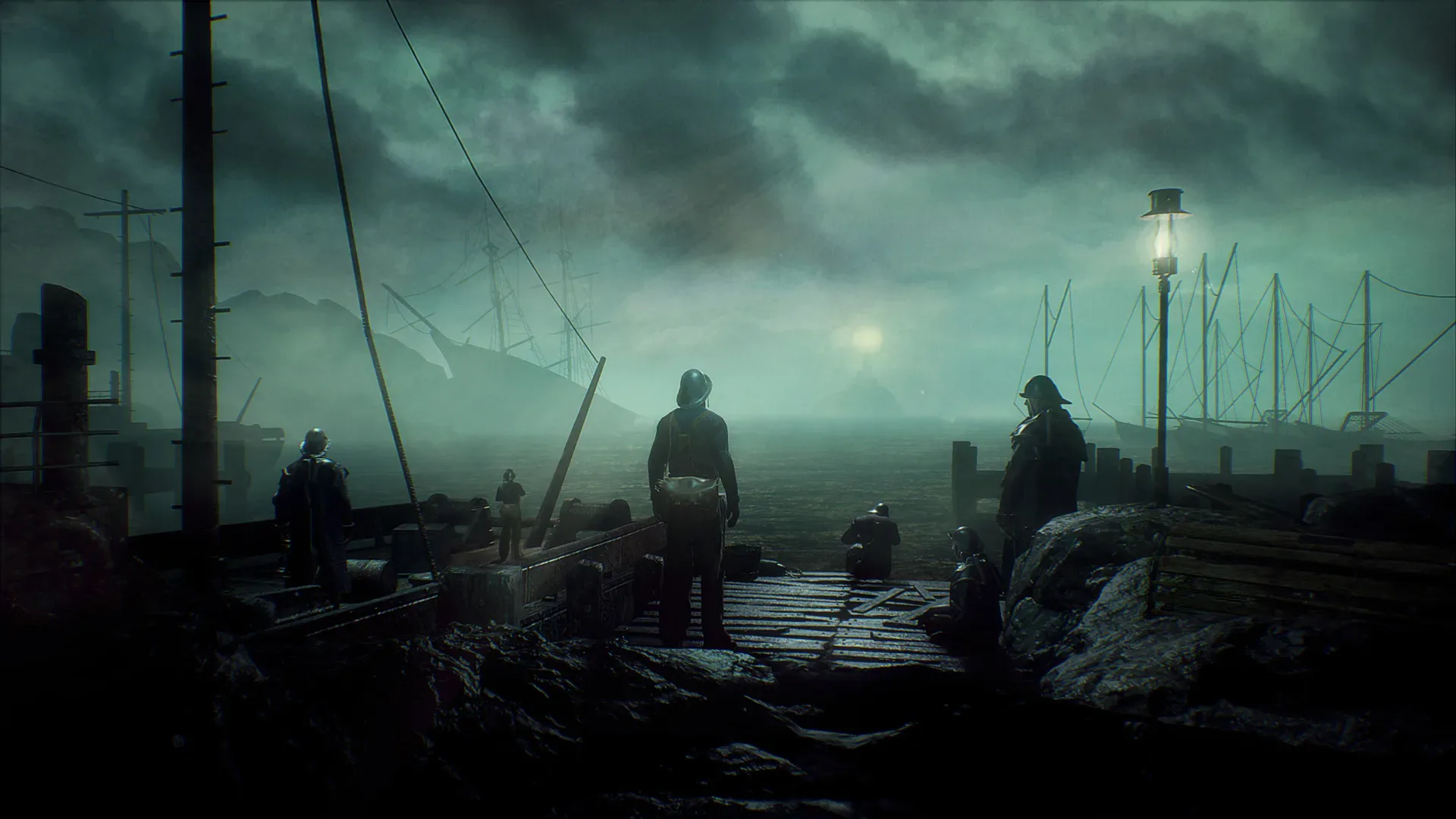
Still Wakes the Deep (PS5) puts psychological and cosmic horror on a haunted oil rig. It is a walking-simulator-style experience, which here means a greater emphasis on moving through a tightly guided space, absorbing the setting and progressing through narrative beats than on deep combat systems. Its linear exploration and monster chases are defining elements. Players who want freedom to wander or solve elaborate systems may find it restrictive; players who want a focused maritime nightmare may prefer that directness.
The Midnight Walk (PS5) heads in almost the opposite emotional direction. It is atmospheric dark fantasy with handcrafted stop-motion claymation and a cozy-horror sensibility reminiscent of Tim Burton’s aesthetic. Cozy horror does not mean fear-free; it means spooky material presented with a gentler, more stylized warmth than unremitting dread. Its mechanics are relatively simple and its emotional approach is intentionally tender, so it is best for players who want visual craft and mood rather than demanding systems.
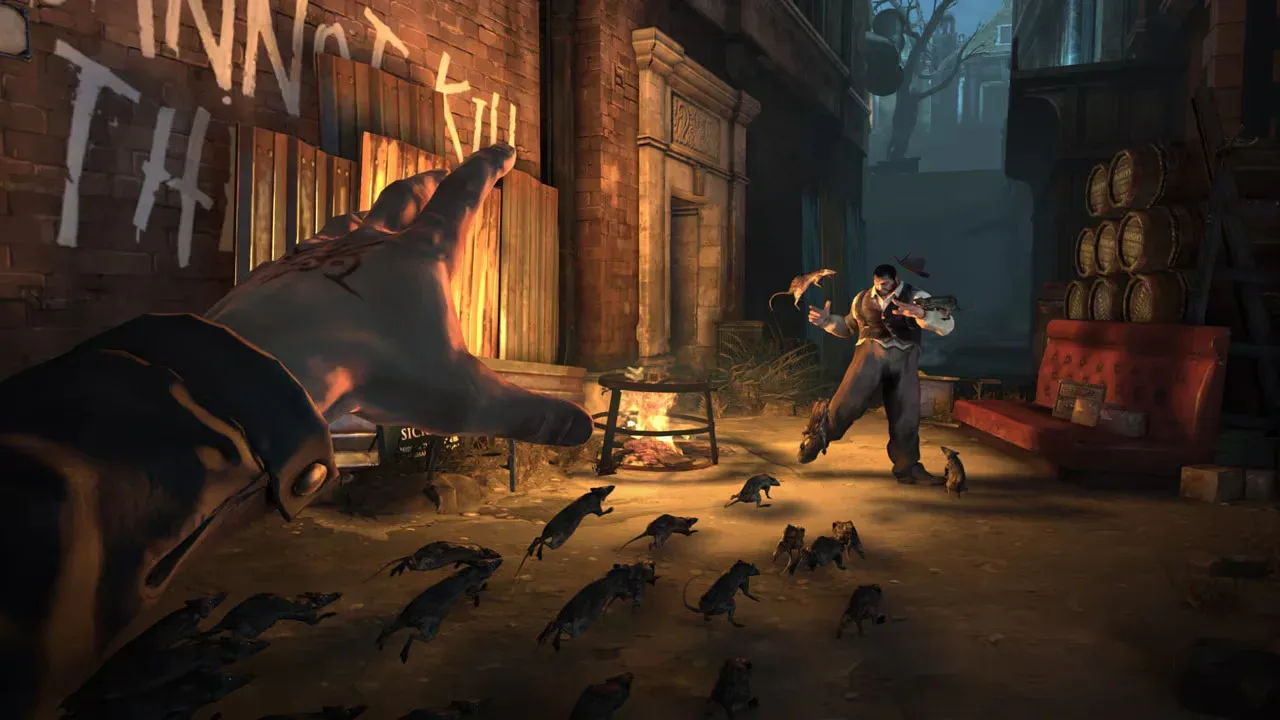
Dishonored: Definitive Edition (PS4) is an outlier with a horror-adjacent flavor: a whalepunk immersive sim about moving through the shadows of a dying empire. An immersive sim is a game whose spaces and tools invite improvisational solutions rather than one prescribed path. Here, that includes possessing rats and using them against the upper classes. It is for players who find stealth, experimentation and a decaying world more appealing than jump scares. If sneaking is an immediate turnoff, skip it.
For a pulpy or lighter October session
Werewolf: The Apocalypse (PS5) is the unapologetically rough-edged option: a third-person adventure where the attraction is turning into a man-wolf and smashing enemies. It is suited to fans of AA games and B-horror energy. “AA” describes games with a more modest scale than blockbuster productions, while B-horror suggests pulp pleasures over polished prestige. The caveat is a story that may be difficult to parse and a substantial amount of in-game lore.
MediEvil (PS4) is the least conventionally frightening selection and arguably the most welcoming palette cleanser. This 3D action-platformer collectathon is built around platforming and gathering items, making it useful for a Halloween playlist that needs levity between heavier games. Its inclusion broadens the point of the catalog: spooky season can be a mood, not only an endurance test.
The strongest recommendation is therefore not one universal “best” game. Choose Bloodborne for demanding gothic combat; Crow Country or Resident Evil Director’s Cut for vintage survival-horror design; Until Dawn for interactive movie-night drama; Dead by Daylight for an online group; Dredge or Pacific Drive for genre-bending routines; and The Midnight Walk or MediEvil when October calls for charm alongside the chills.