Netflix is returning to the wide-open, dangerous territory of Lonesome Dove. The streaming service has ordered a new series based on Larry McMurtry’s landmark western novel, with Zoe Kazan and Jeb Stuart attached as co-showrunners, writers and executive producers. The project represents another screen journey for a story that has endured for decades through its formidable characters, enormous landscape and unusually intimate idea of friendship under pressure.
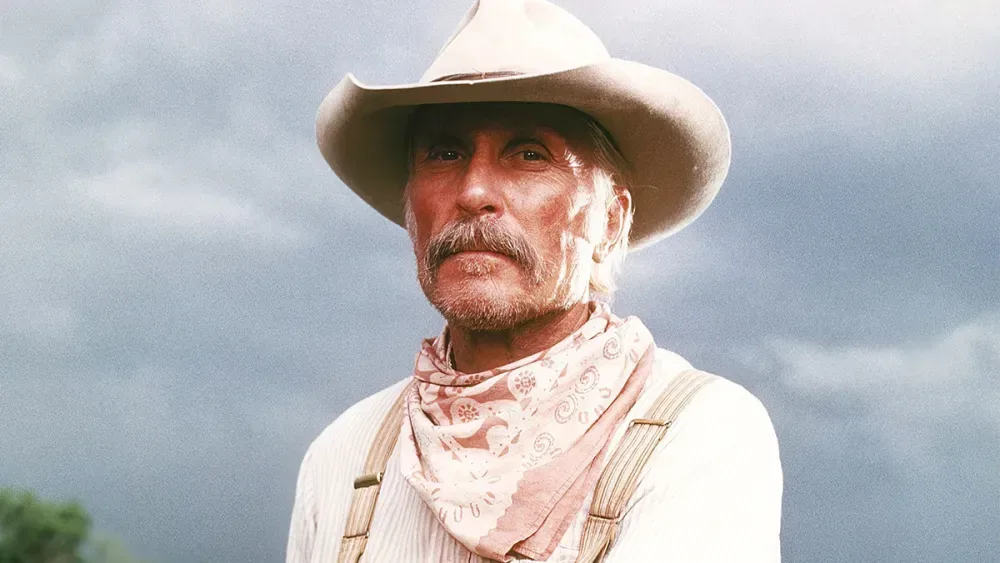
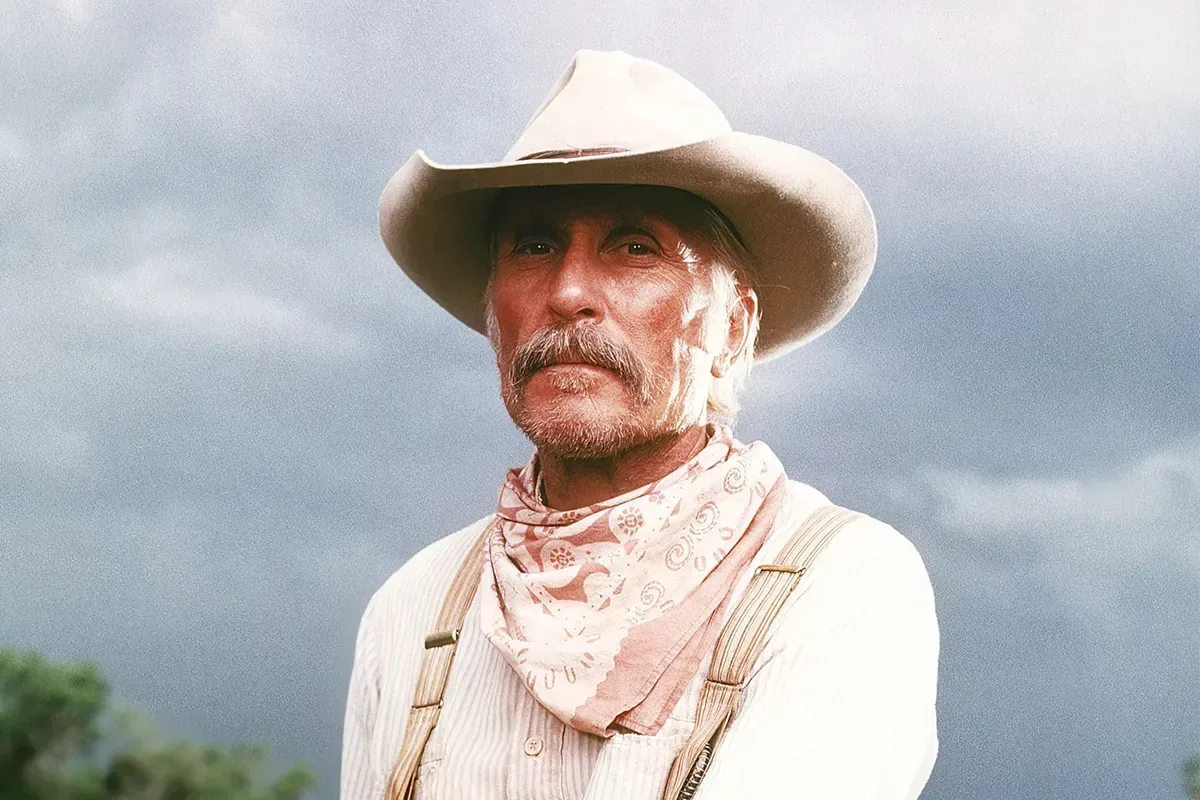
McMurtry’s Lonesome Dove arrived in 1985 and went on to win the Pulitzer Prize. Its prior television adaptation became a major event in 1989: the CBS miniseries starring Robert Duvall collected Emmy and Golden Globe recognition and helped cement Gus McCrae and Woodrow F. Call as two of the western genre’s most remembered figures. A fresh version will therefore walk into a dusty saloon with an extremely famous pair of boots already on the floor.
Netflix’s series has not yet announced a cast, release window, episode count or production timetable. Those omissions matter. At this stage, the confirmed news is the series order and its creative leadership, rather than the precise form the new adaptation will take. For viewers who know the 1989 miniseries closely, that means the biggest questions—who will play Gus and Call, how expansive the show will be, and what visual personality it will adopt—remain down the trail.
Gus and Call Ride Again
The series premise centers on Gus McCrae and Woodrow Call, former Texas Rangers confronting an uncertain stage of life. They revive their appetite for adventure for one last hazardous cattle drive, traveling from the Rio Grande toward Montana’s untamed country. It is a journey powered not simply by cattle, geography or frontier logistics, but by the sense that the dream driving them may have arrived too late for the people pursuing it.
That setup is central to why Lonesome Dove remains more durable than a basic trail story. It contains the familiar western materials—distance, violence, natural obstacles and a demanding landscape—but its dramatic weight comes from the people moving through them. The new show’s description emphasizes longing, loyalty, harsh frontier justice and the search for a life that feels meaningful. In other words, there will be horses, but the emotional baggage has clearly packed its own wagon.
Gus and Call are framed as the leaders of a larger group of characters crossing the American West. The cattle drive gives the story momentum, while the relationship between its two central men supplies a human anchor. One reason a serial format may suit the material is that the road itself naturally creates changing pressures: places to reach, threats to survive, people to meet and personal histories that can catch up with the travelers. Still, Netflix has not detailed how closely its version will follow the novel scene by scene.
The Team Behind the Adaptation
Kazan and Stuart arrive on the project after serving as co-showrunners on Netflix’s upcoming limited series East of Eden. Their appointment brings two creators already working together at the streamer to another adaptation of a celebrated American novel. They will share the writing, showrunning and executive-producing responsibilities on Lonesome Dove.
Teton Ridge Entertainment holds the rights to McMurtry’s novel and hired Kazan and Stuart for the adaptation. The production’s executive-producer group also includes Thomas Tull, Jillian Share and Jen Gorton for Teton Ridge Entertainment, along with Jon Jashni, Diana Ossana and Curtis McMurtry of the McMurtry Estate.
Related coverage includes Netflix Orders ‘Lonesome Dove’ Series From Zoe Kazan and Jeb Stuart.
That combination places the project between a major streaming platform, the rights holder and representatives connected to the author’s estate. It also signals an intention to treat the novel as a substantial dramatic undertaking rather than merely borrowing a famous title, although the actual creative choices will become clearer only when further production details emerge.
Kazan and Stuart said they are approaching the story with affection and respect and are eager to return to Gus, Call and the wider ensemble.
The brief sentiment is appropriate for an adaptation carrying this particular level of history. Lonesome Dove is not an obscure property being uncovered for the first time; it is a book with a Pulitzer Prize, a television version with major awards recognition and an audience that has spent years measuring other westerns against its scale. Respect is not a substitute for a finished series, of course, but it is the sensible starting point when the source material is already considered a classic.
Why This Western Still Has Range
Westerns are often reduced to iconography: hats, revolvers, cattle, dust and very committed facial hair. Those things are useful, and no one should pretend the genre does not enjoy a good silhouette at sunset. Yet the lasting appeal of Lonesome Dove rests on elements that reach beyond the period and setting. Its characters are wrestling with age, missed chances, responsibility, devotion and the fear that a person’s best story may already be behind them.
That conflict gives the premise a notably melancholy edge. The drive is not described as a triumphant march toward a simple future. Gus and Call are undertaking it while facing uncertainty, seeking a dream they may have outgrown. The tension between movement and mortality is built directly into the premise: they head toward Montana because standing still is not enough, even when the journey may demand more than they can comfortably give.
The series will also arrive in an era when television adaptations routinely invite comparisons across formats and generations. A new Lonesome Dove will inevitably be discussed alongside the 1989 miniseries, but it is entering a different television landscape, one shaped by streaming, serialized releases and audiences accustomed to revisiting legacy stories. That does not make the comparison easier; it simply means the new production will be judged both on its own drama and on how it honors the novel’s enduring reputation.
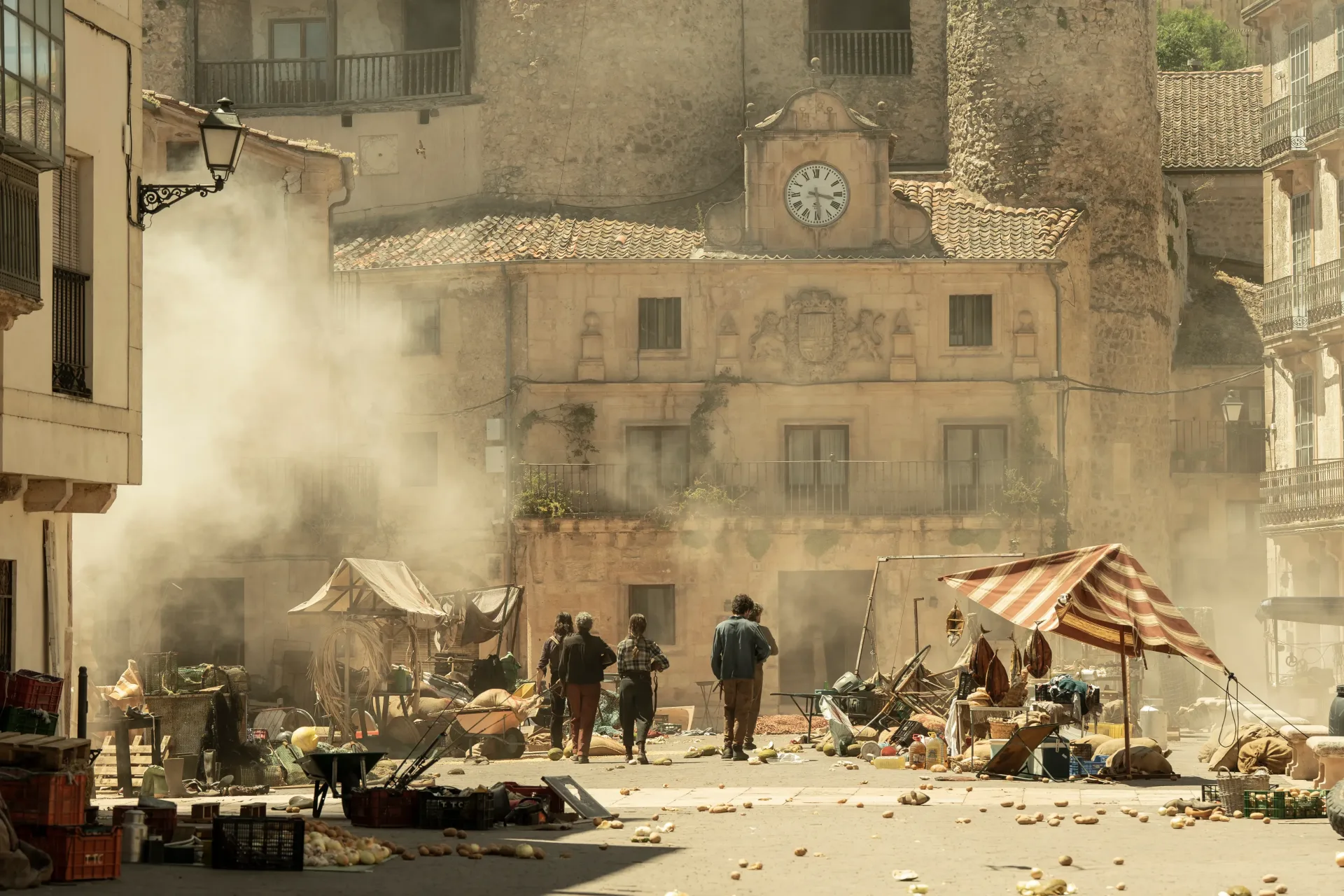
For fans keeping a broader eye on the television calendar, Netflix’s order is another example of well-known stories remaining active across screens and eras. Elsewhere in genre television, The Walking Dead: Daryl Dixon’s final season is set to head to Spain in 2027, a reminder that recognizable characters and long-running worlds continue to find new terrain. Lonesome Dove, by contrast, is returning to a world where terrain is not merely scenery; it is one of the principal antagonists.
What Has and Has Not Been Confirmed
The announcement provides a sturdy foundation but not the full map. Netflix has ordered Lonesome Dove to series. Kazan and Stuart are confirmed as co-showrunners, writers and executive producers. Teton Ridge Entertainment is involved as the rights holder, and the listed executive producers include Tull, Share, Gorton, Jashni, Ossana and Curtis McMurtry. The series is based on McMurtry’s 1985 Pulitzer Prize-winning novel and will follow Gus McCrae and Woodrow Call on their perilous cattle-drive odyssey.
Beyond that, viewers should resist filling in blanks with wishful casting posters and imaginary release dates. No performers have been named. No director has been announced. There is no stated premiere date, production start date, filming location, format length or indication of whether the title is planned as an ongoing series or a limited run. A series order is a meaningful commitment, but it is not the same as a completed trail ride.
For now, the key promise is a return to two towering western characters and the hard country that tests them. Netflix, Kazan, Stuart and Teton Ridge Entertainment are preparing a new route through McMurtry’s world. The wagons have been assigned; the weather, casting and exact destination are still somewhere beyond the next ridge.