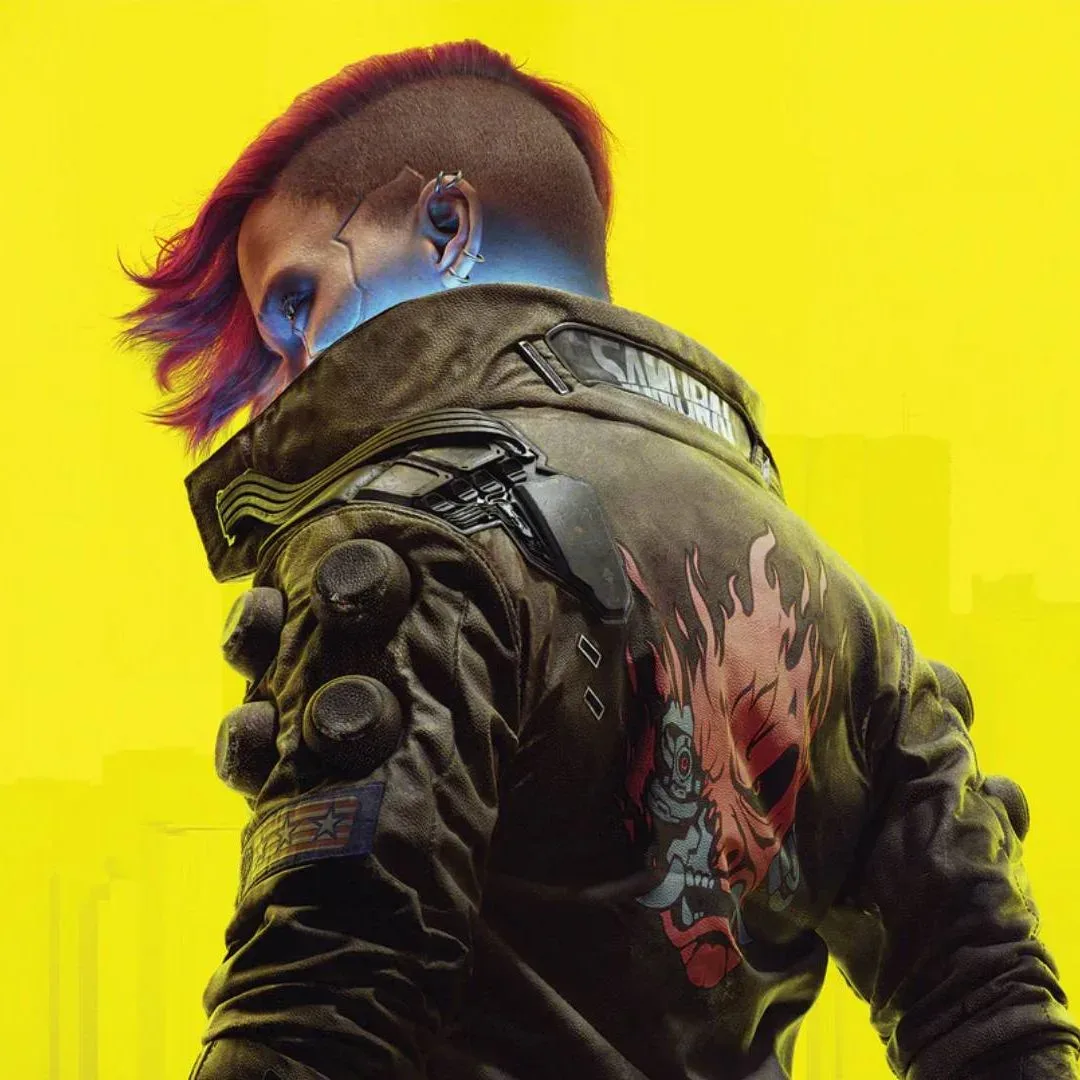
Cyberpunk: Edgerunners 2 has put a familiar-looking face in front of fans—and immediately created a very Cyberpunk-sized argument about identity, continuity and whether a player-made protagonist should ever be pinned down by official canon.
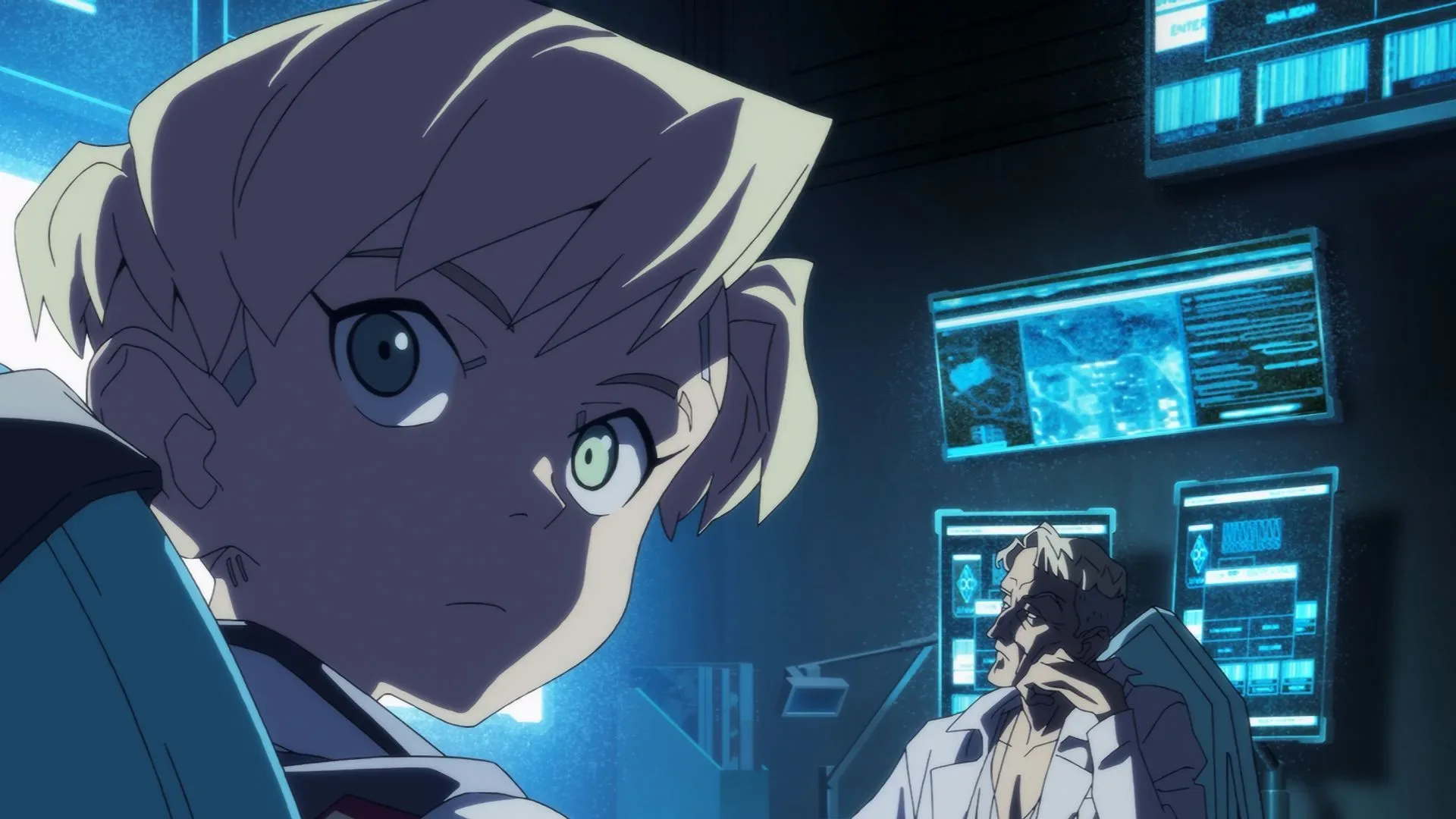
In episode 4, D. and Roman enter an Arasaka Data Archive while pursuing answers about the massacre of D.’s Snake Nation clan. Capri retrieves a list connected to the Capricorn Project, and the display includes several recognizable-looking figures. Alongside D. and Edgerunners season 1 lead David Martinez, viewers have highlighted one portrait that bears a close resemblance to the default female version of V, the protagonist of Cyberpunk 2077.
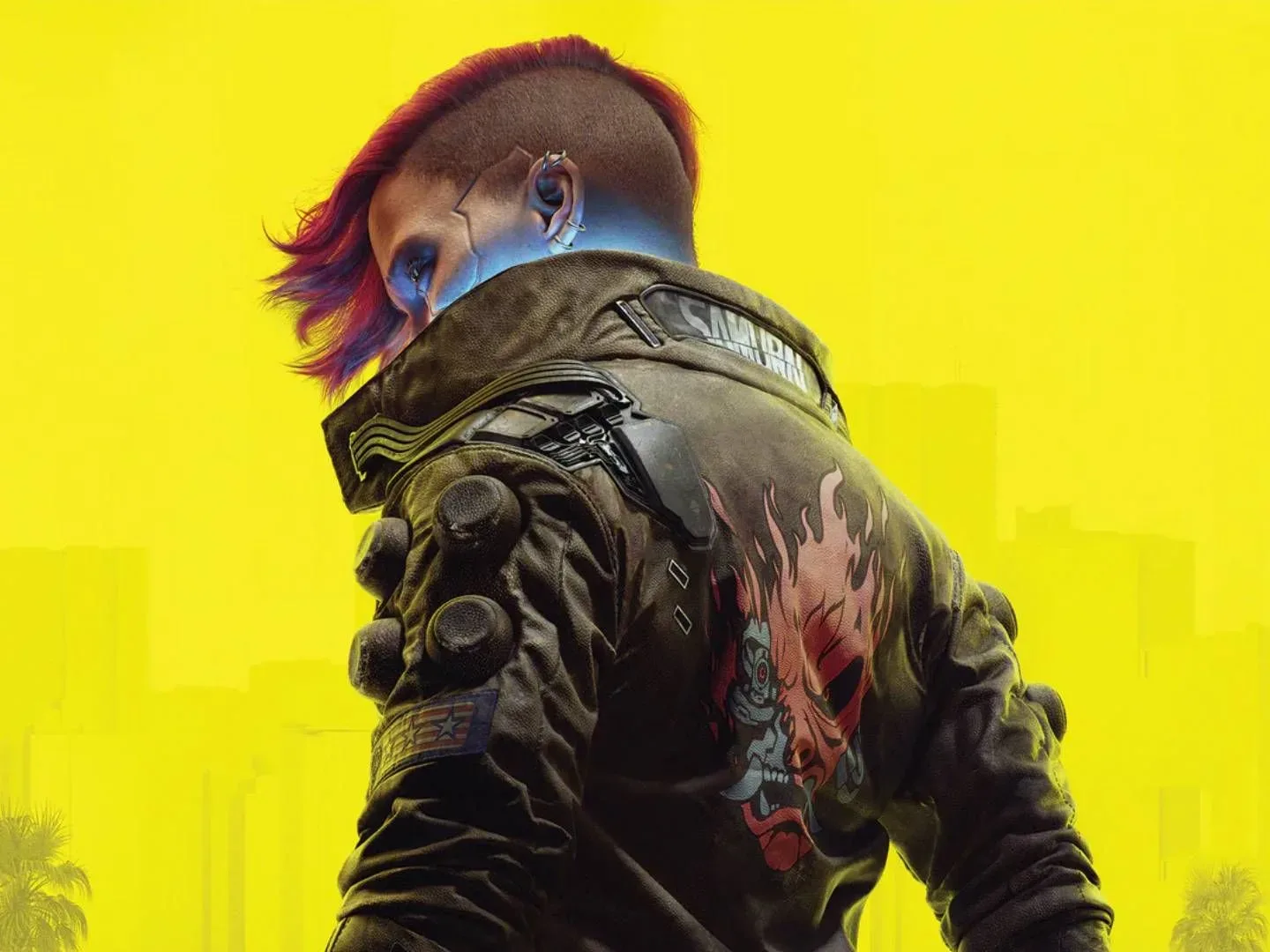
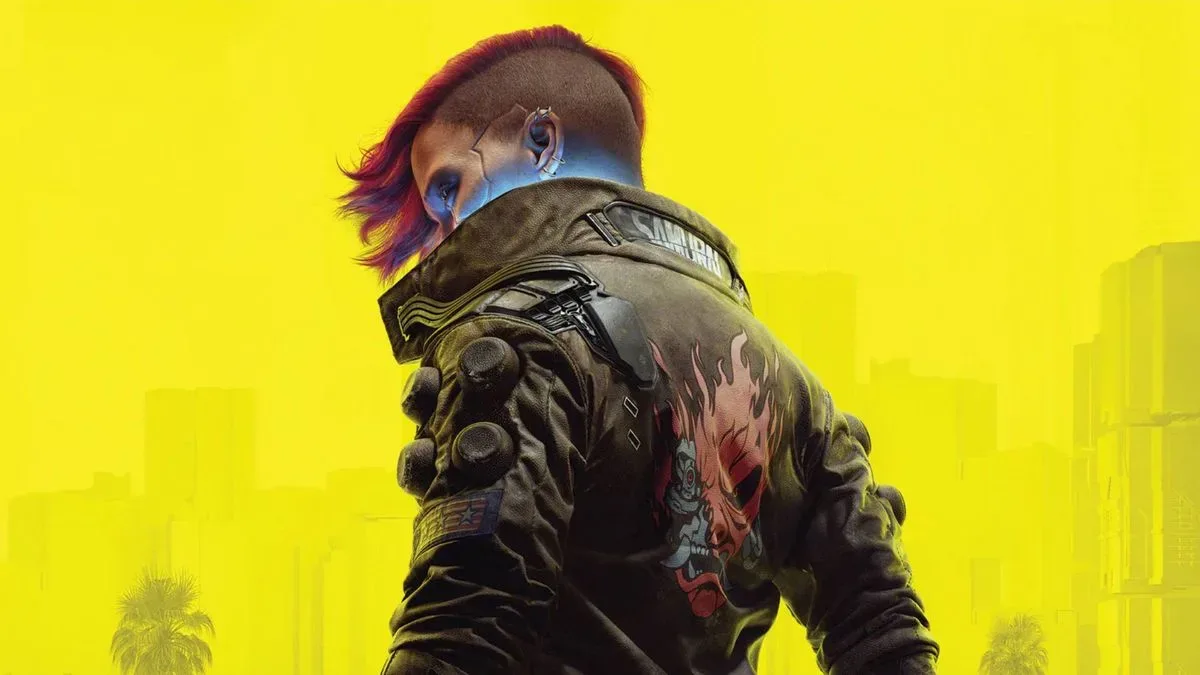
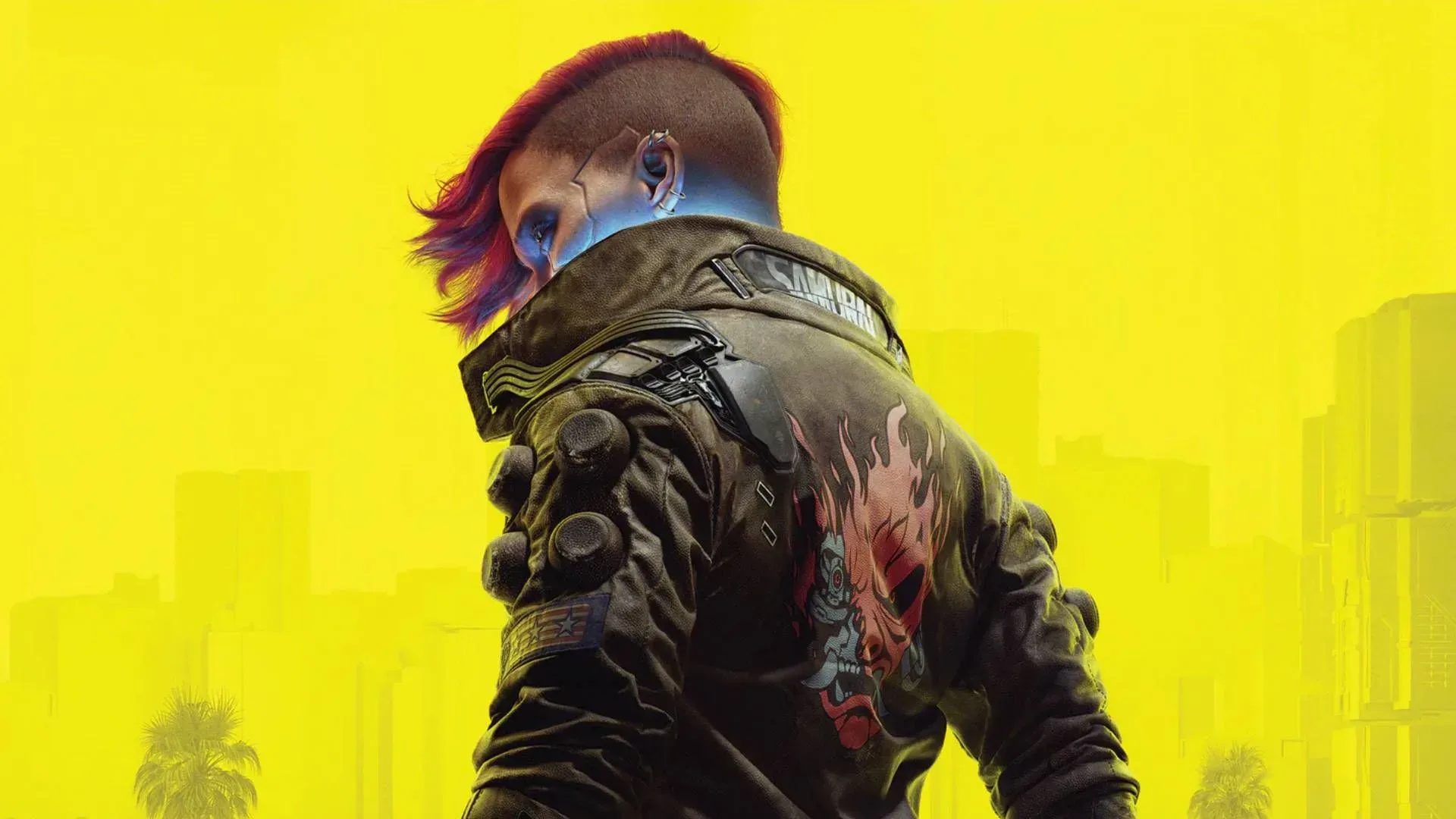
The resemblance is notable rather than conclusive. The image is a relatively simple illustration, but its hairstyle and facial markings track closely with the default female V design. There are also small visual differences, leaving room for a less dramatic explanation: it could be an intentional wink to the game, a lookalike, or a background image that was never intended to settle the question of V’s canonical appearance.
That distinction matters. A cameo can acknowledge a character without defining every aspect of that character. In V’s case, it is especially important because Cyberpunk 2077 gives players choices over V’s presentation. A single fixed portrayal in another work would feel, to some players, like an official answer to a question the game was designed to leave personal.
What viewers are seeing in episode 4
The potentially crucial moment is not a direct appearance by V, a spoken name, or a plot scene built around the game’s protagonist. It is a face among an Arasaka-held list of people sought for Project Capricorn. That makes the evidence interesting, but it also limits what can responsibly be inferred from it.
Arasaka’s interest could make narrative sense if the portrait is meant to be V. The character has an unusually high capacity for cyberware, an important quality within the story’s broader concern with human bodies and invasive technology. Capri’s insertion into a host is central to the season, and the information presented indicates that cyberware capacity is relevant to surviving that process.
Still, “makes sense” is not the same as “confirmed.” The archive screen apparently includes other familiar nods from the game’s world, including Dum Dum, Evelyn, and Melissa Rory. Rory is the Mantis Blades-wielding cyberpsycho seen in the original 2013 teaser for Cyberpunk 2077. A roster full of references suggests the display may be serving multiple purposes at once: providing story texture, rewarding attentive viewers and situating Project Capricorn amid people with significant cybernetic histories.
In other words, the display can be meaningful even if every face on it is not a declaration of immutable continuity. That is precisely why the female V portrait has turned into a debate rather than a straightforward reveal.
Related coverage includes Cyberpunk: Edgerunners 2 Sparks Debate Over a Possible Female V Cameo.
Why a default design is not automatically a canon ruling
Player protagonists create a particular challenge for shared-universe storytelling. Designers often need a recognizable image for promotional art, interface elements or a crossover reference. That practical need does not necessarily erase the player’s choices in the original game.
V is not one narrowly defined screen character in the way David Martinez is. The game places the player in the role, while allowing choices around how V appears. A default model is therefore a useful visual shorthand, but it does not by itself prove that all other interpretations are invalid.
There is a difference between three ideas that can look similar in a paused frame:
- Reference: a visual allusion made for fans who recognize the design.
- In-universe identification: confirmation that a particular version of the character exists in the same continuity.
- Canonization: a definitive choice that establishes one portrayal as the official version over alternatives.
Episode 4 may be doing the first. It may be doing the second. Based on the available material, it is too early to say it has unequivocally done the third.
That caution is not an attempt to drain the fun from an Easter egg. On the contrary, the ambiguity is part of what makes it effective. Fans can reasonably compare the portrait’s marks and hair to female V, while also recognizing that the series has not supplied a direct answer. The frame invites investigation without demanding a final verdict.
Project Capricorn and the season’s cyberware themes
The archive list is tied to the Capricorn Project, so the possible V nod is more than a random poster tucked into the background. It is placed in a context where a person’s compatibility with extreme technology has real stakes.
In plain terms, cyberware is technological augmentation integrated into a person’s body. The franchise uses it to explore power, survival, commodification and the psychological price of turning a human being into a platform for hardware. A character with exceptional tolerance for augmentation is not merely stronger or more stylish; they may be valuable to organizations looking to push human limits for their own ends.
Capri is described as a digital construct that merges with D. during the new season. A digital construct is, in this context, a human-derived consciousness or personality represented digitally rather than existing only in a living body. That makes the Capricorn material thematically adjacent to one of Cyberpunk 2077’s defining ideas: what happens when identity can be copied, implanted, altered or made to coexist with another mind.
V’s experience in the game makes a Project Capricorn connection plausible on a thematic level. Johnny Silverhand enters V’s head through Soulkiller-related technology, turning the protagonist’s body and mind into the site of a contested merger. The specific circumstances differ from Capri’s relationship with D., but both stories put the boundary between self and software under pressure.
That shared concern explains why the new season’s return to Soulkiller is a larger crossover point than one disputed archive portrait. Soulkiller is experimental technology with an established place in V’s story, while Capri’s merge with D. provides the new season with its own version of the franchise’s identity-and-technology tension.
Soulkiller is the clearer bridge to Cyberpunk 2077
The possible female V portrait has understandably drawn the most frame-by-frame attention, but Soulkiller gives Edgerunners 2 a more explicit connection to the game’s concepts. In Cyberpunk 2077, the technology is tied to Johnny Silverhand’s presence in V’s head. In the show, the digital construct Capri merges with D.
That does not mean the two character arcs are interchangeable. The supplied details establish only that both involve mind-and-body overlap, not that Capri and Johnny operate under identical rules or that D.’s situation will lead to V’s. But the recurrence of Soulkiller grounds the season in a recognizable technological vocabulary and gives the Capricorn Project’s interest in unusual hosts more dramatic weight.
For viewers returning from the game, the implication is practical: pay attention to the language around constructs, compatibility and neural integration, not just recognizable faces on data screens. The show’s strongest links to the game may be thematic and technological rather than dependent on a full cameo.
A new game update adds another point of connection
The timing is also notable because an Edgerunners 2-themed update for Cyberpunk 2077 is set to arrive later this week. The update is described as adding a dual-wielding playstyle and cyberware customization.
Dual wielding generally means using a weapon in each hand, changing the possibilities available in combat. Cyberware customization points to further player control over augmentation-related choices. Neither feature proves anything about the identity of the archive portrait, but both make the cross-media connection feel active: the show revisits concepts and imagery associated with the game as the game receives a themed update of its own.
It is worth keeping the two developments separate. A themed update does not confirm that female V is canon, and a possible background reference does not establish the details of new gameplay systems. They are parallel parts of a broader moment for the franchise, not evidence for one another.
What the debate says about V
The disagreement over the portrait is ultimately about more than character customization. V occupies an unusual space: recognizable enough to be invoked by a hairstyle and face markings, yet flexible enough that many players do not want an adaptation to overwrite the V they created.
That is why even a small screen detail can prompt sharp reactions. One group can see a welcome acknowledgement of the default female model. Another can see an unnecessary narrowing of a role-playing protagonist. Both responses start from the same premise—that V belongs to a story players participated in shaping—even if they reach different conclusions about what an animated companion series should do with that legacy.
For now, the careful reading is straightforward. Cyberpunk: Edgerunners 2 episode 4 contains an archive portrait that strongly recalls default female V, placed in a story context where Arasaka interest in a high-capacity cyberware subject would be understandable. The series also contains several other apparent references, which strengthens the case for a deliberate Easter egg while weakening the case that a single image must be a definitive canon ruling.
Fans looking for certainty will need more than a familiar face on a wall of data. Fans looking for a smart, deliberately provocative connection to Cyberpunk 2077, meanwhile, have plenty to analyze. For another recent example of a game property moving between interactive and screen storytelling, see this update on the Life Is Strange adaptation.