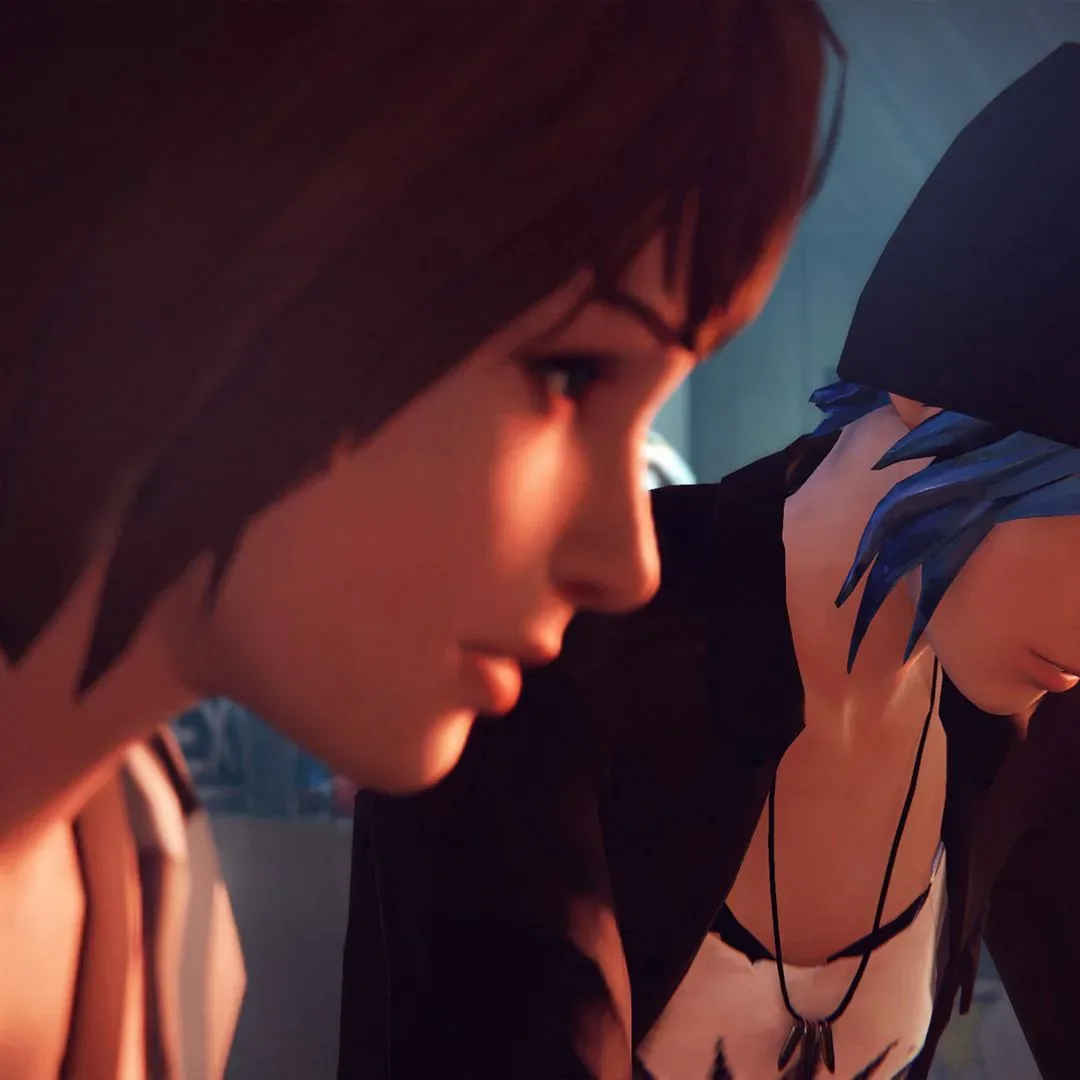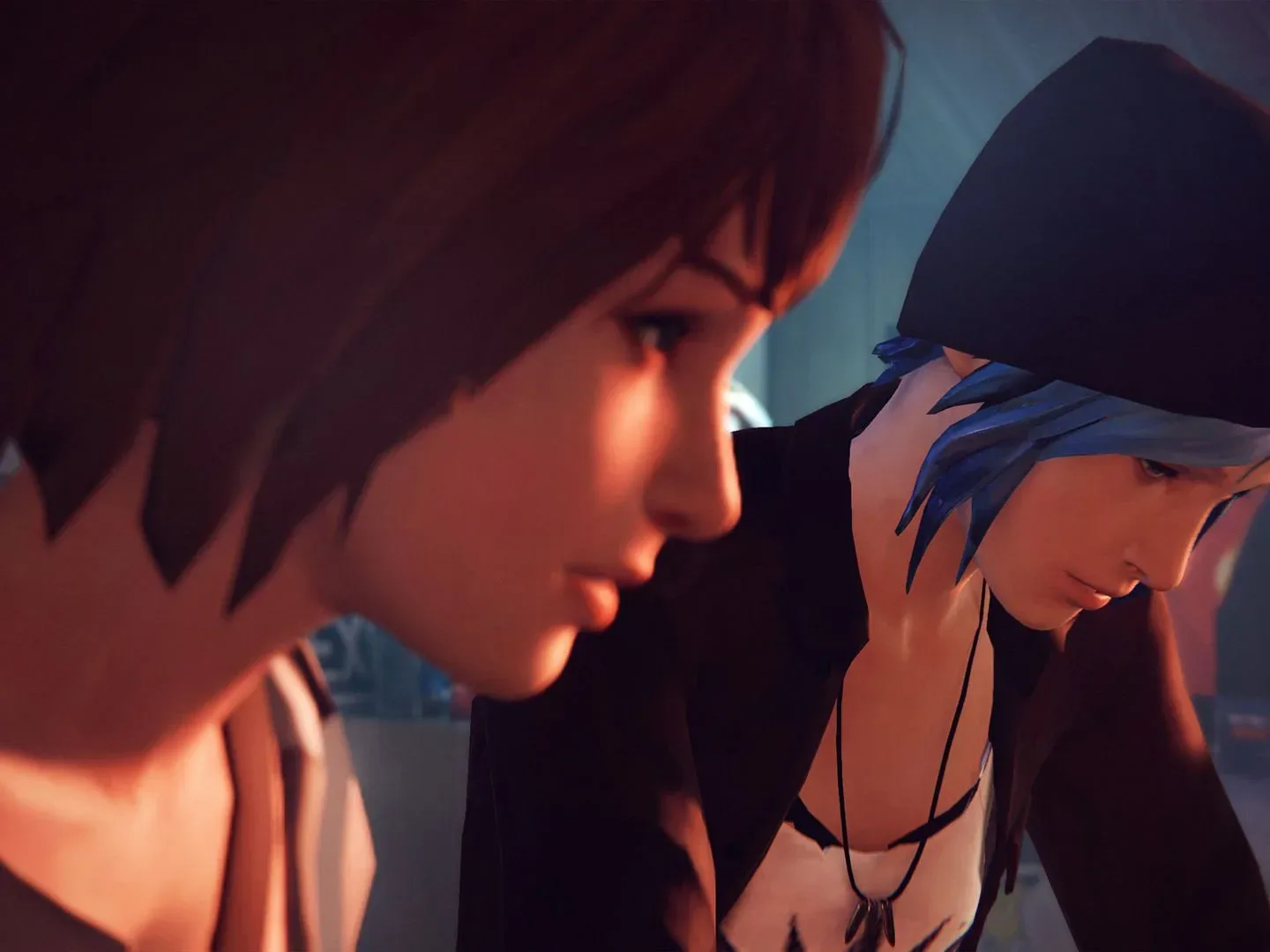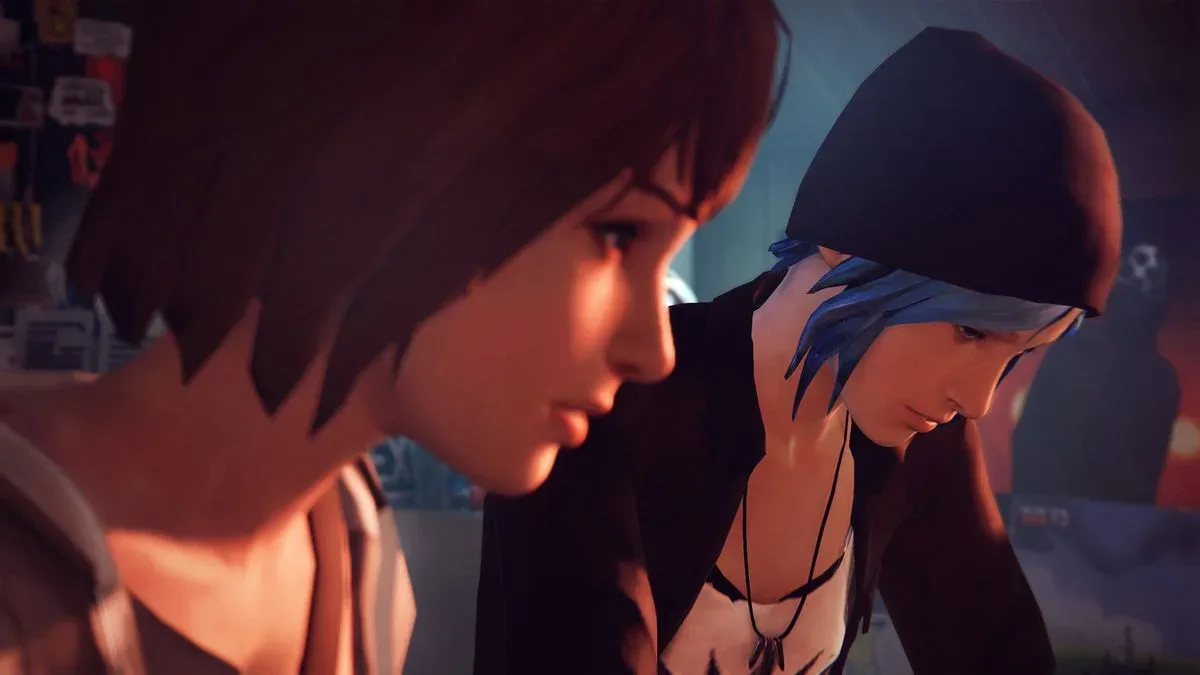
Life Is Strange co-creator Michel Koch has offered an encouraging early reaction to Prime Video’s upcoming live-action adaptation after visiting its set. Koch described the visit as one of the most surreal experiences of his life and said the production’s care, affection and attention to detail made him proud.
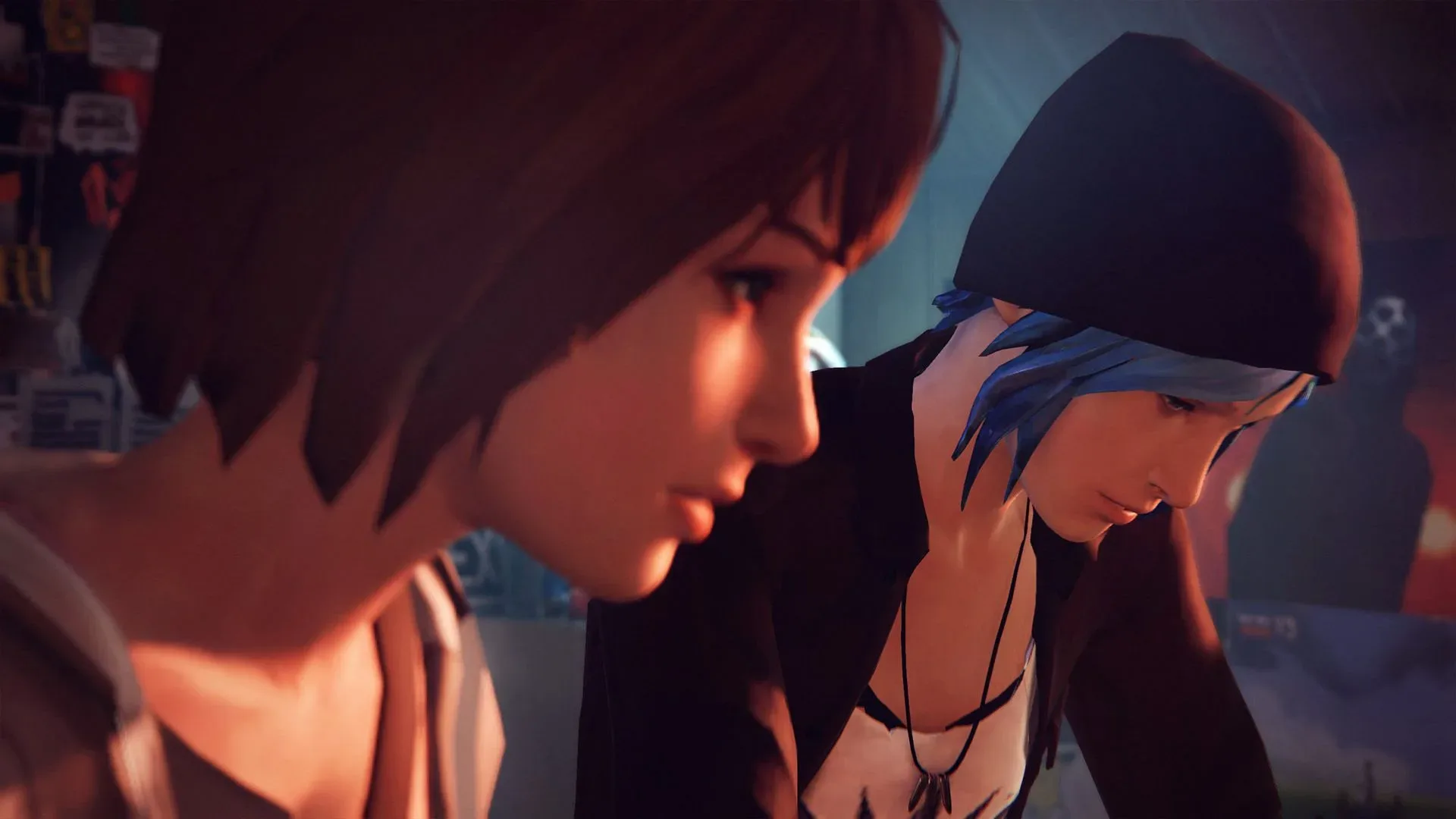
That response carries particular weight because Koch helped create the story’s central pair: Maxine “Max” Caulfield and Chloe Price. He also singled out the actors taking on those roles, saying he was eager for audiences to see Maisy Stella’s Chloe and Tatum Grace Hopkins’ Max.
There is still no release date for the series, and many practical details remain under wraps. But Koch’s comments, paired with the official premise, point to a show that is starting from the foundational relationship, mystery and time-rewind premise of the 2015 game rather than using the name for an unrelated story.
A meaningful endorsement from one of the game’s creators
In a social-media post following the visit, Koch said being on the show’s set was a career highlight. He described meeting people who were united by a passion for the game and affection for its two leads. While he did not disclose plot details or production specifics, his assessment was unequivocally positive.
“The care, the love, the attention to detail… I couldn’t be prouder.”
Koch’s post can be viewed on Instagram. His comments should not be read as a guarantee that every scene, branch or outcome from the game will appear unchanged on television. They do, however, offer a useful indication that someone closely associated with Max and Chloe believes the people making the show understand why those characters matter.
That distinction is important for an adaptation of Life Is Strange. The original game is not built solely around its supernatural hook or its central missing-person investigation. Its identity also comes from the emotional connection between Max and Chloe, their shared history, and the pressure placed on their choices. A production can reproduce locations, costumes and plot landmarks, but those details only work if the characters at the heart of them feel convincing.
Max and Chloe remain at the center
The announced casting places Maisy Stella in the role of Chloe Price, with Tatum Grace Hopkins as Max. Koch’s praise for both performers is among the clearest public reactions yet from a co-creator connected to the original game.
Related coverage includes Life Is Strange Co-Creator Praises Prime Video Adaptation After Set Visit.
Max and Chloe are not merely recognizable names from the property. Their relationship is the engine of the story. Max is a photography student at Blackwell Academy who discovers she can rewind time when she saves Chloe, her childhood best friend. The pair then investigate the disappearance of a fellow student, Rachel, uncovering a darker side to their town along the way.
The official synopsis retains those crucial elements: Max’s photography-student life, her ability to rewind time, Chloe’s rescue, the investigation into a missing student and an eventual life-or-death choice. It also describes that choice as one with permanent consequences for the pair.
For viewers unfamiliar with the game, the time-rewind ability is more than a conventional superpower. It is the storytelling mechanism that lets Max revisit moments, reconsider decisions and pursue different paths. In the game, players use it while completing quests and solving puzzles, changing the direction of events as the narrative unfolds. The television series will not have players making those choices themselves, so its challenge will be to preserve the tension of reconsideration and consequence in a fixed dramatic format.
Why the game’s branching structure presents a TV challenge
Life Is Strange was released in 2015 and gave players agency over parts of Max’s journey. In simple terms, a branching narrative is a story with decision points that can lead to different scenes, reactions or outcomes. The rewind mechanic gives that structure extra meaning: players are not simply picking an option, but are allowed to look at a decision again after seeing what it causes.
A series has to make a different bargain with its audience. It selects a path rather than handing viewers control. That need not make a television version less faithful; it simply means faithfulness cannot be measured only by whether every possible player choice survives intact. A more useful measure is whether the adaptation captures the dramatic question behind the mechanic: what do people do when they are given another chance, and what can they really fix?
The synopsis suggests the show understands that underlying idea. Max struggles to understand her ability while she and Chloe investigate the disappearance, and the story moves toward an “impossible” decision. That is consistent with the game’s core use of time manipulation: the power opens possibilities, but it does not erase the cost of acting.
There is also a practical advantage to concentrating on the central arc. A television season needs momentum from episode to episode, clear character objectives and escalating stakes. Max’s discovery, Chloe’s return to her life, the missing-student mystery and the consequences of altering time offer a readily defined dramatic spine. What remains unknown is how much room the series will make for individual side stories, exploration or puzzle-like discovery from the game.
The production team behind the adaptation
The series was announced in September 2025. Charlie Covell, creator of The End of the F***ing World, is serving as head writer, executive producer and showrunner. Square Enix, Story Kitchen, LuckyChap and Amazon MGM Studios are producing.
The term showrunner generally refers to the person who leads a television series creatively and operationally, particularly in shaping its writing direction across episodes. A head writer leads the writing process, while an executive producer is a senior production role that can involve creative, managerial or both kinds of responsibilities. Covell holding all three titles signals a central role in defining how the adaptation is presented, though it does not reveal specific episode plots or confirm how closely any individual game sequence will be reproduced.
Square Enix’s involvement is notable as the company connected to the game, while Story Kitchen, LuckyChap and Amazon MGM Studios join it as producers. The available information does not specify the exact division of responsibilities among those companies. It does establish, however, that the project is being developed with participation from the game’s publishing side as well as established film and television production partners.
Adaptations are often judged long before viewers can see a trailer or an episode, especially when a game’s cast and story are deeply familiar to fans. Early signals such as casting, an official synopsis and a creator’s set visit cannot settle every question. They can establish the priorities being communicated publicly. In this case, those priorities appear to be Max, Chloe, their past friendship, the Blackwell-connected mystery and the difficult consequences of Max’s unusual ability.
What Koch’s reaction does — and does not — confirm
Koch’s enthusiasm is a positive sign, but it is worth separating confirmed facts from reasonable interpretation. Confirmed: he visited the set, called the experience a career highlight, praised the crew’s commitment and complimented Stella and Hopkins. Confirmed: the official premise follows Max as she discovers the ability to rewind time, saves Chloe and investigates a fellow student’s disappearance with her.
Not confirmed: a premiere date, episode count, trailer timing, further casting, the exact scope of the game’s plot represented onscreen, or how the show will handle every decision and puzzle found in the interactive original. Nothing currently available establishes those details, so fans should be cautious about treating general praise for the production as confirmation of a scene-by-scene recreation.
Still, Koch’s role makes his reaction especially reassuring for audiences invested in the original characterization. He has said Max and Chloe changed his life forever, and his message places emphasis not only on fidelity in a visual sense but on the people involved and their love for those characters. That focus may matter more than a checklist of references when the series finally arrives.
The project also arrives amid continuing interest in adapting established fictional worlds for screens. Development can take many forms, from a direct recreation to a new perspective within a familiar setting; another example of a creator discussing a different angle on a known universe is Zach Cregger’s proposed Gotham-focused Henchman project. Life Is Strange, based on its announced premise, is currently positioned much closer to Max and Chloe’s original story.
Until Prime Video shares footage or a release window, Koch’s set-visit reaction is the strongest recent indicator of the adaptation’s approach. It does not answer every creative question, but it gives fans a notable vote of confidence from a co-creator whose connection to Max and Chloe runs deep.