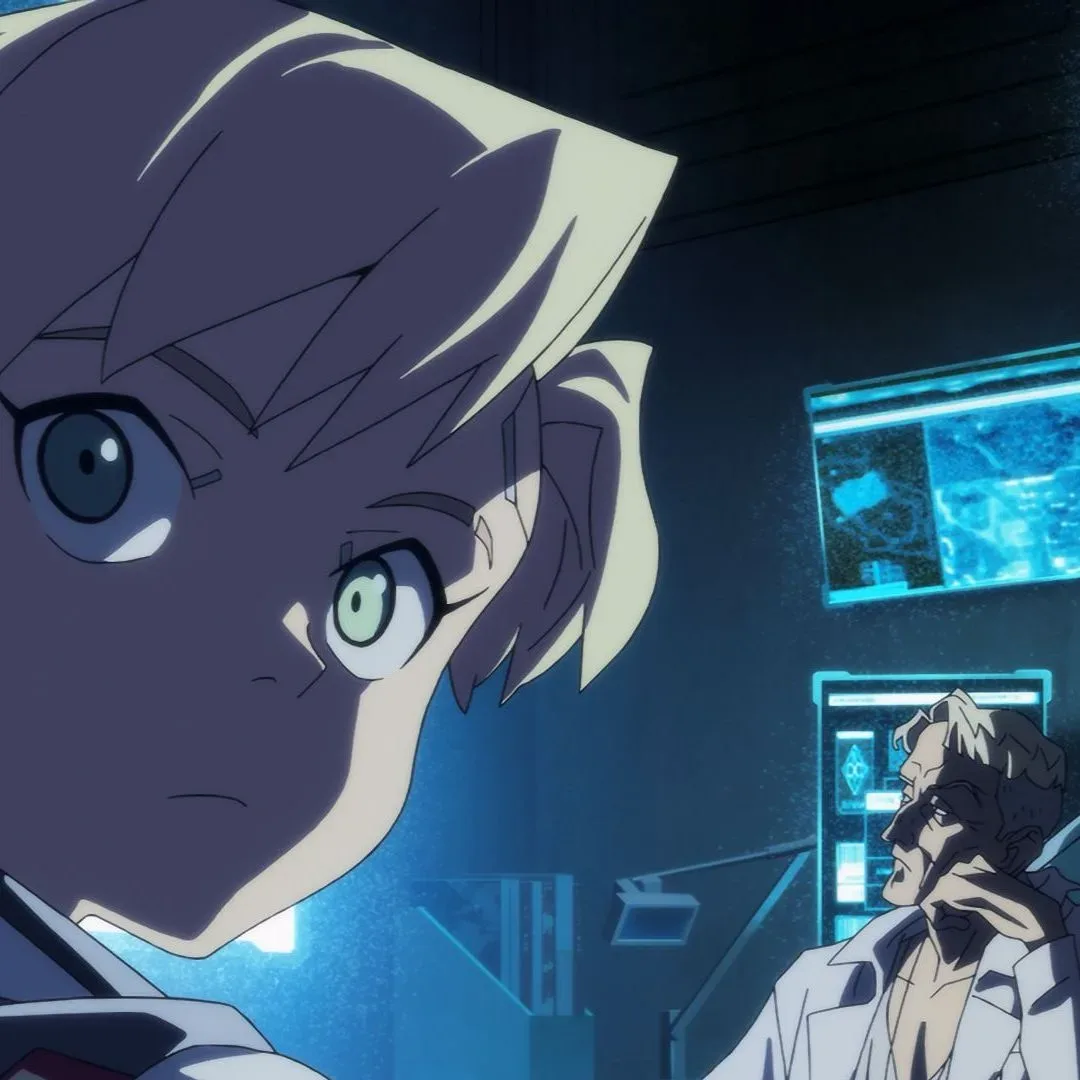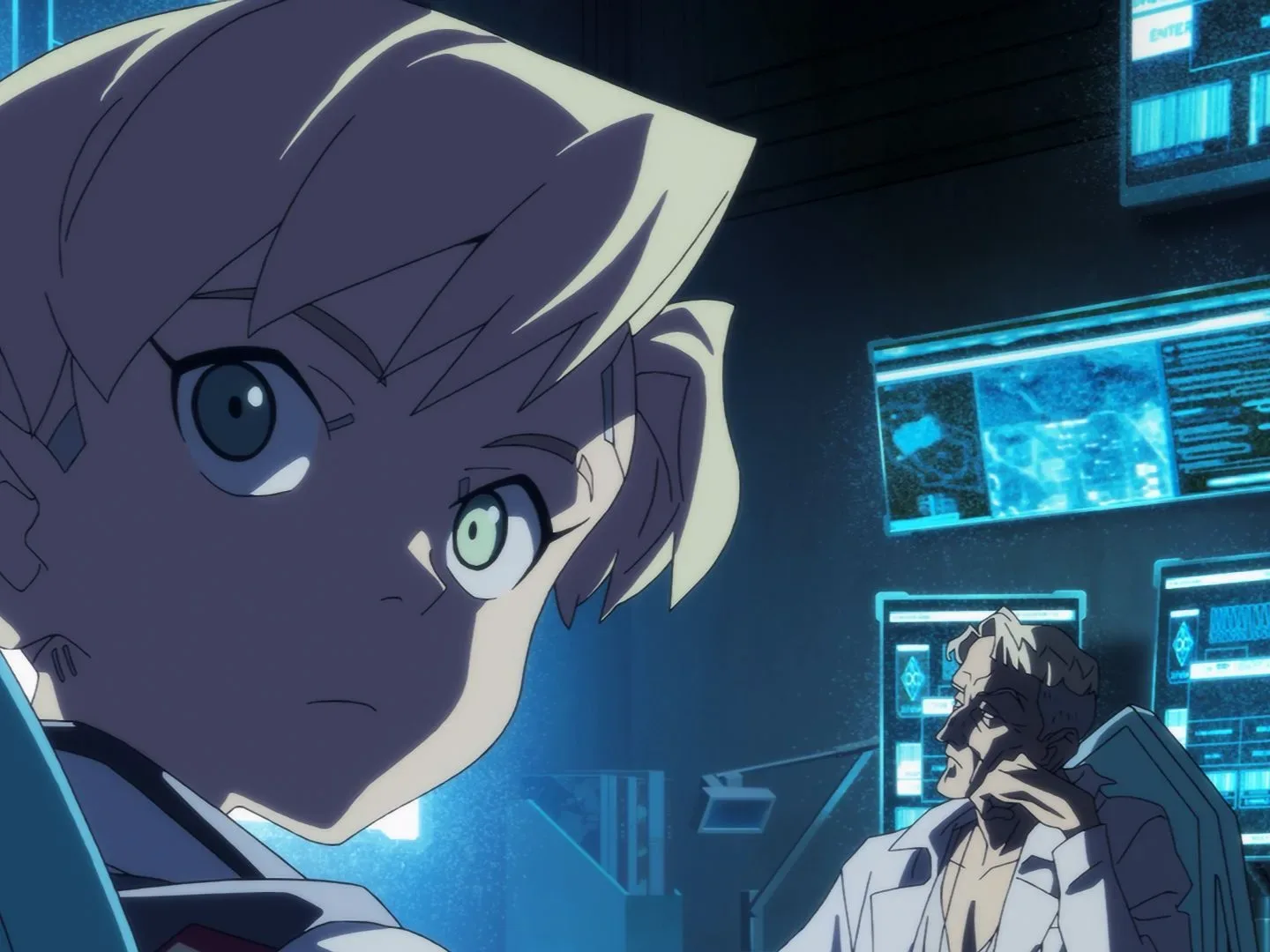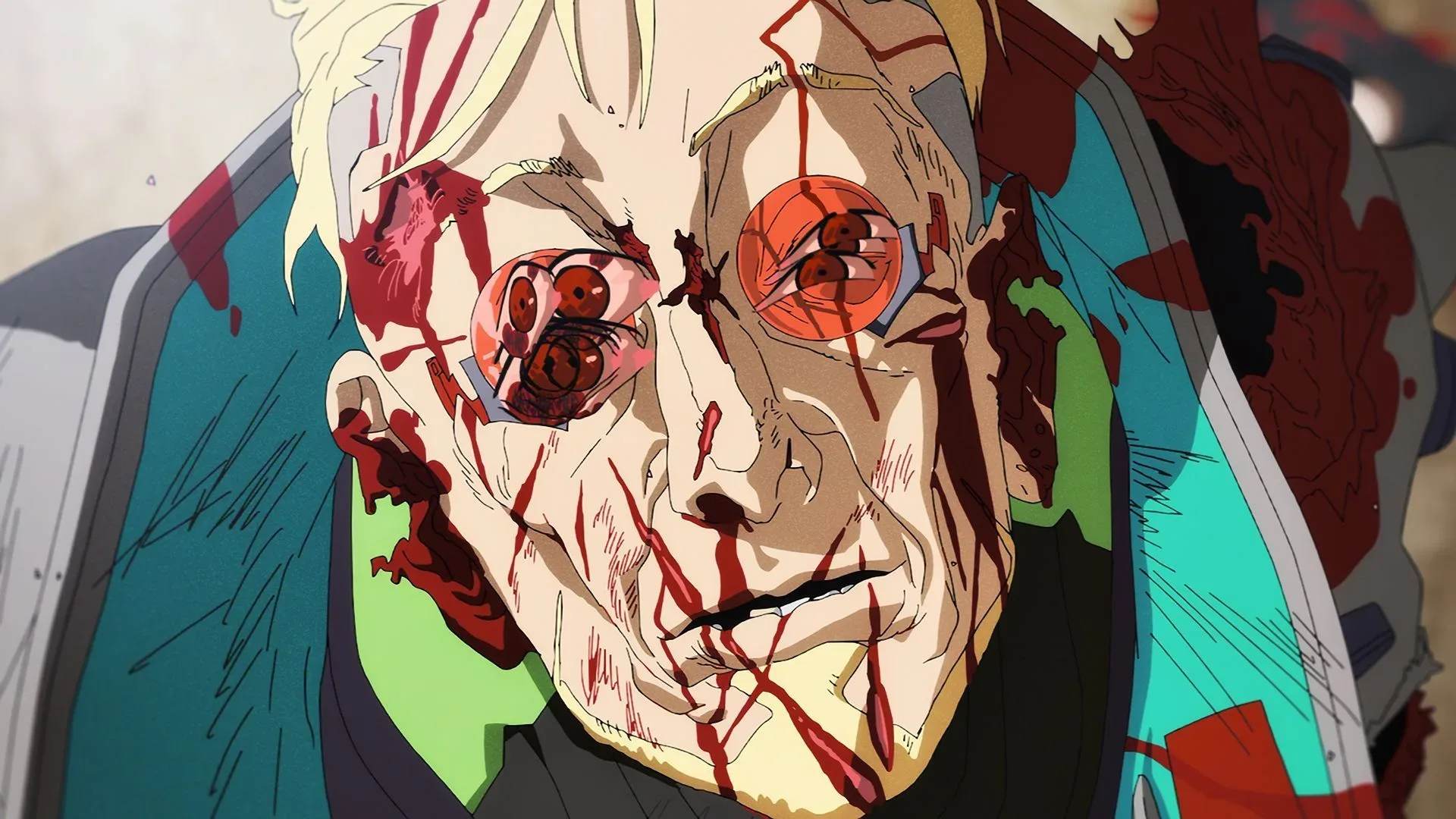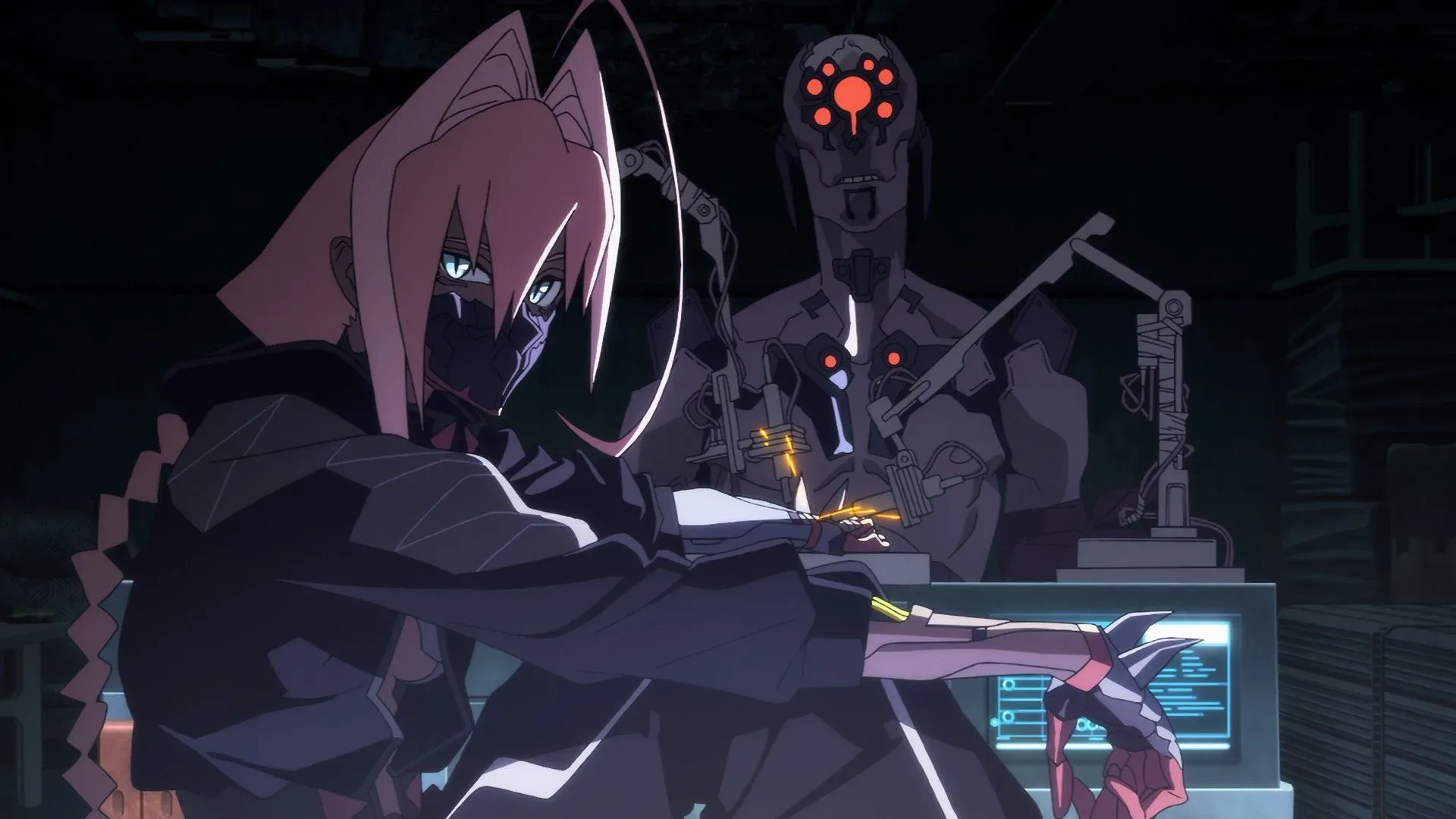
Cyberpunk: Edgerunners season 2 will return to Night City with an unusually game-literate approach to its setting. The animation team at Studio Trigger explored Cyberpunk 2077 using a “virtual camera” to identify locations that suited the new season’s scenes, rather than having every landmark prescribed on the page.
That method came from director Kai Ikarashi, who travelled through the game’s version of Night City while looking for spaces that could serve the story. Showrunner and creator Bartosz Sztybor explained that Studio Trigger knows the city exceptionally well, to the point that he does not need to put specific locations into his scripts. The expectation is that the team will locate an appropriate in-game setting for a scene themselves.
It is a small production detail with a big potential payoff for players. Night City is not simply a background in Cyberpunk 2077; it is a dense, navigable space built from streets, towering housing blocks, businesses and recognizable gathering places. Scouting it from within the game means season 2 may make its locations feel less like generic cyberpunk scenery and more like particular places viewers have driven past, fought near or visited during their own playthroughs.
A virtual camera, not a random backdrop search
“Virtual camera” is a useful term here. It does not mean the series is using raw game footage as animation. In this context, it describes using the game world as a digital scouting environment: a place where the director can move through Night City, assess sightlines and surroundings, and consider which area has the right atmosphere for a story beat.
For more context, explore Deshae Frost Stops YK Osiris in Round Two at Brand Risk 16 After Slap Feud.
That is close in spirit to physical location scouting for live-action film or television. A production team might visit real streets to decide whether an alley feels sufficiently enclosed, whether a building gives a scene a distinctive silhouette, or whether a storefront establishes the right mood before dialogue begins. The significant difference is that Ikarashi could perform this search within the playable city of Cyberpunk 2077.
For animation, the selected environment would still need to be recreated in the show’s own visual language. The value of the game as a scouting tool is therefore not just accuracy. It gives the team an enormous visual catalogue of Night City spaces that already share the world’s architecture, signage, density and sense of scale. That is especially useful when the script specifies the dramatic purpose of a scene without requiring a named destination.
Sztybor likened Ikarashi’s process to Roman, one of season 2’s newcomers, who is described as camera-wielding. It is an apt parallel: both the character and the director are, in different ways, deciding where to point a lens. Roman’s role is a narrative one; Ikarashi’s work is a production choice. Yet the overlap suggests that season 2’s interest in framing Night City may be built into both its story and its visual construction.
Why leaving locations out of the script can be a strength
A script does not necessarily need to name every street corner to be specific. It can establish what a moment needs to accomplish: isolation, intimidation, movement, spectacle, danger or a pause amid the city’s noise. The production then identifies a setting whose visual qualities reinforce that purpose.
In this case, Sztybor’s approach gives Studio Trigger latitude to make location choices after considering the scene rather than before. A setting can be chosen because its roads create a compelling route, because a building makes a character look small, or because a busy commercial strip better communicates the pressure of life in Night City. None of those details require the show to pause and label the venue for the audience.
That freedom matters because an adaptation can be faithful without mechanically reproducing a checklist of famous landmarks. A recognizable location is most effective when it works within the scene. The virtual-camera scouting process appears designed to prioritize exactly that: find the part of the city that fits, then turn it into animation.
It also makes the team’s fandom of the game practically useful. Being familiar with Night City means knowing more than its headline destinations. It means recognizing that a lesser-known road, façade or cluster of shops may have the composition a scene needs. Season 2 could consequently reward attentive players not only with obvious returns, but with highly specific environmental details.
Season 1 established the value of recognizable Night City
The first season already demonstrated how effective familiar places can be. It brought locations including Afterlife, Tom’s Diner and Megabuilding H4 into the animated series. Each is a meaningful reference point for players, but each can also function immediately for someone who has never loaded the game.
Afterlife is recognizable as a gathering spot. Tom’s Diner has a more intimate, everyday character. Megabuilding H4 communicates the enormous vertical scale and lived-in density associated with the city. Their inclusion was not merely an exercise in placing Easter eggs on screen; these locations help establish the varied rhythms of Night City.
Season 2 is expected to extend that approach. The scouting process suggests viewers may be able to identify exact street corners and storefronts, not only the city’s best-known destinations. That creates two parallel experiences. New viewers can absorb a city that appears coherent because its spaces have been selected with care. Players can experience the extra spark of recognition that comes from spotting somewhere they know.
There is an important distinction between recognition and required homework, however. The series does not need viewers to know why a particular corner matters in the game. If the animation, staging and storytelling do their job, the location should serve the episode on its own. Familiarity simply adds another layer for people who have spent time in Night City.
What players should and should not expect
Players should reasonably expect a closer eye on the geography of Cyberpunk 2077’s city—particularly its streetscape, storefronts and smaller visual landmarks. The material supports the idea that the team deliberately looked for locations inside the game and selected them based on narrative fit.
It does not establish that every place in the new season will be a one-to-one reproduction, that the plot will visit a particular neighborhood, or that viewers will receive an official guide to each on-screen setting. Animation must make its own compositional choices, and the stated goal was to find places that work for the story rather than to provide a sightseeing tour.
That is arguably the more promising balance. A city used only as reference material can become an exercise in identifying assets. A city used only as vague inspiration can lose the character that made it memorable. Using the game as a scouting ground offers a middle path: the anime can retain Studio Trigger’s distinct animated energy while anchoring scenes in a version of Night City players recognize.
The technique also underlines why video-game settings can be valuable beyond their original games. A fully realized interactive city already contains countless possible viewpoints. It has roads that imply motion, interiors that suggest private lives, and commercial spaces that make a fictional economy feel visible. Directors can search those places much as a player does, but with a scene’s mood, framing and narrative function at the front of their mind.
For more details on this location-scouting approach, the reported virtual-camera process offers the same core picture: Night City itself became a practical tool for choosing the series’ animated settings.
A new crew will see a more precisely observed city
Season 2 introduces Weak Kingsley, Roman, Talia and D. Their stories will unfold in a Night City selected not just for visual familiarity, but for the role individual spaces can play in the drama. Roman’s camera-bearing premise also gives the season a potentially interesting internal echo of the production process that found those locations.
For returning players, the pleasure may be in pausing over a familiar façade or instantly recognizing a road that was once part of their own route through the game. For everyone else, the benefit is less technical but just as valuable: a city that feels observed rather than assembled from interchangeable neon towers.
Cyberpunk: Edgerunners season 2 arrives on Netflix on October 20. Its virtual-camera scouting process will not determine whether the story succeeds, but it gives the season a strong foundation. Night City is being treated as more than a brand backdrop: it is a place the creative team can explore, frame and use with intention.