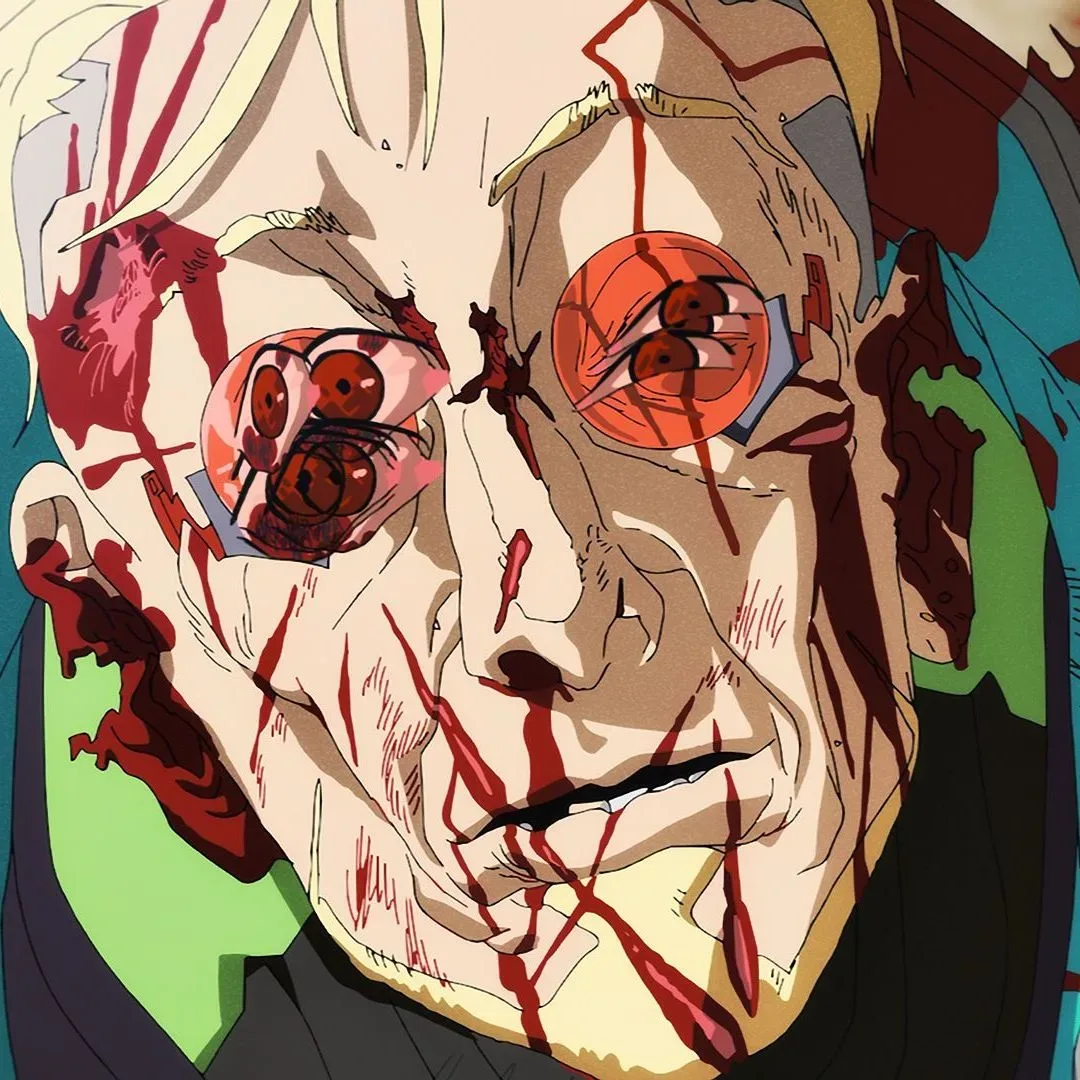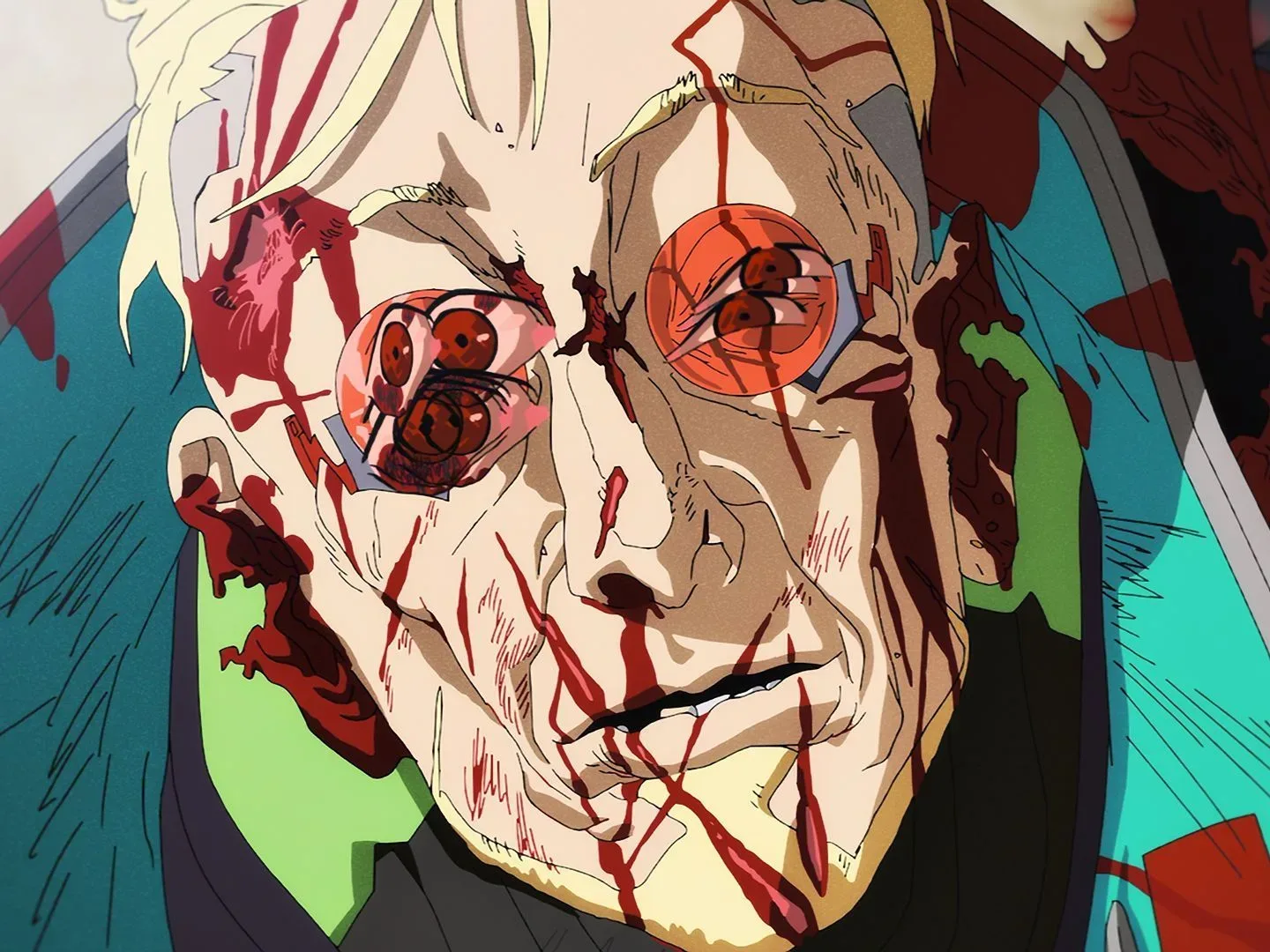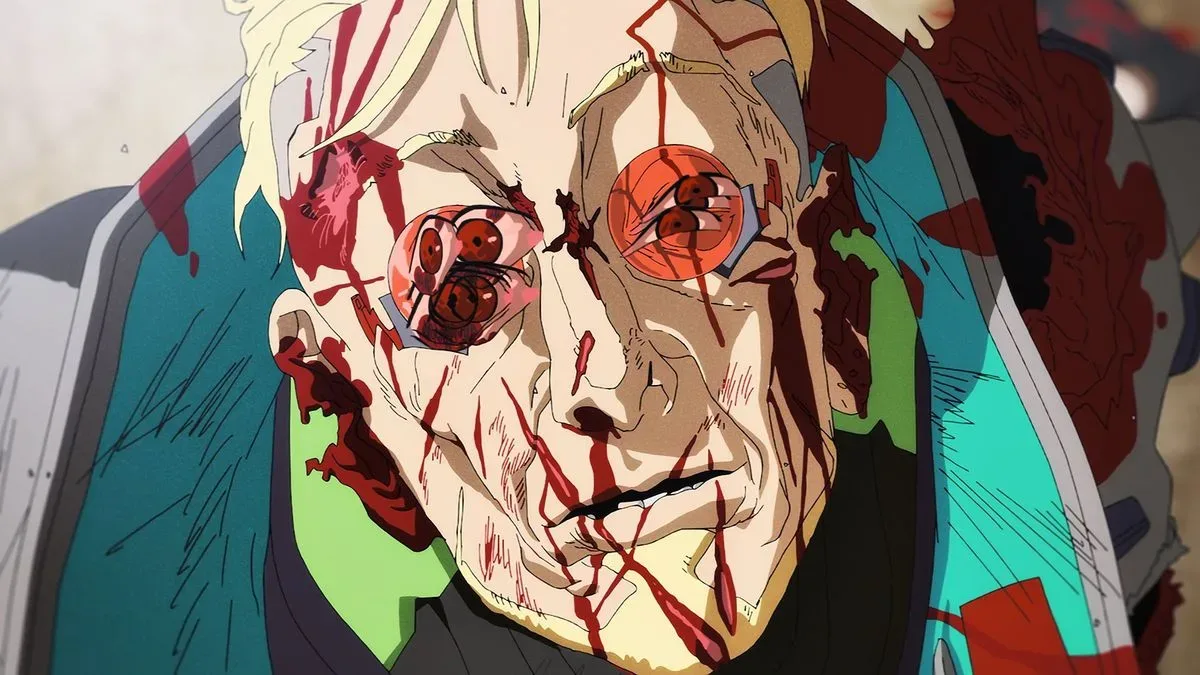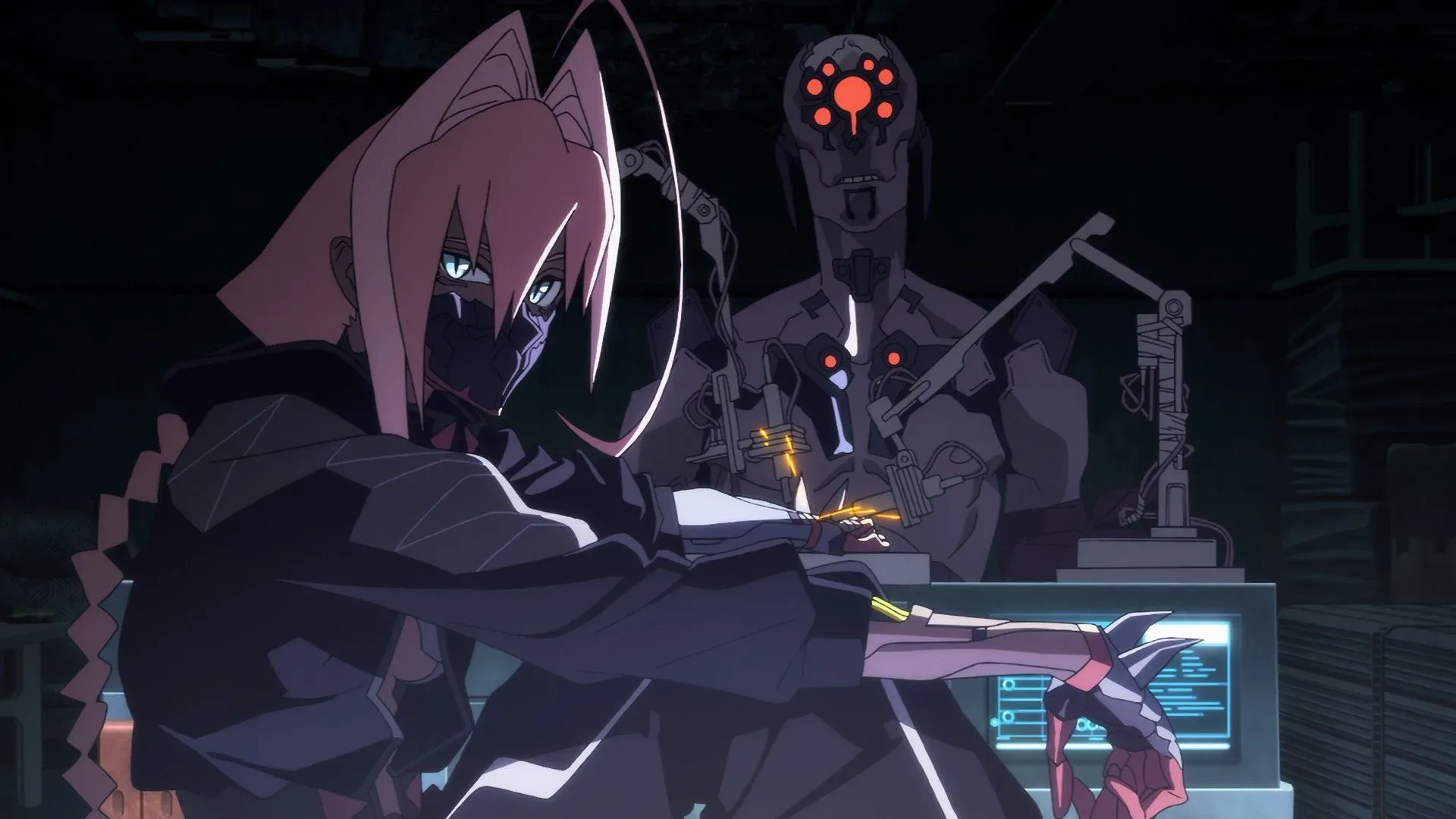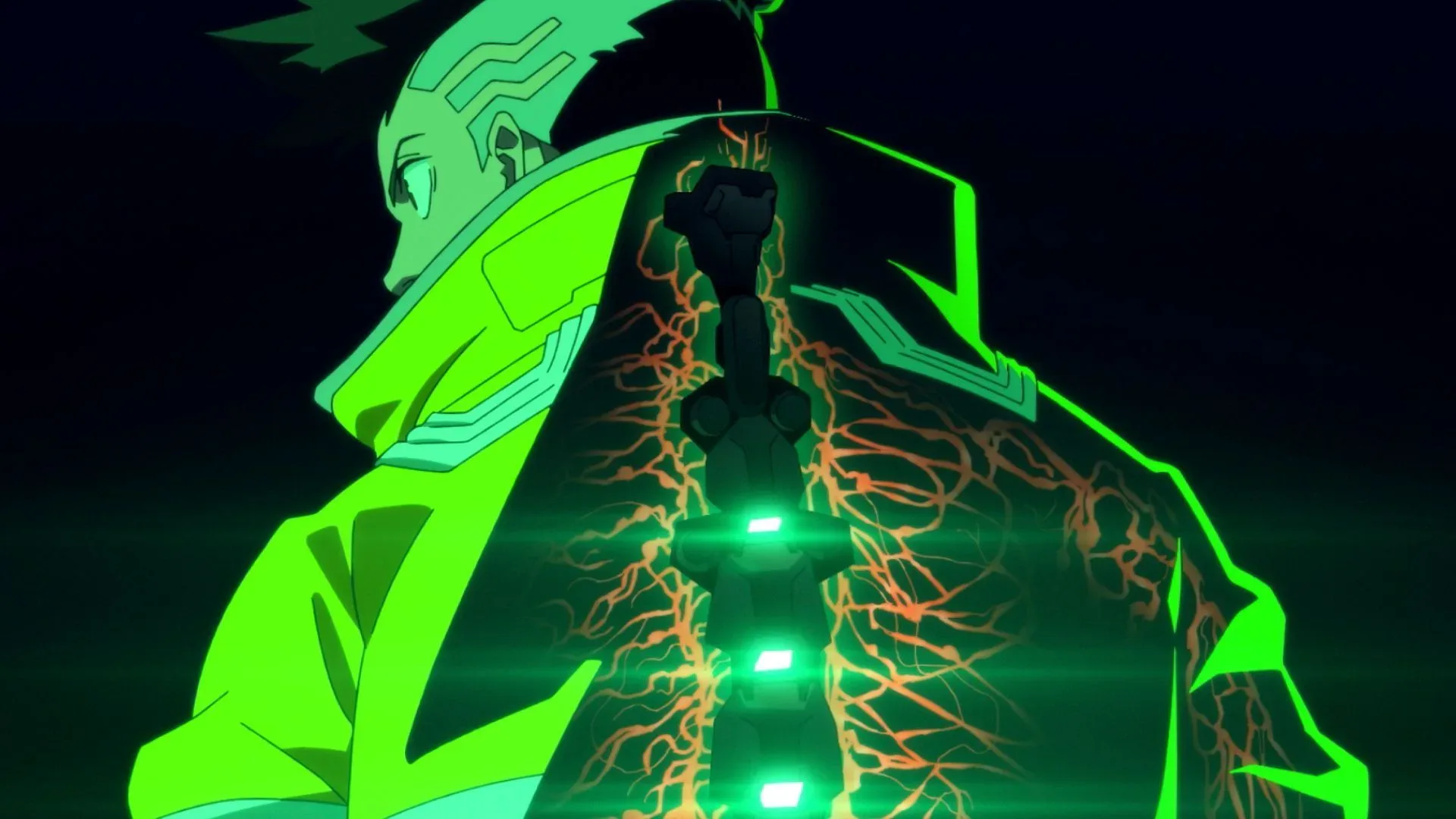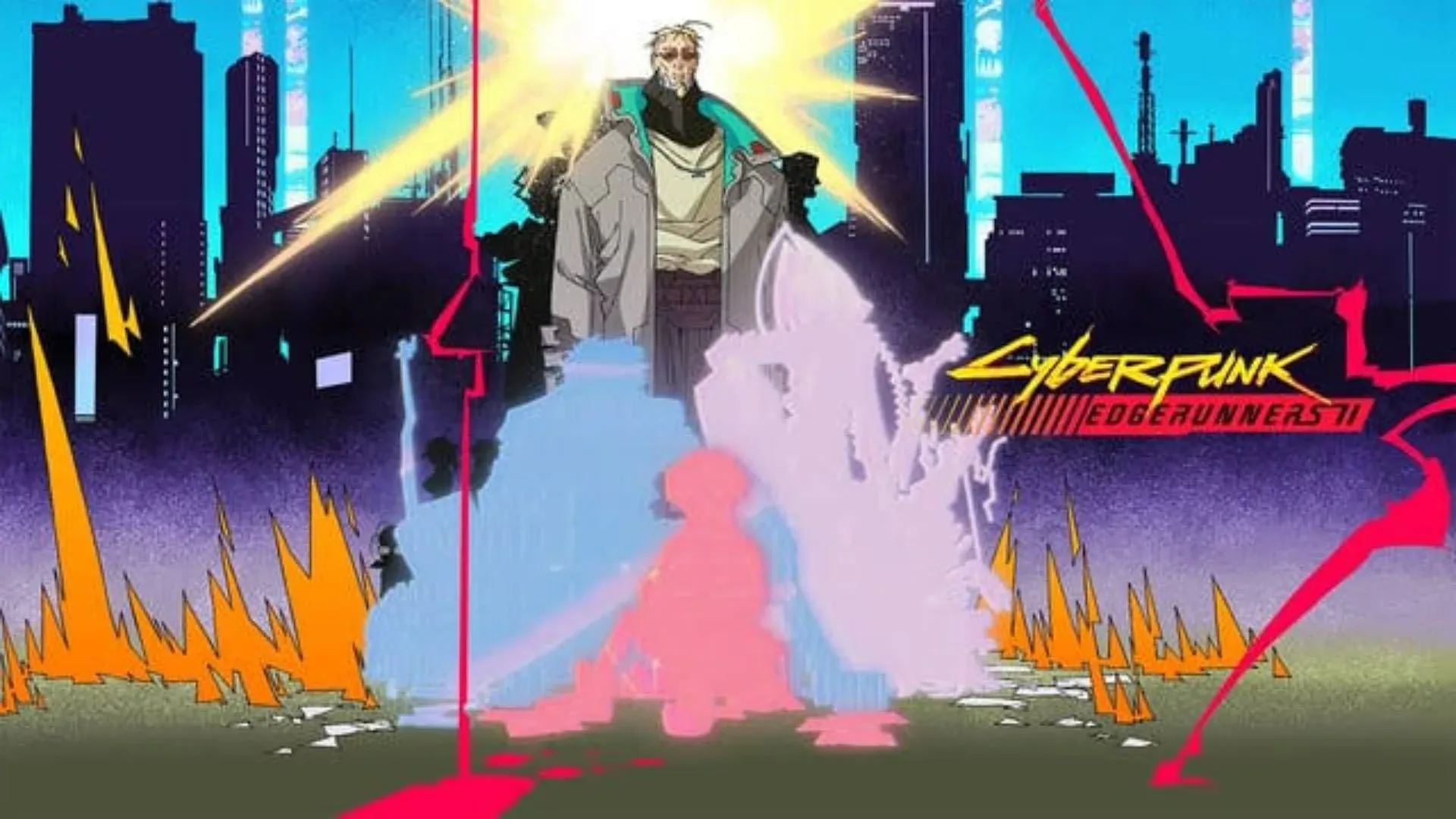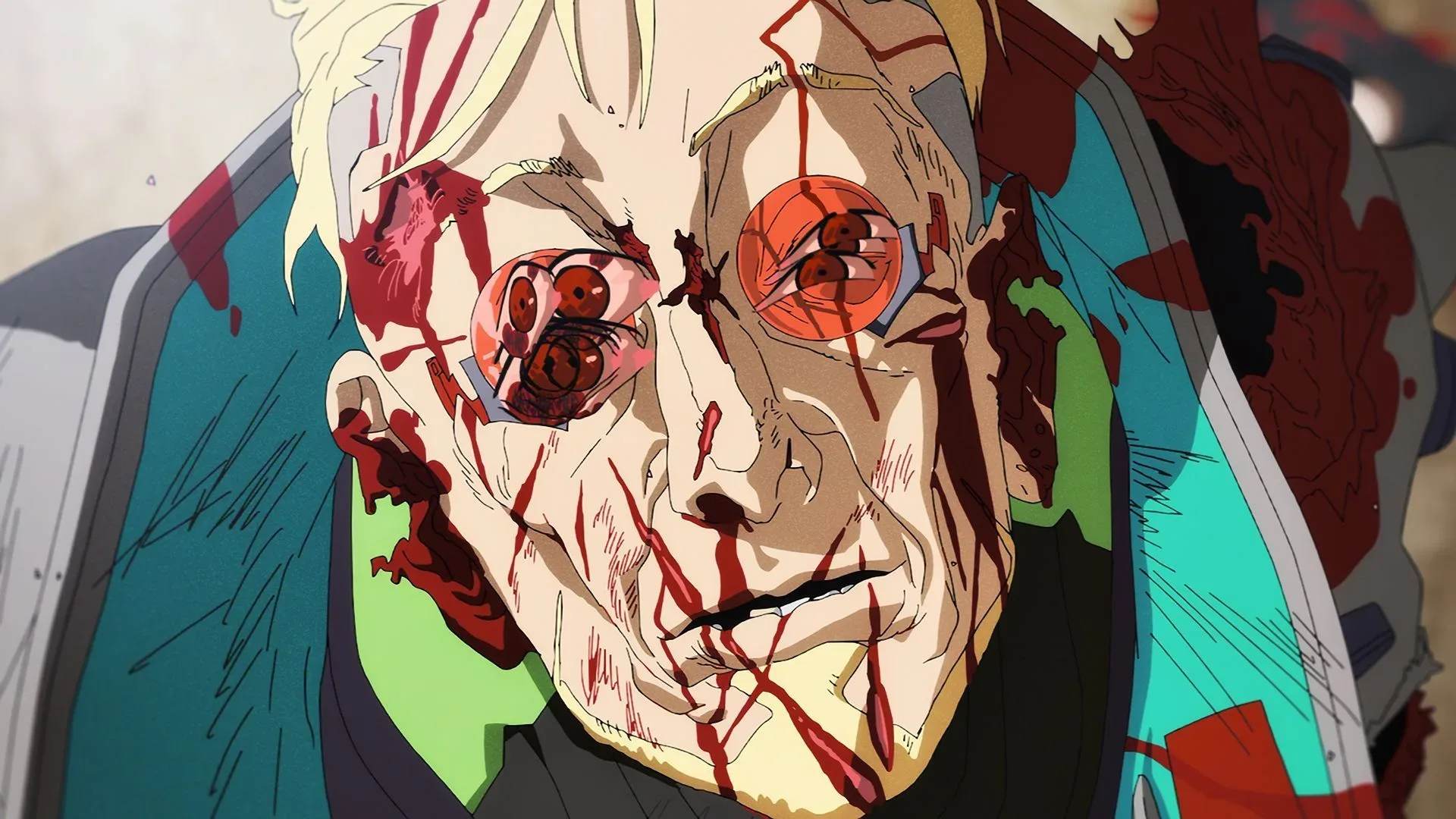
Cyberpunk: Edgerunners season 2 is not bringing David Martinez back, but it is using the idea of his possible future as a foundation for a new Night City tragedy. Creator Bartosz Sztybor has described the new season as being in “constant dialogue” with the first, even as it moves to an entirely different cast. The clearest bridge is Weak Kingsley, a veteran edgerunner voiced in the English dub by Clancy Brown.
The premise behind Weak is deliberately pointed. Sztybor recalled considering an alternate path while writing the first season: what if David had survived and, years later, become a celebrity edgerunner? That thought did not fit David’s tragic, flawed arc. But it did provide the starting point for a different character—one who has already reached the top and now exists beneath the weight of his old reputation.
That makes season 2 a continuation in theme rather than a direct continuation in plot. David’s story remains over. Night City, however, is big enough to keep producing people who reach for status, become symbols, and discover that being remembered is not the same as being safe.
From “zero to hero” to “hero to zero”
Sztybor has boiled down the contrast between the seasons with an especially useful pair of phrases: season 1 is “zero to hero,” while season 2 is “hero to zero.” It is a sharp change in dramatic direction.
The first formulation describes a rise: an inexperienced or marginalized figure gains power, notoriety, and a place among larger-than-life players. The second starts after that climb has already happened. Weak Kingsley was once at the peak of his profession, but is now described as living in the shadow of former glory. The question is no longer whether he can become important. It is what is left when importance has faded—or when the person who once mattered is unable to live up to the story people tell about him.
An edgerunner, in the language of this world, is a high-risk operative working around Night City’s criminal and corporate power structures. The term carries an implication of precariousness: these are people who survive through dangerous jobs, reputation, and the ability to stay useful. A veteran edgerunner therefore has more than combat experience or professional scars. He has a public past, expectations attached to his name, and a history that can become a trap.
Weak’s setup suggests the second season will examine what comes after a person becomes a legend. In a city built around spectacle, fame can look like protection from a distance. Up close, it may simply make every decline more visible.
A David Martinez what-if, not a resurrection
The David connection is important precisely because it is indirect. Season 2 is not positioned as a reversal of the first season’s ending, nor as a hidden continuation of David and his crew’s confrontation with Arasaka. The creative team instead began developing other characters and stories with Studio Trigger, treating Night City as a setting capable of holding many separate narratives.
Related coverage includes Cyberpunk: Edgerunners Season 2 Turns Night City's Rise Into a Fall.
That distinction should help set expectations. “Constant dialogue” does not mean a sequel needs to repeat the same plot, bring back the same cast, or provide a literal answer to every consequence of season 1. It means the new story can respond to the earlier one—by reframing similar ambitions, pressures, and failures through someone at a different stage of life.
David’s hypothetical survival was not imagined as a clean victory. Sztybor’s point was that David’s flaws and tragic nature would still have led to trouble. Weak Kingsley appears to carry that idea into season 2 in a more developed form: a person who may embody the grim future that can follow celebrity, success, and prolonged survival in Night City.
This is also a more interesting use of continuity than simply extending a cliffhanger. Rather than asking viewers to retrace David’s footsteps, season 2 can test whether the city’s machinery creates the same kinds of broken figures again and again. The new cast gives that question room to stand on its own, while Weak’s premise preserves a recognizable emotional link to what came before.
Night City’s spotlight is part of the danger
The official setup for season 2 frames Night City as a place that thrives on the spectacle of violence and asks what extremes someone must reach to make their story matter when the world is blinded by that spectacle. That wording pairs naturally with Weak’s fallen-star position.
“Spectacle” here means violence transformed into something watched, circulated, and valued for attention rather than human cost. For someone trying to become known, visibility may seem like a route to power. But the same attention economy can demand escalation. A name must keep making noise to remain meaningful; an old legend can be treated as yesterday’s entertainment the moment a newer story arrives.
The season’s “hero to zero” idea also complicates the usual fantasy of lasting prominence. It implies that success is not an ending. A former top player can become defined by the gap between who he was and who he is now. For Weak, the shadow of former glory is not merely backstory—it is the central pressure of the character.
That outlook is consistent with the stated desire to connect the new story to the aftermath of season 1 without reopening David’s completed arc. The aftereffects need not be limited to a single event or surviving character. They can be cultural and personal: Night City keeps consuming lives, turning exceptional people into stories, and leaving the next generation to confront what those stories cost.
What the new-season approach means for returning viewers
For viewers attached to David’s crew, the confirmation is straightforward: David’s story will not continue. The stated position is blunt—David is dead, while Night City lives on. Season 2 should therefore be approached as another entry in the setting, not a promise of a conventional continuation.
That does not make season 1 irrelevant. On the contrary, the new season’s central creative premise asks viewers to remember the trajectory of David’s rise and imagine what a later, uglier chapter might have looked like. Weak serves as the answer to that hypothetical without overwriting the original ending.
There is a practical advantage to the anthology-like approach as well. New viewers have a fresh character group and a clearly stated conflict to follow, while returning viewers have thematic echoes to track. It also gives Night City room to feel larger than one crew or one corporate showdown. The city becomes the shared constant: a place where different lives may follow different routes but still collide with the same incentives—status, notoriety, violence, and the pressure to matter.
Anyone mapping out the release can find the available timing and episode-drop information in our Cyberpunk: Edgerunners season 2 release schedule guide.
Weak Kingsley is the key to the season’s continuity
Clancy Brown’s Weak Kingsley is currently the most explicit lens through which to view season 2’s relationship with season 1. He is not David Martinez, and the season is not suggesting otherwise. He is a character born from the uncomfortable possibility of what David’s fame might have become if he had lived long enough to outlast his moment.
That is a powerful premise because it preserves the first season’s tragedy instead of trying to escape it. David’s fate remains fixed, but the underlying problem survives: Night City can reward people with recognition, then make that recognition unbearable. Weak’s fall may show the other side of an edgerunner fantasy—the part after the ascent, when survival itself has not delivered freedom.
Cyberpunk: Edgerunners season 2 arrives on Netflix on October 20. Its new cast and story will have to establish their own stakes, but the creative direction is already clear. This is not David Martinez’s next chapter. It is Night City asking what happens when the person who once became a hero has nowhere left to go but down.