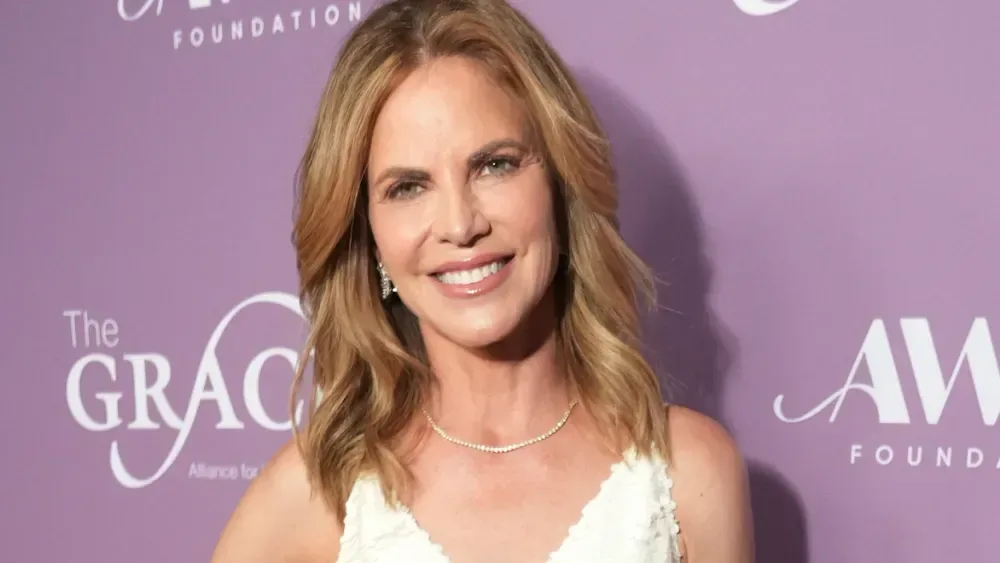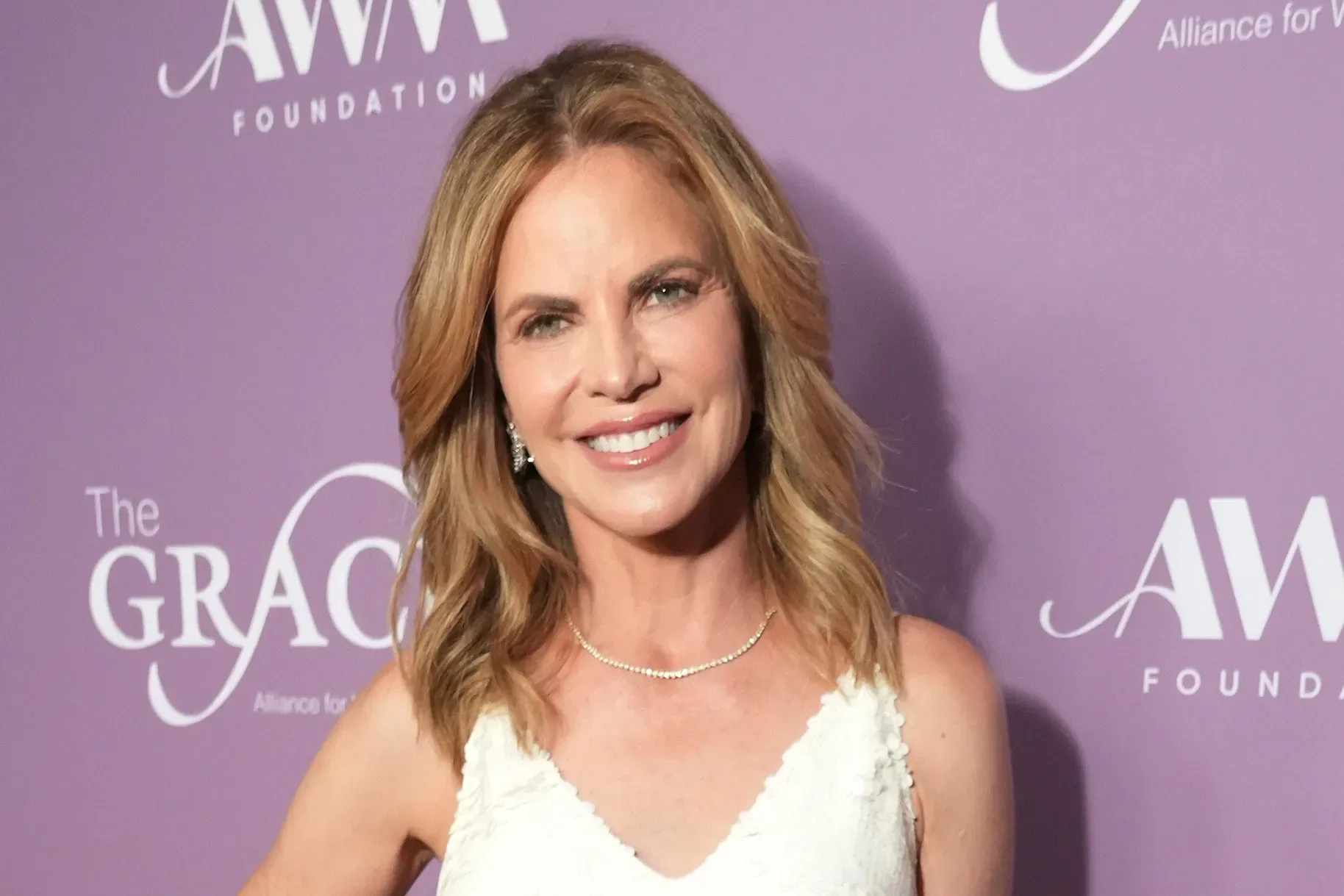
Natalie Morales is set to join the Flow Space Women’s Health Summit in Los Angeles on Thursday, Oct. 15. The one-day event brings together advocates, clinicians and other speakers around a deliberately broad set of women’s-health subjects, from cancer screening and intimacy to hormone care, GLP-1s, wearable devices and artificial intelligence.
Morales’ participation connects the gathering’s health focus with a familiar broadcast voice. She has spoken publicly about her family’s experience with Alzheimer’s disease and the need for greater awareness. Her television career includes 22 years at NBC News, where she served as West Coast anchor of Today and contributed to Dateline NBC and NBC Nightly News. More recently, she was a co-host and moderator of CBS’ The Talk, which concluded in December 2024.
The summit is scheduled for 9:30 a.m. to 3:30 p.m. at 11355 West Olympic Blvd. in Los Angeles. Cait Kiernan, Flow Space’s editorial director, and Lauren Iannotti, SHE Media’s chief content and live media officer, are slated to host.
A program built around questions, not a single headline
The planned agenda does not narrow women’s health to one condition or treatment trend. Instead, it puts several subjects on the same program: sex and intimacy; hormone health after breast cancer; ovarian cancer; screening and self-advocacy; emerging treatments; and technology including AI and wearables.
That range matters because these are different kinds of conversations. A discussion about a screening concerns ways to look for signs of disease, while self-advocacy concerns how patients raise questions, describe concerns and participate in decisions about their care. A segment on technology, meanwhile, can involve tools that collect or process information rather than a treatment itself.
The event also says it will examine new research and distinguish scientific evidence from hype. That is a useful framing for a schedule that includes fast-moving areas of public interest, particularly peptides and GLP-1s. It signals that the program is not simply treating every new health term as interchangeable with a settled clinical answer.
What the terms on the agenda mean
GLP-1s are a category of medicines frequently discussed in connection with metabolic health and weight management. The summit’s wording refers to the evolving science around GLP-1s rather than promising a particular outcome. That distinction is important: a category label does not tell an individual patient whether a medicine is appropriate, safe or available for their circumstances.
Peptides are short chains of amino acids. The term covers a wide field, so it is not, on its own, a diagnosis, an approved use or a claim of effectiveness. Grouping the subject with GLP-1s points to a larger interest in treatments that are widely discussed online and in popular culture, but the agenda’s evidence-versus-hype approach leaves room for the central question: what is actually supported, and for whom?
Related coverage includes Natalie Morales Set for Flow Space Women’s Health Summit in Los Angeles.
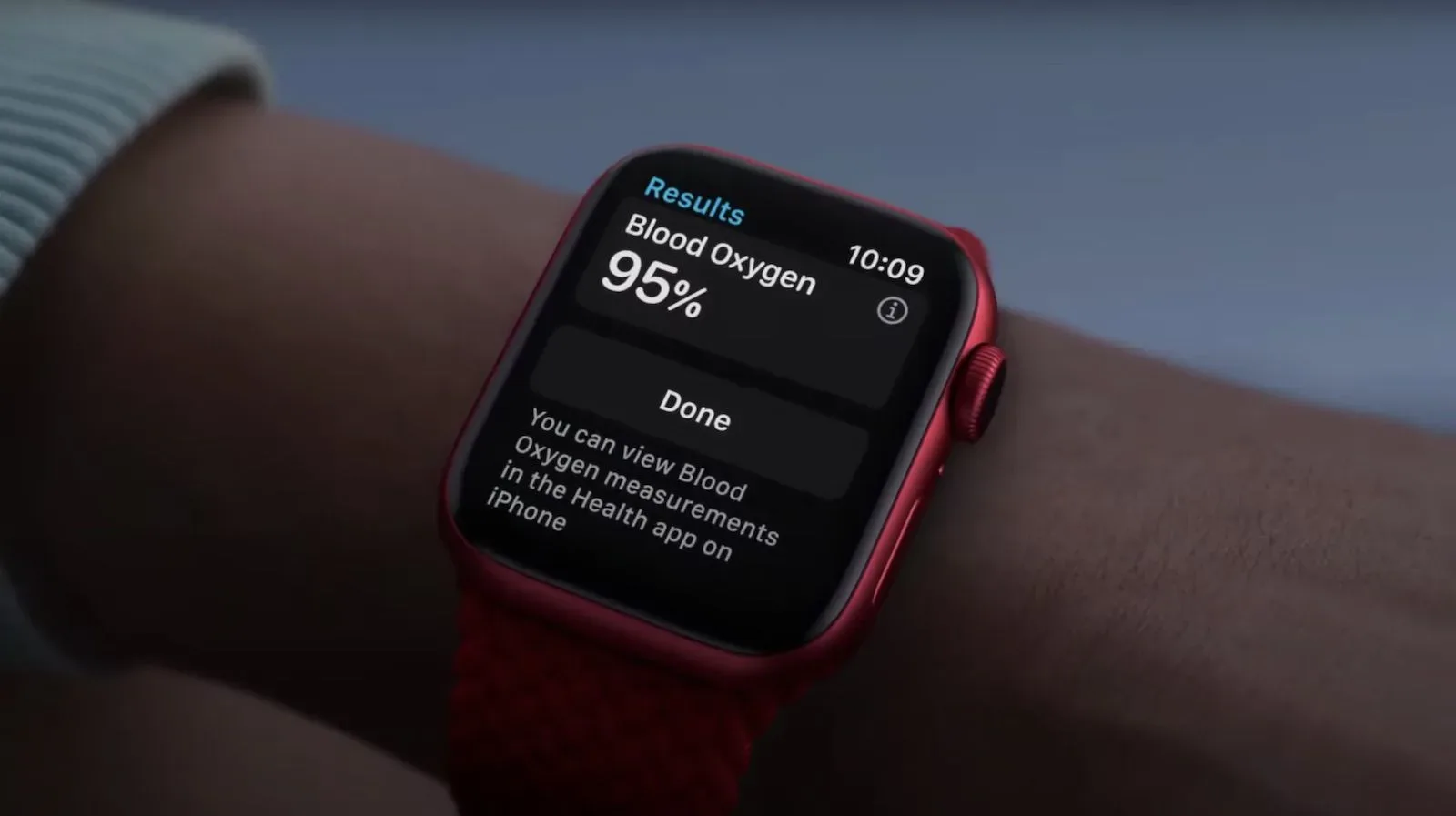
Wearable technology generally means devices worn on the body that can gather information or provide digital functions. The summit is also set to address AI, shorthand for artificial intelligence: computer systems used to identify patterns, generate outputs or help process information. Neither phrase explains a particular medical product on its own. Their inclusion indicates a focus on how newer tools may shape healthcare’s future, not a confirmed endorsement of any individual device or service.
As technology becomes more entwined with personal records, the question of who can access and preserve digital information has a wider relevance beyond health events. That issue is explored in this look at digital legacy tools for photos, messages and other online records. The practical concerns are distinct, but both conversations underscore that technology’s value depends on understanding what it does and how people remain in control of information that matters to them.
Breast cancer, ovarian cancer and patient voice
Two cancer-related areas appear on the schedule: navigating hormone health after breast cancer and ovarian cancer. The first description is especially specific. It recognizes that hormone-related questions can continue after a breast-cancer experience and deserve their own discussion rather than being folded into a generic wellness panel.
The inclusion of ovarian cancer and screening alongside self-advocacy likewise creates room for practical questions about how people engage with healthcare. The available program details do not identify specific guidance, screening recommendations or treatments that will be discussed. Attendees should therefore not read the event listing as individual medical direction. Its stated purpose is to explore research and issues, while personal clinical decisions belong with qualified healthcare professionals who can account for a person’s history and needs.
There is also a meaningful difference between awareness and clinical care. Awareness can help people recognize that a topic exists, learn terminology and prepare questions. Clinical care involves assessment and advice tailored to the person in front of a clinician. Morales’ public Alzheimer’s advocacy, as described in the event information, fits the awareness side of that equation: lived family experience can make a health issue more visible, while experts handle the medical discussion.
Who else is on the roster
Additional announced speakers are Valisia LeKae, Dr. Bayo Curry-Winchell, Dr. Avrum Bluming, Dr. Jen Berman, Dr. Kate Balestrieri and Robin Cohen. The published lineup pairs physicians with advocates and media figures, matching the summit’s attempt to cover both research-oriented subjects and the way health information is encountered in ordinary life.
For audiences used to health coverage arriving in fragments—one medication trend, one device, one awareness campaign—the value of a single-day agenda is potential context. The program can place topics that are often siloed beside one another: clinical questions around cancer and hormones, conversations around sex and intimacy, and the promise and uncertainty surrounding emerging technologies.
That does not eliminate the need for careful interpretation. “Innovation” is a broad word, and newness by itself is not proof of benefit. Likewise, a prominent public figure can draw attention to an issue without replacing expert explanation. The strongest through-line in the announced program is therefore not a miracle fix or a single trend. It is the stated effort to sort evidence from buzz while giving several difficult, sometimes personal health subjects room for focused discussion.
Event details
- Event: Flow Space Women’s Health Summit
- Date: Thursday, Oct. 15
- Location: 11355 West Olympic Blvd., Los Angeles
- Doors open: 9:30 a.m.
- Programming ends: 3:30 p.m.
- Hosts: Cait Kiernan and Lauren Iannotti