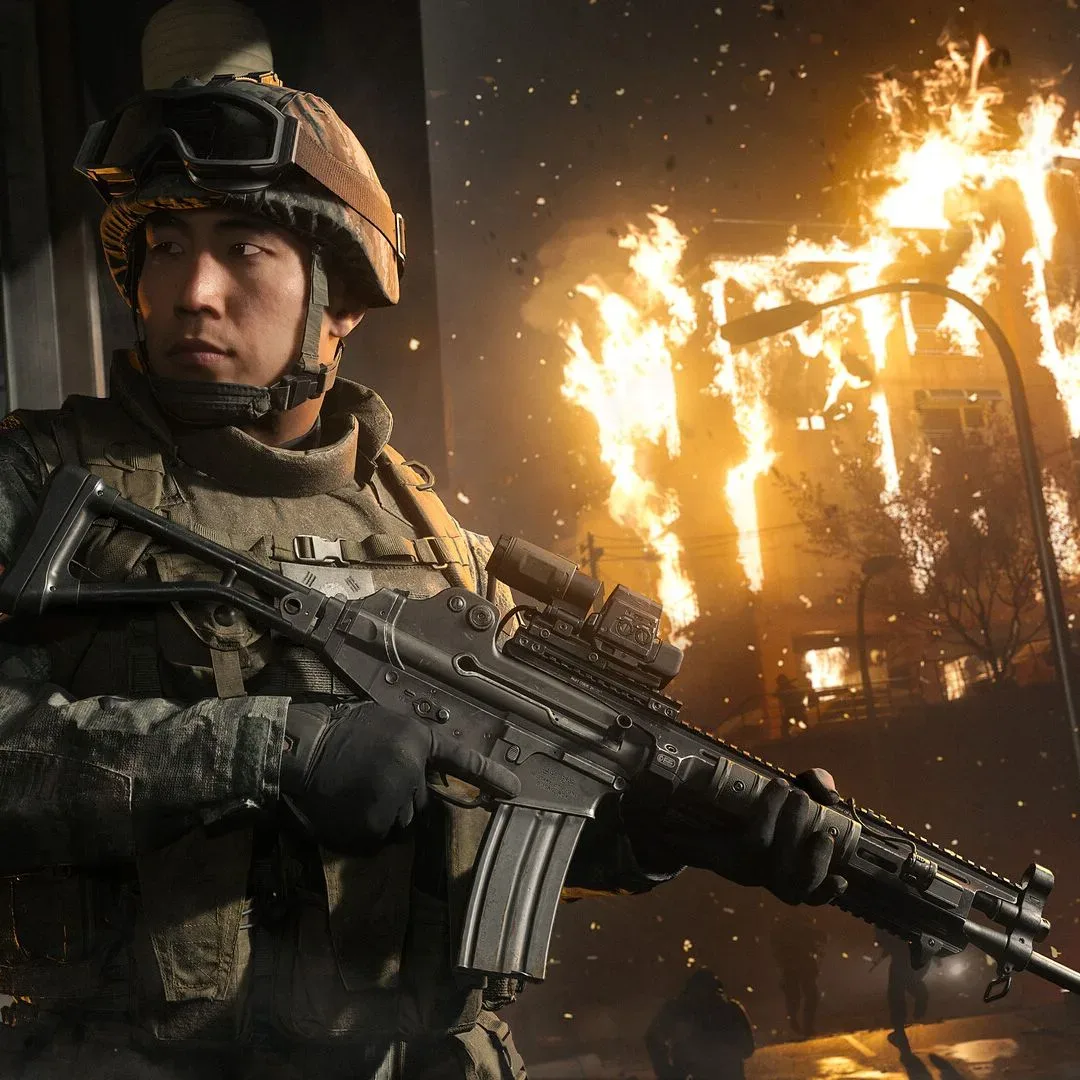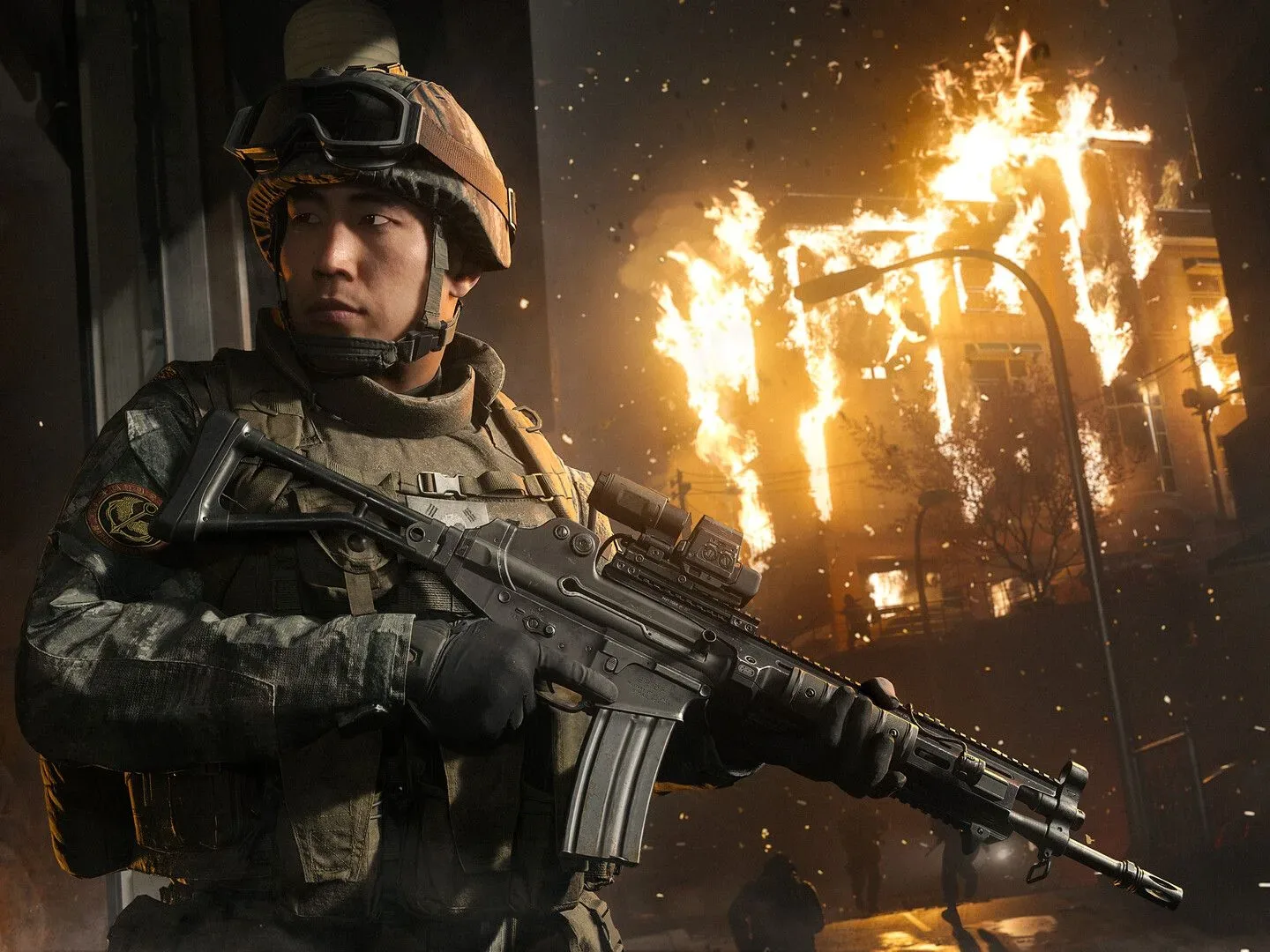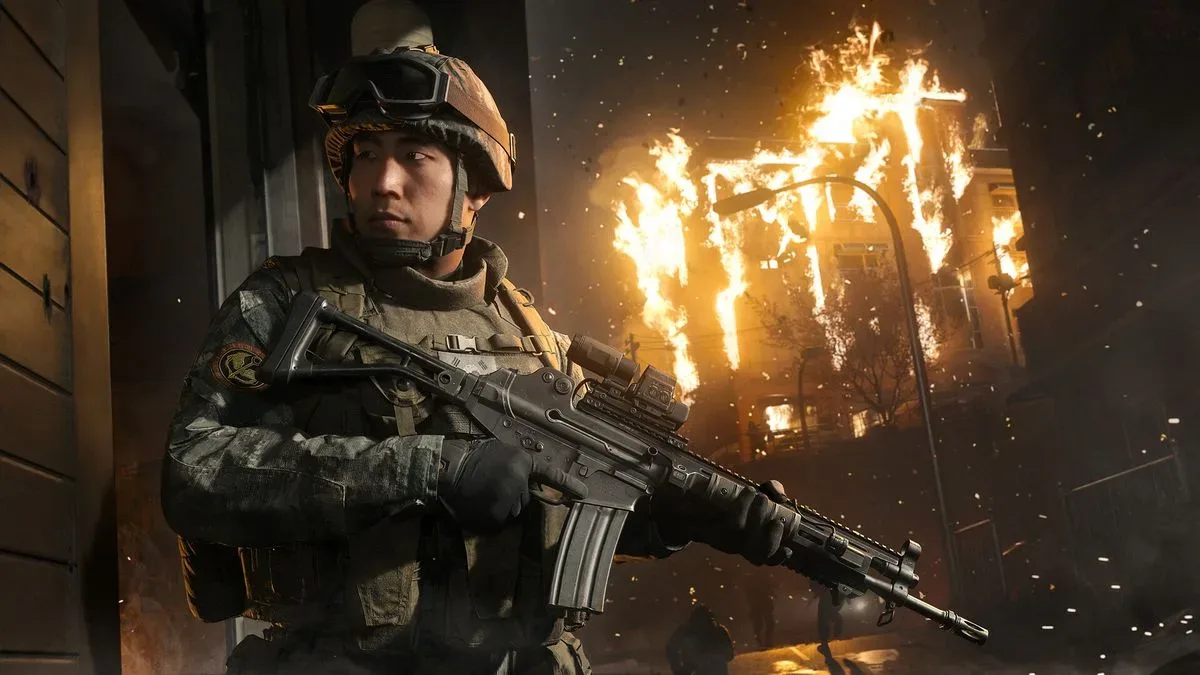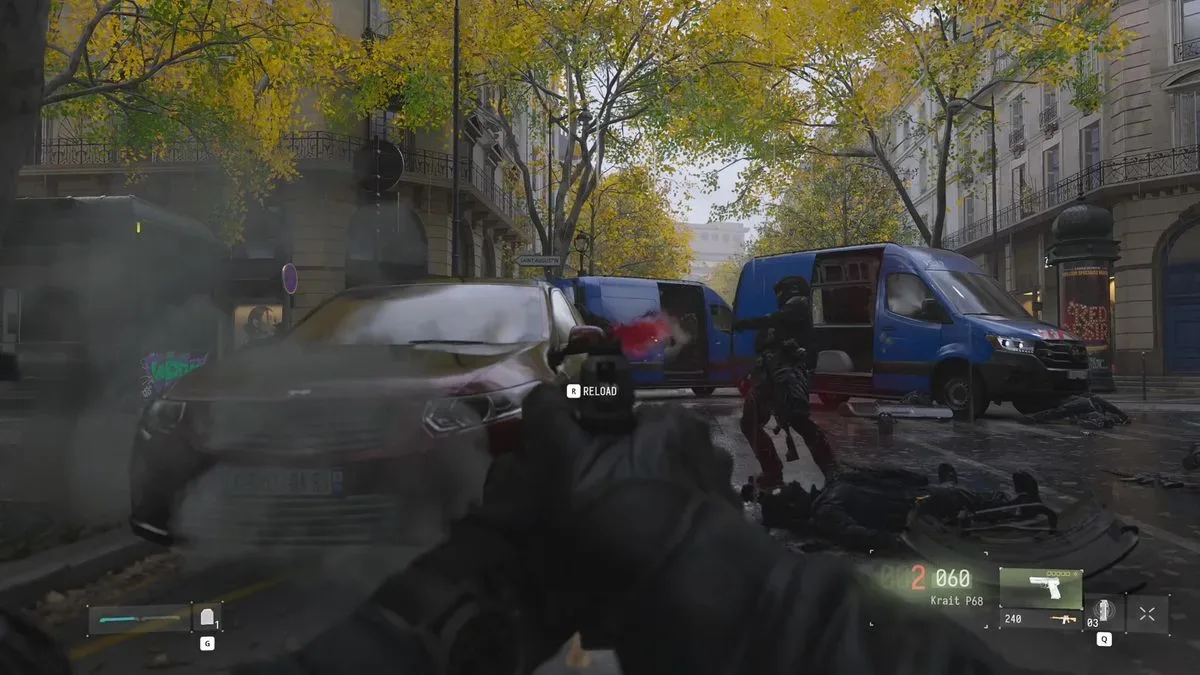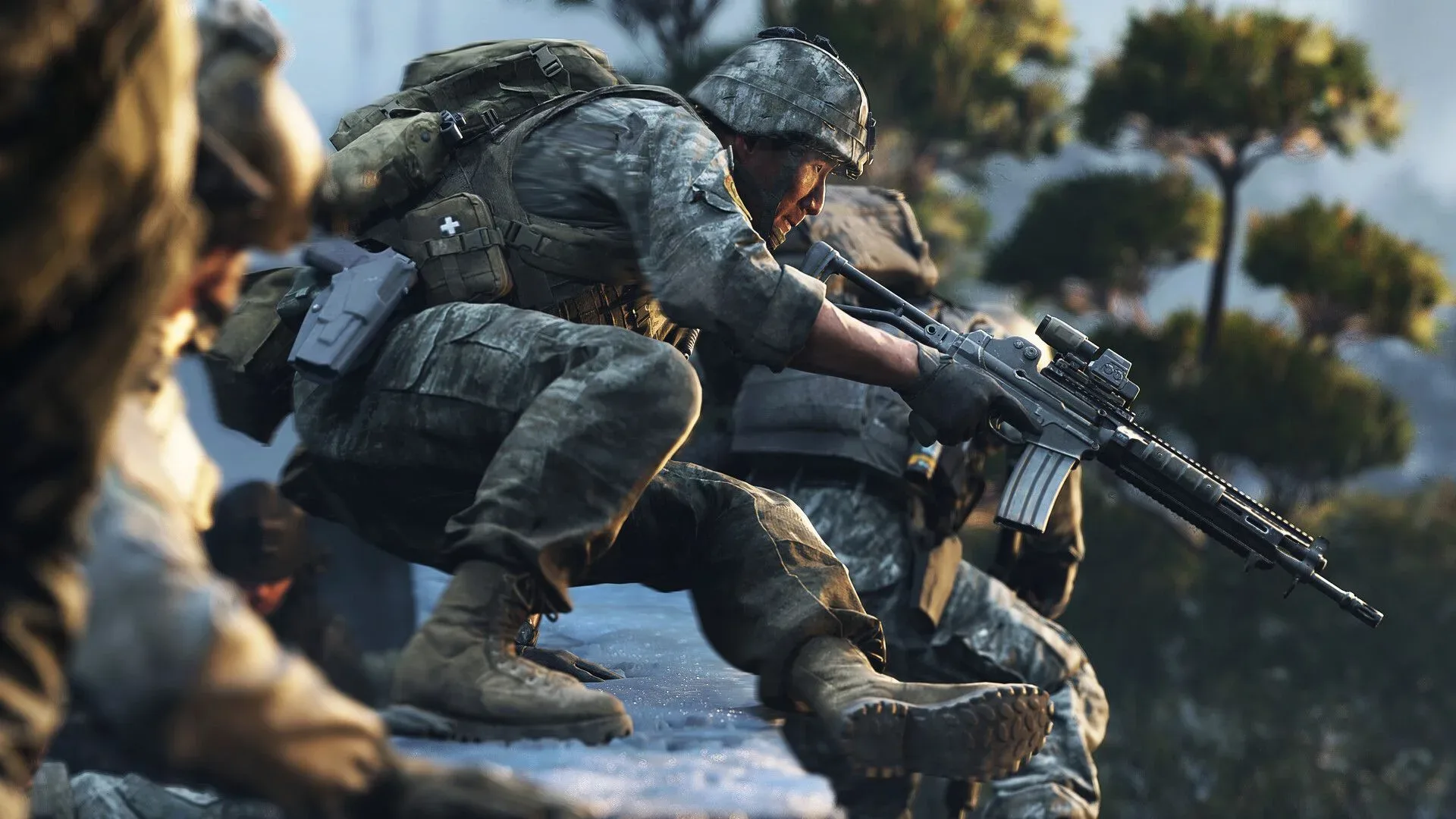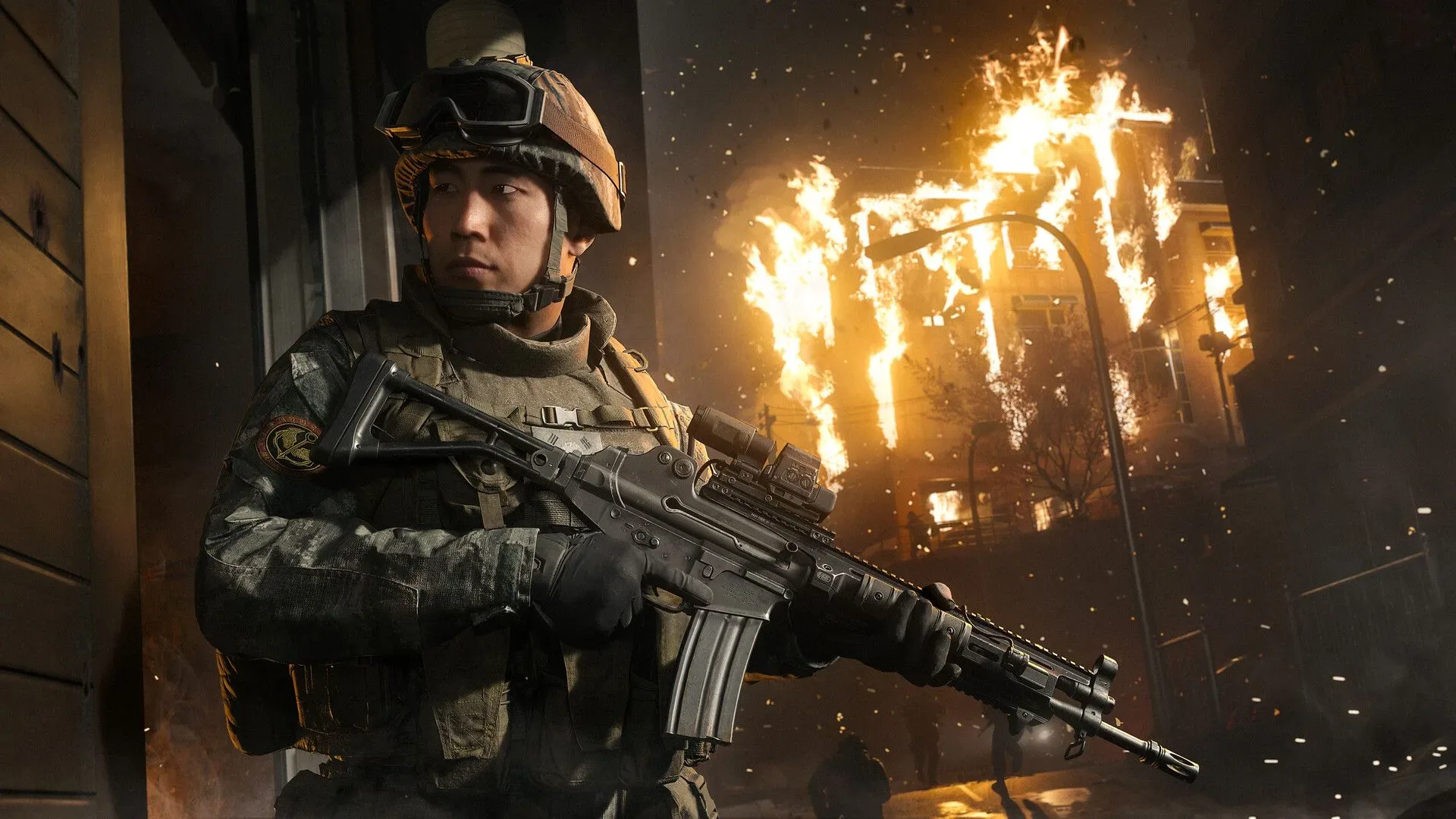
Call of Duty: Modern Warfare 4 is being shaped with a deliberately mixed set of cinematic reference points. Jeff Negus, the game’s narrative director, has identified Denis Villeneuve’s Sicario as a frequent benchmark for the campaign’s tone, while also naming Black Hawk Down, Zero Dark Thirty, and John Wick among the films informing the project.
The common thread is not simply action. Negus’s explanation places particular emphasis on immediacy, moral uncertainty, military tension, and the challenge of making different influences feel like parts of one story rather than a collage of familiar movie moments.
Modern Warfare 4 is scheduled to arrive October 23. Its campaign concerns South Korea defending itself from encroaching North Korean forces, providing a geopolitical setting that can accommodate the uneasy questions Negus associates with Sicario.
Sicario is the clearest tonal measuring stick
Negus described Sicario as a film he repeatedly checks against when considering Modern Warfare 4’s narrative choices. His test is twofold: whether that film would pursue a given idea, and how it would approach it if it did.
“Sicario is one that I’m always checking against,” Negus said, describing it as a visceral, grounded experience in which morality is gray and the audience is left to question whether there is even a right course of action.
That is a meaningful distinction for a military shooter campaign. “Grounded” does not necessarily mean that a story avoids spectacle. In this context, it points to a feeling of consequence: decisions occur within competing agendas and difficult circumstances, rather than being reduced to an uncomplicated division between heroes and villains.
Sicario, directed by Villeneuve, follows an FBI task force pursuing a violent Mexican cartel leader. Its story addresses the United States’ role in organized crime and the illicit-drug trade across the US–Mexico border. Modern Warfare 4’s reported setting is different, but the narrative director’s comments suggest the team is interested in comparable dramatic pressure: government involvement, geopolitical interests, compromised choices, and the difficulty of identifying the least damaging answer in an already terrible situation.
That does not establish that Modern Warfare 4 will retell Sicario’s story or apply its subject matter to Korea. The stated connection is tonal and thematic. Negus is presenting the film as a standard for the campaign’s perspective on conflict, especially its refusal to frame every problem as one with a tidy, reassuring solution.
Related coverage includes Modern Warfare 4's Narrative Is Looking to Sicario, John Wick and War Film Tension.
Military-film tension and John Wick-style action
Negus also pointed to Black Hawk Down and Zero Dark Thirty as more directly military-oriented references. Together with Sicario, those titles indicate that Infinity Ward is looking beyond a single kind of war-story filmmaking.
A touchstone is a creative reference used to evaluate a work in progress. It is not a promise that the game will duplicate a film’s plot, scenes, or visual language. For a narrative team, touchstones can help define the intended atmosphere, pacing, ethical viewpoint, or dramatic stakes. Negus’s account makes the practical difficulty clear: finding influences was less challenging than ensuring they coexist cohesively.
That issue matters because the listed films have distinct identities. The tension and ambiguity Negus highlights in Sicario are not automatically the same as the military focus he associates with Black Hawk Down and Zero Dark Thirty. Adding John Wick introduces another visible ingredient: kinetic action.
Negus said that John Wick has “some obvious presence” in Modern Warfare 4. He did not specify whether that influence appears in mission design, staging, player movement, combat presentation, or another element of the campaign. It would therefore be premature to assume the game will adopt any particular mechanic or sequence from that film series.
Still, the reference establishes an aspiration for the action’s energy. The more important creative task, by Negus’s own description, is making that energy belong in the same campaign as the grounded, morally unsettled material associated with Sicario and the military-film references.
What the campaign premise could support
The stated premise—South Korea resisting encroaching North Korean forces—places the story within an international conflict instead of a narrowly personal mission. That scale gives Modern Warfare 4 room for the kinds of questions Negus raised: what different governments want, where interests overlap or clash, and how people act when every available option carries a cost.
Those possibilities should be read as implications of the creative references rather than confirmed plot beats. No specific characters, missions, choices, endings, or campaign systems were detailed in the available comments. The confirmed takeaway is the team’s desired narrative character: a story intended to be present and visceral while maintaining moral friction.
For players, that framing can be useful as an expectation-setting tool. A campaign shaped only by military imagery might be expected to prioritize operational objectives and battlefield escalation. A campaign evaluated against Sicario may instead seek to make the context surrounding those objectives part of the drama. In other words, the question is not only whether a mission succeeds, but what its success means and who bears its consequences.
Coherence is the central challenge
Negus’s most revealing point may be his focus on cohesion. Referencing respected films can establish an ambition, but a game campaign still needs its own internal rhythm and voice. A grounded geopolitical thriller, a military drama, and a high-impact action influence can pull in different directions if their tone changes from scene to scene without a unifying purpose.
Infinity Ward’s stated aim is to make those references feel as though they naturally belong to one story. If it lands, Modern Warfare 4 could pair intense action with a campaign less certain of its own moral footing than a conventional victory narrative. If the balance does not hold, the mixture could feel disjointed. That outcome cannot be judged from references alone, but it is the standard the narrative team has publicly set for itself.
There is already a separate campaign review-in-progress examining Modern Warfare 4’s broader story ambitions. Negus’s comments provide a useful lens for reading the game’s intended tone: not one film copied wholesale, but a campaign seeking to combine morally uneasy thriller sensibilities, military tension, and forceful action into a unified whole.