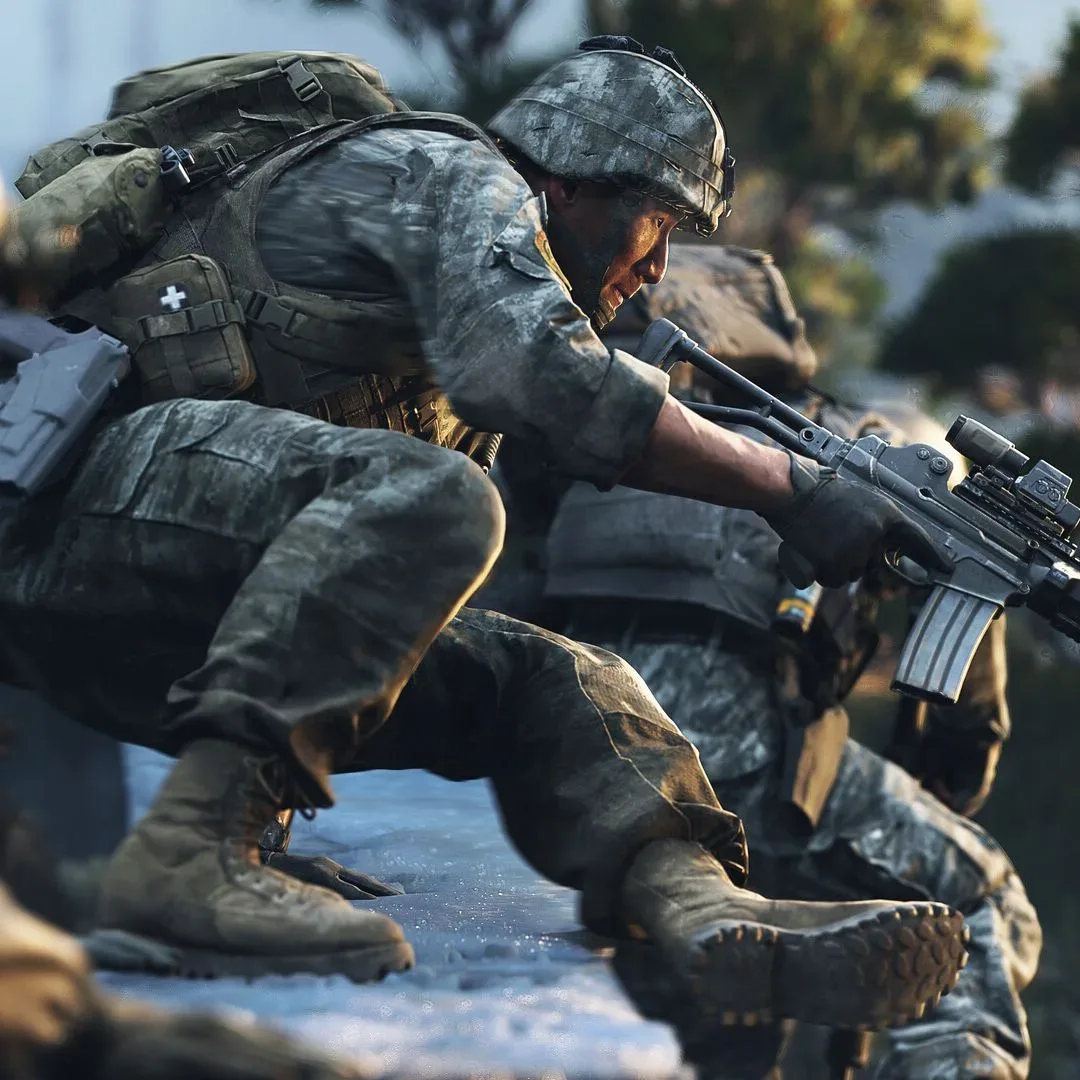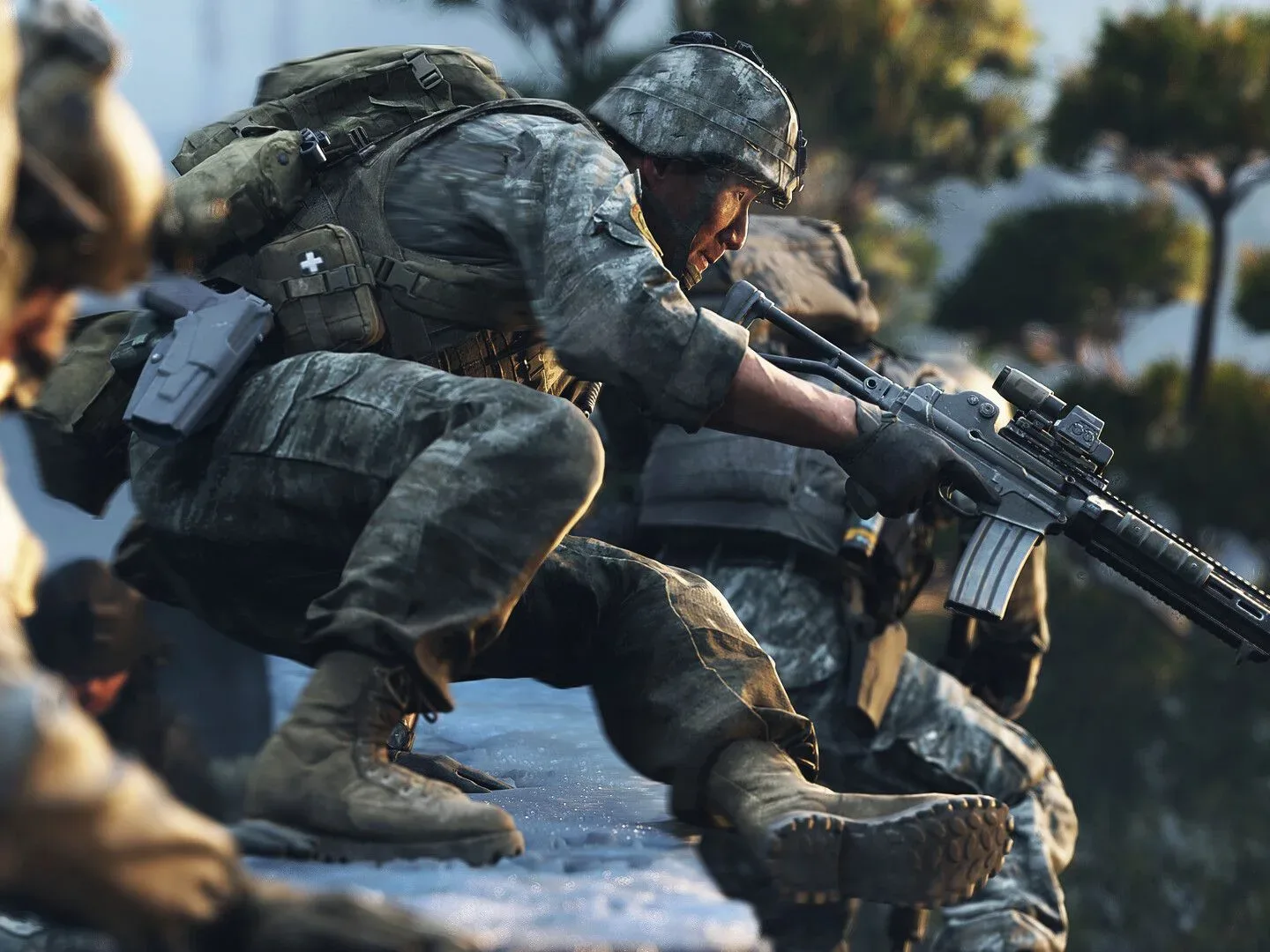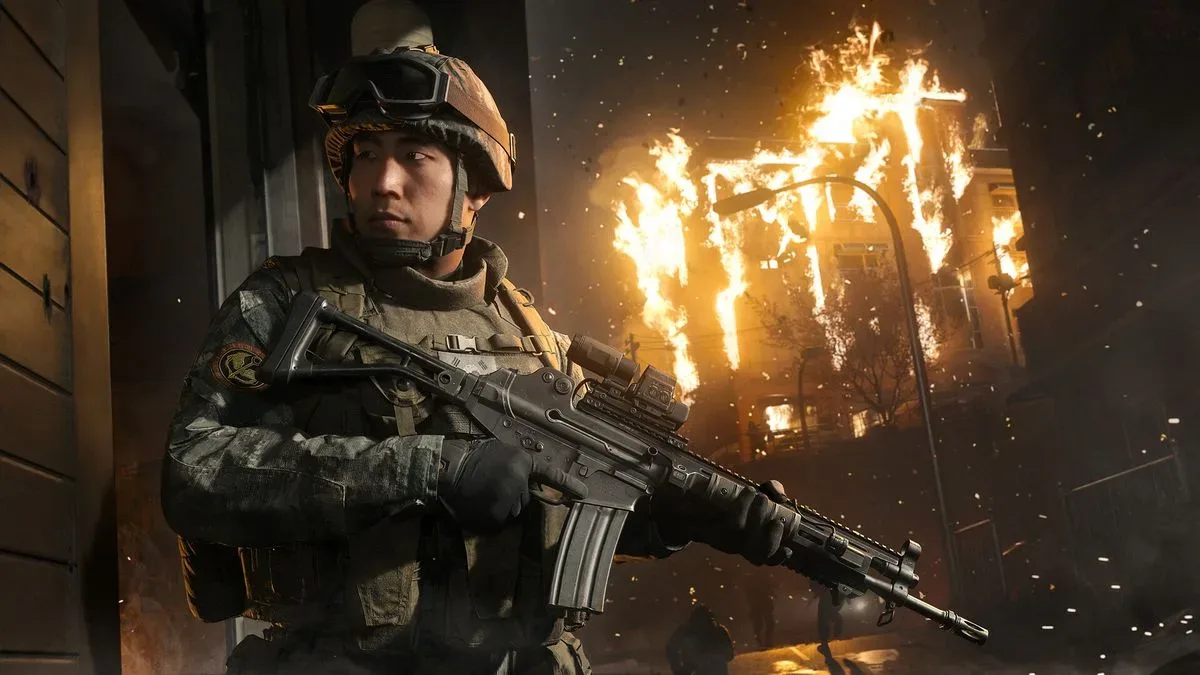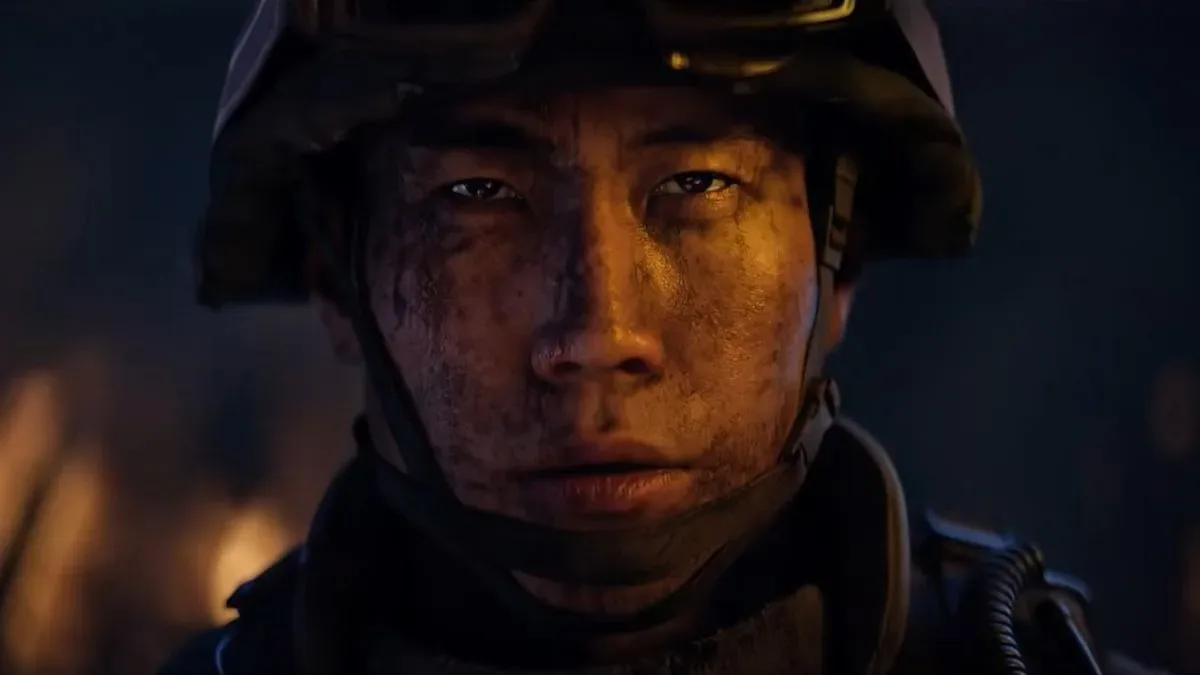
Call of Duty: Modern Warfare 4 is being framed by Infinity Ward as a return to a grittier kind of modern military shooter: not a recreation of current events, but a conflict intended to feel plausible enough to sit uncomfortably close to them. The studio’s stated priorities span the campaign’s point of view, its visual tone, and the way weapons and player movement behave in multiplayer.
Jack Hoppus, a multiplayer technical designer at Infinity Ward, described the direction as a grounded, headline-adjacent approach to Modern Warfare. The goal is evidently not literal realism in every respect; rather, it is to create a setting that feels as though it could occur in the real world while preserving the heightened action expected from the series.
“We wanted to chase this gritty, grounded, almost ripped from the headlines style Modern Warfare game,” Hoppus said. “We were really laser focused on boots on the ground, [a] return to form with traditional modern warfare.”
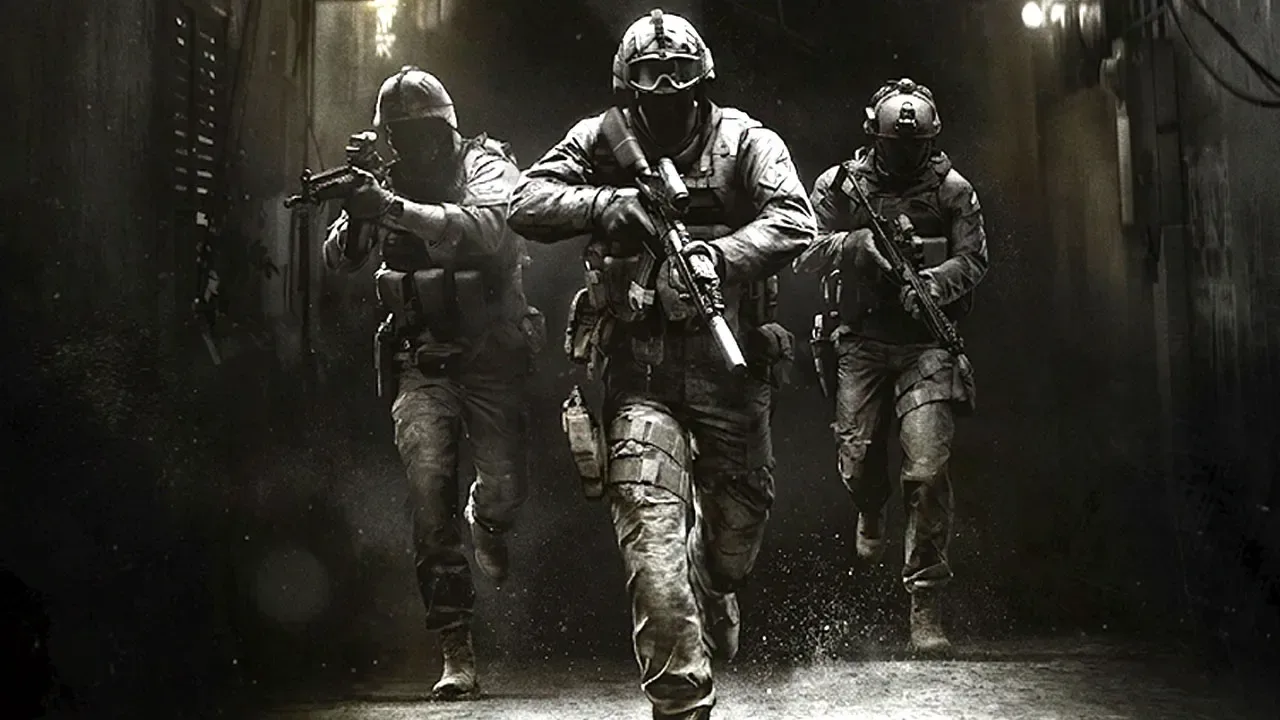
That phrase, “boots on the ground,” has a specific meaning in the context of the franchise. It signals combat centered on conventional infantry movement and firearms rather than futuristic mobility systems or a campaign led chiefly by covert specialist units. The studio is applying the idea to both the broad atmosphere of the game and the minute-to-minute handling of a match.
A campaign perspective focused on ordinary soldiers
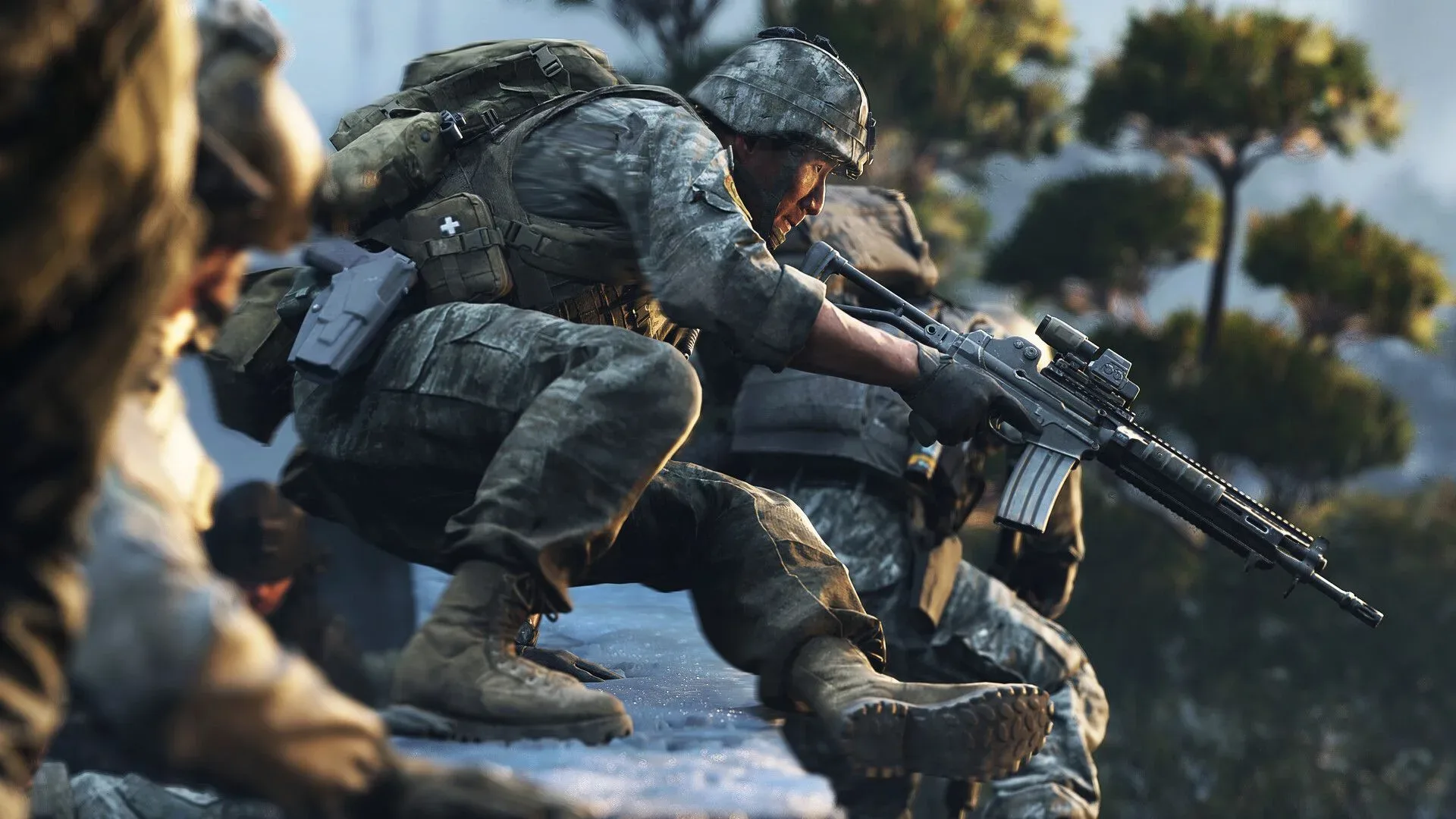
Modern Warfare 4’s campaign appears set to widen its battlefield view. Its trailer depicts North Korea invading the Korean Peninsula and shows large military assaults. That is a notable tonal marker for a sub-series whose earlier entries placed international capitals and major cities amid full-scale war, while more recent Modern Warfare stories have leaned more heavily on elite operators addressing comparatively contained threats.
Infinity Ward says it wants the new campaign to spend more time with regular soldiers navigating a much larger conflict. Hoppus contrasted this group with the highly trained special-operations forces that have taken prominence in recent games, calling the renewed focus on “the grunt perspective” something the team is eager to explore.
That distinction could matter as much for storytelling as spectacle. A campaign led by soldiers without the apparent latitude or specialized resources of a covert unit can frame a crisis from ground level: orders arrive from elsewhere, conditions change quickly, and the characters are trying to get through an event far bigger than themselves. The supplied material does not establish the game’s full story, cast, or mission structure, so it remains to be seen how extensively Modern Warfare 4 develops that perspective beyond the trailer imagery and the studio’s stated intent.
The direction also helps explain why Infinity Ward has emphasized a shared studio focus on tone and art. A large-scale invasion storyline, rank-and-file troops, and a modern setting that aims for plausibility all point toward a more unified aesthetic target than simply making individual missions look militaristic.
“Grounded” movement is not necessarily slower movement
One of the more useful clarifications from the developer is that grounded movement should not be read as a promise of cumbersome controls. Call of Duty has historically depended on brisk responses and rapid decision-making, especially in multiplayer. Infinity Ward says it wants weapons to possess a sense of physical presence without making the player feel clumsy.
Hoppus tied that balance to weapon fidelity, a term used here for the visual and animated behavior that makes a gun feel substantial and appropriately handled. It does not necessarily mean a strict simulation. In this case, the stated aim is to make firearms seem powerful and believable while retaining the responsiveness demanded by a first-person shooter.
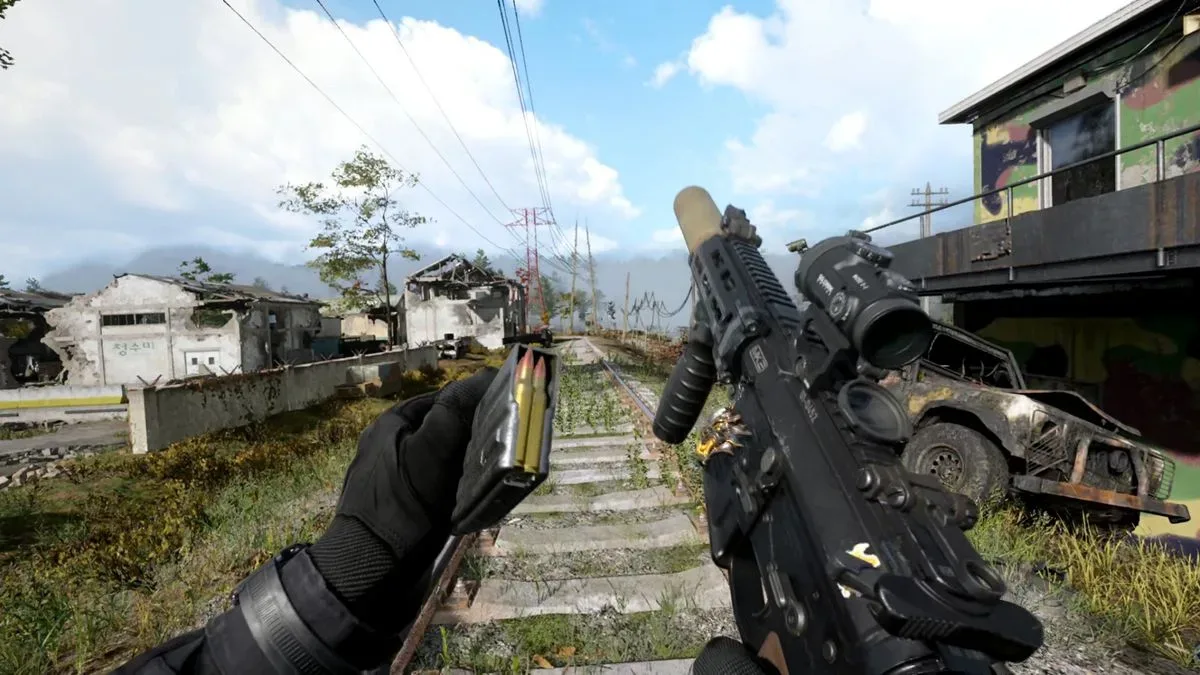
The most concrete examples involve how a weapon reacts to nearby geometry. When a player moves close to a wall, the gun is said to raise and be pulled closer to the chest. When passing through a doorway, it can pivot with the character’s arms. These are contextual animations: small reactions activated by the character’s relationship to the environment rather than a separate action the player must constantly manage.
In practical terms, these details may make tight interiors, entrances, and cover feel more deliberate without fundamentally changing Call of Duty’s core shooting cadence. The design challenge is substantial. If a weapon’s environmental reactions are too restrained, they may disappear into the background. If they are too forceful, players may feel that the game is interrupting their aim at precisely the moments when speed matters most. Infinity Ward’s comments suggest it is aiming for a middle ground: physicality that communicates awareness of space, with the player still in control.
The studio also explicitly describes the gun as the “hero” of the game. That puts the emphasis on the sensation of firing, aiming, moving and entering confined spaces with a weapon on screen—areas where animation, sound, camera work, recoil behavior and timing all contribute to perceived weight. Only the environmental weapon movement has been specifically detailed so far, so broader claims about recoil or ballistics would be premature.
Two paths to winning a multiplayer fight
Modern Warfare 4’s movement philosophy appears aimed at accommodating two familiar Call of Duty playstyles. One is highly mobile and aggressive: sliding, closing distance, and using sharp mechanics to outmaneuver an opponent. The other is more methodical: clearing corners, holding a position, and choosing engagements with care.
Hoppus says the team wants intelligent positioning and deliberate fights to be viable, while ensuring exceptional mechanical ability can still decide encounters. “Mechanically good” in a multiplayer shooter generally refers to executional skill—aim, timing, movement control, reactions and accuracy under pressure. Tactical play, by contrast, concerns information, angles, routes, cover and anticipation.
The stated objective is important because these approaches can pull a game’s balance in opposite directions. Excessive movement power can make patient positioning feel obsolete. On the other hand, overly restrictive movement can reduce the room for a player to make a bold push or recover from a bad situation through fast execution. Modern Warfare 4 is promising to support both, but the eventual result will depend on the final maps, weapon tuning, movement timings and other systems not outlined here.
For players who favor precision-focused rifles, Hoppus also offered a direct vote of confidence in the game’s marksman rifles. Marksman rifles typically sit between assault rifles and sniper rifles, valuing deliberate, accurate fire at longer ranges while often remaining more mobile than dedicated sniper options. The developer did not provide a roster, statistics, or specific mechanics for those weapons, but said they feel especially strong in this installment.
Simplifying weapon customization without abandoning it
Infinity Ward also points to changes in the weapon platform and Gunsmith systems. Gunsmith is Call of Duty’s weapon-customization framework, where players generally alter a firearm through attachments and related build choices. The studio says it has sought to remove some complexity and better support attachments shared between guns.
Shared attachments could make loadout building easier to understand and reduce repetitive unlock friction, depending on the final implementation. Instead of treating every firearm as an entirely isolated customization track, the system may allow equipment to carry more naturally across appropriate weapons. However, the exact limitations, unlock requirements, attachment categories, and multiplayer balance implications have not been specified.
The broader reasoning offered by Infinity Ward is revealing: the team says it builds from what it could not do, or did not do well enough, in the previous game. Hoppus pointed to Modern Warfare 2 when explaining that movement fidelity became a major area of work for Modern Warfare 4. That is less a promise that every familiar system has been rebuilt than a useful outline of the studio’s priorities—refine established ideas, remove some friction, and add systems that serve the new game’s particular tone.
There is also a naming wrinkle worth keeping straight. Although this entry is titled Modern Warfare 4, it follows the 2019 reset of the Modern Warfare line. Counting the older games and the rebooted series together makes it the seventh Modern Warfare game. The name therefore signals continuity with the rebooted sequence and the franchise’s wider heritage, rather than a simple fourth outing for the entire sub-series.
Modern Warfare 4 is scheduled to launch on October 22. Until more details arrive, the clearest picture is of a Call of Duty that wants modern warfare to feel tactile rather than sluggish, broad in its campaign stakes rather than exclusively covert, and flexible enough for both corner-checking tacticians and players who want to slide into a fight at speed. For more shooter-related releases on PC, see Marked for Mayhem’s competitive dungeon-running reveal.