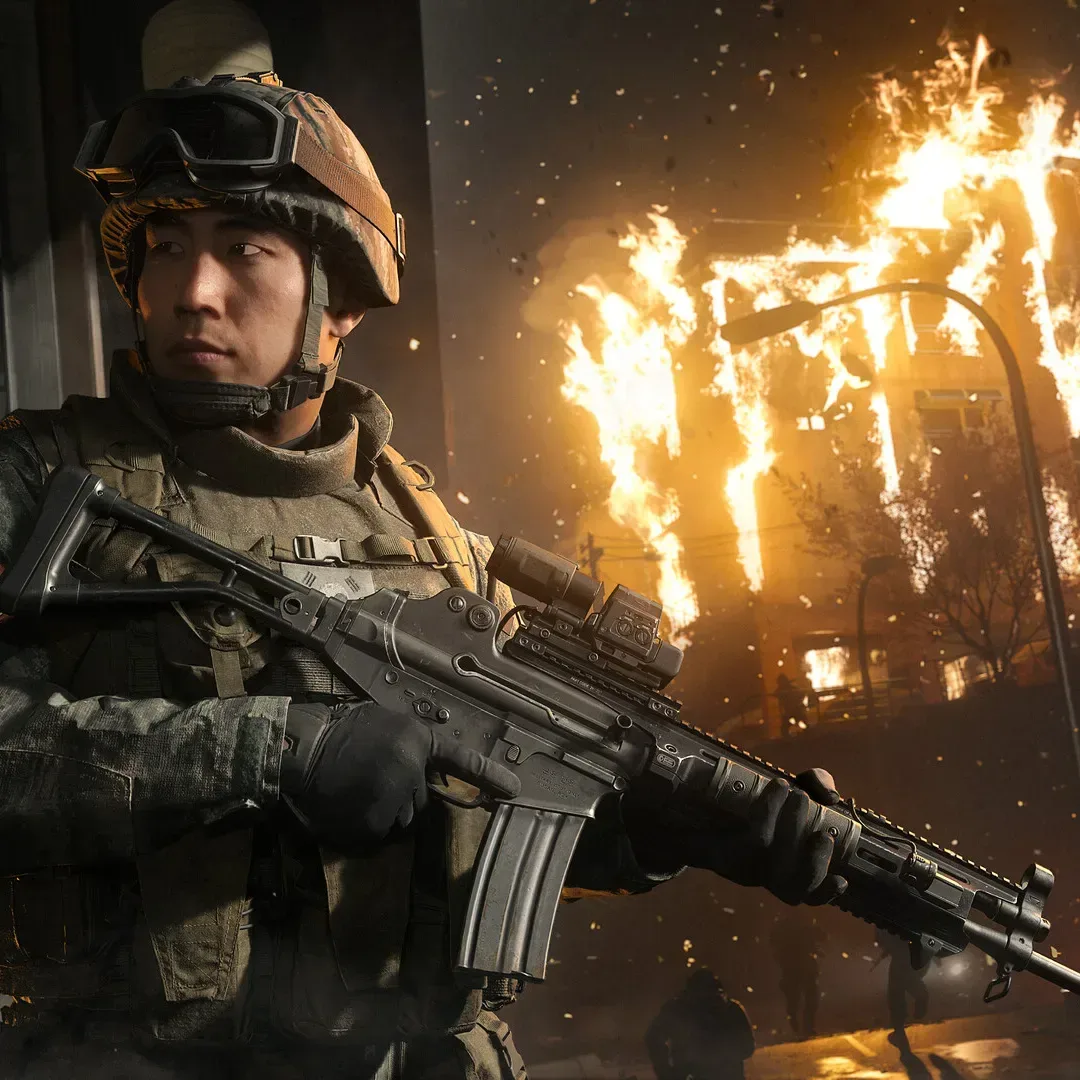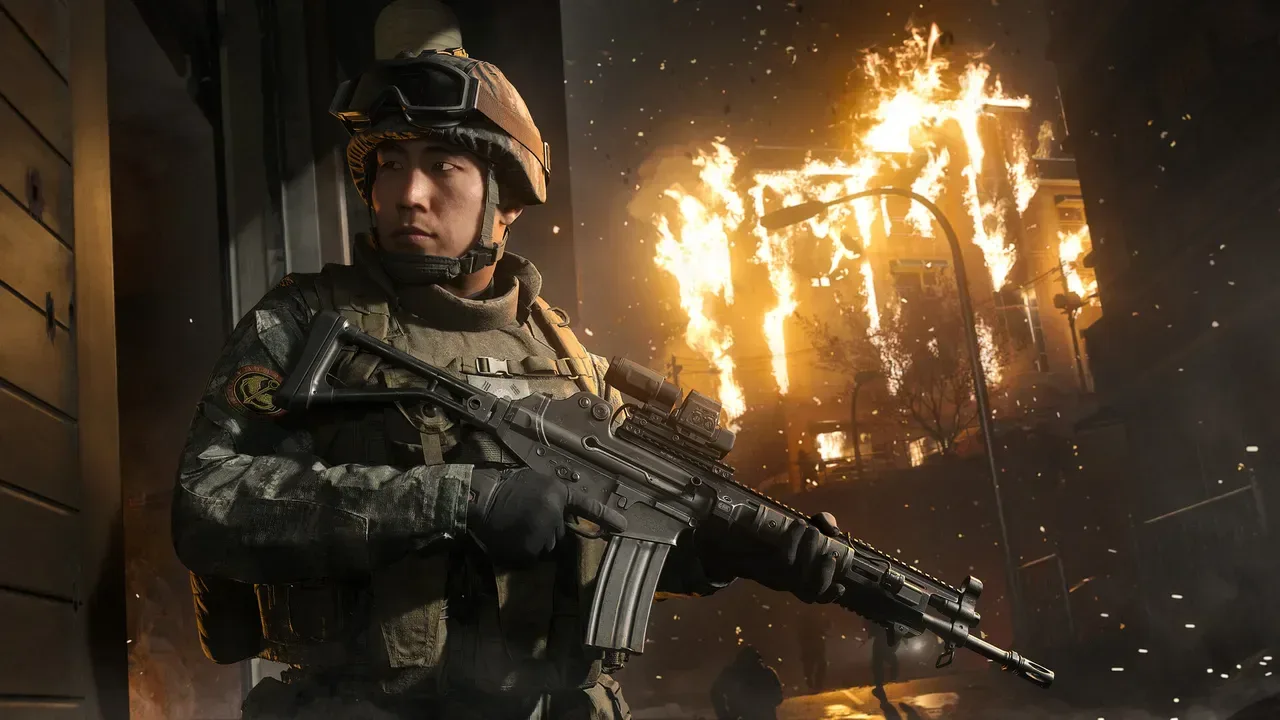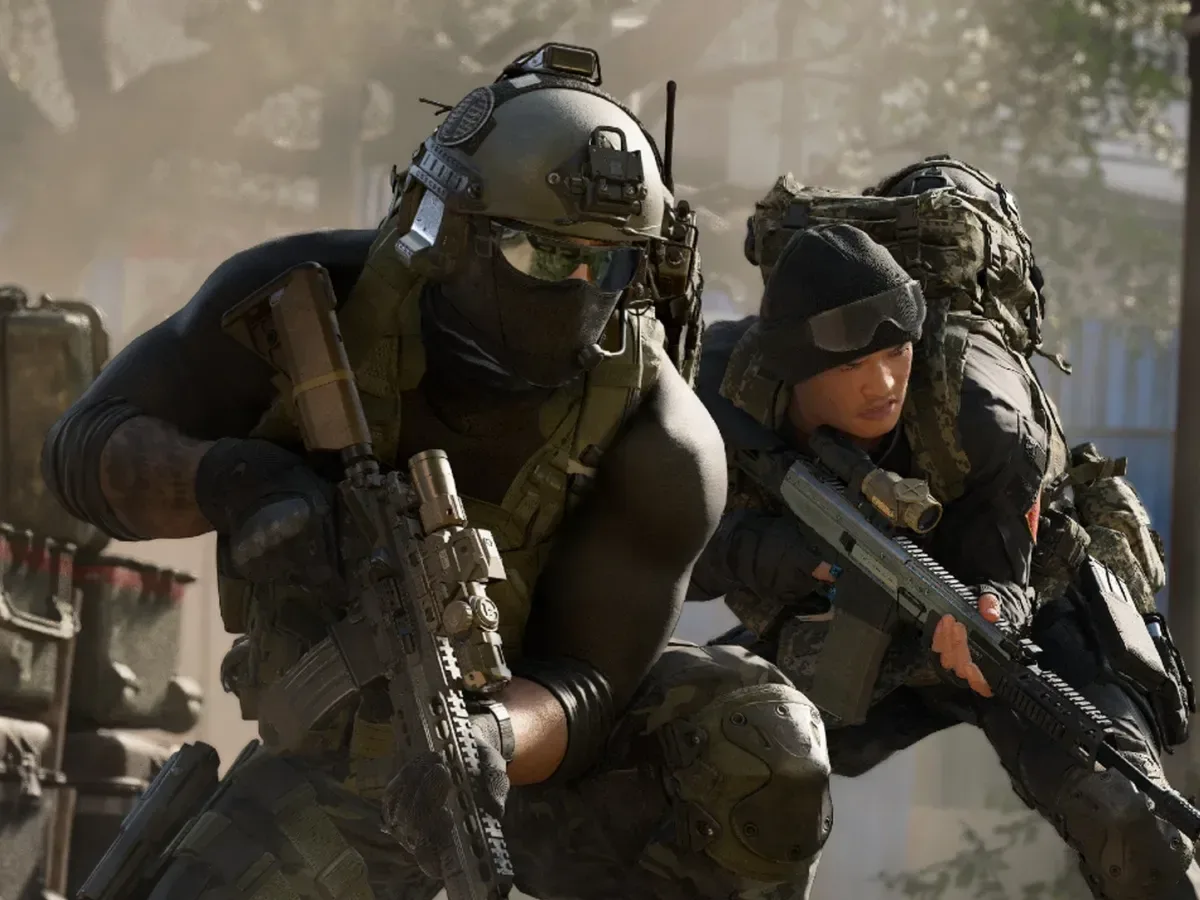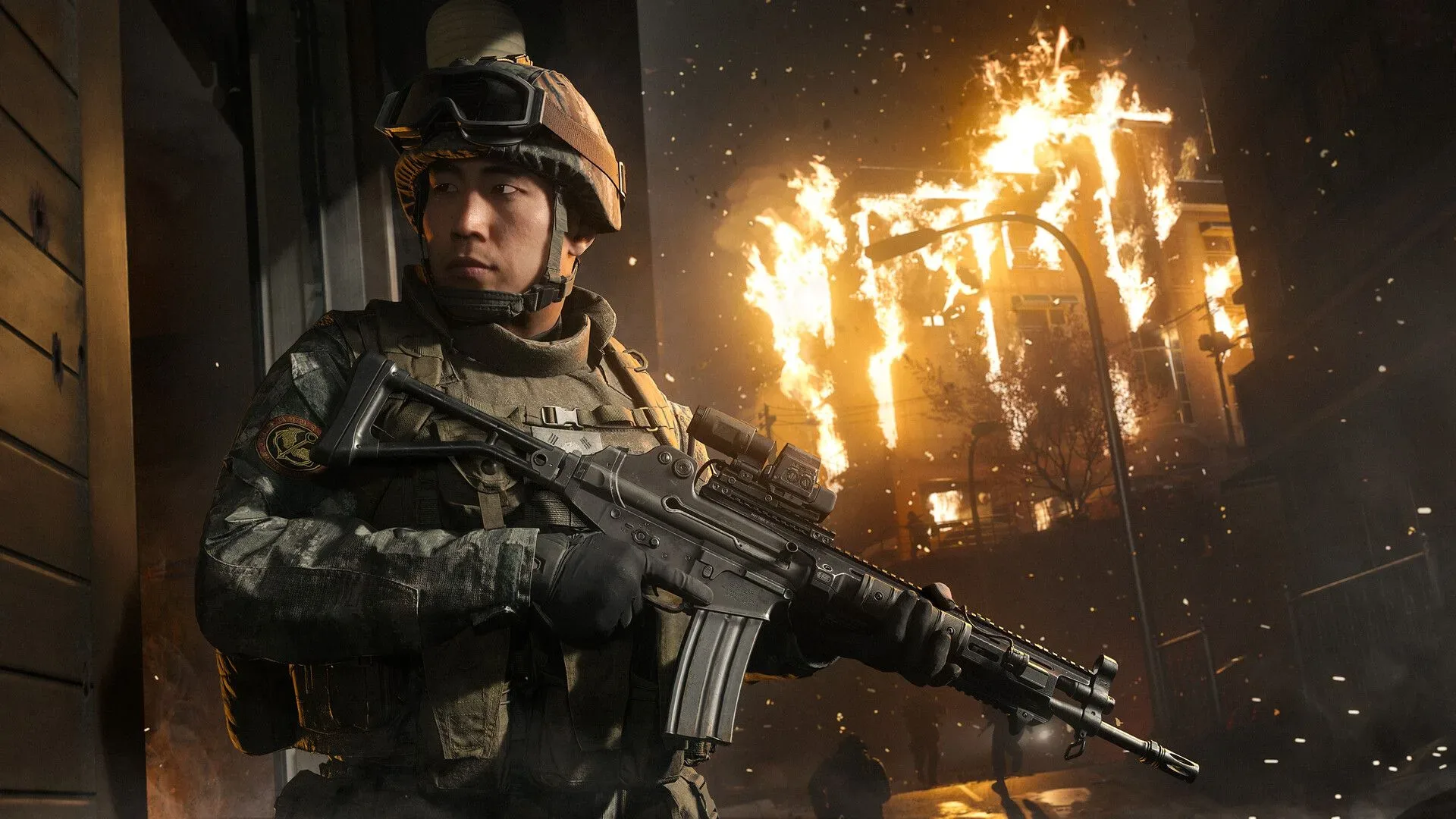
Call of Duty has returned to one of multiplayer gaming’s most durable arguments: should a matchmaker try to place players of comparable ability together, or should it loosen the rules and let the lobby be unpredictable?
Call of Duty: Modern Warfare 4 has put that question back at the center of the conversation. The game has launched without the clearly presented open-matchmaking playlist option that appeared in 2025’s Black Ops 7. That earlier setup retained skill-based matchmaking as the default while also giving players a separate route into a broader pool of opponents and teammates.
Infinity Ward multiplayer creative director Joe Cecot has not offered a breakdown of Modern Warfare 4’s matchmaking formula. His stated objective is broader: make the assembled games worthwhile for the people in them. “I don't know if there's perfecting it,” Cecot said, adding that the team’s end goal is for every match to be a good one.
That answer is understandably unsatisfying to players seeking a simple yes-or-no answer about skill-based matchmaking, frequently shortened to SBMM. But it identifies the difficult part of the debate. A fair-looking match on paper, a tightly scored match, a low-latency match and a match that players actually enjoy are related goals—not necessarily identical ones.
For more context, explore iPhone Duo Launch Stock Is Tight: Where Walk-Ins Work, Where Reservations Are Required, and What the Wait Means.
What skill-based matchmaking is meant to do
At its most basic, skill-based matchmaking is a system that uses player-performance information to help build lobbies. The ideal is intuitive: players of roughly similar capability should more often meet one another, producing competitive games rather than a series of one-sided stomps.
In a team shooter, that concept can serve several groups at once. Newer or less experienced players are less likely to repeatedly run into opponents vastly ahead of them. Strong players can find opposition that requires attention and adaptation. And close games can give the objective, scoreboard and final moments more weight than they would in a total mismatch.
Call of Duty has used skill-based matchmaking since 2007’s Call of Duty 4: Modern Warfare. The debate is therefore not about a brand-new system suddenly appearing in the series. Rather, it concerns the degree to which players feel their recent performance influences the next lobby, as well as how much information they receive about that process.
The concern most often voiced by critics is volatility. A player may have several exceptional rounds, then believe the following match has sharply escalated in difficulty. If that sequence occurs, it can feel as if the reward for doing well was being placed into a punishing game before they were ready for it.
Importantly, this is a description of how players can experience the system, not proof of a disclosed rule that every strong match leads directly to a harder one. Cecot did not detail Modern Warfare 4’s exact matchmaking inputs, thresholds or priorities. Without those specifics, players cannot reliably map an individual result to a single matchmaking decision.
Why “good match” is harder to define than it sounds
The phrase good match is simple, but it contains several possible meanings. A player might call a game good because it was close. Another might mean the connection felt stable. Someone playing with friends may value being able to remain with that group across games. A newer player might value a lobby where they can learn without being instantly overwhelmed. A veteran might prefer variety, including both challenging opponents and less predictable teams.
These preferences create an unavoidable design tension. A system that pushes hard toward evenly matched competition may reduce the wild swings that some players enjoy. A looser system can create memorable surprise victories and unusual lobby combinations, but it can also yield more dramatically uneven games. Neither outcome is automatically better for every player or every session.
Cecot’s comments suggest the studio is looking at player experience and measurable effects across groups of players, while declining to disclose the precise mechanics. That framing matters because it treats matchmaking as more than a single skill ranking. It also leaves the public with a standard that is difficult to independently evaluate: if the target is “good matches,” players will reasonably ask what evidence counts as good and how that judgment is communicated.
Black Ops 7 made player choice part of the design
Black Ops 7 took a notable approach by providing open matchmaking playlists alongside its default skill-based matchmaking. Open matchmaking, in this context, means a playlist intended to allow a much broader range of potential teammates and opponents rather than explicitly organizing matches around comparable skill.
That is not a magic solution to the broader argument. Open matchmaking can mean more uneven encounters, and it does not guarantee any particular player will have an easier—or harder—night. Its significance was choice. Players who valued consistent competition could remain in the default arrangement, while those who preferred uncertainty could opt into a different experience.
Modern Warfare 4’s launch situation is less clear. A persistent-lobby option appears in the popular modes tab, but its label does not establish that open matchmaking is active. Persistent lobbies generally describe players staying together after a match rather than immediately being dispersed for a new search. That can affect a session’s social continuity, but it is not, by itself, an explanation of how opponents were selected in the first place.
That distinction is central. A persistent lobby and an open matchmaking pool answer different questions:
- Persistent lobby: whether a group remains together across matches.
- Skill-based matchmaking: whether player ability is a significant factor when constructing a match.
- Open matchmaking: whether the game offers a playlist built around a wider, less skill-directed selection of players.
When those terms are not clearly separated in-game, confusion is predictable. Players trying to decide where to spend their time need to know not only that a playlist exists, but what experience it is designed to provide.
The transparency problem
Matchmaking systems are often opaque by design. Developers may be reluctant to publish every detail of how lobbies are formed, particularly if that information could encourage manipulation or oversimplify a system that uses multiple considerations. Yet complete silence has a cost: people fill the gaps with anecdotes, assumptions and frustration after a difficult match.
Modern Warfare 4’s debate demonstrates why labels and expectations matter even when underlying formulas remain private. Players do not necessarily need a public technical specification to understand whether a playlist is primarily competitive, broadly mixed, persistent, or designed to emphasize another goal. Clearer descriptions would let them choose knowingly rather than trying to infer the rules from a handful of games.
There is also a practical difference between transparency and a promise of perfect outcomes. Explaining that matchmaking aims to balance several priorities would not mean every lobby will feel balanced. Network conditions, party composition, available population and player performance can all make a multiplayer session feel different from one game to the next. But communicating what a mode is intended to do gives players a more useful basis for deciding whether it suits them.
What Modern Warfare 4 players can take from this
For now, the strongest confirmed point is that the multiplayer team sees match quality as the destination, while it has not publicly detailed the route. The lack of a clearly labeled open option at launch is meaningful because Black Ops 7 had demonstrated a way to accommodate competing preferences through separate playlists.
Players looking at the persistent-lobby setting should avoid treating its presence as confirmation that they are in an open-matchmaking queue. It may be useful for keeping a group together, but the label alone does not settle the SBMM question. Until a mode explicitly identifies how it approaches matchmaking, certainty would go beyond the available information.
The debate is unlikely to disappear because it is fundamentally about differing definitions of fun. Some players want every match to demand their best. Others want a wider range of results and opponents. Many likely want both at different times. The ongoing discussion around Modern Warfare 4 matchmaking is therefore less about finding one universally accepted setting than deciding how clearly a game can offer—and explain—different multiplayer expectations.
For a franchise with multiplayer history stretching back to 2007’s original Modern Warfare era, that may be the most realistic benchmark. Perfect matchmaking may be unattainable. Clear options, accurate labels and a willingness to respond to how different groups experience the game are much more tangible goals.