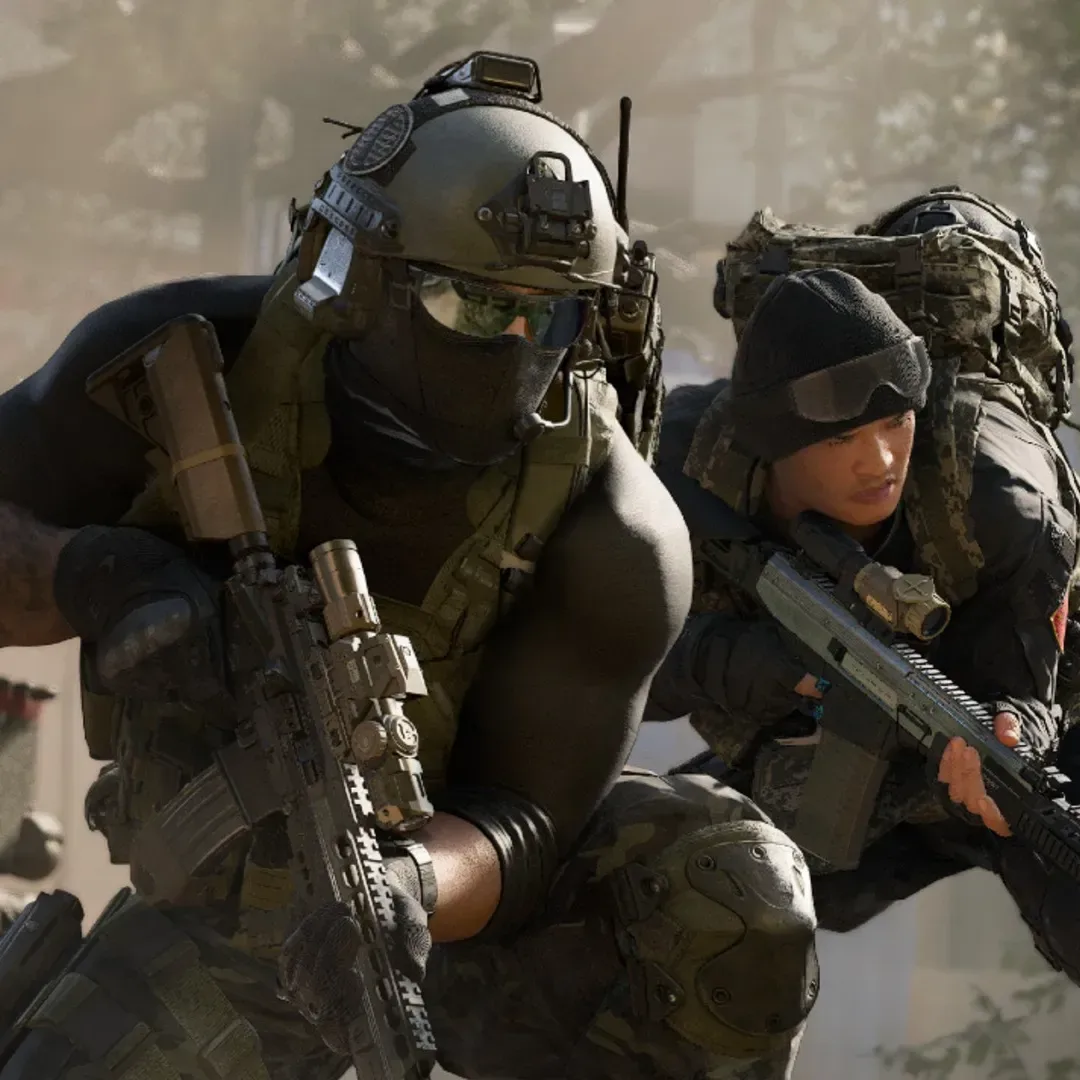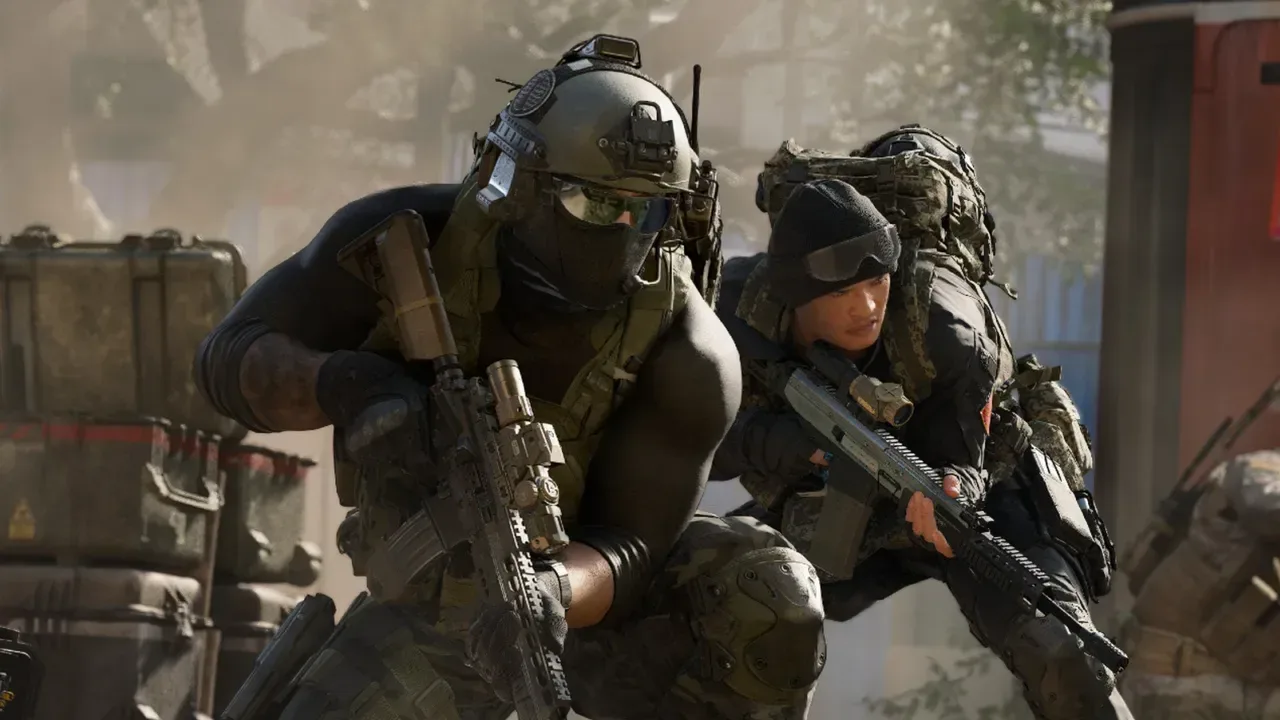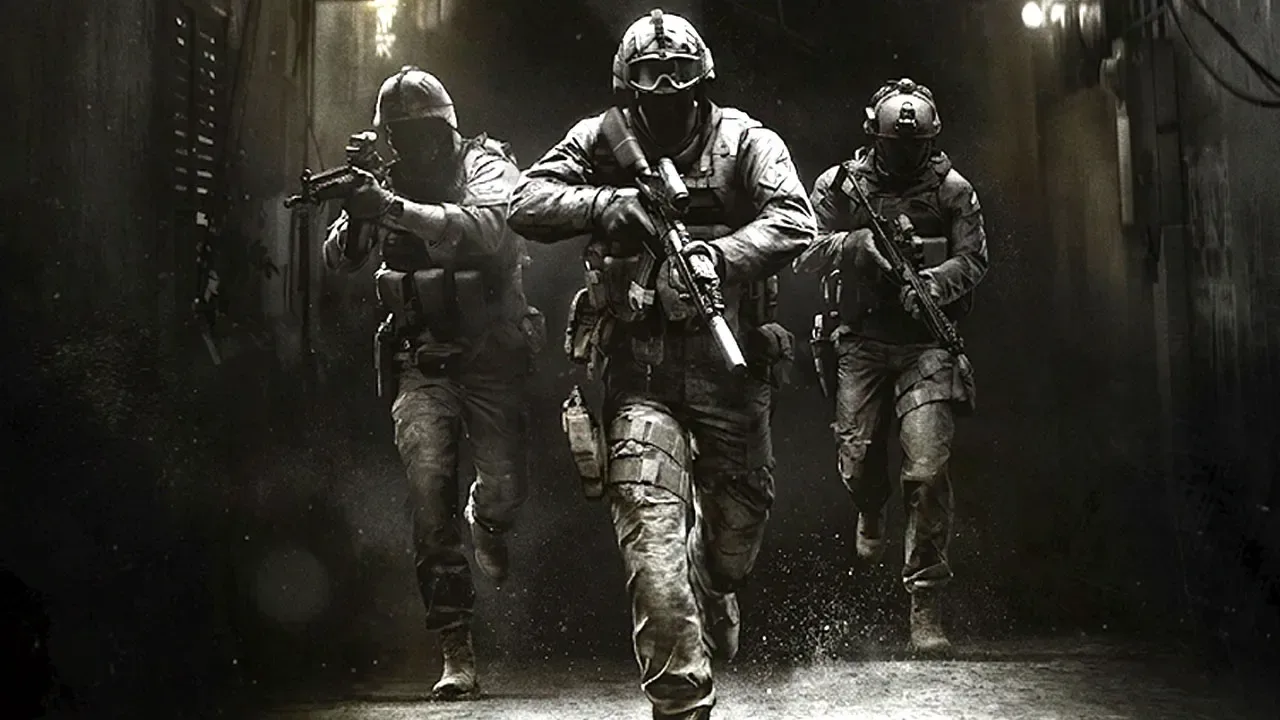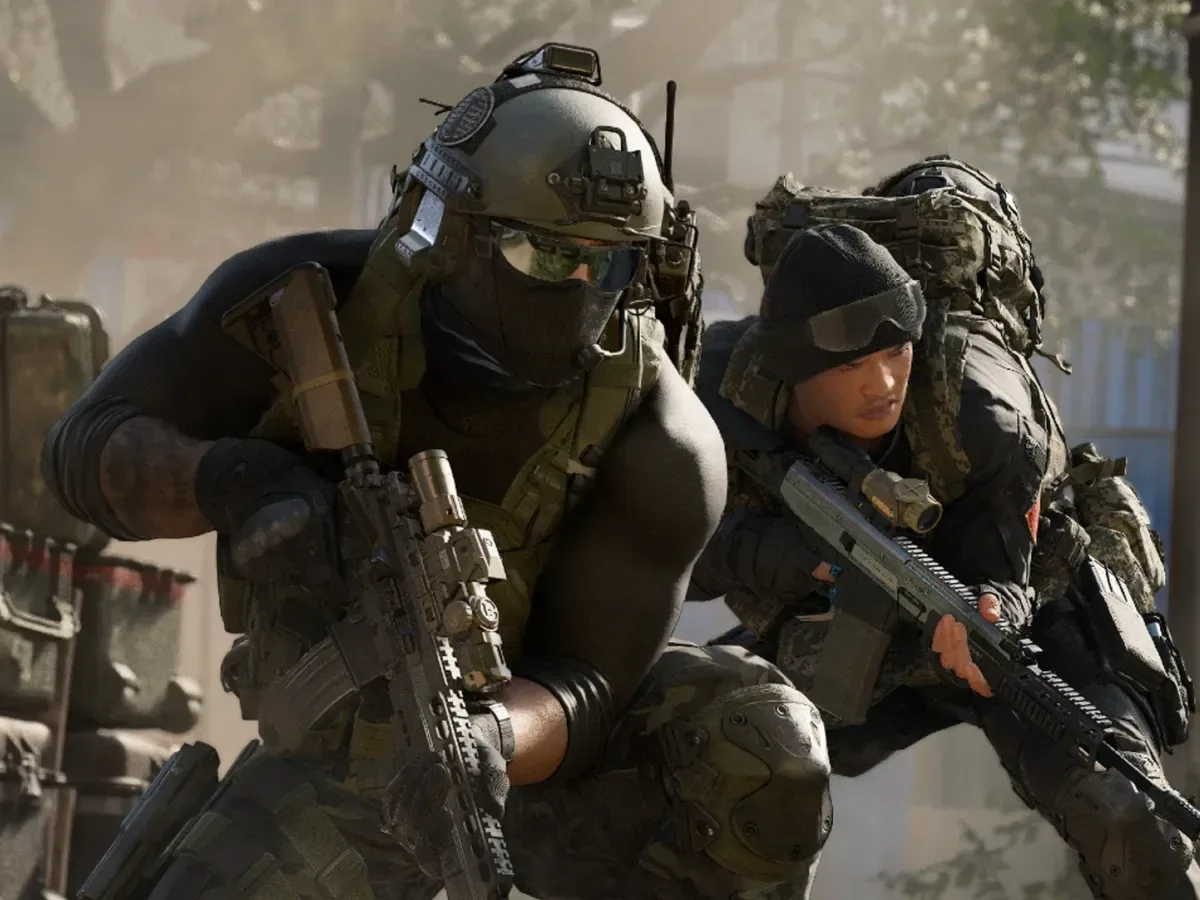
Call of Duty: Modern Warfare 4 will change how Double XP tokens work at launch: their timers will run only while a player is actively in a match. It is a compact quality-of-life adjustment, but one with a very practical effect. Time spent waiting in pre-game lobbies will no longer consume a token that is meant to accelerate progression.
Double XP tokens have typically offered timed boosts lasting from 15 minutes to an hour. The basic proposition is simple: activate one, earn experience at an increased rate, and move through ranks more quickly. The old timer behavior complicated that deal. A token began expiring immediately after activation, including during time when a player was looking for a match or sitting in a lobby with no opportunity to earn XP.
With the new approach, the countdown is tied to the part that matters: being in a match. Players should therefore receive the full usable value of a token’s stated duration, rather than having some of it disappear in the transition between menus and gameplay.
What is changing with Double XP tokens?
A Double XP token is a consumable timed boost to experience gains. “XP,” short for experience points, is the progression currency used to advance through ranks. The notable detail in Modern Warfare 4 is not the multiplier itself, but the clock governing it.
- Previously: a token’s countdown started upon activation and continued in pre-game lobbies.
- In Modern Warfare 4: the timer will count down only during matches.
- Practical result: lobby time will not reduce the duration available for earning boosted XP.
That distinction is especially meaningful for short tokens. If a 15-minute boost loses several minutes to matchmaking, a lobby, or the interval between games, the portion of the token that actually applies to match XP can shrink substantially. Under the new setup, those non-match stretches are excluded from the countdown.
It also removes an avoidable decision point. Players previously had to judge when the next match was close enough to justify turning on a token, with no certainty that a lobby delay would not eat into it. Modern Warfare 4’s system makes activation less dependent on that timing gamble. The token can be treated as match time, rather than a real-world stopwatch that keeps moving regardless of whether progression is possible.
Why this modest change matters
This is a quality-of-life change rather than a new mode, map, weapon, or progression system. Still, quality-of-life design often has an outsized effect because it concerns the moments players repeat constantly. Menus, matchmaking, lobbies, and loading transitions sit between matches; when a timed item keeps running through those gaps, the player’s reward is partly determined by waiting rather than play.
The adjustment aligns the token timer with its apparent purpose. A Double XP token is intended to reward match participation with faster progression. Pausing it outside a match means the player is not penalized for time in a state where XP cannot be earned.
Analysis: the change does not necessarily make a player earn more XP per completed match than before. Instead, it makes the existing time allotment more efficient by ensuring more of the token’s duration can be spent in the activity it is designed to enhance. That is an important distinction: this is about protecting the usable window, not altering the basic multiplier.
It should also make the value of tokens easier to understand. A 30-minute token can now be reasonably understood as 30 minutes of matches, rather than 30 minutes that may include an unknown amount of waiting. That clarity matters whenever a game asks players to activate a limited-duration benefit.
Part of a broader set of player-facing options
The match-only XP timer is not the only player-facing change discussed ahead of Modern Warfare 4’s launch. Infinity Ward has also confirmed an option that lets players turn off character skins. When that setting is used, other players using skins will appear as default character models instead.
The two changes solve very different problems. The skin option concerns visual preference: players who do not want to see certain cosmetic appearances will have a way to substitute a standard model on their own screen. The Double XP revision concerns progression efficiency: token time will be reserved for active matches.
Yet both changes share a clear design theme. They give players more control over recurring friction points without requiring every player to use the same settings. One player can keep skins visible while another uses default models; similarly, every player can benefit from a token clock that does not punish time spent outside gameplay.
There remains interest among some players in more substantial changes, particularly around skill-based matchmaking. No change to that system is established here, and it should not be assumed from the token or skin announcements. Skill-based matchmaking generally refers to a system that uses player-skill considerations when building matches. It is a separate issue from cosmetic visibility and the timing of XP boosts, with its own design trade-offs and player expectations.
What players can reasonably expect at launch
The confirmed expectation is straightforward: once Modern Warfare 4 launches, Double XP token timers will be active during matches and inactive outside them. Players with tokens lasting 15 minutes, an hour, or another duration should no longer have to watch those minutes expire while in a pre-game lobby.
That does not answer every question that can arise around progression. The available information does not specify the individual token types, the precise definition of every match state, or any wider revision to rank progression. But the central policy is unambiguous: time when no match is being played should not consume the boost.
For regular players, the immediate implication is a simpler routine. Activate a token without feeling compelled to race through menus, and focus on matches rather than the clock. For anyone holding short-duration boosts, the change is likely to be felt most sharply because each saved minute represents a larger share of the total time.
A small trust-building move before a crowded fall
Modern Warfare 4 enters a fall window in which Grand Theft Auto 6 is also expected to command exceptional attention, engagement, and spending. That does not establish how either release will perform, but it does make player goodwill and clear value propositions more important to the broader conversation around major games.
In that environment, eliminating an old frustration is sensible. It will not settle every debate around Call of Duty, nor should it be presented as proof of a larger unannounced overhaul. It is, however, a concrete response to a complaint players have had for years: a timed reward should not run down while the player is unable to use it.
There is a wider industry lesson in such adjustments. Systems that appear minor on a feature list may be the ones players encounter most often, and their rules can shape whether a reward feels generous or wasteful. Recent discussion around player expectations and evolving live-service design has extended well beyond shooters; for another perspective on how creators weigh player-facing direction in a major action-RPG space, see this look at hopes for Diablo 5’s older ARPG spirit.
For Modern Warfare 4, the token decision is refreshingly measurable. A player activates a boost, plays a match, and the clock advances. They return to a lobby, and it stops. That is the kind of rule that needs little explanation once it is in place—and arguably should have been the rule all along.