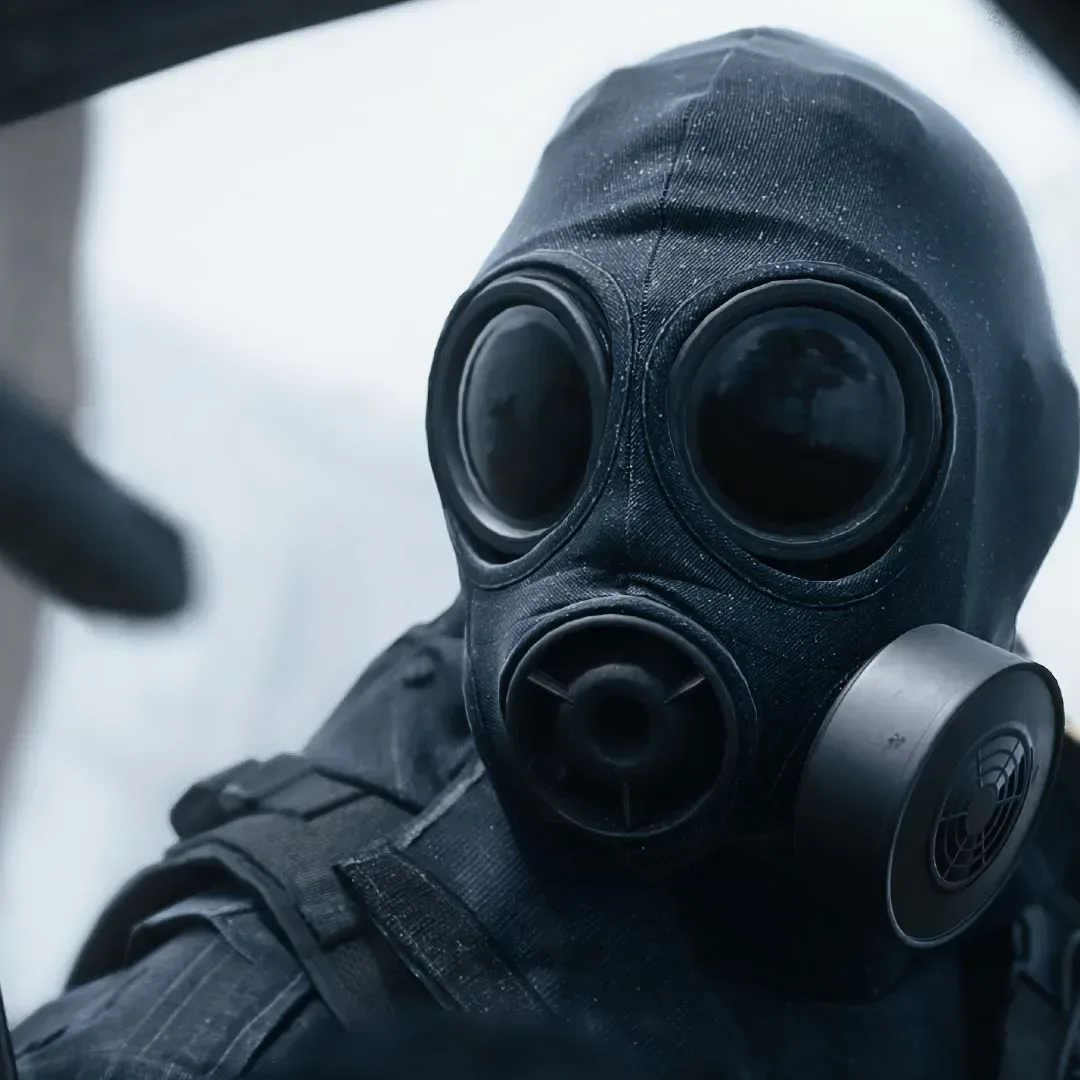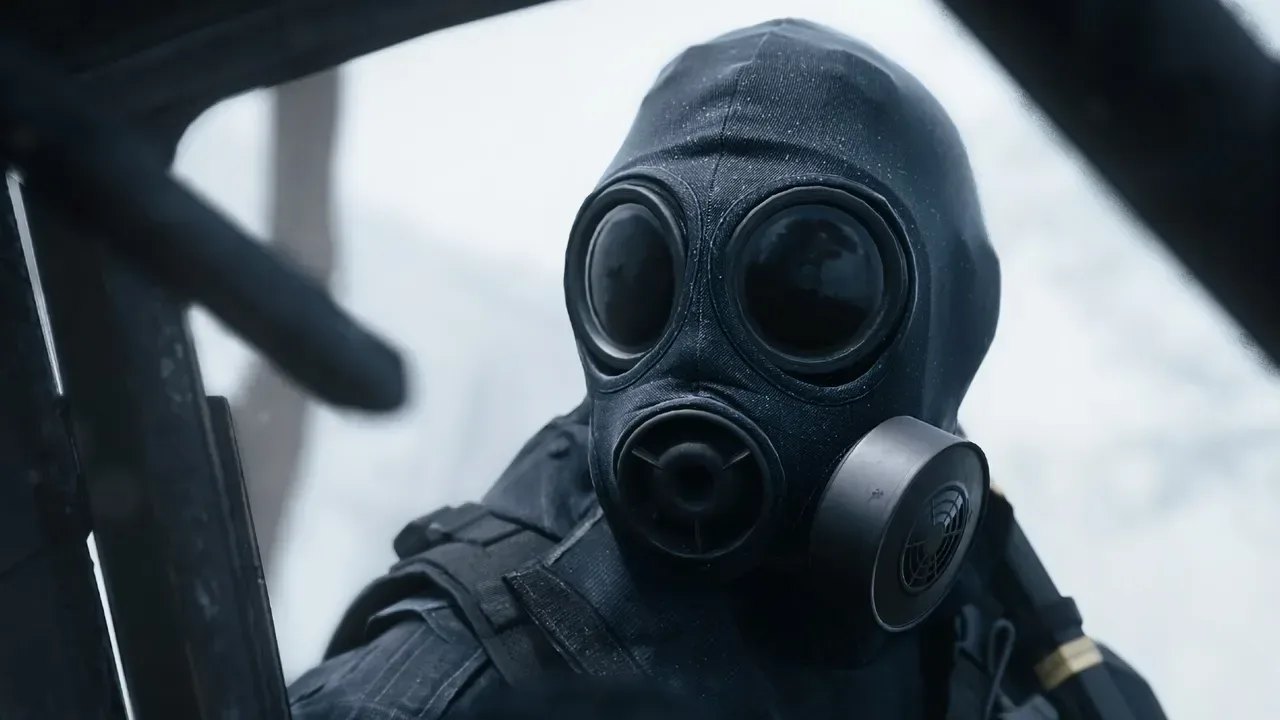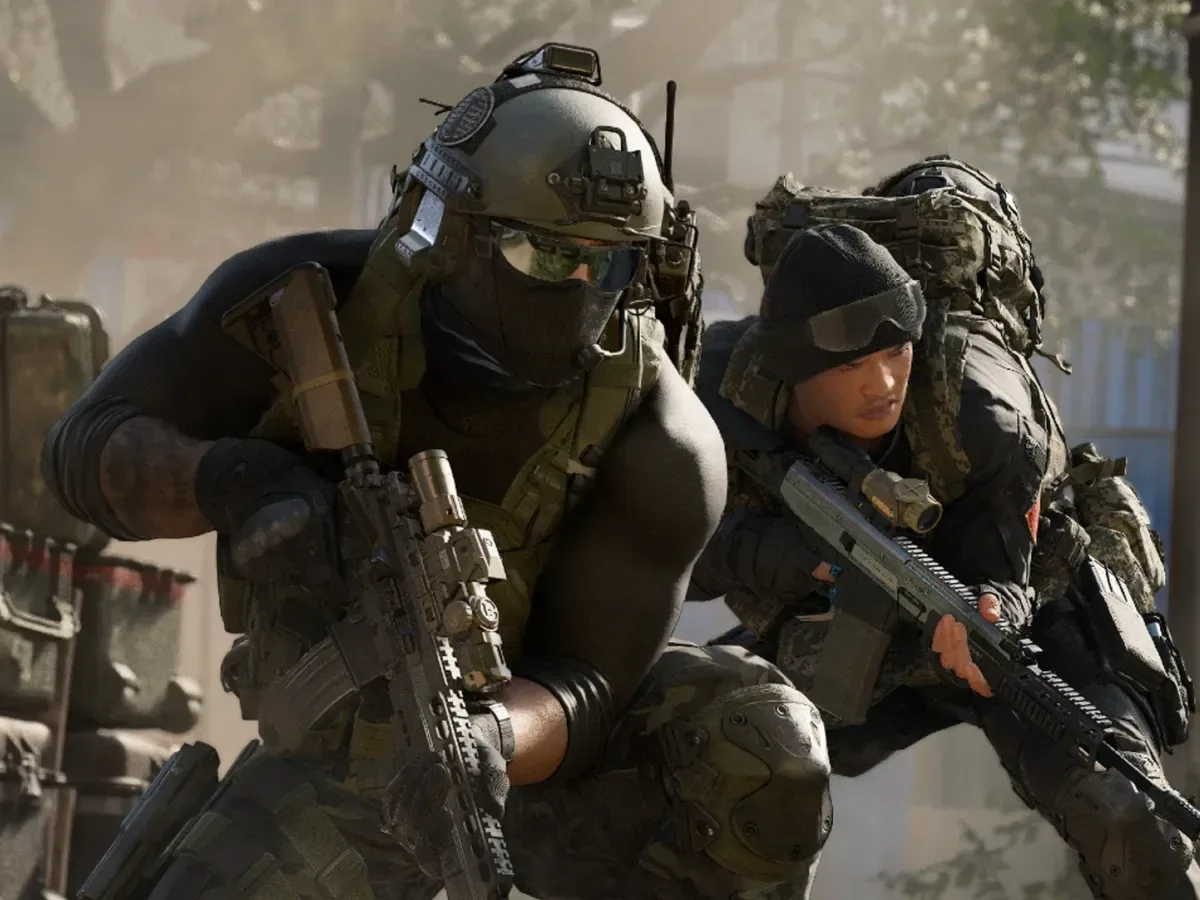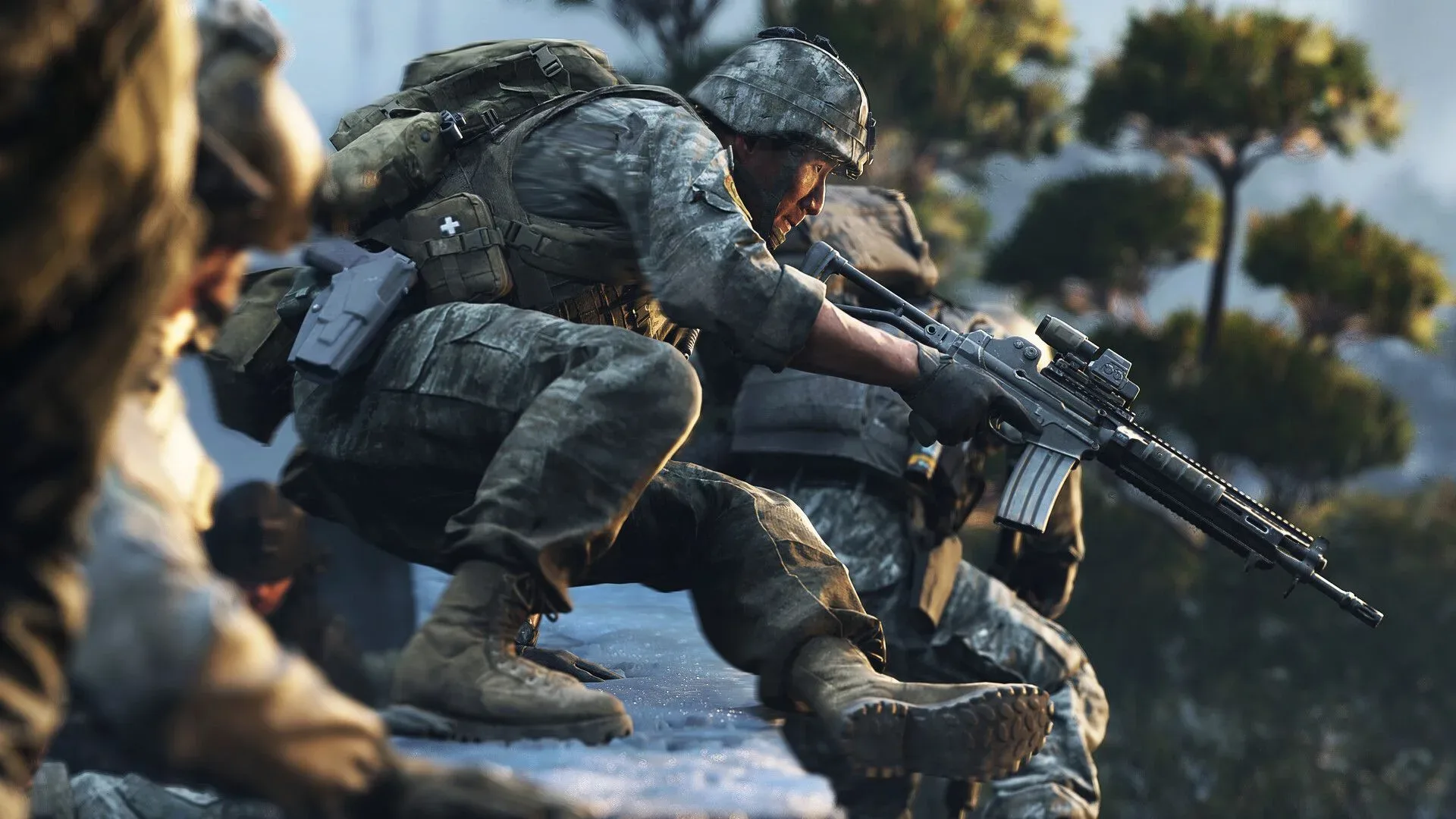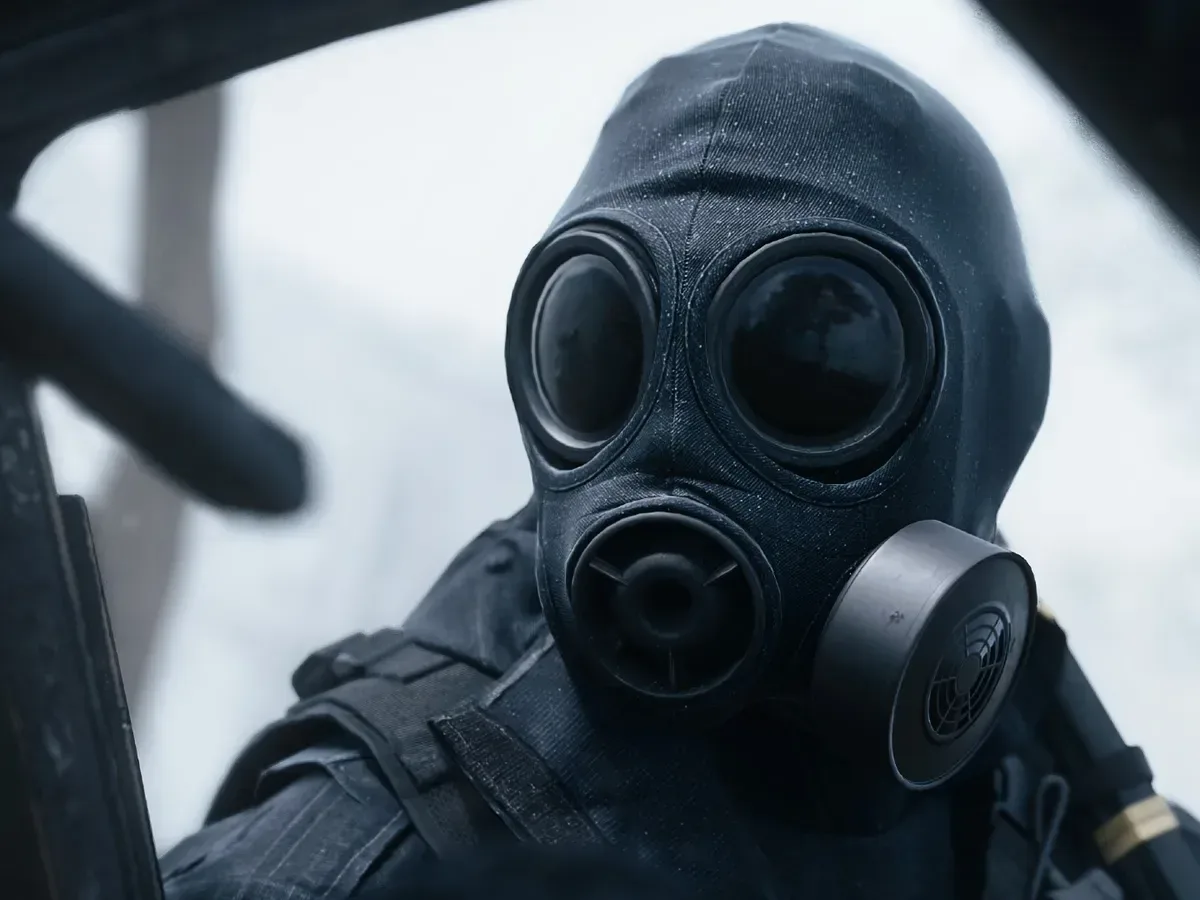
Call of Duty: Modern Warfare 4 will launch with a newly expanded version of DMZ, an extraction mode built around a more consequential deployment loop than its earlier incarnation. Infinity Ward has outlined a 70-level progression system, operator-based advancement, a forward operating base, craftable equipment and a map whose dangers can escalate in response to player behavior.
DMZ first appeared in 2022’s Modern Warfare II. Its return in Modern Warfare 4 is not framed as a side activity with low-pressure scavenging. The stated goal is an “action extraction shooter” where AI threats, bosses and hostile players should keep a deployment tense, while losses carry forward beyond a single match.
The mode is due alongside Modern Warfare 4 on October 23. Unlike the Modern Warfare II version, this DMZ will not be free-to-play.
What “extraction shooter” means for DMZ
An extraction shooter is structured around entering a match space, gathering resources or completing objectives, and getting out successfully. The crucial idea is that reaching the exit is not merely a menu step after a round: extraction is what preserves the value of a run. Failure can mean losing gear, supplies or progress that was at risk during that deployment.
Infinity Ward’s description suggests DMZ is leaning much harder into that risk-and-reward structure this time. Players build and level an operator, and the operator defines their time in DMZ. If that character dies, bringing them back comes at a cost. Specifics on that cost have not been detailed, but the design intent is clear: an operator is meant to be more than a disposable multiplayer avatar.
There is a second, related risk. Lootable items can be permanently lost when a player dies or discards them. That makes the choice to continue exploring more meaningful. A squad may see one more location, boss encounter or stash as an opportunity for greater rewards, but it also extends the time during which their carried items are vulnerable.
That is a notable contrast with a conventional match where equipment and progress are generally reset or largely contained within the match. Here, equipment management is part of the persistent game. The mode’s 70-level progression system and promised rewards add a longer-term layer, while the threat of losing items gives individual deployments immediate stakes.
The forward operating base is the mode’s planning room
Between deployments, players will use a forward operating base. The base is positioned as a practical hub rather than simply a visual lobby, with several functions tied directly to the deployment loop:
Related coverage includes Modern Warfare 4's DMZ Returns With Higher Stakes, Operator Losses and a New Base of Operations.
- A firing range for trying loadouts.
- Crafting based on loot recovered from the world.
- Intel and mission tracking.
- Tracking for bosses and unique challenges before the next deployment.
The firing range matters because a high-stakes mode benefits from allowing players to check a build before risking an operator and their equipment. Meanwhile, the mission and intel elements indicate that DMZ’s lore and world-building will be attached to playable goals, not just broad background material.
Crafting is central to the economic loop described so far. Recovered loot can be used at a 3D printer to make armor plates, consumables and gear. A menu shown in gameplay also appears to include killstreak-style options or AI-controlled fire support. The available evidence supports the presence of those menu categories, but it does not establish every final craftable item or how expensive each recipe will be.
Practically, that means loot is not valuable only because it can be carried out or collected. It may also become the ingredient that turns a successful extraction into better preparation for a later run. This is the sort of loop that could give even modest finds a purpose, provided the crafting costs, item scarcity and operator recovery rules are balanced carefully. Those detailed numbers have not yet been shared.
Noise, stealth and escalating danger
DMZ’s map will use differing threat levels across its regions. More importantly, those levels can rise based on player actions. Loud, aggressive activity can draw attention and cause enemies to search for the player. Infinity Ward has presented this as a way to prevent deployments from becoming long stretches of low-friction container opening.
Stealth is the alternative route. Silenced weapons, melee takedowns and cautious movement can help players avoid the highest level of conflict. This does not mean a stealthy path is confirmed to be safe; the mode is explicitly built around pressure from AI, bosses and other players. It does mean that a team’s approach has consequences beyond simple weapon choice.
For players, the useful takeaway is that loadout decisions may affect the entire tempo of a run. A loud approach may speed up a fight or help a squad overpower opposition, but it risks attracting more threats. A quiet approach may preserve resources and reduce attention, but it likely asks for more patience and coordinated movement. The system is designed to make “how” players move through an objective as important as the objective itself.
Enemy variety is intended to reinforce this pressure. Infinity Ward has identified drones, helicopter patrols, vehicle patrols, tanks and tougher enemy types among the opposition. Bosses are also part of the broader structure. No complete list of bosses, their locations or their rewards has been supplied, so it remains unclear how often they will appear and whether they will be optional, roaming or tied to specific missions.
Exploration still has a purpose within this danger. Moving deeper into the game world can reveal more loot and secrets. The tension lies in deciding whether the potential discovery outweighs the risks of additional encounters, escalating attention and a more difficult extraction with valuable items in hand.
Why the operator-loss system is the major change
The most consequential element in the outline is the operator system. Infinity Ward has said player feedback indicated the first version did not create enough stakes. Making a character’s death costly is a direct answer to that criticism, because it ties the emotional and mechanical impact of a failed deployment to something that persists.
There is an important distinction between a system being punishing and a system creating meaningful stakes. A costly loss can make escapes exciting and planning worthwhile, but its success will depend on how clearly the game communicates risk and how reasonable recovery feels. The current information confirms a cost to bringing an operator back, not the exact penalties, recovery method or any protection systems. Those are the details that will determine whether newcomers can learn the mode without feeling locked out after setbacks.
The wider design points toward DMZ becoming a more deliberate counterpart to standard Call of Duty multiplayer: one that asks players to prepare, choose a route, decide when to fight and weigh the value of every extra minute on the map. That direction also fits a broader interest in extraction games, including projects whose future has reached beyond games, as explored in the continuing creative questions around Arc Raiders and The Finals.
Live support could change each season’s risks
Infinity Ward has also promised ongoing support after launch, including map changes and dynamic weather that can vary by season. The commitment is significant because persistent extraction modes depend on reasons to revisit familiar spaces. A changed map can alter routes, hotspots and the value of different objectives, while weather could affect the feel of a deployment and the decisions players make in it.
However, the available outline does not specify which weather conditions are planned, how dramatically they will change play, or a schedule for map updates. Those elements should be treated as planned support rather than final, fully detailed systems.
For now, the firm picture is a DMZ designed around consequences: operators worth protecting, loot that can disappear, a base that turns recovered material into future preparation, and a world that becomes more dangerous when players make themselves known. Whether that formula delivers satisfying pressure will depend on its final tuning, but Infinity Ward is clearly making extraction—not simply entering the map—the point of the mode.