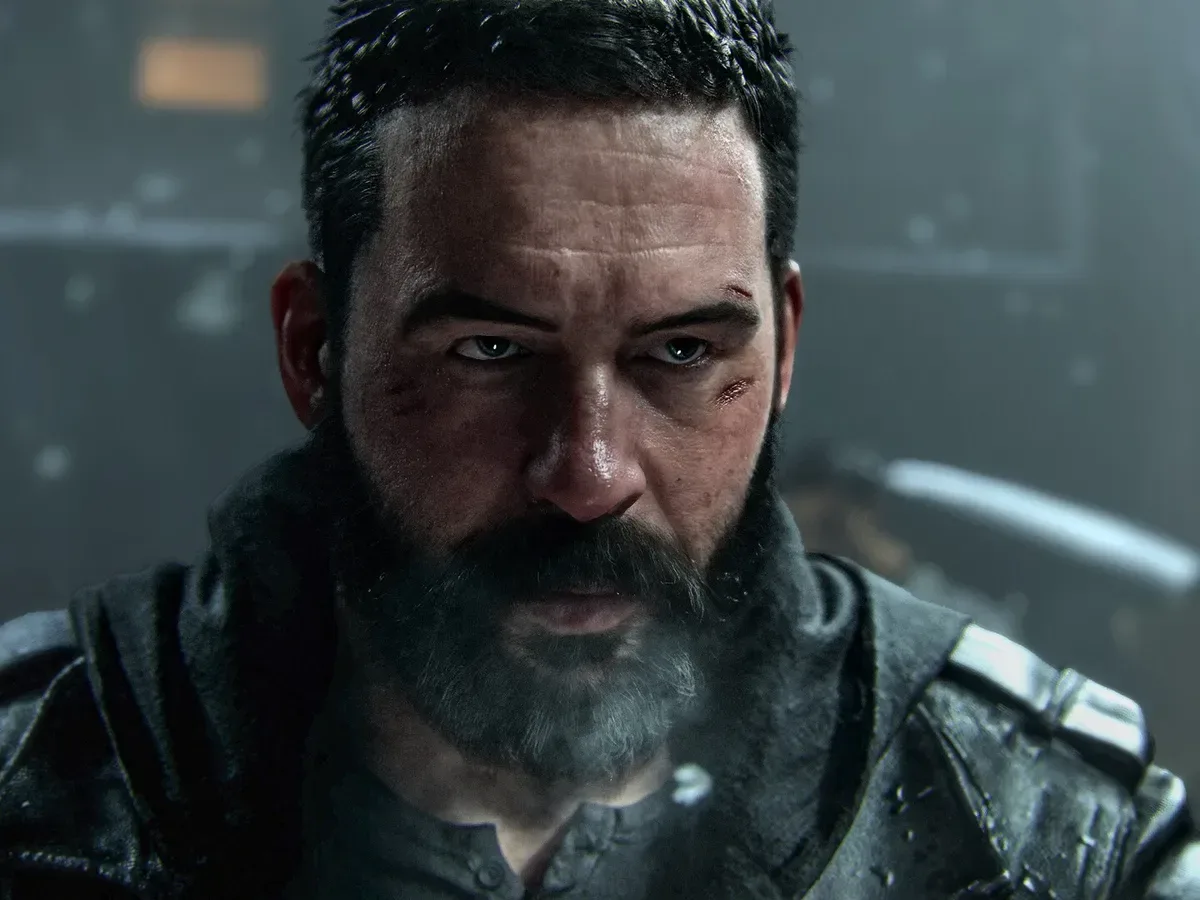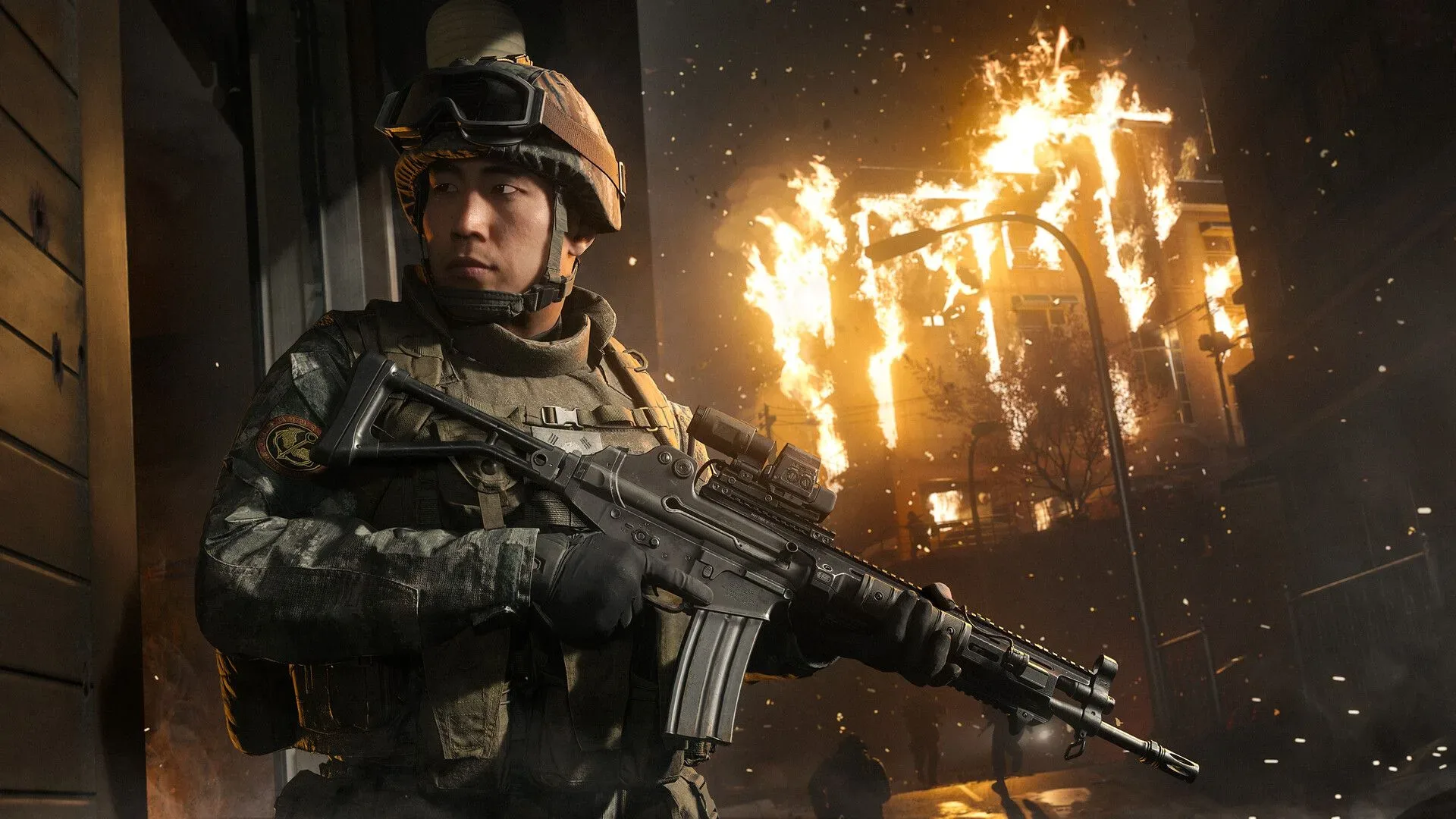
Call of Duty: Modern Warfare 4 has received a pre-launch update focused largely on DMZ, its extraction-shooter-style mode, with fixes aimed at enemy AI behavior and progression. The patch is available now for players with pre-order access, ahead of the game’s full launch on October 23.
The update also includes a campaign correction for Counter Attack. Progression could be blocked in that mission’s hotel portion; that issue is listed as fixed.
DMZ receives the largest set of changes
DMZ is the center of this update, which makes sense given that it asks players to manage combat, survival, objectives and eventual extraction in the same match. A fault in any one of those systems can have a bigger effect than it might in a conventional multiplayer round. Losing a match is one thing; losing it because an opponent behaves in a way players cannot reasonably answer is another.
Two reported cases of overreaching enemy AI have been addressed. In one, AI enemies could knock players over while they were infilling. Infilling is the moment a player enters a match area, so it is a transition where control, positioning and readiness can be limited. An enemy action that bowls over a player during that phase can create an abrupt setback before they have properly begun their run.
The other adjustment concerns AI enemies reaching locations they should not be able to access while a player is downed. Being downed generally means a player has not been eliminated outright but is incapacitated and dependent on revival or a recovery opportunity. That state is naturally vulnerable. If an AI opponent can reach a protected or otherwise unintended location at that moment, the player may have little meaningful ability to respond.
Neither fix necessarily makes DMZ easy. It instead addresses the boundary between intended pressure and behavior that can feel like the rules have briefly stopped applying. Extraction modes depend on tension: combatants, objectives and the threat of losing a successful run should keep decisions consequential. But that tension is strongest when players can understand why an encounter went wrong and what they could do differently next time.
Why AI pathing matters in an extraction mode
“AI pathing” describes the systems that determine where computer-controlled enemies can travel and how they navigate toward a target. In a game with complex environments, those systems have to account for doors, interiors, elevation, cover and states such as a player being incapacitated. The patch’s downed-player fix indicates a situation in which an AI route or access rule was not behaving as intended.
For players, the practical implication is straightforward: a downed position should now be less likely to become impossible solely because an enemy reaches a spot that appears unavailable to it. That does not promise survival, a revive or a clean escape. It does mean that a particularly frustrating category of failure is being addressed before the wider launch audience arrives.
Related coverage includes Modern Warfare 4 Update Targets DMZ AI, XP Bugs and Campaign Progression Before Launch.
The infill change is similarly important because it concerns the opening of a run. Early-match disruption can distort every decision that follows, from resource gathering to squad movement. A player who is knocked over at the wrong moment may enter the match already separated, exposed or forced to spend time recovering rather than setting a plan with their team.
There are also smaller fixes for visuals and mechanics in the update. Specific details of those corrections are not provided here, but their inclusion matters because early-access periods often expose interactions that are difficult to identify until a large group of players approaches the same systems in unexpected ways.
XP fixes tackle the reward loop, not just a number on screen
The patch addresses an issue in which players could be told they had earned zero XP after their first match. XP, short for experience points, is the progression currency used to reflect play and advance a player through a game’s reward structure. Even where a zero-XP result is only a reporting or crediting bug, it creates an immediate problem: players cannot tell whether their time has been recognized correctly.
That is particularly awkward after a first match. First sessions are when players form impressions of a game’s pace, systems and rewards. A result that says “zero” can make legitimate advancement look absent, even if the underlying problem is technical rather than intentional design. The update is intended to correct that outcome.
Another progression fix involves the King Slayer calling card. A calling card is a cosmetic player-profile reward or identity marker, rather than a gameplay advantage. The relevant issue meant that only the squad member who secured the Commander kill received the associated XP, even when the encounter had been completed as a team.
A Commander is presented here as a noteworthy AI target with a reward tied to its defeat. Squad play complicates the usual “who got the kill?” question. One player might deal the final blow, while others provide cover, revive teammates, draw enemy attention or contribute damage. Restricting credit to the final eliminator can make a cooperative objective feel needlessly competitive.
With the fix, the patch aims to ensure the relevant King Slayer XP is not limited to the person who lands that final kill. For regular squads, that should make Commander encounters less likely to produce an argument over whether everyone’s contribution counted.
What players should watch for after installing the update
Players returning to DMZ can reasonably focus on a few concrete checks. First, their initial match should no longer display zero XP because of the addressed bug. Second, squads pursuing a Commander for the King Slayer calling card should pay attention to whether the intended credit is awarded across the group. Third, players who previously encountered strange AI pressure during infill or while downed may find those scenarios behave more consistently.
It is useful to keep expectations proportionate. A patch fixing a problem does not mean every difficult DMZ moment has been removed, nor does it turn a high-risk mode into a predictable one. The stated changes are narrow: they target specific AI behaviors and progression failures, along with various smaller visual and mechanical problems. Players who see a different issue should not assume it was included simply because it involves AI or XP.
The timing is notable because the game is not yet fully released. Pre-order players have been able to play for several days, providing a window for these issues to be identified and addressed before October 23. More updates in the immediate lead-up would not be surprising, especially for a mode built from many interacting systems: player squads, AI combatants, navigation, objectives, rewards and extraction.
The campaign fix is smaller in scope but no less important
Outside DMZ, the update fixes progression in the hotel segment of the campaign mission Counter Attack. Campaign progression blockers are distinct from balance complaints. A balance problem can make an encounter feel too hard or too easy; a blocker can stop a player from continuing even after doing what the mission expects.
For anyone starting or resuming the campaign, the practical takeaway is simple: the hotel section of Counter Attack is specifically named in the patch as an area where progression has been corrected. Players who were stuck there may want to update before trying again rather than repeatedly replaying the same portion under the assumption they missed an objective.
This is also a useful reminder that progression problems can take different forms. In DMZ, the affected progression is tied to XP and reward recognition. In the campaign, it concerns moving forward through a mission. Both affect the feeling that a game is responding reliably to player actions, but they require different fixes and produce different frustrations.
Analysis: early fixes are about trust as much as stability
There is a common thread across the named changes: each concerns whether the game’s systems behave in a legible, fair way. An AI enemy entering an unintended location while a player is downed can look unfair. A first-match XP result of zero can look as if a player’s effort vanished. A squad reward assigned only to the final killer can overlook collective play. A campaign blocker can make the next objective unknowable because there is no next objective at all.
Addressing those issues before the full launch helps establish clearer expectations. Players can still lose in DMZ, still face dangerous AI and still need to coordinate for major targets. What the patch is positioned to remove are cases where losses or missing rewards may seem disconnected from ordinary player decisions.
That distinction is worth preserving as Modern Warfare 4 approaches October 23. Difficulty is part of a game’s intended challenge. A technical issue is something else: it changes the conditions under which the challenge is judged. This update is a focused effort to make those conditions more dependable in DMZ and to remove a specific campaign obstacle.
Progression systems remain a key part of how players evaluate ongoing modes, whether the rewards are XP, cosmetics or other recognition for completing objectives. For a broader look at how games frame active XP and reward claims, see our guide to Lanterns XP, chest, coin and reset rewards.