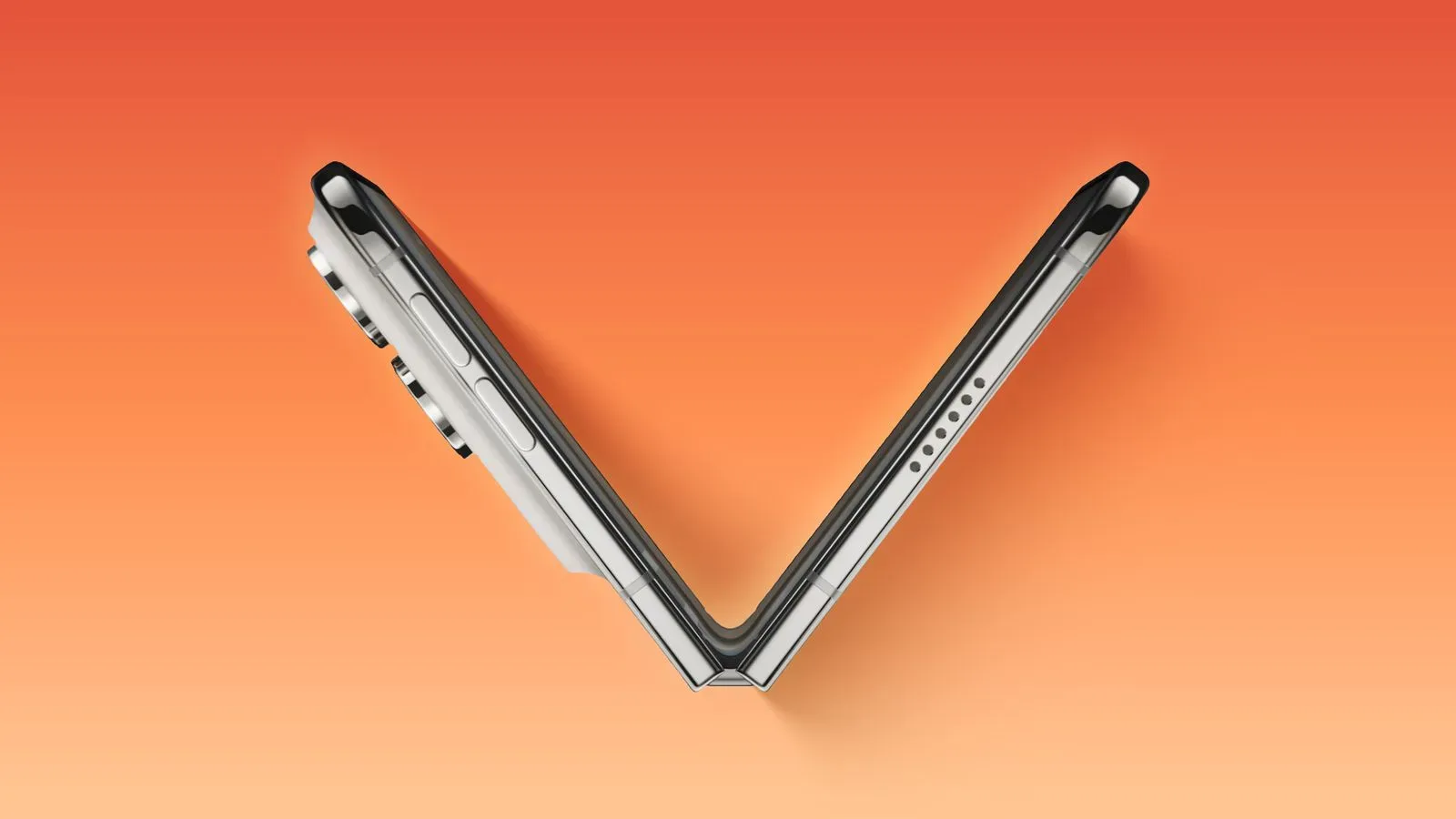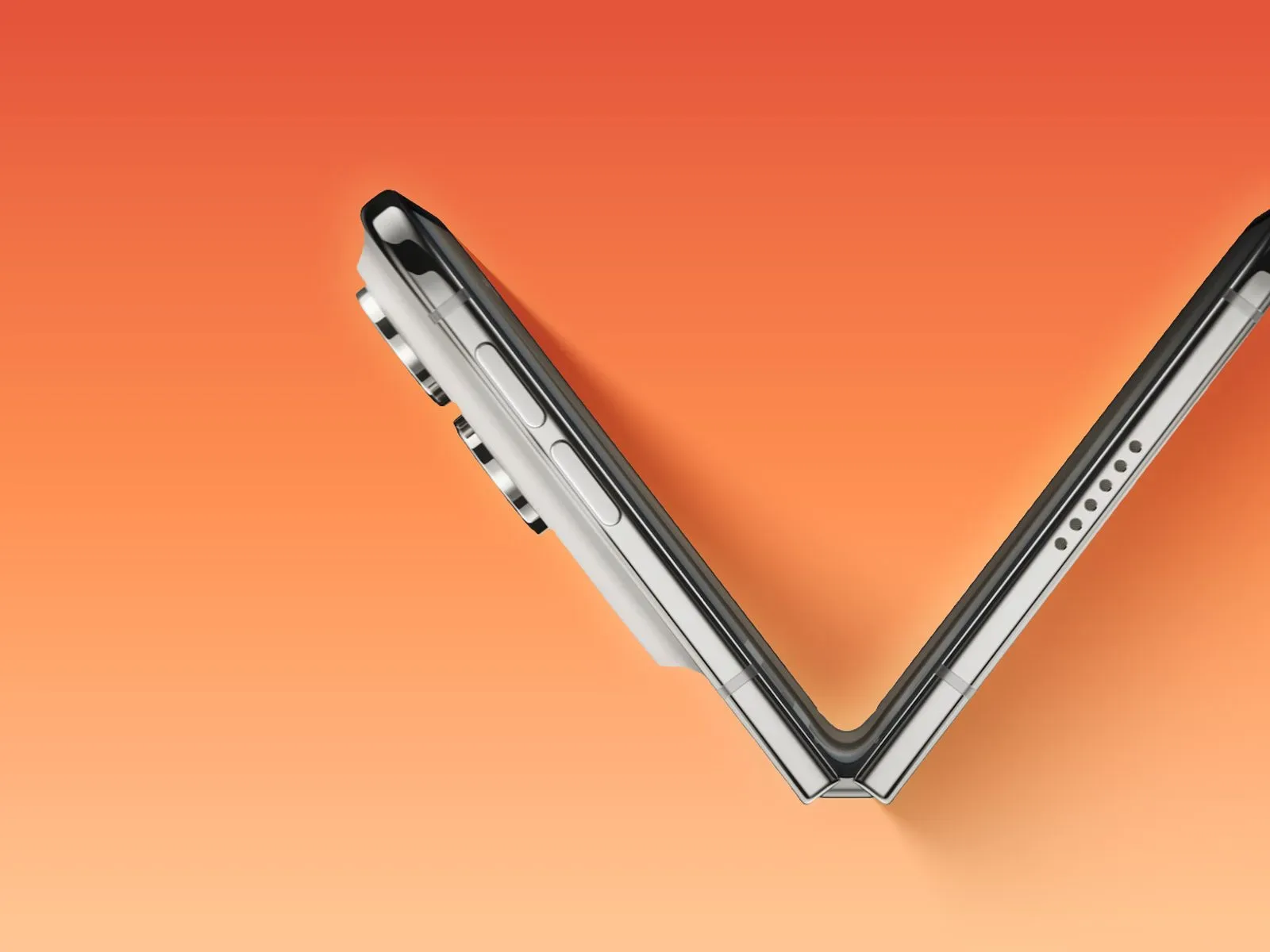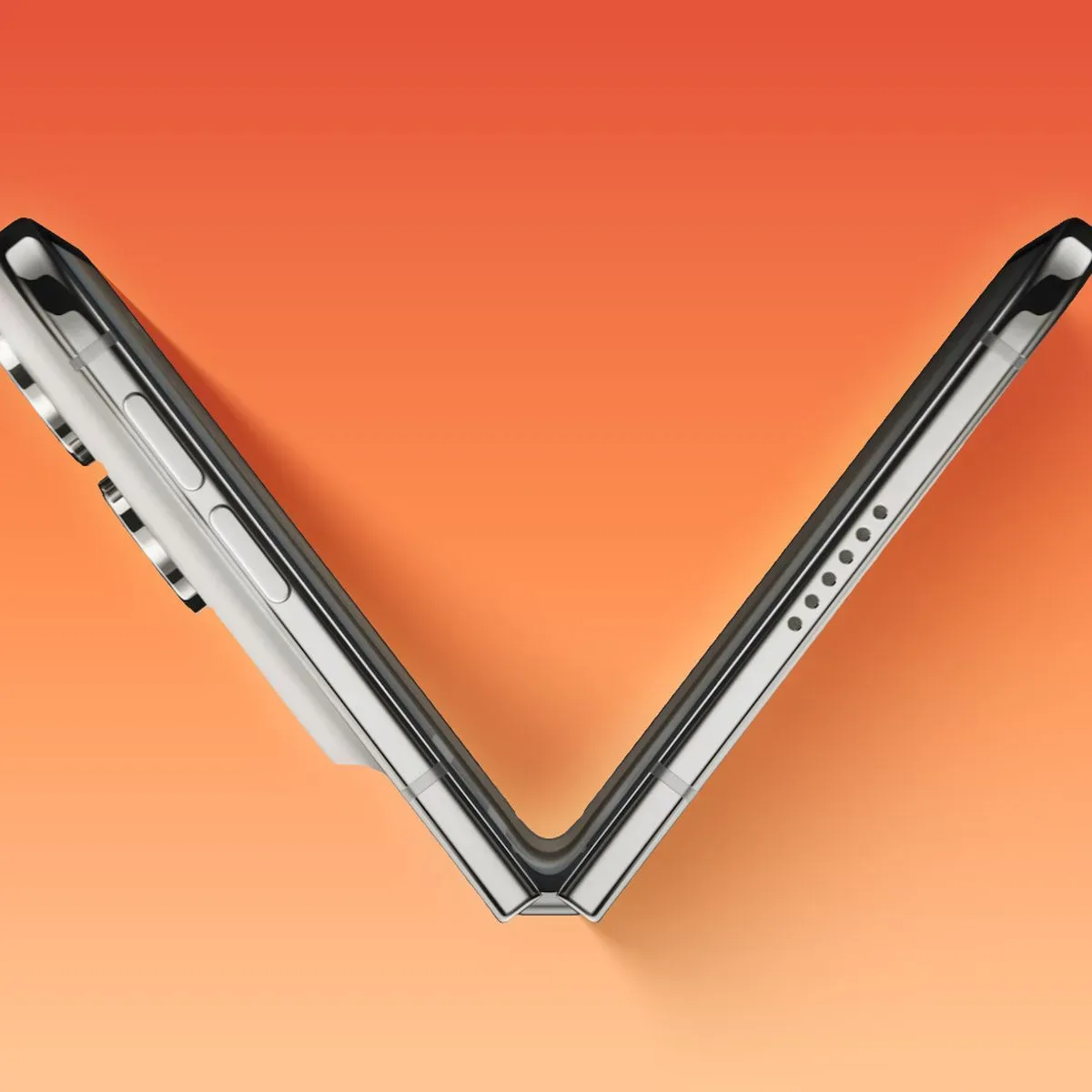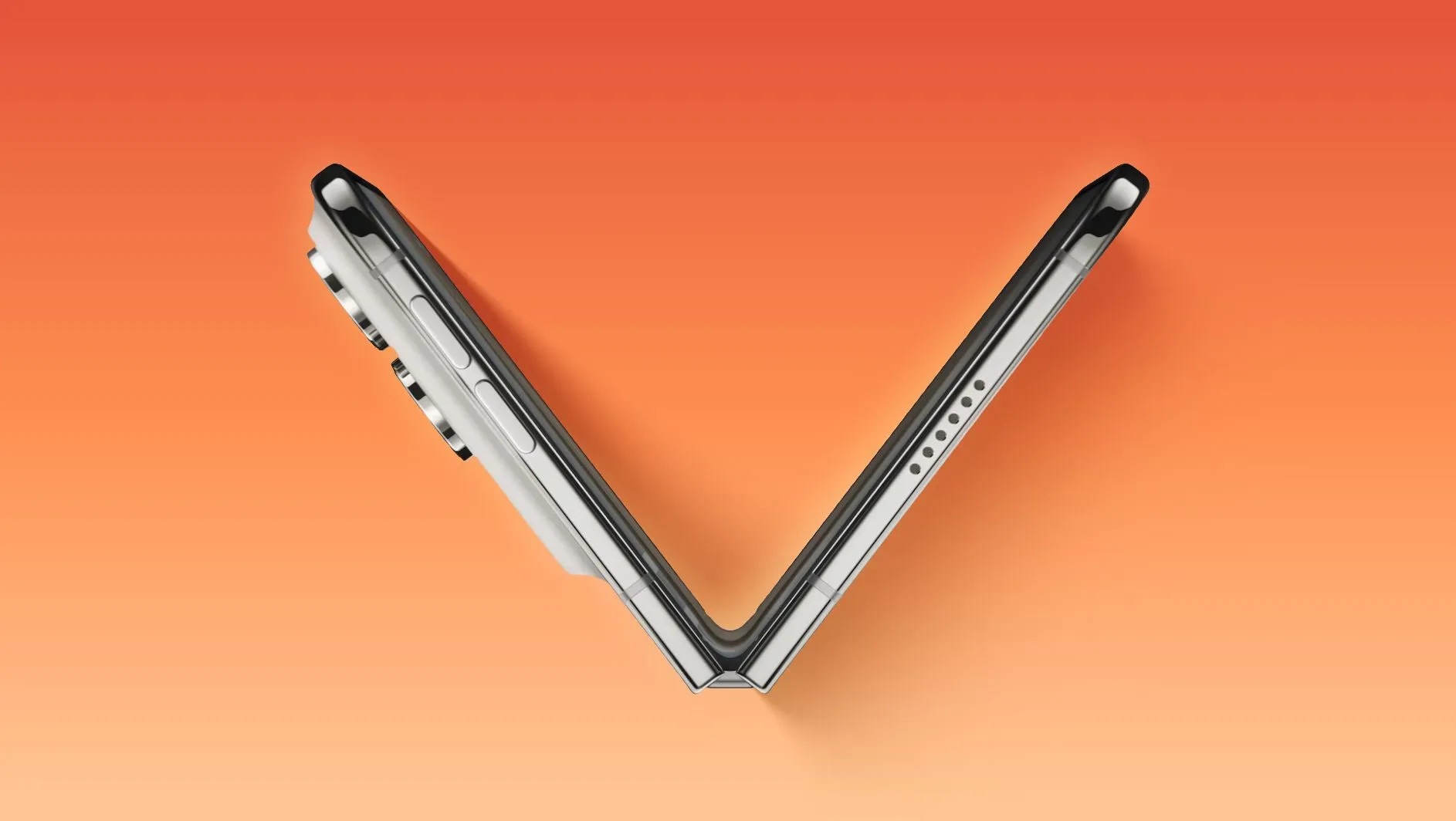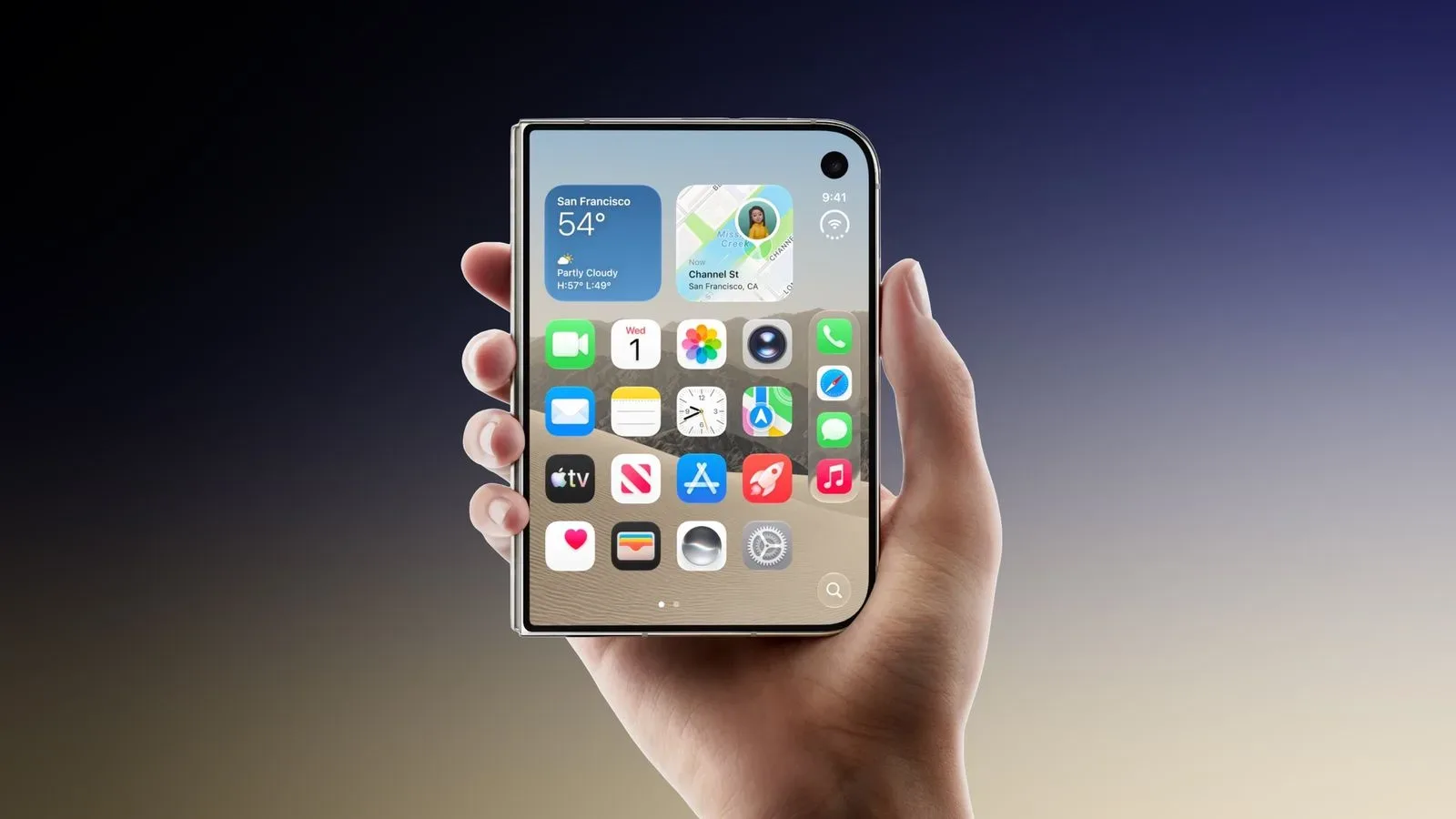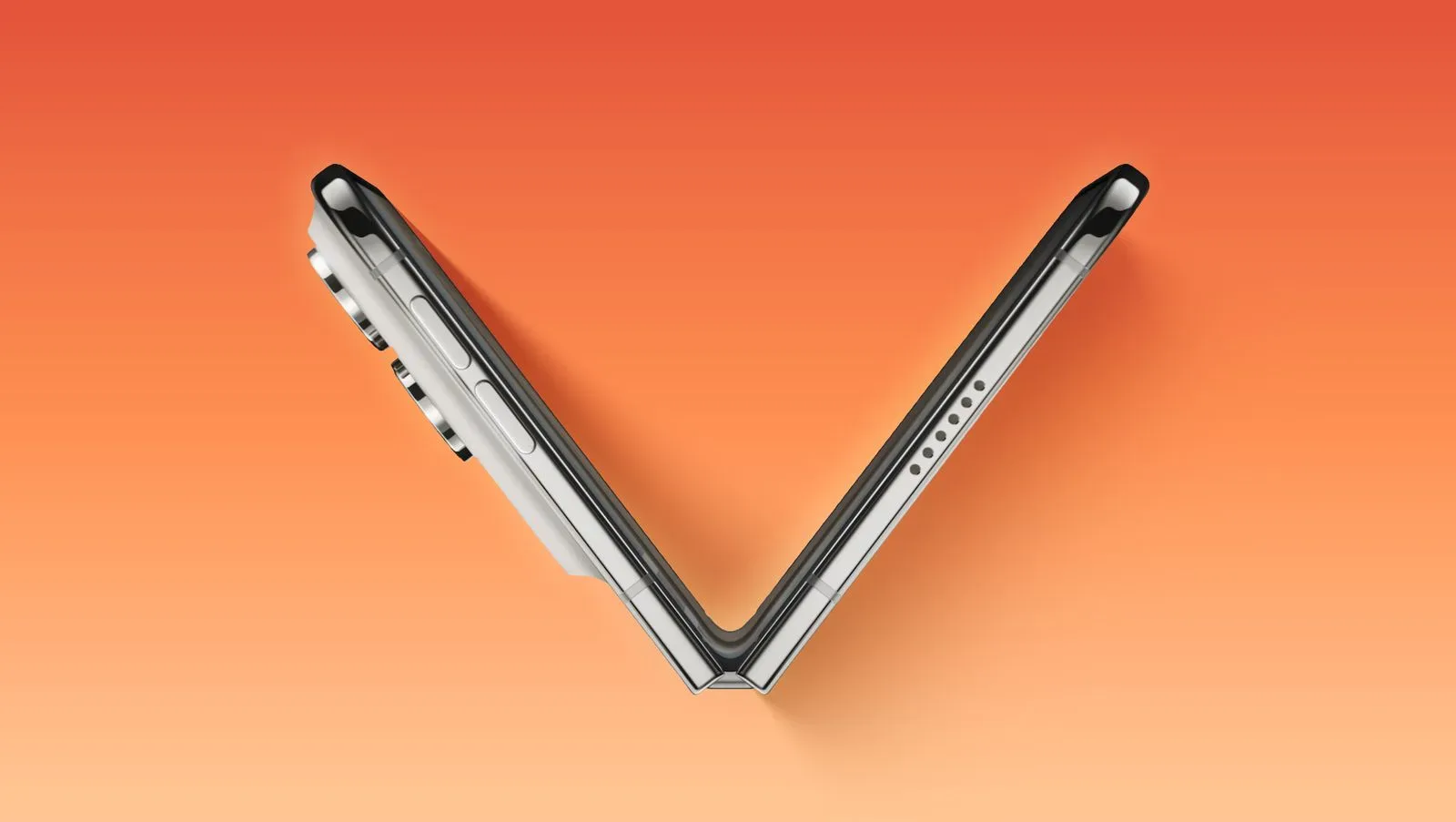
Apple’s first foldable iPhone, the iPhone Duo, has officially launched on Friday, October 23, and the opening-day situation is exactly the kind of inventory maze that makes buying new hardware feel like a side quest with no minimap.
Pre-order deliveries are now reaching customers, but the central fact for anyone who did not order early is simple: stock is extremely limited. Apple has warned that available units may disappear quickly. Some customers may be able to buy the iPhone Duo at a physical Apple Store without a prior order, while others will need to secure a pickup reservation first. The applicable route depends on the country, and even walk-in availability can differ sharply from one individual store to the next.
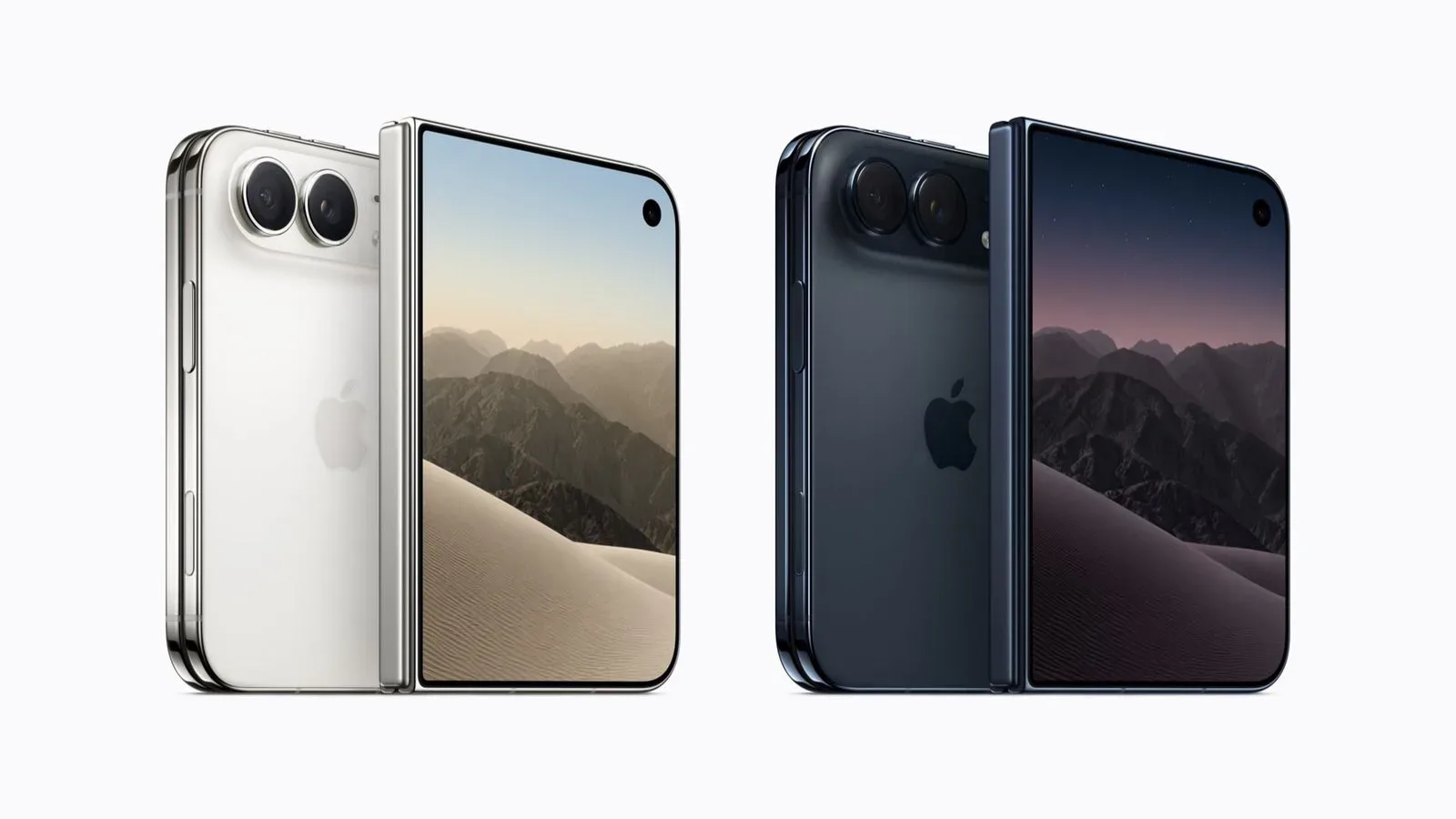
The iPhone Duo begins at $1,999 for 256GB in the United States. It comes in Star White and Night Sky, with higher-capacity options rising to $2,199 for 512GB, $2,599 for 1TB, and $3,199 for 2TB. U.S. buyers are limited to two devices per customer.
The fastest way to understand the launch: supply is local
A launch-day stock label is not a guarantee that every store has the same chance of fulfilling it. Inventory is allocated at the store level, so two Apple Stores in the same broad region can have very different outcomes. One location can have enough units to handle walk-in traffic, while another may have exhausted its allocation or may be operating only through reservations.
That is particularly important for the iPhone Duo because demand appears to have moved much faster than the initial supply. Pre-orders began October 16, and shipping estimates for newly placed online orders slipped as far as January 25 within the first 30 minutes. That rapid movement does not tell us how many units Apple made, nor does it guarantee a particular buyer will wait until January. It does establish that the online queue became long almost immediately.
Analysis: a later online shipping estimate and a store’s same-day stock should be treated as separate availability channels. The first reflects the place of a new order in an online fulfillment queue. The second reflects whether a particular retail location has a device allocated for sale or pickup. A long online estimate does not automatically mean every shop is empty; equally, a single store with units does not mean a wider restock is underway.
Countries where walk-in purchasing is permitted
Apple Stores have limited iPhone Duo stock for walk-in customers in the following places:
- United States
- United Kingdom
- Canada
- Australia
- Mexico
- Several European countries
“Walk-in” is the useful term here, but it should not be read as “guaranteed purchase.” It means a buyer can visit a participating Apple Store and attempt to purchase without already holding a pickup reservation. Whether that succeeds comes down to that location’s live inventory and the number of customers arriving before it is gone.
There is at least one example of the local variation at play: the Apple Store in Edinburgh was able to complete an iPhone Duo purchase early on launch morning, and staff there indicated the store had received more units than expected. That is encouraging for people near that specific location, but it is not evidence that every Apple Store received an expanded allocation.
For a prospective walk-in buyer, the practical implication is to avoid turning one location’s report into a national availability forecast. If a store has stock, it may be a short-lived condition. If it does not, that does not establish that nearby stores are also empty.
Markets where a pickup reservation is required
Walk-in iPhone Duo purchases are not available in the following markets. Customers there need a pickup reservation:
- France
- China
- Hong Kong
- India
- Japan
- Malaysia
- South Korea
- Taiwan
- Thailand
- United Arab Emirates
A pickup reservation is different from merely traveling to a store hoping that stock is on the shelf. It is an online reservation process that associates a device allocation with a selected store and collection arrangement. For customers in these markets, the reservation is not simply the more convenient option; it is the required route for in-store pickup.
That distinction matters because it prevents a wasted trip. Where reservations are mandated, apparent demand, store-opening timing, or reports of stock elsewhere do not create a walk-in path. The actionable question is whether the pickup reservation system is showing an eligible store and device configuration.
What Saturday could mean for U.S. pickup shoppers
Apple’s U.S. online store advised customers earlier in the week to check back on Saturday, October 24, for Apple Store pickup reservations. That message suggests that the pickup system may receive inventory updates quickly after launch day.
It is important not to overstate that signal. It is not a promise that every U.S. store will have stock on Saturday, or that every capacity and color will appear. It does, however, give buyers who missed the preorder window a specific time-based reason to check the official pickup flow again rather than relying only on the long delivery estimate attached to a new online order.
Practical reading of the situation:
- If you are in a walk-in market and want a device immediately, a physical store may be an option, but local inventory is the deciding factor.
- If you are in a reservation-only market, focus on the pickup reservation system rather than visiting a store without one.
- If you are in the U.S. and missed launch-day inventory, checking again on October 24 is reasonable because Apple has specifically directed shoppers to revisit pickup reservations then.
- If immediate possession is less important than simply securing an order, recognize that newly placed online orders have already encountered delivery estimates extending to January 25.
Capacity, colors and the cost of choosing flexibility
The baseline iPhone Duo configuration offers 256GB for $1,999. Apple also sells 512GB for $2,199, 1TB for $2,599, and 2TB for $3,199. Buyers can choose between Star White and Night Sky.
Those figures make configuration choice more consequential than it can be for a routine phone purchase. Moving from the 256GB model to 512GB costs an additional $200. The increase from 512GB to 1TB is $400, while the leap from 1TB to 2TB is $600. Across the whole range, the 2TB model costs $1,200 more than the entry configuration.
Storage capacity is the amount of internal space available for apps, photos, video, downloads and local files. The supplied launch information does not establish how much space the iPhone Duo’s software uses, whether capacities will have different delivery timing, or whether one color is more plentiful than another. It would therefore be speculation to tell buyers that a particular configuration is easier to find.
Still, the basic tradeoff is clear: the exact configuration can matter during a constrained launch. A buyer who is committed to one color and one storage tier has fewer possible matches than someone willing to consider either finish or several capacities. That is an availability principle, not a claim about the iPhone Duo’s inventory mix. No model should be bought just because it happens to be visible for pickup if the price and storage are a poor fit for the buyer’s needs.
The two-device U.S. limit and why it matters
In the United States, Apple is limiting iPhone Duo purchases to two per customer. The policy establishes a ceiling for a single purchaser, but it does not make the product broadly available. With a launch already marked by lengthy new-order estimates and restricted store supply, the limit is best understood as a purchase rule rather than a stock guarantee.
For legitimate buyers, the clearest consequence is administrative: do not expect to buy more than two iPhone Duo units through Apple in the U.S. during this launch period. People buying for a household, a business, or other multiple-device use should account for that limit before making a plan around one purchaser.
For everyone else, the useful takeaway is less dramatic. The limit may curb some large single-customer orders, but it cannot reveal store inventory, shorten online delivery estimates, or override the reservation requirement in markets where one applies.
How this launch differs from an ordinary online checkout
At a normal product launch, buyers can often treat a product page’s shipping date as the complete answer. The iPhone Duo’s debut has three overlapping paths instead:
- Pre-order delivery: devices ordered from the October 16 opening are now arriving for some customers.
- New online orders: shipping estimates rapidly moved out, with newly placed orders reaching January 25 within 30 minutes of pre-orders beginning.
- Apple Store acquisition: availability depends on country rules, reservations where required, and the individual store’s stock.
That division explains why reports can seem contradictory without actually being so. A customer can be receiving a preorder today while a new online shopper sees a January delivery estimate, and another buyer may still find limited in-store inventory. Each person is using a different part of the launch pipeline.
For more coverage of the commercial side of the release, including the surrounding trade-in, case and Mac hardware offers, see our look at iPhone Duo launch deals.
A sensible buying checklist for launch weekend
The evidence supports a straightforward approach, without pretending there is a universal shortcut around tight supply:
- Confirm your market’s rule first. Determine whether walk-in buying is permitted or whether a pickup reservation is required.
- Use the official pickup route where applicable. This is essential in France, China, Hong Kong, India, Japan, Malaysia, South Korea, Taiwan, Thailand and the UAE.
- Expect individual Apple Stores to differ. The Edinburgh example shows that a store can receive more inventory than anticipated, but it should not be generalized to all locations.
- Recheck U.S. pickup on October 24. Apple’s direction to return then makes it the notable near-term point for prospective U.S. pickup availability.
- Know the configuration and price you will accept. The choices run from 256GB at $1,999 to 2TB at $3,199, in Star White or Night Sky.
- Keep the U.S. two-per-customer limit in mind. It applies even if a buyer finds stock.
The iPhone Duo’s first day is not a universal sellout story, nor is it a normal go-to-store-and-grab-one launch. It is a limited-supply rollout with country-specific purchasing rules, a rapidly extended online queue, and a meaningful possibility that a particular Apple Store may have units even when the broader picture looks bleak. For shoppers, the useful strategy is not chasing rumors or treating one stock report as definitive. It is matching the correct purchase method to the country, watching the relevant reservation channel, and deciding in advance which price and storage tier actually make sense.