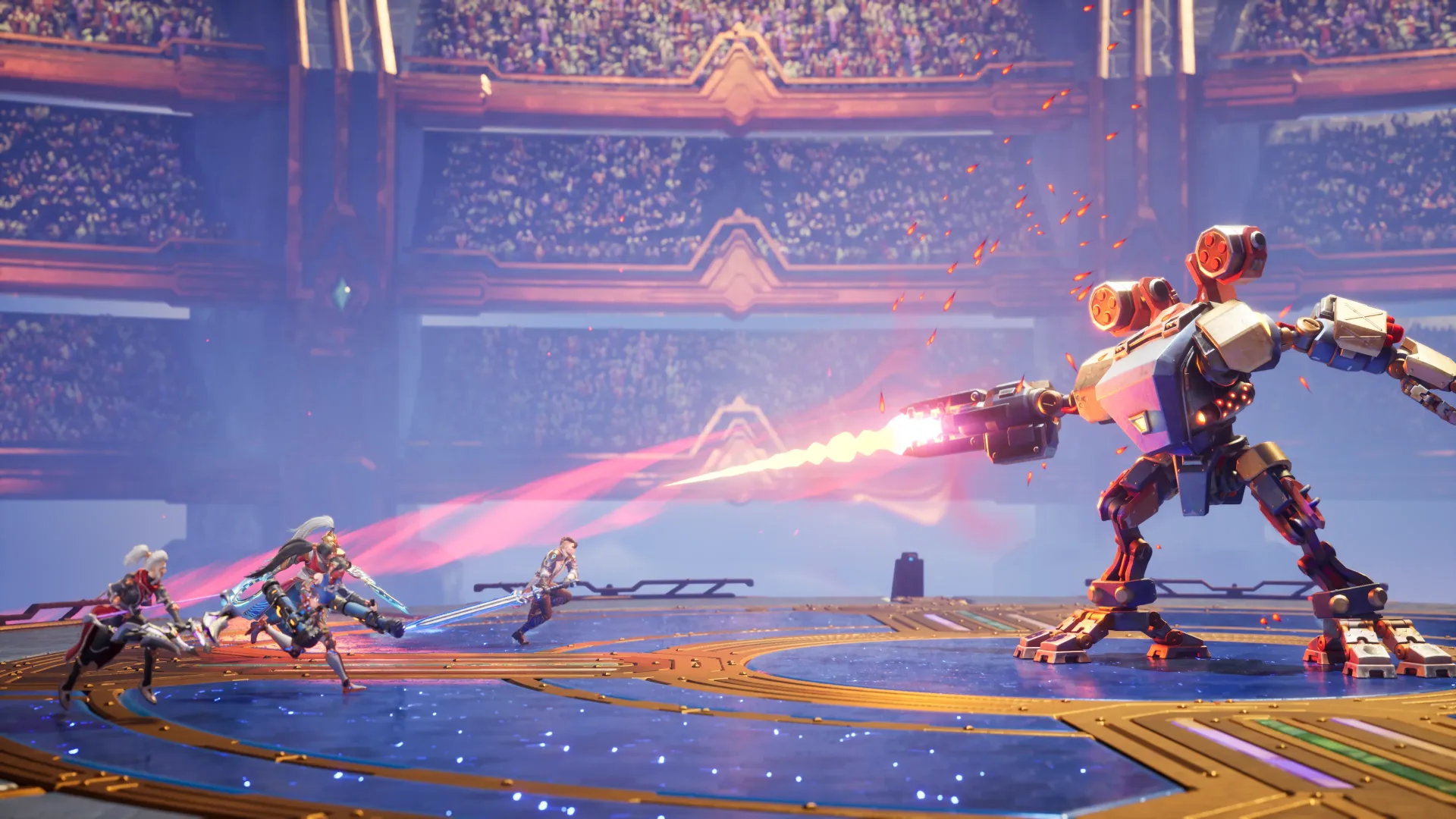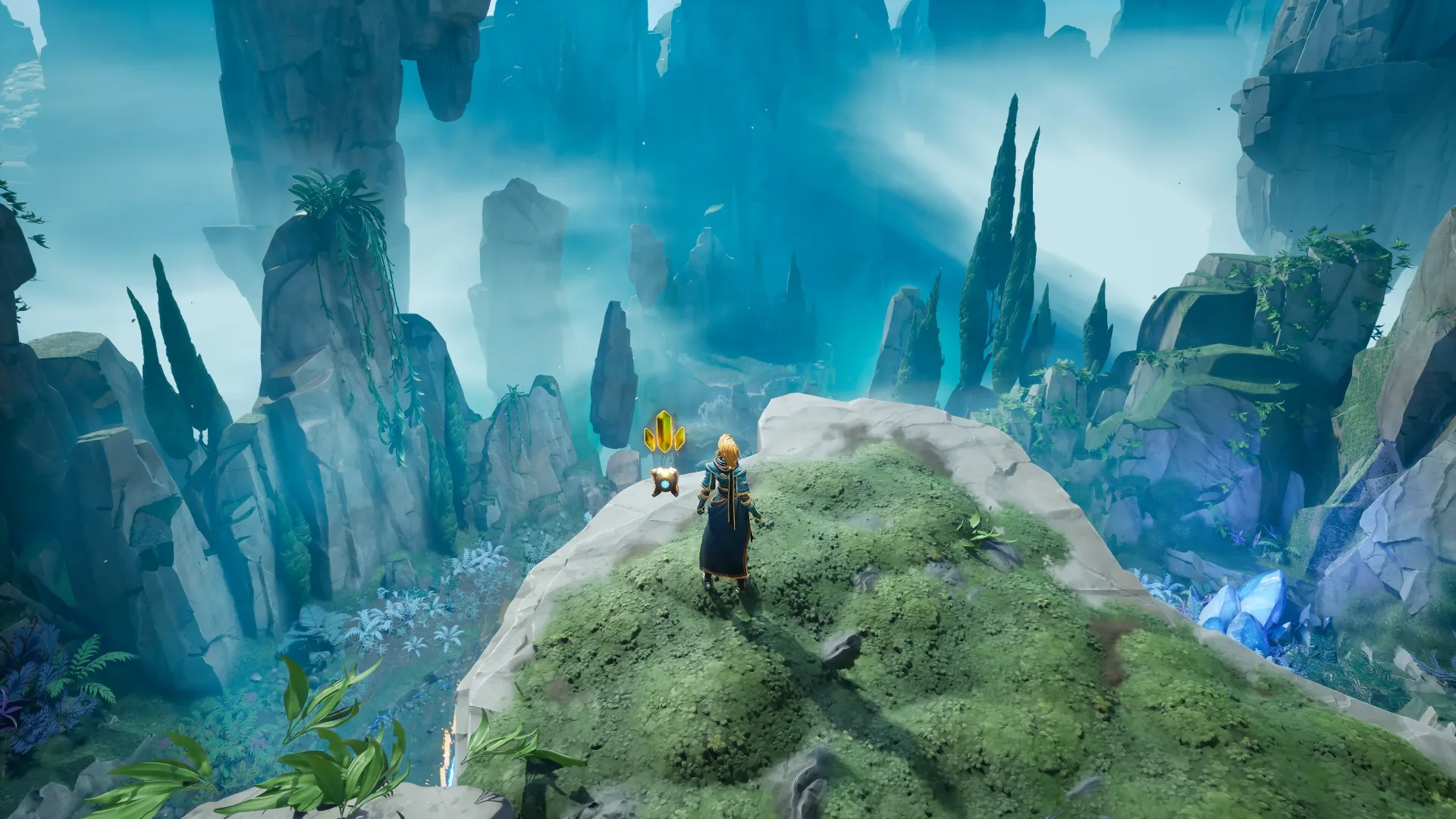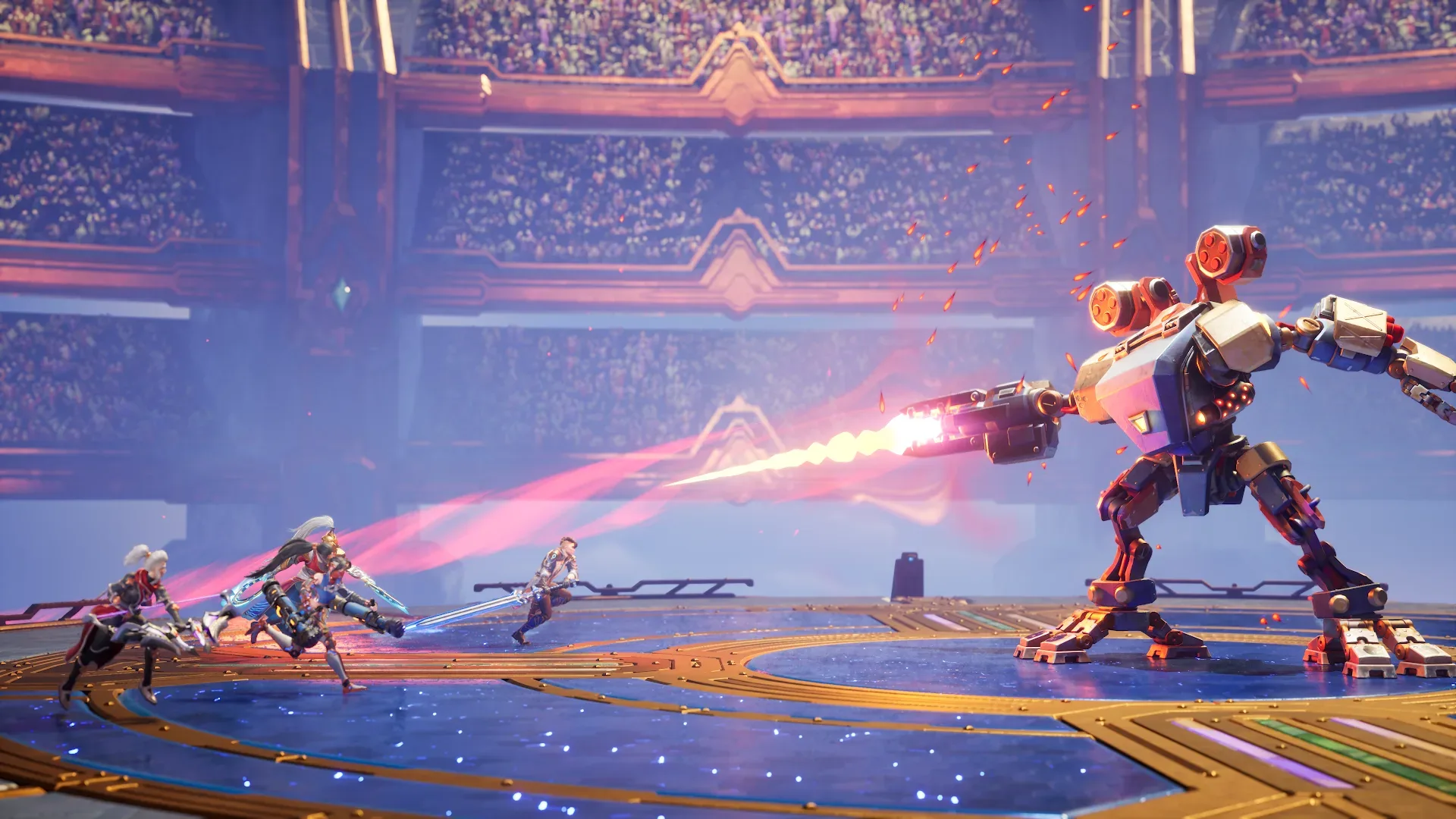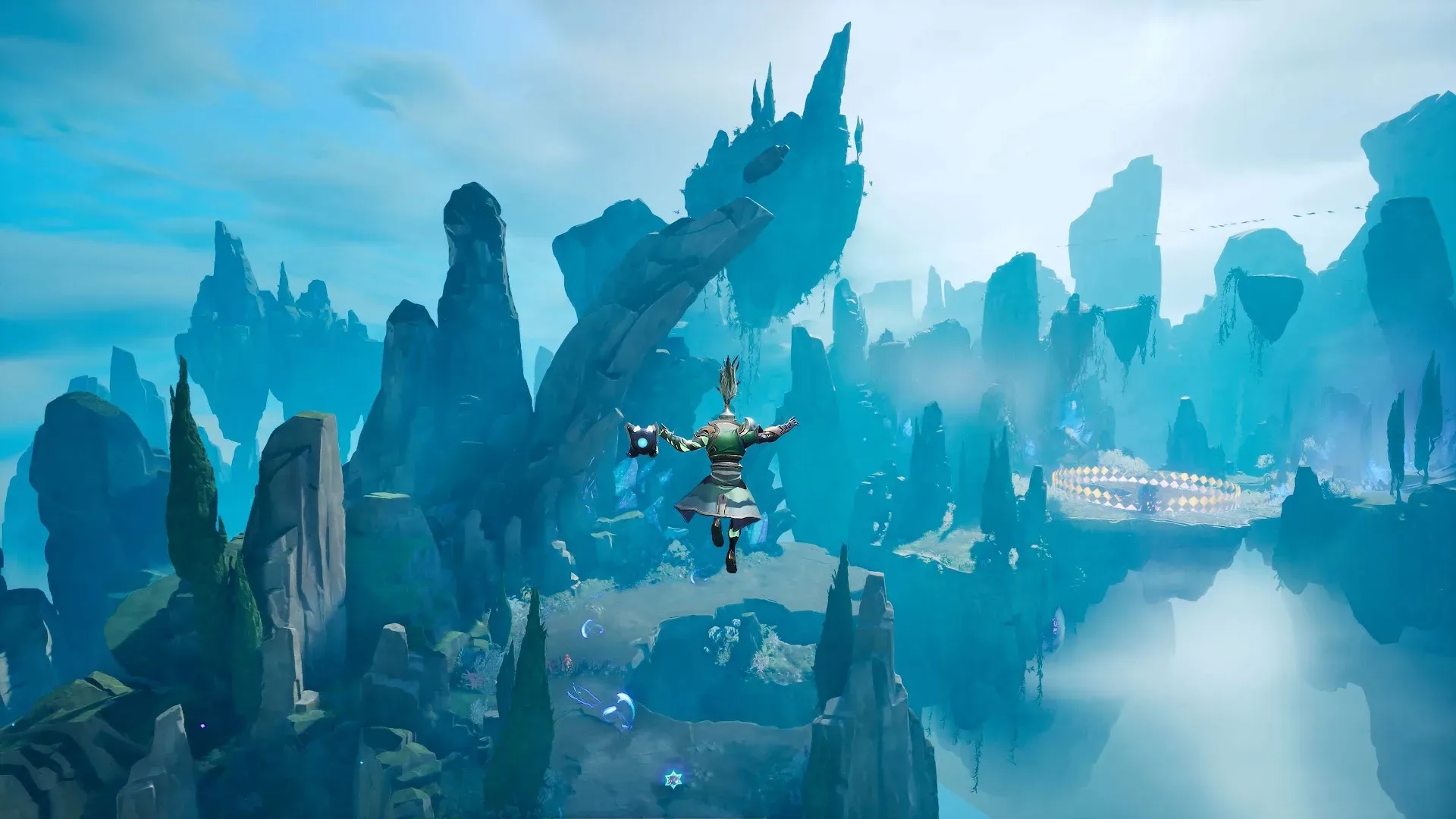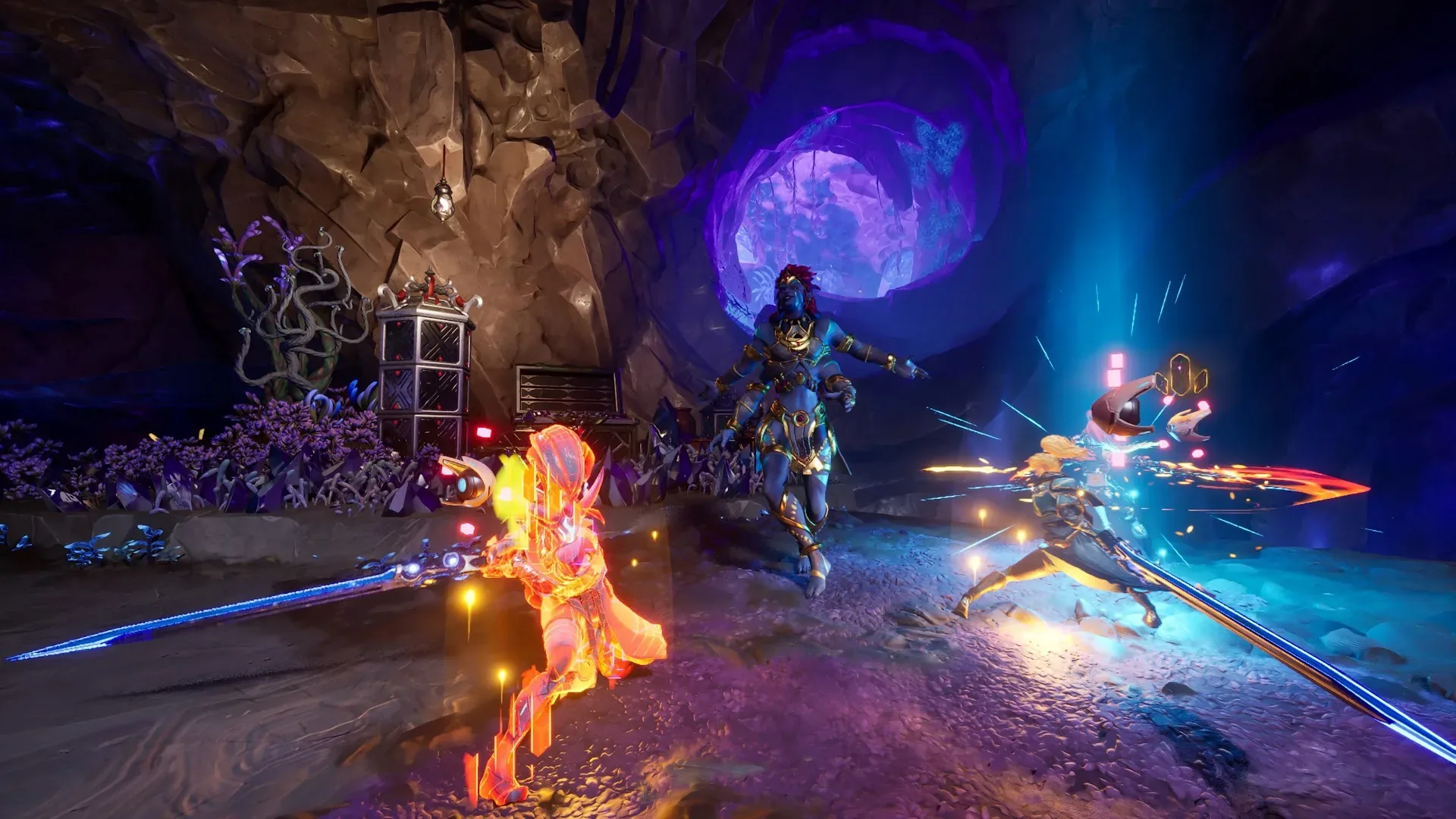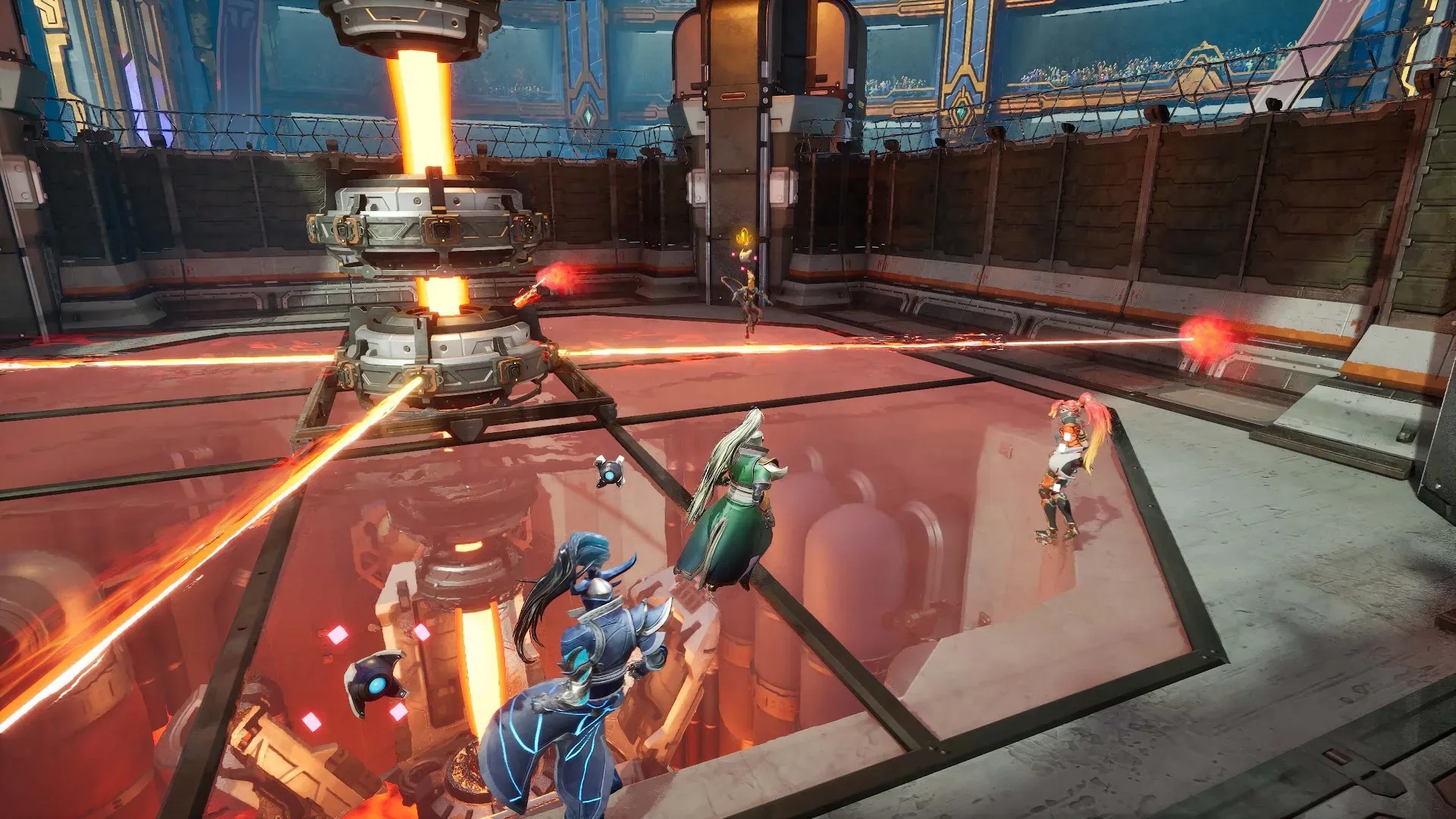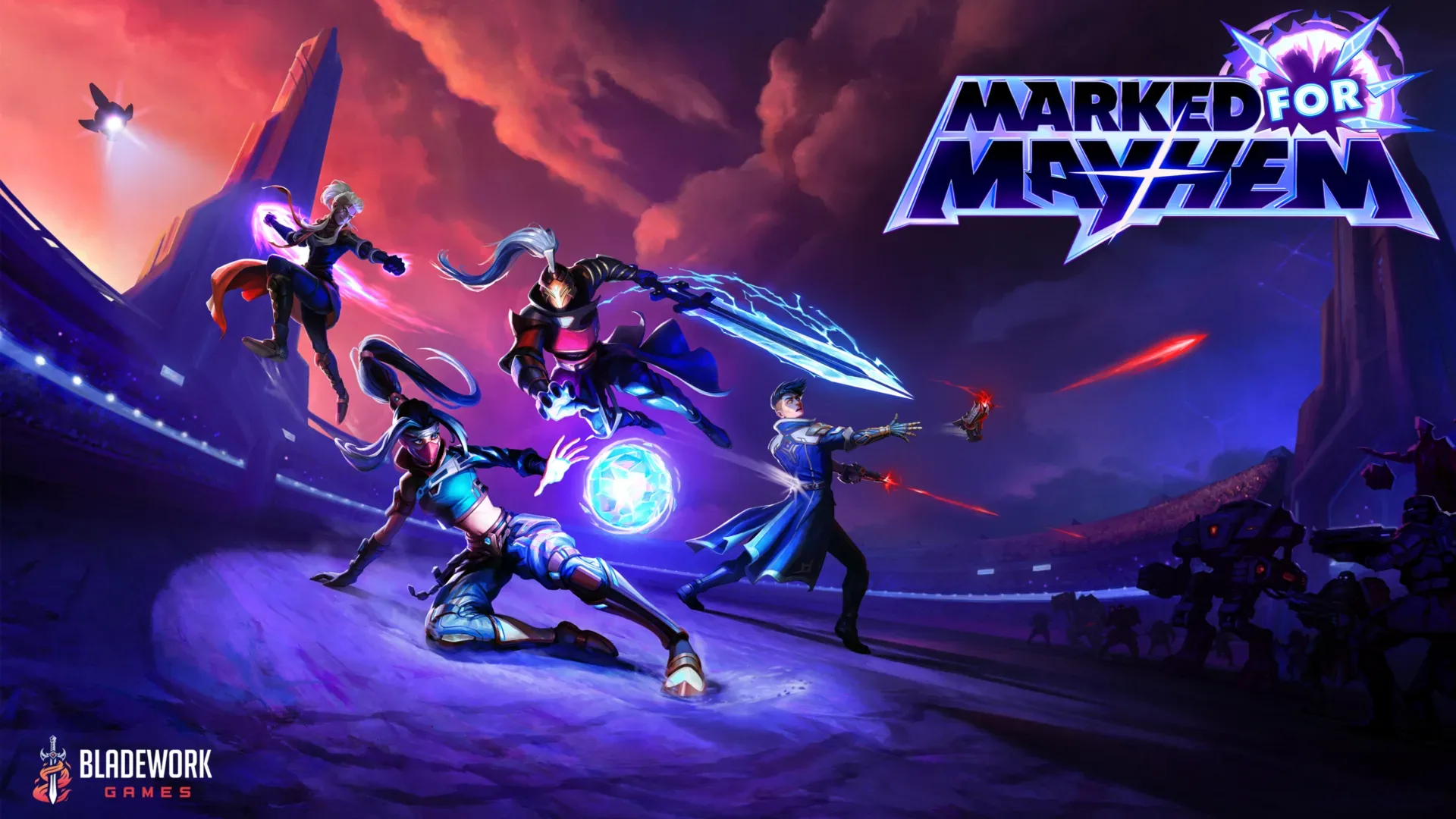
Bladework Games has unveiled Marked for Mayhem, its debut game, at the PC Gaming Show Tokyo Direct. The newly revealed project is a multiplayer dungeon runner in which rival players—known as Operators—race through shattered dimensions, fight enemies and bosses, collect medals, and try to finish at the top of the leaderboard.
The central idea is not simply surviving a dungeon. Marked for Mayhem is structured as a competitive run for up to four players, with the single leading Operator taking the victory. Players will be able to alter their approach during a match by picking up abilities and modifiers, while a set of Disruptor powers is designed specifically to interfere with opponents. Those powers can sabotage rivals and steal points, making the standings an active part of the action rather than a score screen only checked at the end.
Bladework has also opened a limited Beta sign-up opportunity and is directing prospective players to wishlist the game on Steam and the Epic Games Store. That establishes PC storefront plans, although a release date and any further platform plans have not been detailed.
A dungeon run where rivals are part of the obstacle course
Dungeon runners generally center on pushing through hostile spaces, defeating enemies and adapting to what a run provides. Marked for Mayhem adds direct competition to that familiar loop. Operators are not just pursuing their own combat route and rewards: they are competing against one another for medals and leaderboard position within the same run.
The setting is framed around interdimensional combat tournaments spanning shattered dimensions. This gives the game’s structure an explicitly competitive purpose: players enter a dangerous arena-like environment, face monsters and bosses, and aim to outperform the other people in the match.
Bladework describes the action as fast-paced and chaotic, with matches featuring challenges and ArenaGames. Both are positioned as opportunities to earn medals and improve a player’s placement. The announcement does not explain the exact rules of individual ArenaGames, how medals are calculated, or whether players share objectives at any stage. What is clear is that scoring is fundamental to victory. Killing enemies may be valuable, but the stated win condition is reaching the top of the leaderboard.
That focus gives the game a potentially different rhythm from a cooperative dungeon experience. A player might need to weigh the benefit of pursuing a boss, challenge or medal opportunity against the risk of losing ground to opponents elsewhere in the run. The design also creates room for standings to change quickly rather than locking a match’s outcome early.
What “on-the-fly” build customization means here
One of the major features outlined for Marked for Mayhem is the ability to shape a build during a run. In game-design terms, a build is the combination of weapons, abilities and effects that defines how a player approaches combat. Rather than committing entirely before a match begins, Operators will be able to add new abilities and modifiers as they progress.
A modifier is an effect that changes the behavior, strength or application of another part of a build. The announcement does not specify individual modifiers, their rarity, or how players acquire them. Still, the promise of in-run customization suggests that adaptation will matter: an Operator may need to respond to the weaponry they have mastered, the threats in a given dimension, and the pressure created by competing players.
Bladework has emphasized “iconic weaponry,” though it has not identified the weapons included or explained whether each one has a distinct class, role or progression track. Players should therefore treat the broad combat and build claims as the current outline rather than a complete mechanical breakdown.
The boss encounters add another layer to this system. Formidable bosses appear during runs, and the studio says their powers can be harnessed. It has not yet said exactly how that process works—whether it means defeating a boss grants an ability, whether the gain is temporary, or how it connects to modifiers—but the feature indicates that bosses are intended to influence a run beyond simply acting as a combat hurdle.
Disruptors put point theft and interference at the center
The game’s most distinctive announced mechanic may be its Disruptor abilities. These are powerful tools intended to sabotage rival Operators, steal points and shift the leaderboard in a player’s favor. Unlike ordinary damage skills, which generally focus on clearing enemies or defeating a boss, Disruptors are explicitly competitive instruments. Their purpose is to change another player’s circumstances or score.
That distinction matters because it turns the leaderboard into something players can attack. In a conventional score chase, a competitor gains an advantage primarily by playing more efficiently. Here, Bladework is signaling a system in which an Operator can gain ground through direct disruption as well. Someone trailing in medals may have an avenue to contest the lead, while someone in first place may need to account for threats from every rival rather than only the enemies ahead.
The studio has not set out the full rules around Disruptors, including their cooldowns, costs, targeting requirements or counterplay. Those details will be important in determining how much disruption shapes a match. The initial pitch, however, is unambiguous: interference is not a peripheral gimmick. It is one of the stated ways to influence who wins.
For players considering the Beta, this is likely one of the most useful areas to watch. A competitive multiplayer system works best when competitors can understand why their score changed and have meaningful ways to react. As development progresses, clarity around how points can be stolen, how Disruptors are earned or activated, and what defenses are available will say a great deal about the game’s match-to-match tension.
Confirmed details and what remains open
The reveal provides a solid high-level picture of the game but leaves several practical questions unanswered. The following elements have been explicitly outlined:
- Competitive multiplayer dungeon runs for up to four players.
- Operators fighting through shattered dimensions.
- Enemies, bosses, challenges and ArenaGames during matches.
- Medals and leaderboard placement as the competitive objective.
- Weapon mastery plus abilities and modifiers that can change a build during a run.
- Disruptor abilities that can sabotage opponents and steal points.
- Boss powers that players can harness.
- Planned additions of enemies, biomes, weapons and Disruptors as part of ongoing live development.
Conversely, the reveal does not establish a launch date, a price, a release window, or detailed availability beyond Steam and the Epic Games Store wishlist pages. It also does not provide a full account of character options, matchmaking, progression, the number of biomes, the number of weapons, or the precise format of ArenaGames. None of those omissions are unusual for an initial announcement, but they are worth separating from the features that have actually been described.
The phrase live development refers here to Bladework’s plan to continue developing the game with new enemies, biomes, weapons and Disruptors. It should not be read as a detailed roadmap: no schedule, update cadence or list of future additions has been supplied. It does, however, signal that the studio sees the game as an evolving competitive experience rather than a fixed launch-only set of content.
Why the four-player format could be important
Four-player competitive runs create a compact field. With only a handful of Operators in each match, every challenger is likely to be relevant to the leaderboard race, and the stated Disruptor mechanic gives players a reason to pay attention to the other competitors’ standing. The design appears to combine two pressures: handling the dungeon’s hostile encounters and deciding when to spend effort or abilities on the people trying to beat you.
In practical terms, this may appeal to players who enjoy rapid competitive sessions where their plan can change mid-match. Build customization creates variability in how an Operator develops, bosses may provide harnessable powers, and Disruptors offer a route to contest scoring directly. The result, if the announced systems connect as described, is a contest driven by combat execution, run-to-run choices and timely interference.
There is a broader appetite for PC games that bend established activities into stranger competitive formats; for another recent example of an offbeat PC premise, see this look at Normal Golf Game’s physics-driven twist on the fairway. Marked for Mayhem takes a different route, grounding its competition in dungeon traversal, medal collection and player-versus-player disruption.
Beta sign-up is the immediate next step
For now, the limited Beta sign-up is the most immediate path for people who want to follow Marked for Mayhem closely. Bladework is also encouraging wishlists on Steam and the Epic Games Store, alongside its community channels for future updates.
The announcement establishes a clear pitch: four Operators enter a chaotic, dimension-hopping dungeon competition; they fight enemies and bosses, reshape their builds while moving forward, seek medals, and use Disruptor powers to prevent rivals from holding the lead. The unanswered details are substantial, especially around scoring rules and the exact operation of the game’s competitive systems. But the foundation is distinct: this is a dungeon runner where having the strongest build may not be enough if another Operator has the right sabotage ready at the right time.