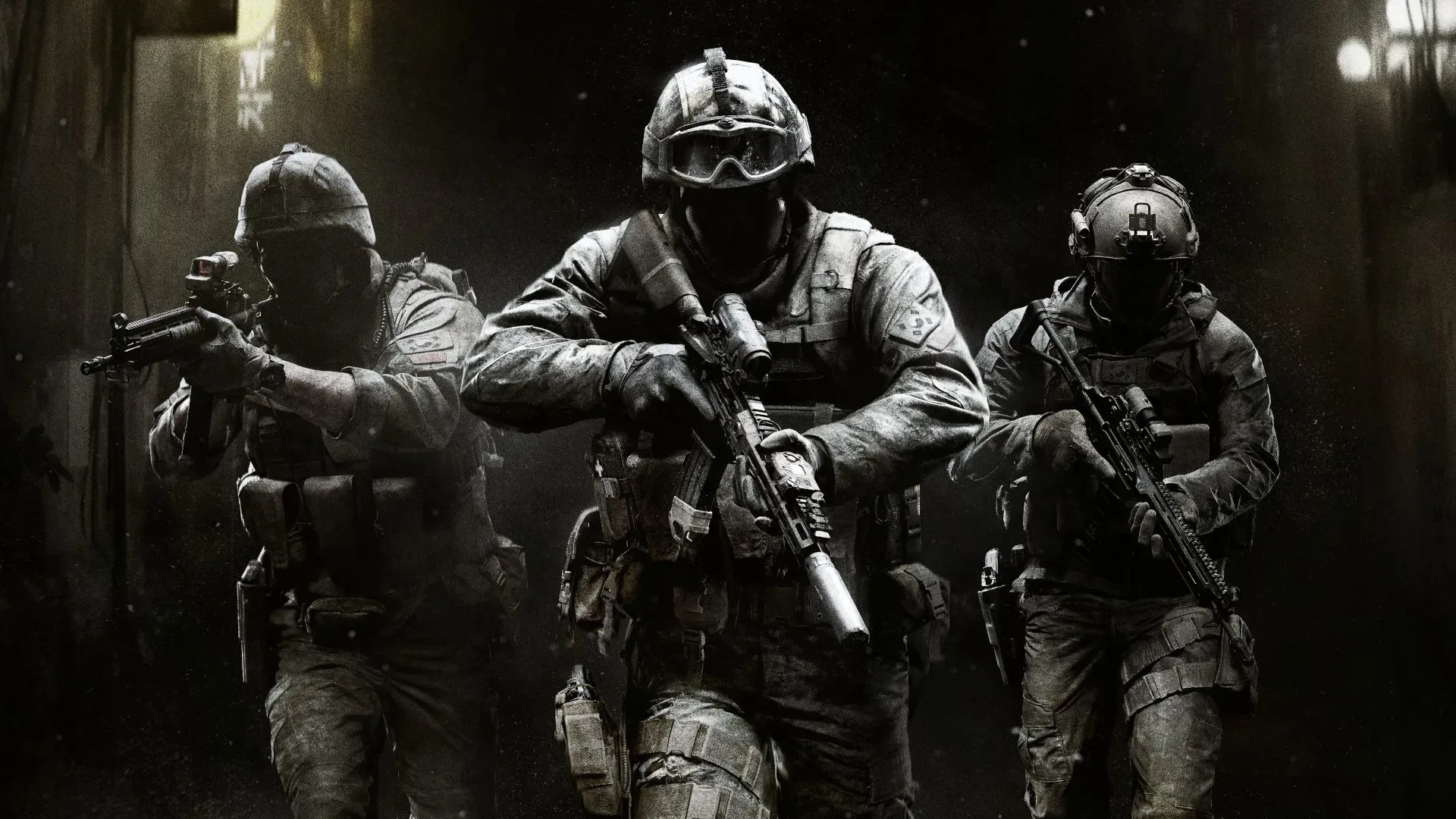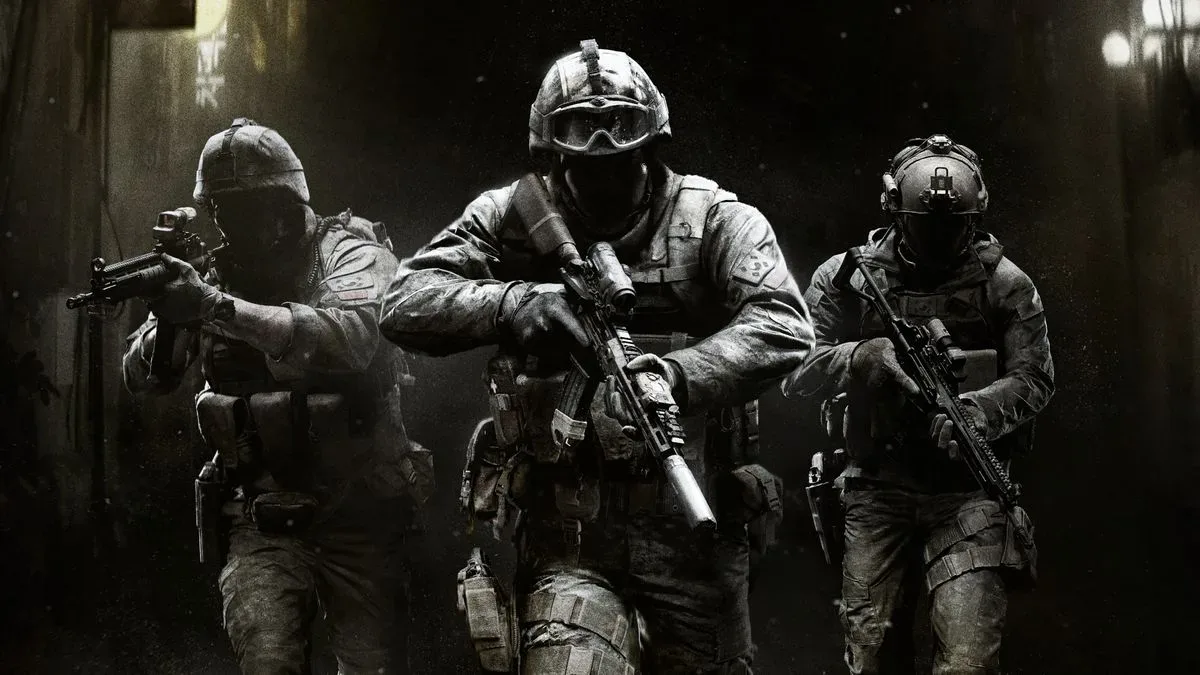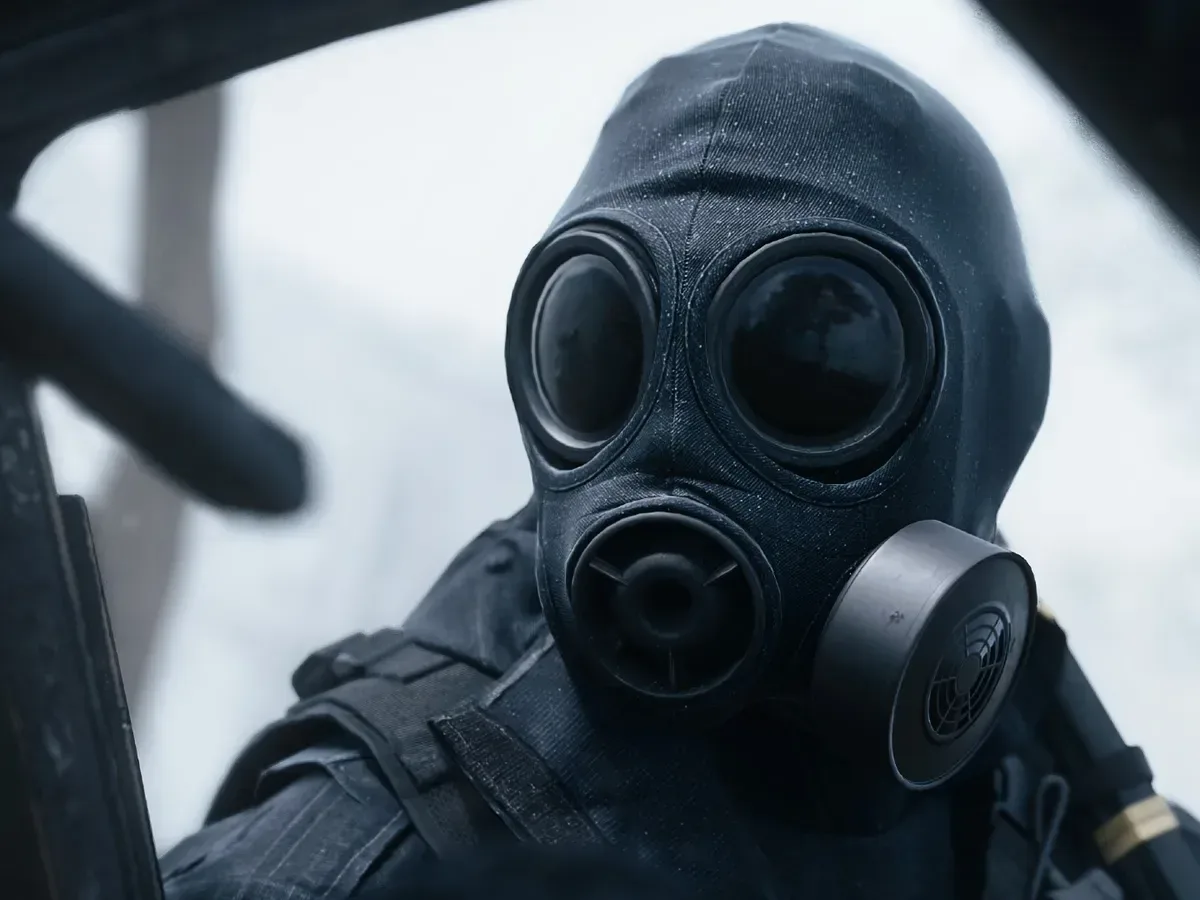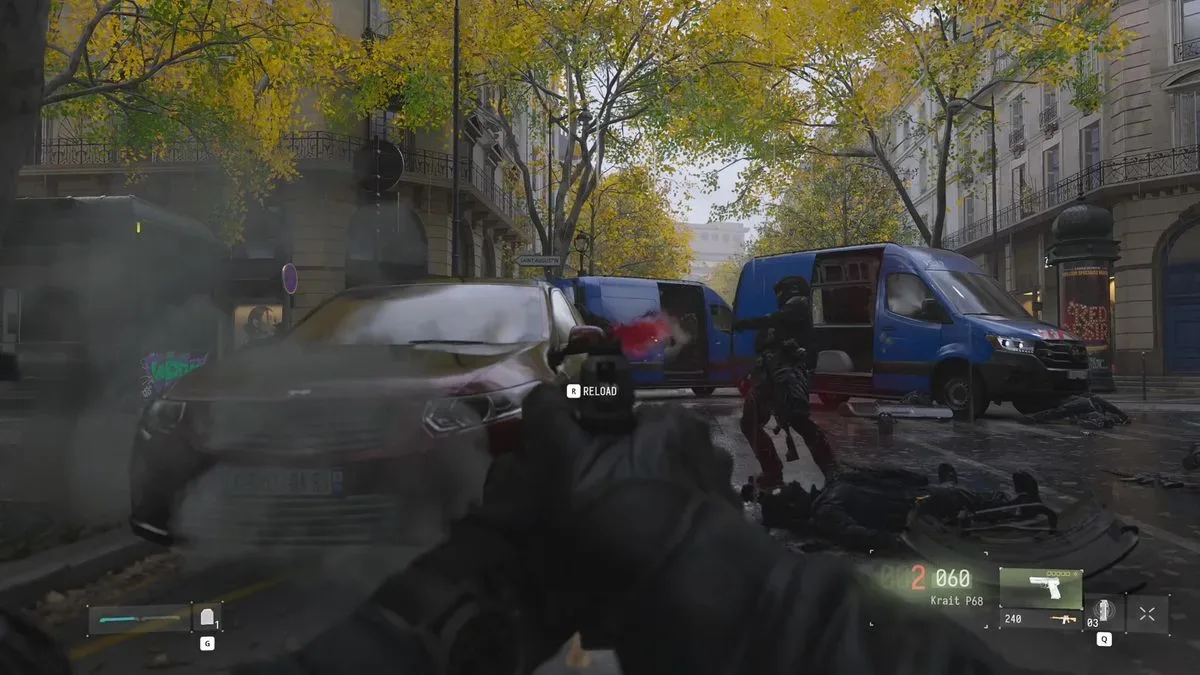
Call of Duty: Modern Warfare 4 is shaping up to be a campaign built around two competing impulses. It wants to be a huge, polished military-thriller roller coaster, delivering Seoul under attack, Parisian firefights, club infiltrations and an amphibious assault. But it also occasionally invites players to slow down, search, improvise and sit with uncomfortable decisions. The early campaign material suggests Infinity Ward is at its best when those ideas reinforce one another—and at its most frustrating when spectacle takes priority over player agency.
This is a review-in-progress focused solely on the campaign. The game is scheduled to launch on October 23, 2026, for PC, PS5, Switch 3 and Xbox Series X. Infinity Ward is developing the game and Activision is publishing it. The campaign was evaluated on PC using a publisher-provided code.
A closing chapter with real narrative confidence
The opening establishes a surprisingly lived-in version of Seoul. Civilians go about their routines, shops are stocked and Wu-Tang Clan’s “C.R.E.A.M.” plays before North Korean forces launch their attack. It is an effective contrast: ordinary urban life exists for just long enough to make its interruption feel meaningful rather than merely serving as a backdrop for an immediate explosion.
That attention to atmosphere recalls the franchise’s ability, at its strongest, to give a level a sense of place before turning it into a battlefield. There is still a knowingly game-like edge—players can apparently wander into a convenience store and throw punches at snack displays—but the broader mood helps establish the stakes. Modern Warfare 4 wants its world to feel inhabited, not simply assembled as a shooting gallery.
More importantly, the campaign reportedly makes a serious effort to resolve a story stretching back to 2019’s Modern Warfare. That is an ambitious job for any sequel in a long-running shooter series. Continuing narratives can become burdened by old plot threads, returning faces and the expectation that every unresolved element must matter. Here, the campaign appears to take a much cleaner approach: it ties together its central arc while forcibly clearing away several lingering threads from Modern Warfare 3.
That cleanup is not gentle. Major characters are killed, sometimes suddenly and brutally, and the presentation reportedly emphasizes that these deaths are final. The result is a campaign willing to use loss as a structural tool rather than leaving every familiar figure available for future content. Whether individual players agree with each death will depend on their attachment to the cast, but the approach gives the story consequences.
Price is no longer the uncomplicated hero
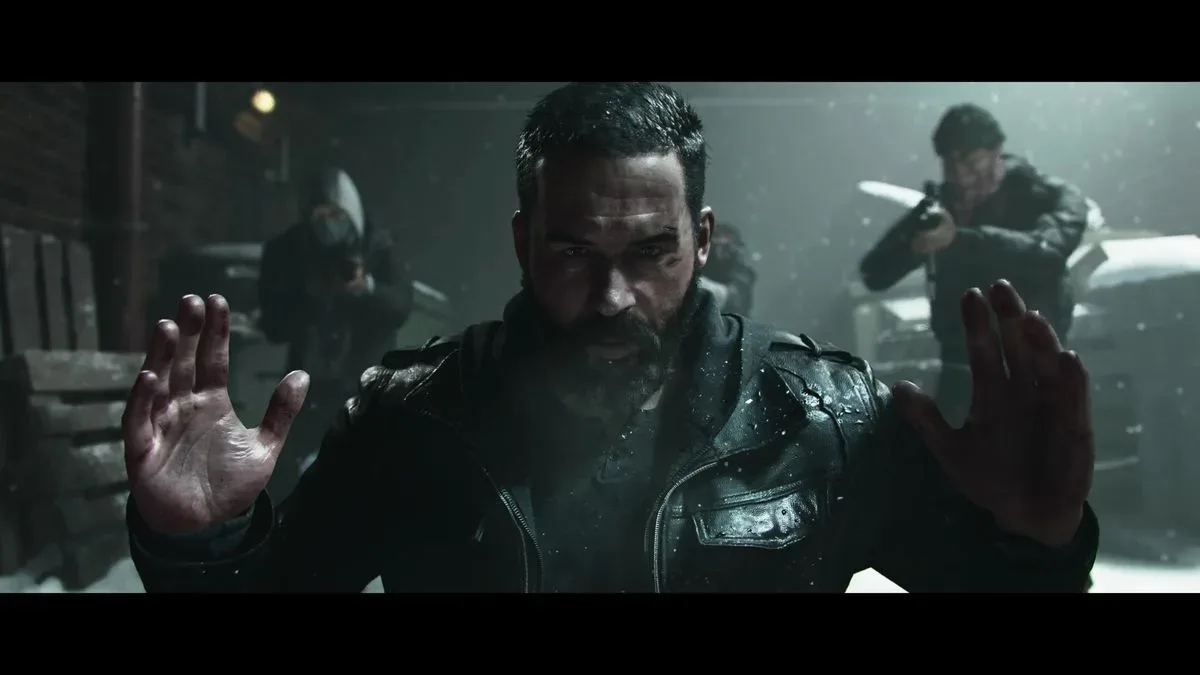
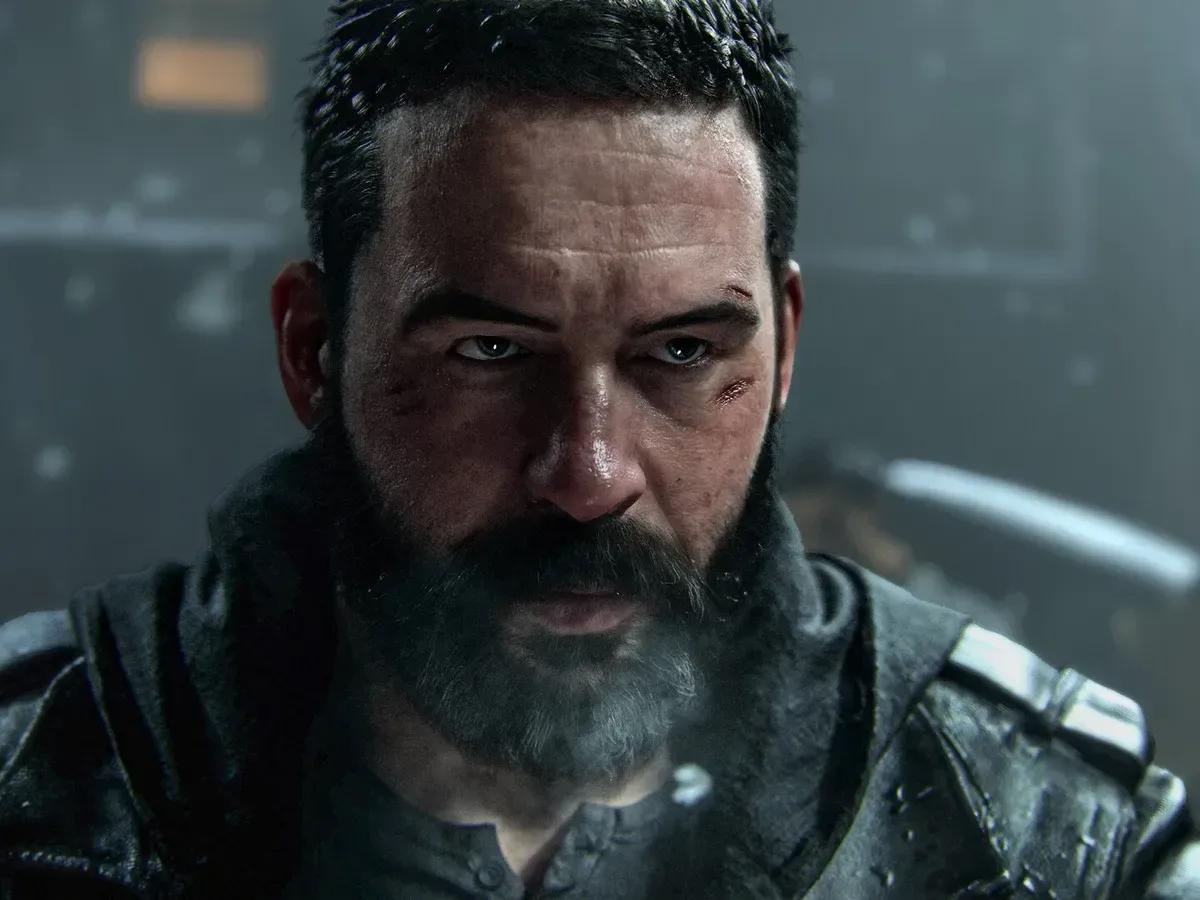
John Price remains central, but Modern Warfare 4 apparently puts him in an uncomfortable place. Following his assassination of General Shepherd in Modern Warfare 3, Price is on the run and confronting the implications of what he has done. His new beard may be the visible sign of a changed era, but the important shift is ethical rather than cosmetic.
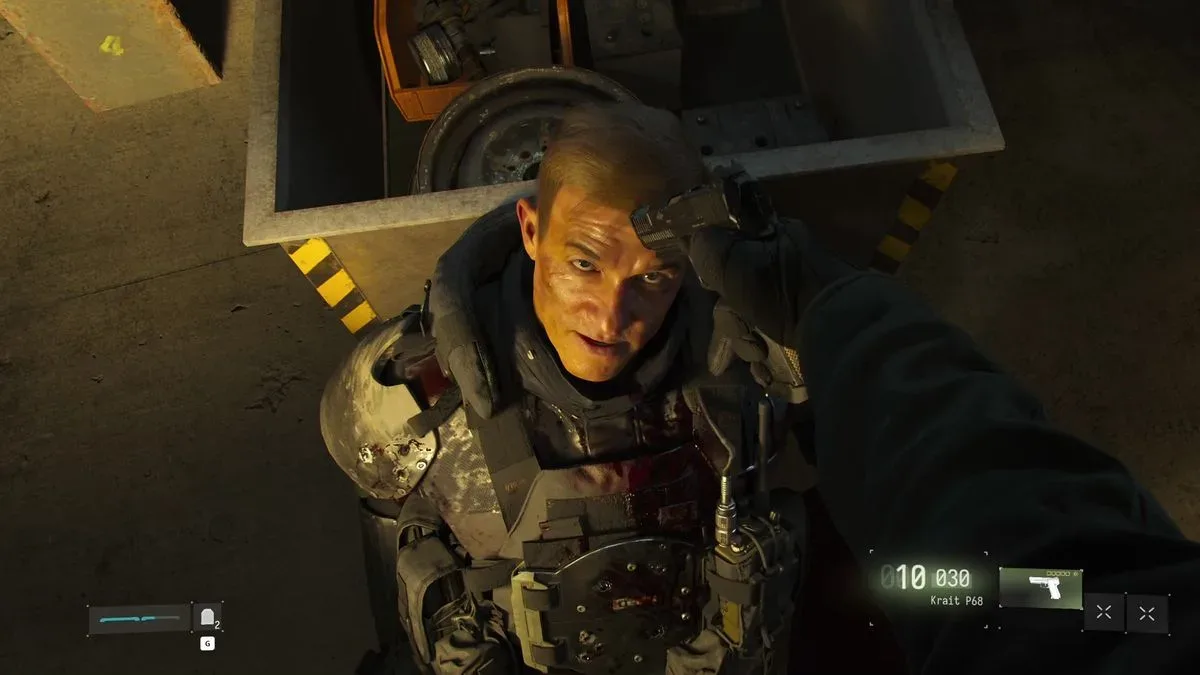
Price has long been one of Call of Duty’s clearest heroic icons. Modern Warfare 4 complicates that status through scenes that include a lethal alleyway confrontation, fights against supposed allies on Paris streets and the prospect of shooting former squadmates. The campaign’s interest is not simply in making its lead harsher for shock value; it is in asking whether a soldier who decides where the line is can still claim unquestioned moral authority.
Related coverage includes Call of Duty: Modern Warfare 4 Campaign Review-in-Progress: A Relentless, Morally Uneasy Finale.
That theme extends beyond Price. One mission puts the player in the role of a North Korean soldier pursuing a dissident through a village. The degree of brutality used is presented as a player decision, making this one of the campaign’s more direct attempts to pull the player inside an ethically compromised position. It is a notable departure from the narrow perspective military shooters can adopt, where players are usually assured that violence is righteous because the game has already assigned them the “good” side.
There is an awkward contradiction, however. This grim assignment is undercut by the need to search the area for collectibles. In-game collectibles are often used to encourage exploration or add replay value, but their presence can clash badly with scenes built around fear, coercion and civilian vulnerability. A player being asked to consider brutality one moment and hunt for hidden objects the next is a tonal collision the campaign does not entirely avoid.
New faces keep the pace moving
The game also fills the gaps left by its deaths with new characters. Mads Mikkelsen takes on the major antagonist role, while Lanny Joon’s performance as Ko is highlighted as a standout. Luke Tennie also appears in the voice cast. These characters are described as lightly drawn, but that may be an intentional function of the campaign’s speed: dialogue and exposition arrive during the push between firefights, while players replenish ammunition and armor from defeated enemies.
In a campaign like this, “lightly sketched” does not necessarily mean ineffective. A character can make an impression through performance, timing and a few sharply chosen moments rather than a long chain of conversations. Still, it means Modern Warfare 4 is leaning on momentum. The story’s emotional weight appears to come most strongly from its established cast, its decisive plot turns and the player’s proximity to events, rather than from extensive development for every newcomer.
Set piece is the useful technical term here. In action games, a set piece is a carefully staged sequence designed to be visually memorable and mechanically focused: a chase, a collapse, a major assault or another scripted scenario with a strong cinematic identity. Modern Warfare 4 has no shortage of them, and its strongest missions seem to understand that spectacle works better when it has a clear dramatic purpose.
The club sequence and Stranded show two different strengths
An early club mission demonstrates the campaign’s action-movie energy. It begins with stalking a target through a nightlife venue and escalates into an armed escape. The details lean knowingly into the vocabulary of contemporary action cinema, from a bouncer’s conspicuously stylish weapon handling to rooms lined with towering screens that transform the club into a suitably absurd arena for a gunfight. The point is not strict realism; it is confident genre craft.
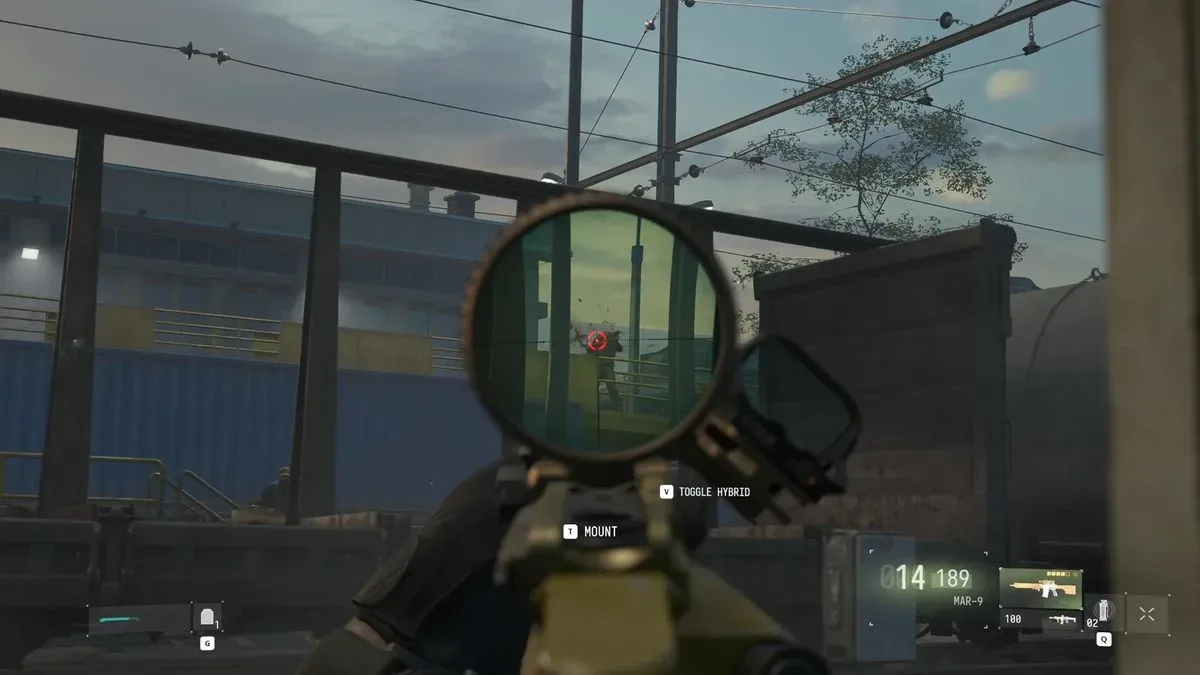
The more consequential experiment is Stranded. The player begins the mission with only a pistol in the North Korean countryside, then builds an arsenal by exploring points of interest, gathering equipment and deciding how to approach objectives. Fast travel can bypass much of that process, but the mission’s appeal lies in doing the opposite: moving through the world, preparing gradually and choosing an attack plan.
This is what “freeform” means in this context. It does not necessarily mean a fully open world with unlimited systems or endless outcomes. It means the game gives the player latitude over route, preparation and tactical order. A freeform mission can preserve a designed story while allowing the player’s actions to shape how an objective is reached.
Stranded sounds particularly effective because its mechanics reinforce its premise. Starting under-equipped creates pressure. Searching for gear transforms exploration into preparation. Multiple objectives create opportunities to make tactical choices. Rather than merely being told that the player is behind enemy lines, the mission makes them earn their capability step by step. It is the sort of structure that can make a linear shooter feel broader without abandoning the pace and authored detail that Call of Duty campaigns traditionally pursue.
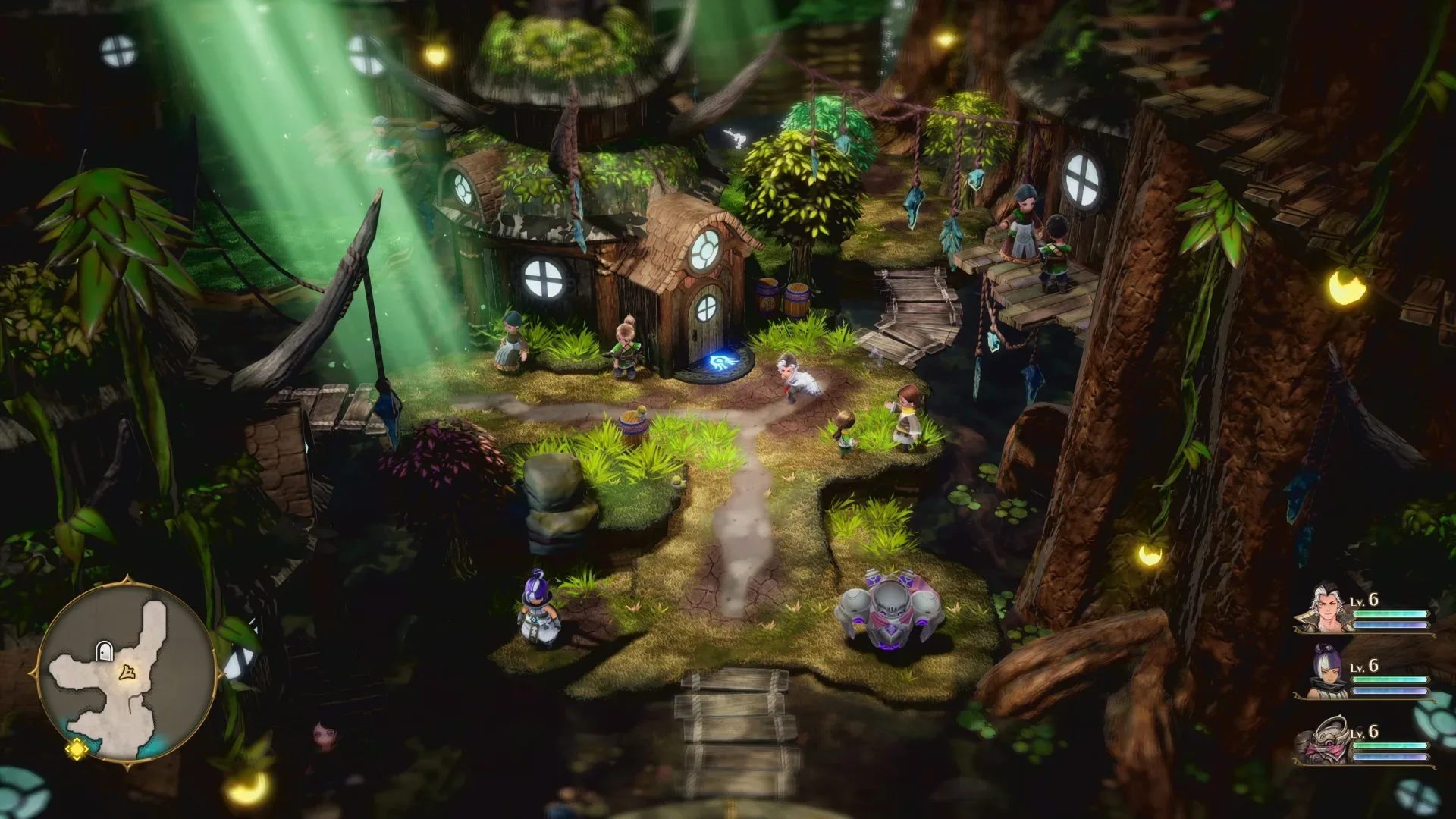
For players following how other PC games are trying to frame player choice around a core mechanic, Eternal Anima’s Future Sight system offers a very different, turn-based example of design built around planning ahead.
Rigid objectives are the campaign’s biggest self-inflicted problem
Unfortunately, Modern Warfare 4 reportedly becomes much less accommodating after Stranded. An amphibious assault on Seoul is positioned as a grand full-circle sequence, evoking Call of Duty’s roots in assaults against heavily defended positions. As a fantasy, it has the right ingredients: scale, pressure and the feeling of advancing into an almost impossible situation.
Its execution exposes the campaign’s central issue. Moving too far from the commander can trigger an immediate death and a prompt instructing the player to follow the squad leader. In another mission, poor visibility after a plane crash can lead to failure for abandoning the team even while the player is trying to determine where the team is. Taking cover beyond a low fence can prompt an out-of-bounds warning and then a game over before health has recovered.
These are examples of what players commonly call invisible boundaries or restrictive mission gating. The campaign may appear to present a large, dangerous environment, but its playable space is tightly prescribed. Designers use these restrictions to preserve pacing, keep scripted events synchronized and prevent players from accidentally breaking a sequence. Those are practical reasons, especially in a blockbuster campaign filled with choreography. The problem comes when the boundary does not make intuitive sense inside the fiction.
If a player is punished for attempting to escape gunfire, locate allies in near-zero visibility or move a short distance beyond a fence, the game’s rules become more visible than its world. It shifts the feeling from “I failed the operation” to “I violated the designer’s route.” That distinction matters. A hard mission can be satisfying when failure follows from a tactical mistake; an arbitrary failure can make a polished sequence feel brittle.
The contrast with Stranded makes the issue sharper. Once a campaign proves it can support exploration, scavenging and player-led approaches, returning to unusually narrow fail states feels less like a deliberate stylistic choice and more like a missed opportunity. The roller-coaster model is not inherently bad—Call of Duty has often excelled at it—but the game would benefit from letting its most exciting spaces tolerate more player initiative.
Civilian protections create pressure, but not always fair pressure
The campaign’s treatment of civilians produces a related frustration. Civilian casualties are treated as an instant failure condition, even in chaotic scenes where enemies are not similarly constrained. That rule clearly aims to make players accountable in crowded combat spaces, and it fits the game’s broader concern with moral limits. But a compelling ethical rule still needs to work with the reality of the mechanics.
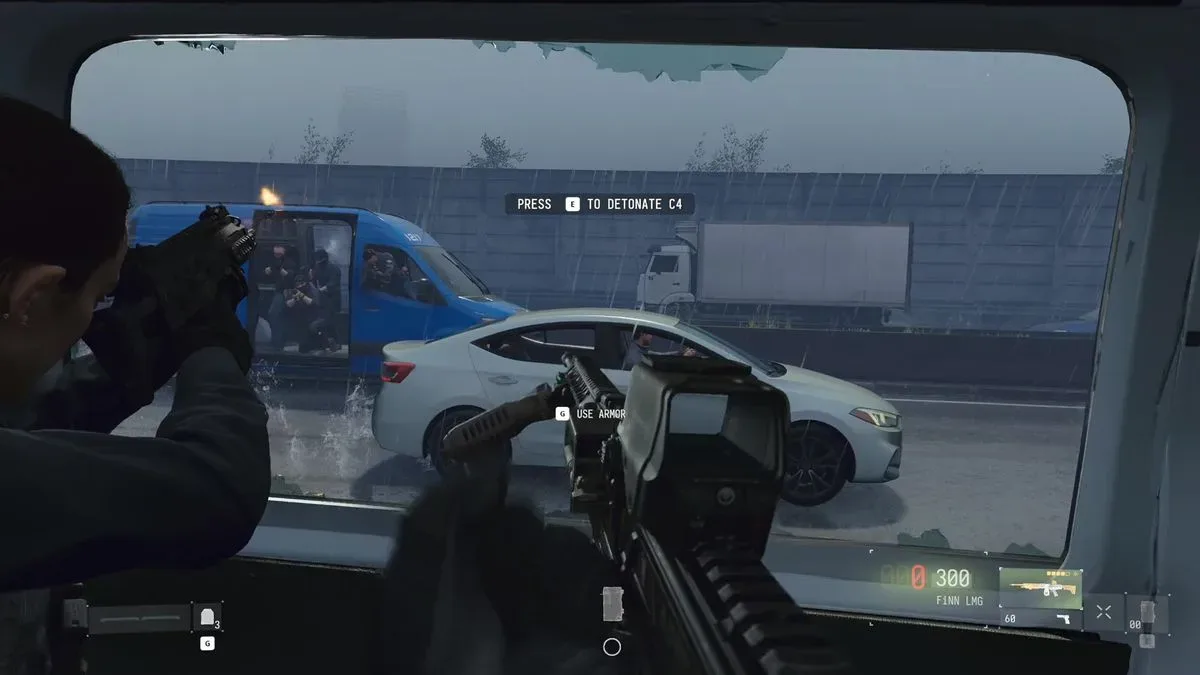
Automatic fire from a moving vehicle, for example, is a context where precision becomes especially difficult. When innocents are positioned close to a firefight, an immediate fail state can turn a scene intended to be tense into one that feels excessively punitive. There is a difference between building a mission around restraint and asking for nearly impossible accuracy in a highly unstable action sequence.
Modern Warfare 4 appears to have the makings of a strong campaign precisely because it is willing to press on difficult ideas: collateral harm, compromised leadership, violence carried out by those cast as heroes and the irreversible cost of war. The most persuasive version of that campaign will be one that makes players feel the gravity of those choices without making the rules feel detached from the action on screen.
Promising campaign, unfinished overall verdict
Based on the campaign material available so far, Modern Warfare 4 looks like one of the more ambitious recent entries in the series. It has a strong sense of place, an apparent willingness to resolve its long-running story decisively, memorable action-film staging and at least one excellent argument for broader mission design in Stranded. Its morality is messy by design, and that messiness gives the narrative more texture than a simple good-versus-evil conflict.
The concern is that the game repeatedly limits the very player freedom it briefly demonstrates so well. When Infinity Ward trusts players to explore, gather resources and choose a route, the campaign gains momentum and personality. When it instantly fails them for stepping outside an invisible corridor, the illusion of being part of a high-stakes operation breaks down.
There is no final assessment yet beyond the campaign. But the available evidence points to a visually spectacular, fast and frequently compelling finale whose best moments suggest how much further Call of Duty can go when it loosens the leash.