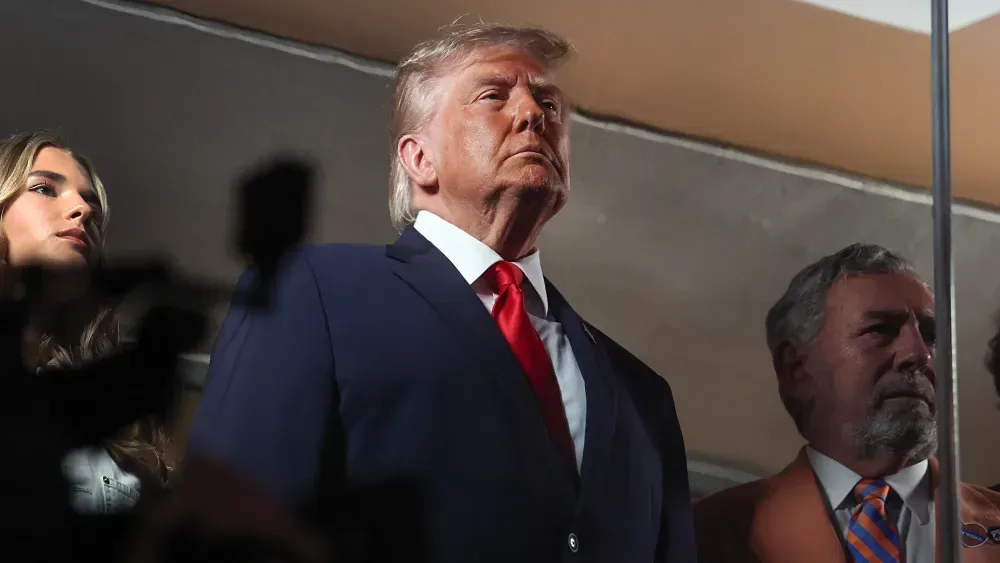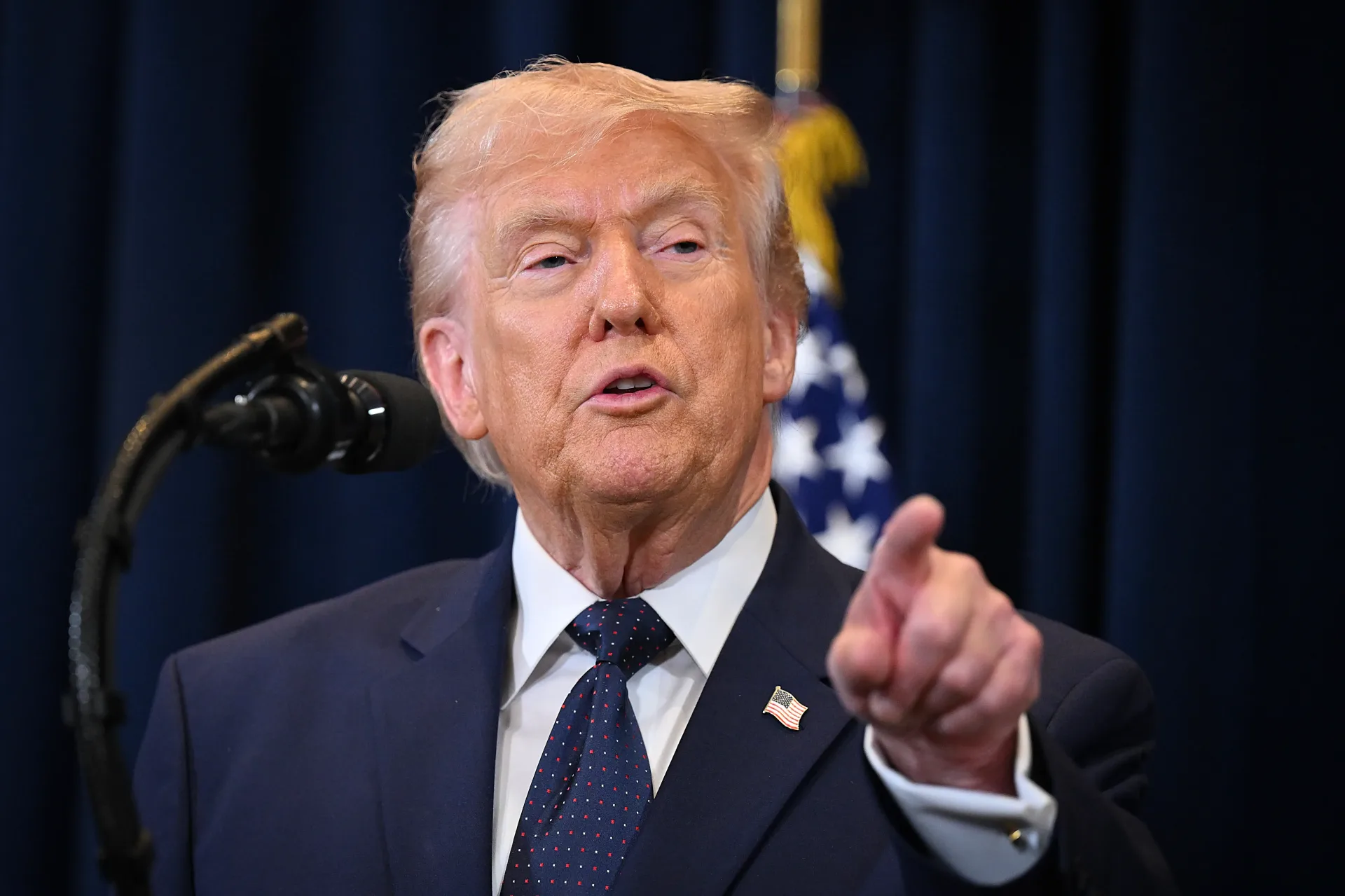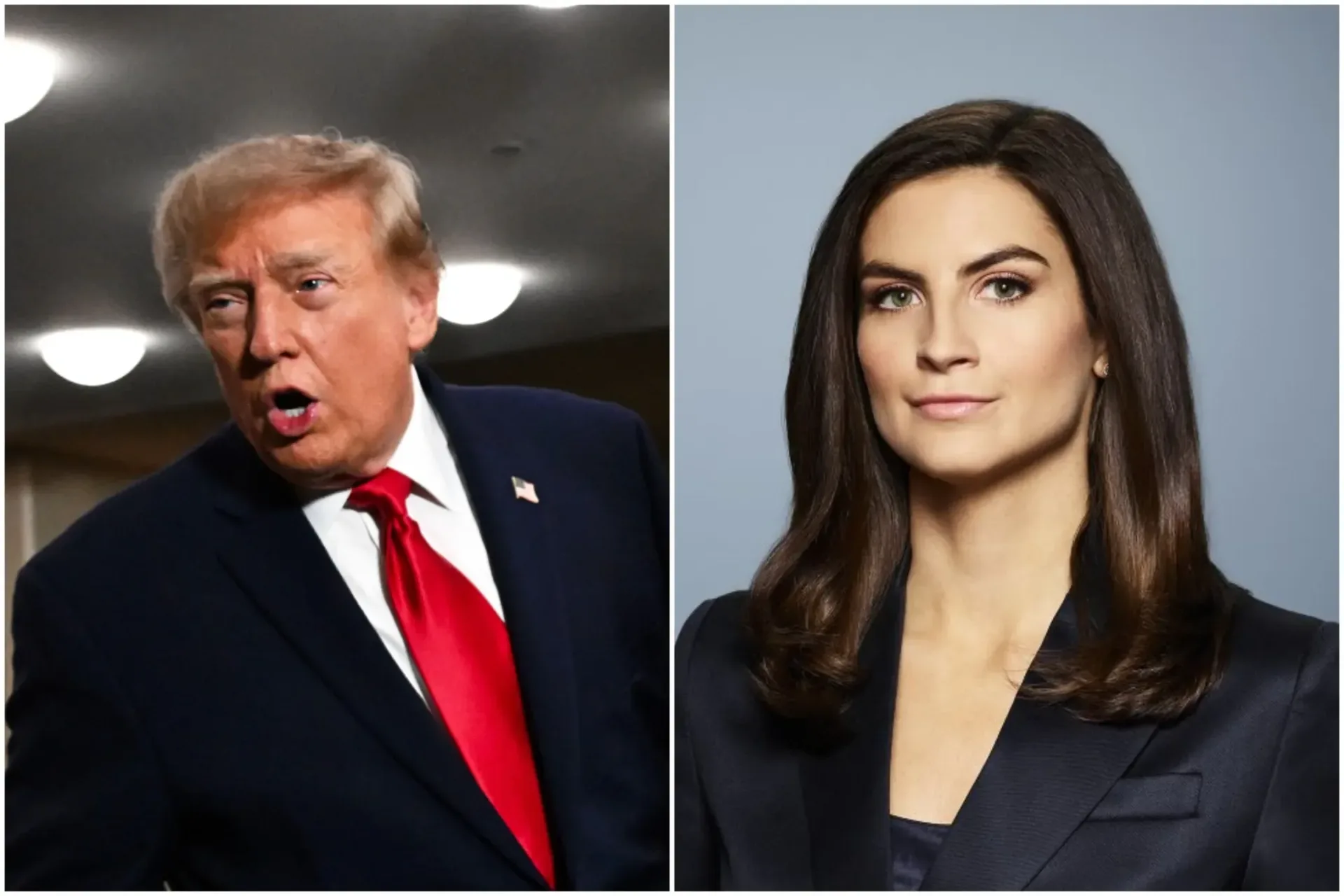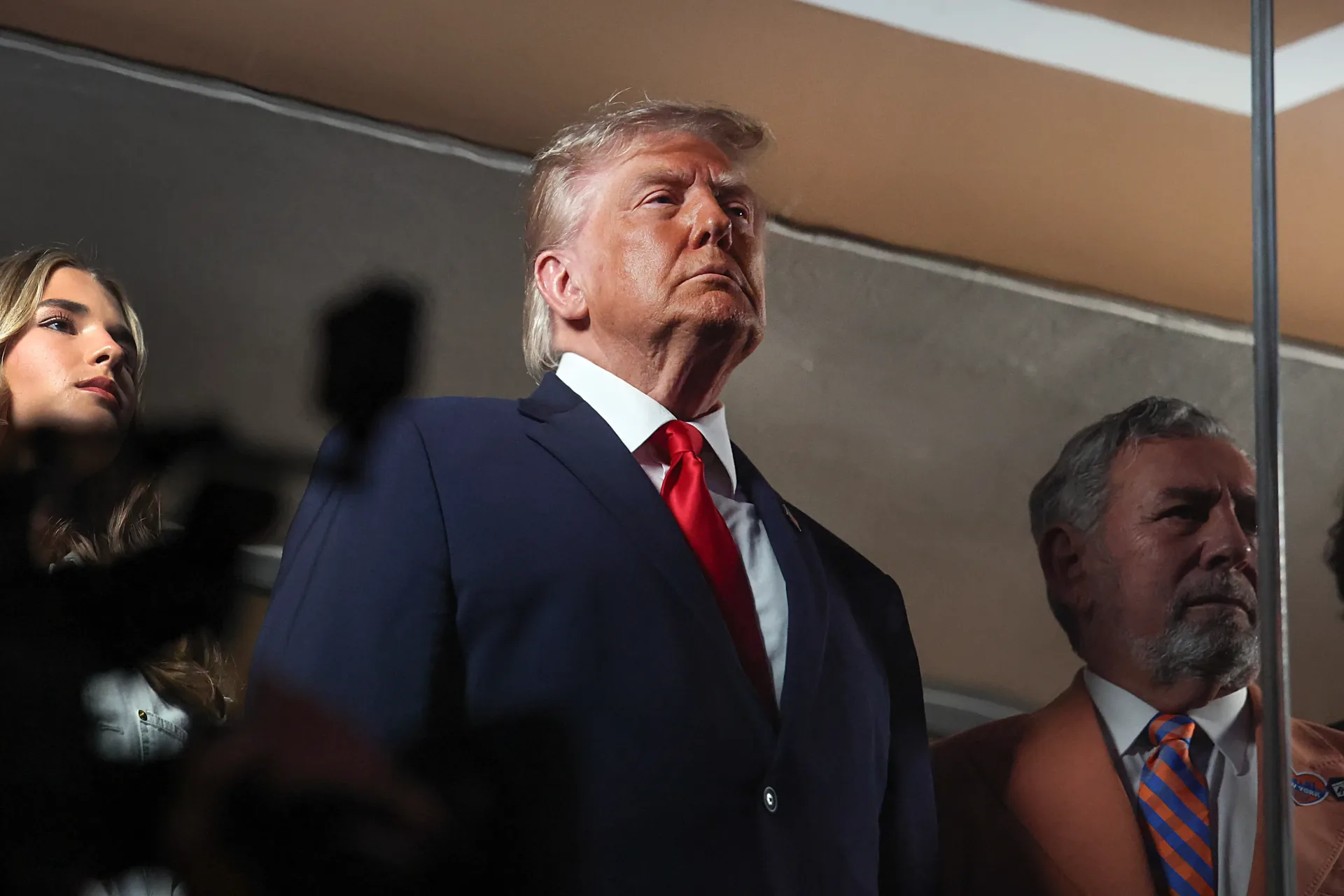
A federal judge has granted a preliminary injunction that keeps White House press access in place for CNN, MS NOW and Politico while their lawsuit against President Donald Trump and three White House officials proceeds.
U.S. District Judge Timothy J. Kelly’s Tuesday ruling extends earlier temporary relief for the three organizations. The dispute centers on White House “hard pass” credentials revoked after Trump said in September that he was banning the outlets from the White House. The organizations argue that the action violated the First Amendment and improperly singled them out because of their editorial viewpoints.
Kelly wrote that the outlets are likely to prevail on their due-process claim as well as on two First Amendment claims. That preliminary assessment was sufficient for the court to preserve the existing access arrangement for now; it is not a final ruling resolving every issue in the case.
What the ruling does
The order maintains the practical status quo while the litigation moves forward. Employees of CNN, MS NOW and Politico whose hard passes were revoked around September 18, 2026, are to have those credentials returned, reinstated and restored unless the court later orders otherwise.
A hard pass is a White House press credential that allows credentialed reporters to enter the White House on an ongoing basis rather than seeking separate access for each visit. In this case, the credential itself is central: the outlets say reporters were turned away despite holding valid hard passes when they arrived after the ban was announced.
The decision follows an earlier order from Kelly on September 24. At that point, the court granted a temporary restraining order directing the White House to immediately restore the affected access. The new preliminary injunction extends the protection beyond that short-term emergency stage as the case continues.
Why a preliminary injunction matters
A preliminary injunction is a court order used before a case reaches its final judgment. It is intended to prevent a disputed action from taking effect, or to undo it temporarily, when the court concludes that immediate relief is warranted while the parties litigate the broader claims.
Here, the key phrase is “likely to succeed.” Kelly did not issue a final merits decision declaring every claim proved. Instead, he determined that the plaintiffs have shown enough at this stage—on due process and First Amendment grounds—to justify keeping their access intact during the case.
Related coverage includes Judge Blocks White House Ban on CNN, MS NOW and Politico.
That distinction is important. The injunction is a meaningful legal setback for the attempted ban because it blocks its operation now. But the underlying suit remains active, and later proceedings can still address the full factual record and the parties’ legal arguments.
The First Amendment and due-process claims
The three outlets’ lawsuit alleges that the White House ban discriminated against them on the basis of editorial viewpoint. Viewpoint discrimination refers to government action that treats speakers differently because of the positions, criticism or perspectives they express. The outlets’ argument is that their access was revoked because of the content and viewpoint of their reporting, rather than through a neutral rule applied consistently to the press corps.
The First Amendment claims therefore concern more than a disagreement between elected officials and journalists. The issue before the court is whether the government may withdraw press credentials from selected outlets in the manner alleged here. Kelly’s ruling indicates that the plaintiffs are likely to succeed on those First Amendment theories at the preliminary-injunction stage.
The due-process claim concerns the process surrounding the revocation of the passes. Due process generally addresses whether the government may deprive someone of an interest without adequate procedure. Kelly’s statement that the organizations are likely to prevail on this claim means the court saw a substantial legal basis, at this stage, for their challenge to how the credential withdrawals were handled.
How the dispute unfolded
In September, Trump posted on social media that he was banning CNN, MS NOW and Politico from the White House, effective immediately. Reporters from the organizations were denied entry the next day even though they had hard passes, prompting the legal action against Trump and three White House officials.
The plaintiffs then sought emergency court intervention. Kelly’s September 24 temporary restraining order required the White House to restore the passes. Tuesday’s preliminary injunction continues that relief, keeping the credentials protected while the litigation works its way through court.
For newsrooms, access rules are not a minor administrative detail. White House credentials affect whether journalists can physically enter the building and perform the routine reporting functions that access makes possible. The present order does not decide how the White House must respond to every future credential question. It addresses the specific revoked passes and the alleged constitutional defects tied to this ban.
The judge’s limits on the decision
Kelly also emphasized what the ruling does not mean. He said it should not be understood as a finding that Trump’s concerns about media accuracy and fairness lack merit. Nor, Kelly said, does the decision mean the government is unable to act when its actual objective is protecting national security in circumstances involving unlawful disclosure of classified information.
That clarification narrows the meaning of the injunction. The court’s action concerns the particular ban and the legal claims raised by the outlets—not a general judicial endorsement of every report by the organizations, and not a declaration that the executive branch has no authority to address genuine security concerns.
Put plainly, the case distinguishes between disagreement with news coverage and a legally valid basis for revoking access. The ruling protects the outlets’ credentials in this dispute while leaving the larger case, and the facts that could govern other circumstances, for continued litigation.
What happens next
For the moment, the three organizations retain the White House hard-pass access that was at issue. The preliminary injunction remains in effect as the lawsuit proceeds, subject to any further court order.
The case is also a reminder that emergency court orders can have immediate real-world consequences long before final judgment. In this instance, the temporary restraining order first restored access, and the preliminary injunction now carries that protection forward. The ultimate outcome will depend on the later stages of the case, but the court has made clear that the attempted ban cannot remain in force during that process.
Questions of access, scrutiny and institutional power often surface beyond daily politics, including in the media worlds that cover film, television and games. For another look at how entertainment reporting can turn on questions of trust and oversight, see our coverage of All About Corinne and its film-industry satire.