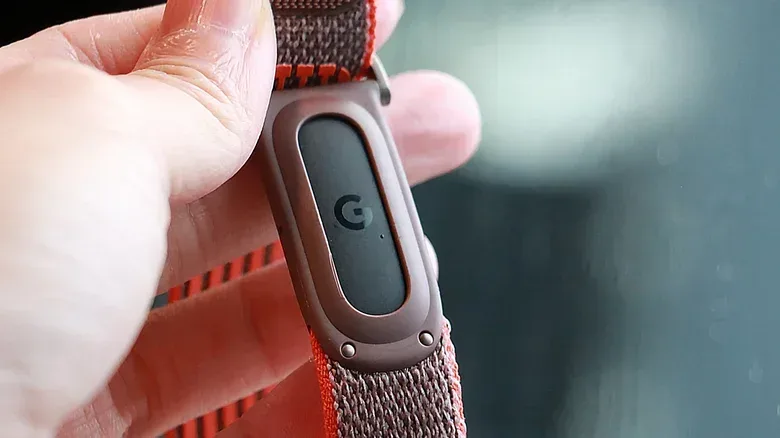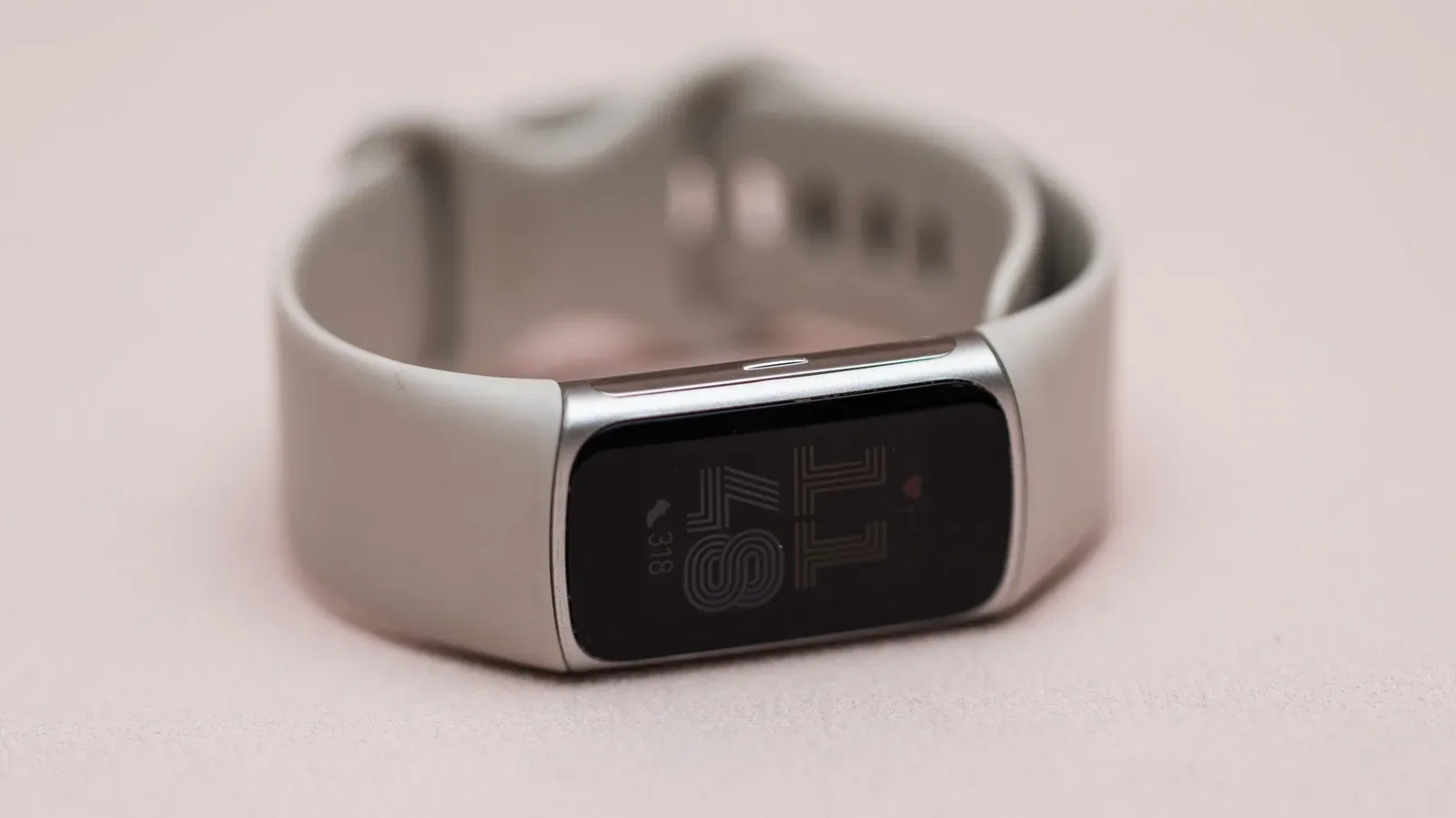
The Fitbit Air is not waterproof. It is water-resistant, with an IP68 dust-and-water rating and a separate 5 ATM water-resistance rating. That means the tracker is built to cope with sweat, rain and some swimming, but it should not be treated as an indestructible device that can safely accompany every water-related activity.
That distinction can sound like marketing semantics, especially for a lightweight fitness tracker that can record swimming activity and is designed to be worn through workouts. In practical terms, though, it is the difference between using the Air sensibly around water and assuming that a rating removes every limit. The safer reading is straightforward: a shallow-pool session may be within the tracker’s intended capabilities; a hot tub, sauna or shower is not.
The Air’s water protection is also not necessarily permanent. Seals, adhesives and the device frame can be affected by chemical exposure, forceful water and physical knocks. Looking after those components matters as much as understanding the number printed in a specifications list.
Waterproof and water-resistant are not interchangeable
“Waterproof” suggests complete immunity to water: no meaningful limit on immersion time or depth. That is an exceptionally broad promise for consumer electronics, and one most wearable makers avoid making. Even rugged smartwatches that are rated for substantial depths are usually described as water-resistant rather than waterproof.
Water-resistant, by contrast, means a product has been tested to withstand specific conditions. The exact conditions depend on the rating, the test method and the manufacturer’s use guidance. It does not mean that every kind of water exposure poses the same risk.
For a Fitbit Air owner, that is the key takeaway. Sweat from a hard workout, rain on a walk and a brief accidental encounter with water are not the same thing as repeated exposure to soap, pressurized spray or high heat. Calling the tracker waterproof could encourage exactly the kind of all-purpose use its care guidance warns against.
The difference is especially worth remembering when a device offers swim tracking. A swimming feature indicates that the tracker can be used to log that activity under appropriate conditions. It does not turn the device into an open-ended underwater wearable, nor does it override the cautions attached to its water-resistance protection.
What the Fitbit Air’s two ratings say
The Fitbit Air lists two related but distinct measurements: IP68 and 5 ATM. Both address resilience around water, but they should not be casually added together or treated as identical descriptions of one test.
IP68: dust protection plus immersion resistance
An IP rating is an ingress-protection classification. “Ingress” simply means unwanted material getting inside a product. The first digit covers solids such as dust; the second covers water.
- 6 indicates dust resistance.
- 8 indicates protection associated with continuous water immersion under conditions specified for the product.
For the Fitbit Air, the stated IP68 capability is continuous immersion for up to one hour beyond 1 meter, or 3.2 feet. The important parts of that description are the time limit and the controlled nature of the rating. It gives useful reassurance for ordinary water contact, but it is not a blank cheque for every aquatic environment.
5 ATM: a pressure-related water-resistance classification
The Air also has a 5 ATM water-resistance rating, described as handling submersion to 50 meters, or 150 feet. ATM is shorthand for atmospheres, a pressure measurement used in water-resistance labeling.
That figure can look like an invitation to treat the tracker as a dive device, but depth figures in consumer wearables should always be read alongside stated use guidance. The same device guidance that permits pool use advises against hot tubs, saunas and showers. In other words, the rating should be understood as part of a defined resistance specification, not as permission for every activity that happens below or near water.
The two ratings nonetheless establish a useful everyday boundary: the Air is not merely splash-resistant. It has meaningful protection against water and can support swimming use, provided the setting is appropriate and the tracker is maintained carefully.
Can you swim with the Fitbit Air?
Yes, swimming in a shallow pool is within the kind of activity the ratings support. The tracker can handle a lap or two, and its ability to track swimming sessions makes that a natural use case.
Still, a pool session should be approached as swimming with a water-resistant tracker, not as testing the outer limit of its protection. The supplied guidance draws a firm line around environments involving heat and products that can attack the materials responsible for keeping moisture out.
That may be a useful consideration for people who move directly from an exercise session to a gaming night, a workout class or a tabletop campaign. If the band is damp after the pool, take a moment to dry it before settling in for the next activity. The same principle applies to a long seated session—whether that is an RPG at the table or a controller marathon. A wet band held against skin for hours is less comfortable and less hygienic than a dry one. For a different kind of tabletop endurance test, see this look at bringing Azeroth to the table.
Where the Fitbit Air should not go
The clearest exclusions are hot tubs, saunas and showers. Heat is the common issue in the first two cases. Excessive heat can damage the tracker, making a hot tub or sauna a poor place to wear it even if the device is rated for immersion elsewhere.
Showers are also discouraged. This can seem counterintuitive: surely shower water is less demanding than a pool? Not necessarily for a wearable. Showering introduces soaps and body-care products, and can expose the tracker to forceful water. Those conditions differ from simply wearing it while swimming.
Do not assume a device that survives a swim will be equally happy in a bath, either. Bath soap is specifically a concern. The lesson is not that the Air cannot get wet; it can. The lesson is that chemical exposure and temperature are part of the water-resistance equation.
Why soaps, lotions and sprays can matter
Water resistance depends on physical barriers that limit moisture entry, including seals and adhesives. The Fitbit Air’s guidance warns against exposure to soaps, perfumes, lotions, insect repellent and high-velocity water because these can gradually wear those protective components down.
This does not mean a single accidental contact automatically ruins the tracker. It means repeated exposure creates an avoidable long-term risk. A watch or band can appear perfectly fine after many showers or lotion applications—right up to the point its resistance is no longer what the owner assumes it is.
A practical routine is simple:
- Remove the tracker before showering, using a sauna or entering a hot tub.
- Try not to apply perfume, lotion or insect repellent directly beneath or around the band while wearing it.
- Avoid deliberately putting the tracker in forceful streams of water.
- After swimming or getting it wet, dry the band before wearing it for an extended period.
None of this requires treating the Air as fragile. It is better understood as ordinary preventative care that helps its rated protection remain useful over time.
Impact can affect water resistance too
Water damage is not only about water. Dropping the Fitbit Air can warp its frame or loosen its seals, potentially compromising the barriers that help keep moisture out. That makes physical care relevant even for people who rarely swim.
The practical implication is that a tracker that has taken a hard impact should not be assumed to have exactly the same water resistance it had when new. The device may still operate normally, but water protection relies on the integrity of its exterior and internal sealing. Avoiding impacts is therefore part of preserving its resistance, not a separate concern.
Drying the band is a small but worthwhile habit
Once the Fitbit Air is wet, drying its band is recommended for both wearer comfort and device care. On the wearer side, leaving moisture trapped against the skin can contribute to bacteria buildup and irritation. On the device side, drying helps keep the tracker clean and in good condition.
This is a modest step with a clear payoff. Pool water, rain and sweat are all normal parts of using a fitness tracker. Letting the band dry before leaving it on for the rest of the day helps make that normal use more comfortable while avoiding unnecessary lingering moisture.
The bottom line for Fitbit Air owners
The Fitbit Air is designed for more than the occasional splash. Its IP68 rating and 5 ATM rating support exposure to water and swimming in a shallow pool. Yet it remains a water-resistant wearable, not a waterproof one.
Use it for workouts, sweat and sensible swimming. Keep it away from hot tubs, saunas and showers; limit contact with soaps, lotions, fragrances and insect repellent; avoid high-velocity water; and dry the band after it gets wet. Those habits respect the difference between a robust fitness tracker and a device that is invulnerable to water—which the Fitbit Air is not.