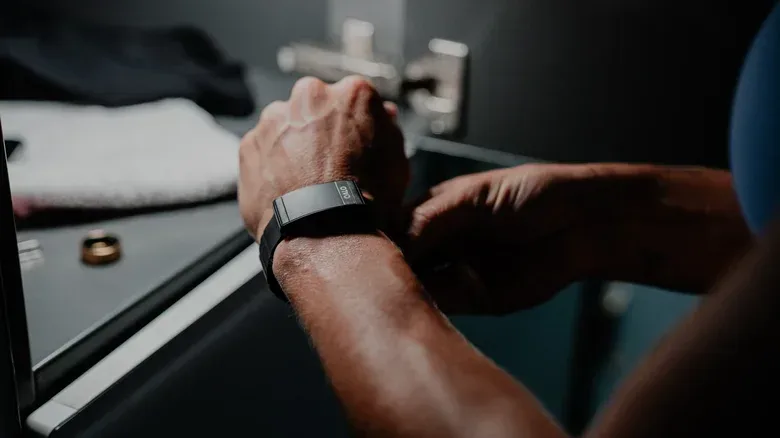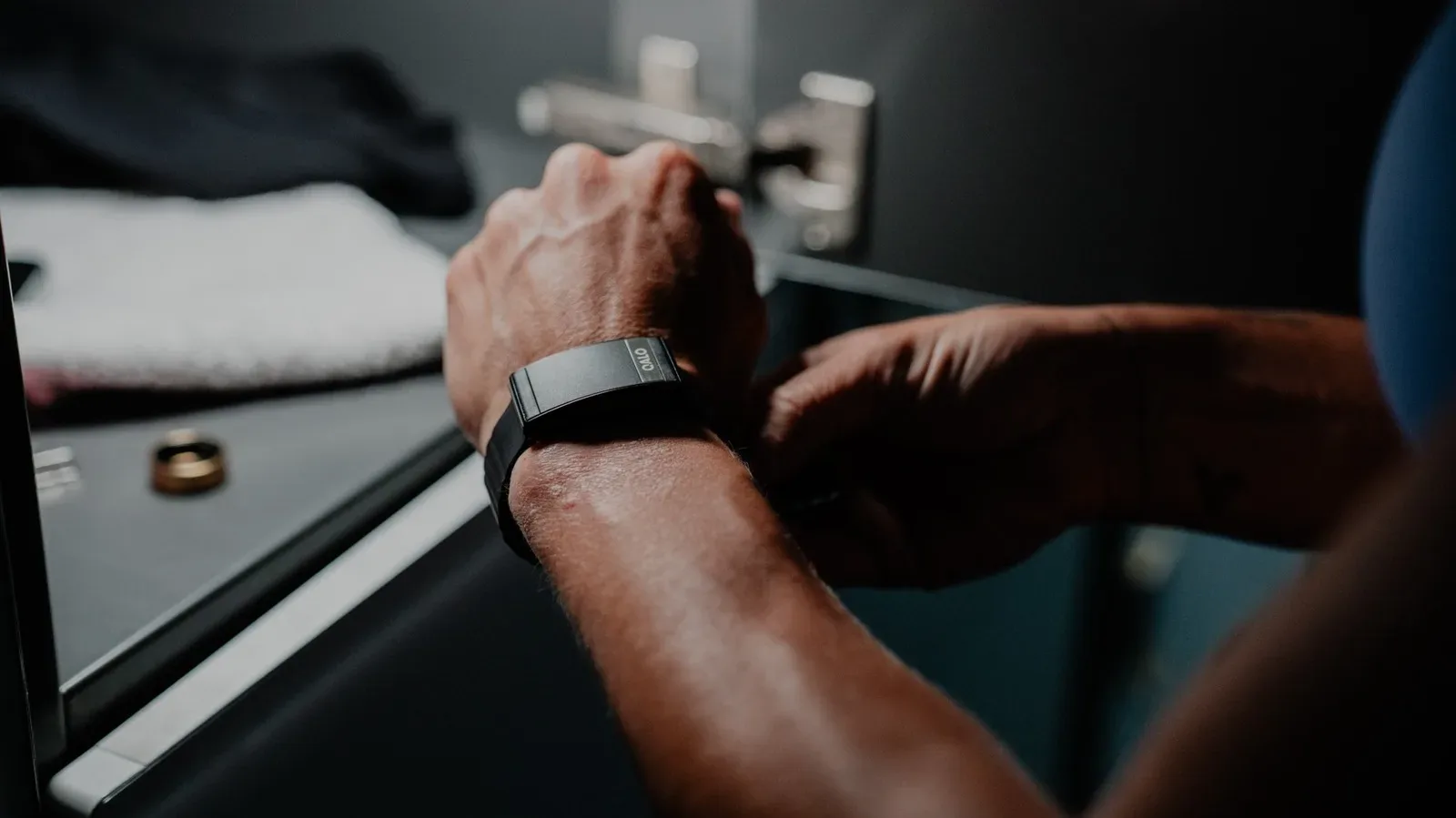
QALO is expanding beyond its smart ring with the SL-1 Smart Band, a screen-free wearable that tracks a broad set of daily wellness and activity measurements. The notable part is not simply that another band has entered a crowded tracker category. QALO is positioning the SL-1 as a companion to its existing ring, with both products feeding information into the same app and user profile.
The SL-1 Smart Band is available now for $199.95. Purchases made through QALO’s own website include a spare strap, while a Walmart retail release is planned for later in the fall. QALO says the device does not require a monthly subscription, making the up-front price a central part of its pitch.
What the SL-1 Smart Band tracks
The band is intended to monitor movement, sleep, blood oxygenation, heart rate, stress, heart rate variability and skin temperature. QALO also says it can provide health and fitness insights and track menstrual cycles. Rather than displaying those figures on a watch-like screen, the SL-1 falls into the screen-free tracker category: the device gathers information, while the companion app becomes the main place to review it.
That list mixes immediately recognizable readings with measurements that need a little context:
- Heart rate is the number of heartbeats per minute, a figure often used to show how the body responds to rest and activity.
- Heart rate variability, usually shortened to HRV, concerns variation in the time interval between beats. It is commonly used by wearable platforms as one input for recovery, stress or readiness-style summaries.
- Blood oxygenation refers to an estimate related to oxygen carried in the blood.
- Skin temperature is a measurement at the skin, not necessarily the same thing as a core body-temperature reading.
- Sleep and movement data can help a tracker assemble a picture of daily patterns across rest and physical activity.
Those measurements are not presented as isolated dashboards alone. QALO will turn the collected information into a Q-Score, a daily figure running from 1 to 100 that is meant to communicate how the wearer is doing. A single score is an attempt to make a complicated set of inputs easier to scan, particularly for someone who does not want to interpret sleep data, HRV and activity trends separately every morning.
There is also an important practical limitation to any one-number approach: a score is a summary, not the underlying data itself. A user who wants to understand a change in their Q-Score will likely need to look at the contributing trends in the app, such as sleep, movement or the other measurements QALO tracks. The company has described the score as a daily health and fitness metric, rather than a diagnosis or a substitute for professional medical assessment.
The ring-and-band strategy is the point
QALO’s larger idea is to make its band and ring work as a small wearable ecosystem. The products can be worn at different points in the day while contributing to a shared profile. QALO’s suggested use case is straightforward: wear the band at the gym or while working, then switch to the ring when heading out.
That approach acknowledges something wearable makers do not always say out loud: comfort, style and convenience change with the situation. Some people may prefer a band during exercise, while a ring may fit better with an outfit or feel less conspicuous away from training. Others may simply have activities where one form factor is more comfortable than the other.
The key detail is continuity. If the ring and SL-1 both contribute to the same app and profile, a wearer does not have to treat them as separate data islands. The appeal is less about doubling the number of sensors on a person at a given time and more about retaining a single ongoing record when changing devices. QALO says users may own and wear both at various times; it does not frame simultaneous use as a requirement.
For prospective buyers, that makes the SL-1 a different proposition from a standalone fitness band. Someone who already uses QALO’s smart ring may see it as an alternate way to keep tracking during parts of the day when a band is preferable. Someone new to QALO, meanwhile, can start with the band and potentially add the ring later without moving to a different software account or history.
No subscription is a meaningful part of the value proposition
QALO is directly differentiating the SL-1 through the absence of a recurring membership fee. Subscription costs matter especially in screen-free wearables because the value of the hardware is tied closely to the app’s interpretation of the data. The device records the measurements, but the app typically handles the trends, summaries and score that give those measurements context.
At $199.95, the SL-1 has a clearly stated initial cost. QALO’s pitch is that users do not need to add a monthly payment for the band’s ongoing tracking and insights. That can make ownership easier to budget for, although shoppers should still consider whether the features QALO has described match what they want from a tracker. The company’s stated strengths are the range of monitored metrics, the daily Q-Score and the ability to build a shared record alongside its ring.
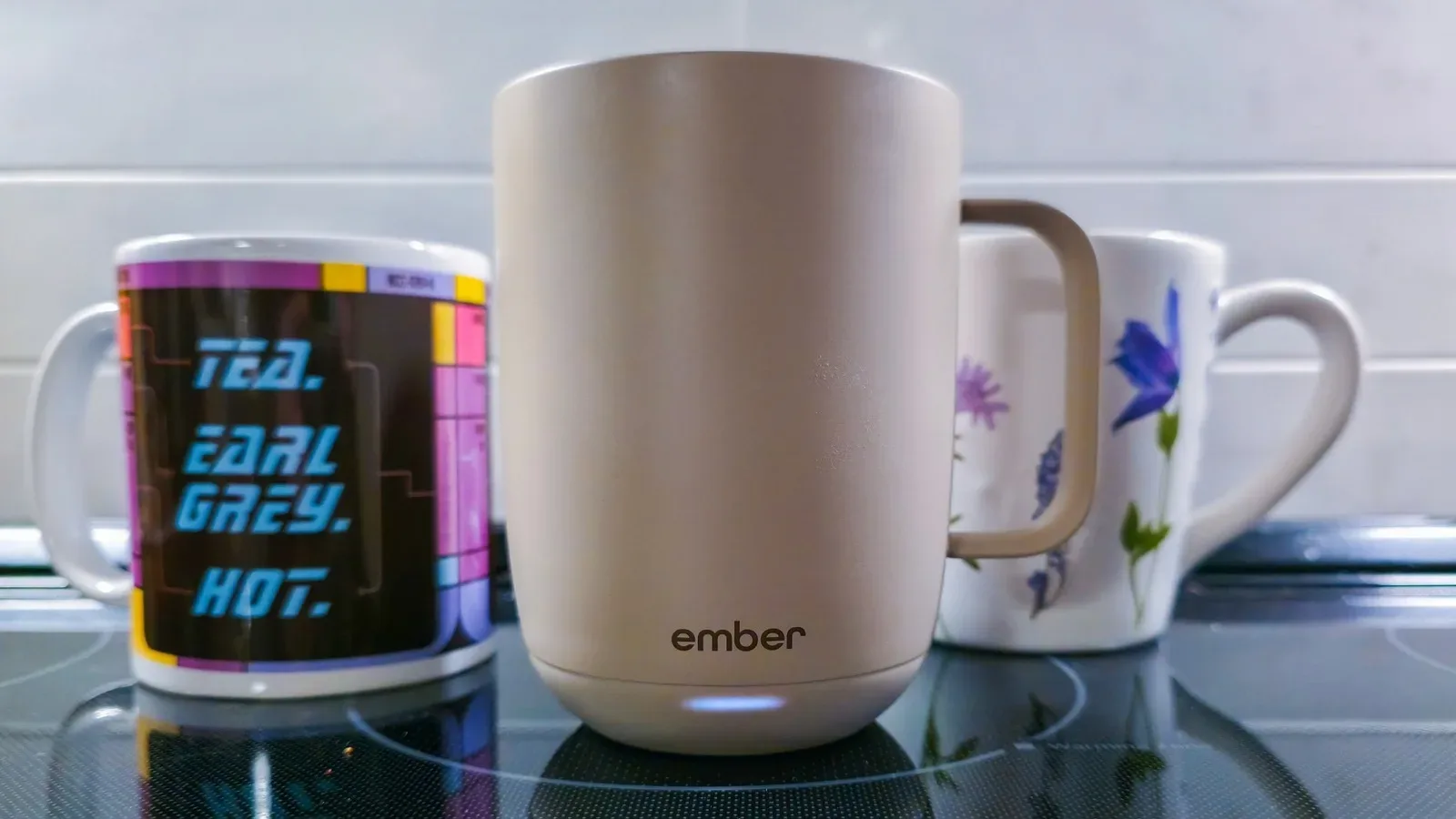
Subscription-free hardware is not automatically the right answer for every buyer; it is simply a different model. The practical question is whether a person values a one-time device purchase and QALO’s combined ring-and-band profile over the approach offered by other wearable platforms. As with other connected devices, the long-term experience also depends substantially on the app, since that is where the measurements are consolidated and explained. App quality can materially shape a connected product’s appeal, as seen with other app-dependent hardware such as the Ember Mug 3.
Who the SL-1 may suit
The strongest fit appears to be people who want a tracker without a watch display and who like the idea of choosing between a ring and a wrist band according to their plans. A screen-free product may be attractive to someone who wants health and fitness information collected in the background rather than another display competing for attention.
The shared-profile design is also more compelling for a buyer who expects to use both formats. QALO is not merely offering another band under its name; it is asking customers to consider a two-device routine. In return, the company promises that the ring and band can populate one profile rather than forcing users to pick one device type permanently.
There are sensible purchase questions that remain outside the information currently available. QALO has not detailed, here, battery life, charging method, sizing, supported phone platforms, water resistance, sensor specifications or exactly how information from two devices is handled if both are worn. Those details can be important depending on whether a person prioritizes overnight sleep tracking, workouts, comfort or the simplicity of charging. They should not be assumed from the SL-1’s category or from competing products.
Likewise, the feature list establishes what QALO says the SL-1 measures, but it does not by itself answer how each measurement will feel in everyday use or how a particular wearer will respond to the insights. The sensible expectation is a wellness tracker that gathers the listed signals and presents them through the company’s app and Q-Score system—not a medical device or a replacement for medical advice.
Availability and the clearest takeaway
QALO’s SL-1 Smart Band is on sale now for $199.95. Buying from QALO’s website adds a spare strap, and Walmart is expected to carry it later in the fall. For shoppers, the immediate headline is simple: QALO now offers two screen-free wearable forms—ring and band—under one profile, and it says neither requires a monthly subscription.
That combination is the differentiator worth watching. Plenty of trackers aim to translate personal metrics into an understandable daily status. QALO is trying to make the choice of where to wear the tracker more flexible, without making the wearer choose between separate apps, separate histories or separate services. Whether that ecosystem matters will depend on how strongly an individual values switching between a ring and band, but it gives the SL-1 a more specific purpose than being just another wrist-based health tracker.